
Flowers
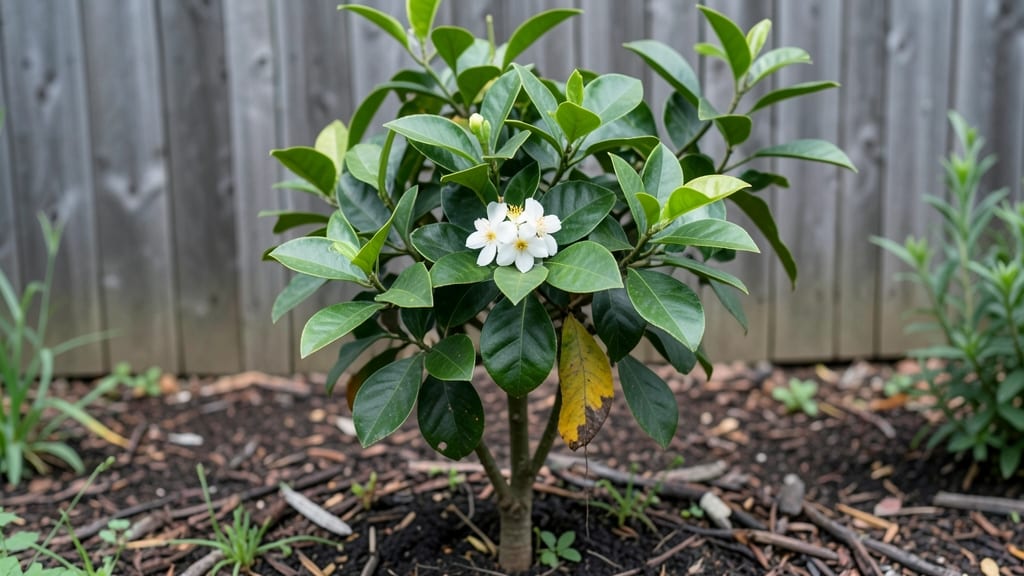
The Mexican orange flower's citrusy perfume turns any garden into a fragrant escape. 🌿 I've grown this glossy-leaved beauty in my Pacific Northwest yard for years, and it's become my go-to for hedges, containers, and even fragrant borders.
The key isn't some secret technique—it's matching its Mediterranean roots to our cooler, wetter climate.
This plant thrives in well-draining soil with just 4-6 hours of sunlight daily, making it perfect for shady spots where other shrubs struggle. Water when the top inch feels dry, and you'll avoid the root rot that plagues many PNW gardeners.
The evergreen foliage stays lush year-round, with spring blooms that smell like fresh oranges.
By summer, you'll have a 3-6 foot tall shrub depending on pruning, with glossy leaves that catch the light and fragrant white flowers that attract pollinators. The best part? It handles our rainy winters better than most Mediterranean plants, as long as you protect it from heavy, soggy soil.
Whether you're creating a fragrant hedge, a container specimen, or a fragrant border, this plant delivers low-maintenance beauty with minimal fuss. The secret to success lies in proper placement and seasonal adjustments—let's get you growing yours.
📚 In This Guide
- What you need
- Instructions
- Tips and common mistakes
- Wrapping up and next steps
What you need
- ● Mexican orange flower plants: 1–3 nursery-grown plants (3–4 feet tall, mature size) or 5–10 seeds (if starting from scratch).
- ● Pro tip: 🌱 Seeds take 2–3 years to bloom—nursery plants are faster!
- ● Well-draining soil: Mix 50% native soil with 50% compost or potting mix (avoid heavy clay).
- ● Organic fertilizer: Balanced 10-10-10 or citrus-specific fertilizer (follow label for PNW climate adjustments).
- ● Mulch: 2–3 inches of wood chips or bark to retain moisture and regulate temperature.
- ● Garden gloves (to protect hands from thorns).
- ● Trowel or shovel (for planting and soil prep).
- ● Pruning shears (sterilized with rubbing alcohol).
- ● Watering can or hose with a gentle spray nozzle (avoid overwatering!).
- ○ Optional but helpful: Soil pH test kit (ideal range: 6.0–7.0).
- ● Drip irrigation system (for consistent moisture in PNW’s rainy seasons).
- ● Sunlight: Full sun (6+ hours/day) or partial shade (afternoon shade helps in hot summers).
- ● Climate tolerance: Hardy to USDA Zones 7–10 (PNW’s mild winters are perfect!).
- ● Watering routine: Deep watering 1–2 times/week (adjust for rain—this plant hates soggy roots!).
- ● Pruning schedule: Trim lightly after flowering (spring) to encourage bushier growth.
Step-by-Step guide for cultivating Mexican orange flower in the Pacific Northwest
Here’s how to nurture this fragrant beauty—where light, soil, and timing meet PNW resilience.
🌱 Step 1: Select the Perfect Planting Spot
Mexican orange flower (Choisya ternata) thrives in partial shade to full sun, but in the Pacific Northwest’s cooler, wetter climate, morning sun with afternoon shade prevents leaf scorch. Choose a location with well-draining soil—this plant despises soggy roots. If your garden soil is heavy clay, amend it with 3-4 inches of compost to improve aeration and fertility.
I always test drainage by digging a 6-inch hole, filling it with water, and checking if it drains within 30 minutes. If not, raise the planting area with a mound of soil or opt for a large container with drainage holes. The plant’s glossy leaves will tell you if it’s happy—deep green and slightly waxy means ideal conditions.
🪴 Step 2: Plant with Care for Long-Term Health
Dig a hole twice as wide as the root ball but only as deep as the container it came in. Loosen the roots gently if they’re circling—this encourages outward growth. Place the plant in the hole, backfill with native soil mixed with 1 cup of bone meal (for phosphorus, which boosts root development), and water deeply to settle everything.
Here’s the thing—mulch matters. Spread 2-3 inches of shredded bark mulch around the base, keeping it 3 inches away from the trunk to prevent rot. Mulch retains moisture, regulates soil temperature, and suppresses weeds. In the PNW’s damp winters, this extra layer also protects roots from freezing.
☀️ Step 3: Water Strategically for PNW Conditions
Newly planted Mexican orange flower needs 1-1.5 inches of water weekly, but established plants are surprisingly drought-tolerant once roots are deep. Water deeply but infrequently—aim for soil 2-3 inches down to feel dry before watering again. Overwatering leads to yellowing leaves and fungal issues, so always check with your finger.
In the Pacific Northwest’s rainy seasons, reduce watering to prevent root rot. If leaves curl or droop, it’s usually a sign of too much moisture. On the other hand, crispy edges mean it’s thirsty. Adjust based on weather—spring and fall often need less water than summer’s heat waves.
✂️ Step 4: Prune for Shape and Fragrance
Prune right after flowering (late spring) to encourage bushier growth and more blooms. Cut back one-third of the oldest stems to the nearest leaf node, and shape the plant by trimming leggy branches. This plant responds well to pruning, so don’t fear cutting—it rewards you with denser foliage and brighter flowers.
Here’s what I do: I start with clean, sharp pruners (sterilized with rubbing alcohol) to avoid spreading disease. Remove any dead, diseased, or crossing branches first, then shape the plant into a rounded canopy. The more open the center, the better air circulation—and that means fewer pests and stronger fragrance.
🌿 Step 5: Protect and Maintain for Year-Round Beauty
Mexican orange flower is evergreen, but in harsh PNW winters, young plants may need light frost protection. Wrap the base with burlap or use a thick layer of mulch (up to 4 inches) to insulate roots. Established plants usually handle 20°F without issues, but a frost cloth can give peace of mind in extreme cold snaps.
Fertilize once in early spring with a balanced 10-10-10 fertilizer (follow package rates) to support new growth. Avoid heavy nitrogen—it promotes leaves over flowers. Watch for aphids or scale insects (common on glossy leaves), and treat with neem oil if needed. A healthy plant will bloom from late spring to early summer, filling the air with its citrusy scent.
Tips & tricks for perfect Mexican orange flower cultivation
Took me years to get these right—here's how to turn your Mexican orange flower into a fragrant PNW standout.
Soil Test Hack: Before planting, mix 1 part perlite with your amended soil to create that perfect airy texture. I learned this the hard way after watching roots suffocate in compacted clay. The 30-minute drainage test from Step 1 becomes even more critical when using containers—water should drain completely within that time, or you risk root rot.
Mulching Upgrade: For winter protection in Step 5, I double down on mulch by adding a 1-inch layer of straw over the bark mulch. This extra insulation helps maintain soil temps above 20°F during cold snaps, protecting those delicate roots. The straw also breaks down slowly, adding organic matter without smothering the plant.
Pruning Precision: When shaping your plant in Step 4, focus on creating a rounded silhouette—this isn't just about looks. The open center you create improves air circulation, which is your first line of defense against fungal diseases common in the PNW's damp climate. I always make my cuts at a 45-degree angle just above a leaf node to encourage faster healing.
Watering Wisdom: The 1-1.5 inch weekly watering guideline in Step 3 works best when delivered in the morning. This gives leaves time to dry before evening moisture sets in, reducing fungal risks. For container plants, I use a moisture meter to verify when the soil is truly dry at 2-3 inches down—sometimes containers dry out faster than expected, especially in summer's heat waves.
Pro Tips for Mexican Orange Flower
- Took me years to get these right—here's how to turn your Mexican orange flower into a fragrant PNW standout.
- Soil Test Hack: Before planting, mix 1 part perlite with your amended soil to create that perfect airy texture.
- Mulching Upgrade: For winter protection in Step 5, I double down on mulch by adding a 1-inch layer of straw over the bark mulch.
Frequently asked questions
Got questions about growing Mexican orange flower (Choisya ternata) in the Pacific Northwest? You’re not alone! Here are answers to the most common queries—from planting to troubleshooting—so you can nurture a fragrant, thriving canopy with confidence.
When is the best time to plant Mexican orange flower in my region?
The ideal window is late spring to early summer (May–June) or early fall (September–October). PNW’s mild, wet winters can stress young plants if planted too early, while summer heat (especially in inland areas) may cause transplant shock. Pro tip: Wait until soil temps hit 55°F+ and avoid planting during heavy rain to prevent root rot.
How much sun does Mexican orange flower need to thrive?
This plant is sun-worshipping but adaptable! It thrives in full sun (6+ hours/day), but in hot inland PNW zones (like eastern WA/OR), morning sun + afternoon shade prevents leaf scorch. Coastal areas? Partial shade (3–4 hours of sun) works too—just expect slightly slower growth and fewer blooms.
Why aren’t my Mexican orange flowers blooming?
Common culprits include:
- Insufficient sunlight: Move to a sunnier spot (even a few extra hours helps!).
- Over-fertilizing: Too much nitrogen = lush foliage, zero flowers. Use a balanced 10-10-10 or bloom-boosting fertilizer (like 5-10-5) in early spring.
- Young age: Plants under 3–5 years may focus on root/foliage growth. Patience pays off!
- Pruning timing: Prune right after flowering (late spring) to encourage next year’s blooms.
Troubleshoot: Check for pests (like aphids) or fungal spots on leaves, which can stress the plant.
Does Mexican orange flower tolerate PNW’s wet winters?
Yes, but with a few caveats:
- Well-draining soil is a must. Amend clay-heavy soil with compost or sand to prevent root rot.
- Mulch heavily (3–4 inches of wood chips) to insulate roots and retain moisture.
- Avoid soggy spots—plant on slopes or raised beds if your yard holds water.
Bonus: Its evergreen foliage adds winter interest, even when not in bloom!
What are some low-maintenance alternatives to Mexican orange flower?
If you love its fragrance and drought tolerance but want other PNW-friendly options, try:
All handle PNW’s mild summers and wet winters with minimal fuss!
Wrapping up and next steps
The Mexican orange flower (Choisya ternata) is a fragrant, low-maintenance gem that brings vibrant color and intoxicating scent to Pacific Northwest gardens. With its resilience, adaptability, and stunning blooms, it’s the perfect addition for gardeners—whether you’re a beginner or a seasoned green thumb. 🌸
Now that you’re armed with the how-to, why not plant one this season? Start small with a single bush, or go bold and create a fragrant hedge. Your garden—and your senses—will thank you! Ready to grow? Grab your supplies and get planting! 🌱