
Flowers
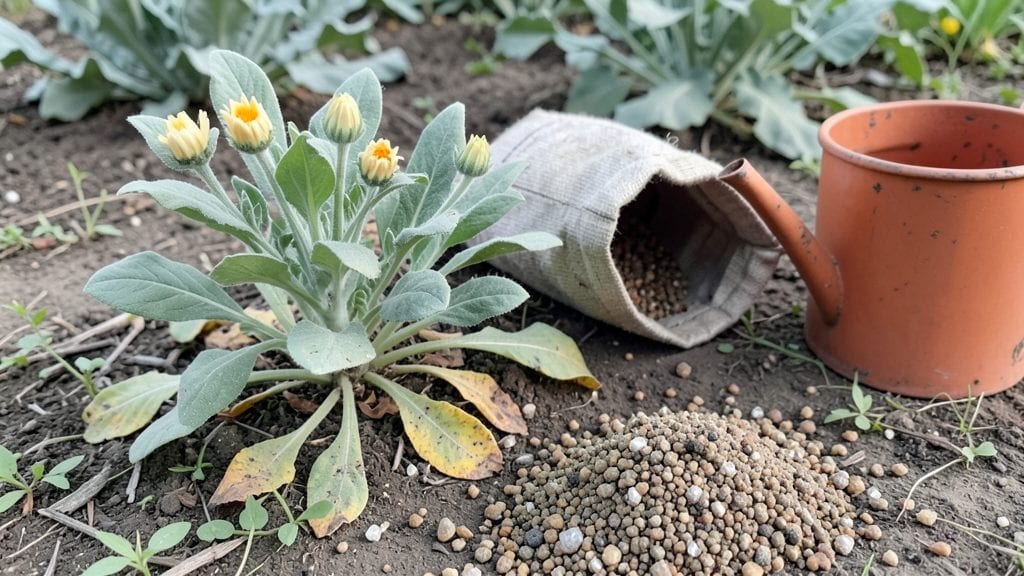
Here’s how to use flower food to transform wilting bouquets into vibrant displays that last days longer—it’s the secret weapon hiding in that simple packet of powder.
I’ve used it to keep my grandmother’s roses fresh for nearly two weeks, and the trick isn’t complicated: a pinch of powder mixed with water works magic by feeding cut stems what they crave most. The best part?
It’s not just for vases—potted plants and even garden beds benefit when you know how to apply it right.
Most people grab the packet, dump it in water, and call it a day—but that’s missing the real potential. Flower food balances sugar (for energy), acidifiers (to slow bacterial growth), and nutrients (like potassium) that keep stems hydrated and blooms perky.
For cut flowers, dissolve one packet per quart of water and change the solution every 2-3 days. Potted plants need a diluted version (half-strength) applied directly to the soil, while garden beds benefit from a weekly foliar spray during blooming season.
What you’ll notice first is how stems stay firm and upright, not flopping like overcooked noodles. Petals hold their color longer, and buds open more slowly, giving you days of freshness instead of a sad, drooping mess. The key is consistency—don’t skimp on the mix, and always use fresh water.
Even store-bought bouquets will outlast their usual shelf life, and your own cuttings from the garden will look like they just arrived from the florist.
Pro tip: Test the water first—if it’s cloudy or smells funky, dump it and start fresh. Overuse can clog stems, so stick to the ratios, and avoid mixing with bleach or vinegar (they cancel out the benefits).
Whether you’re prepping a wedding bouquet or keeping your patio geraniums thriving, this simple trick makes all the difference.
📚 In This Guide
- What you need
- Instructions
- Tips and common mistakes
- Wrapping up and next steps
What you need
- ● Flower food: Choose a pre-packaged version (like Flower Food by FTD or Crystal Clear) or make your own (see later steps). 1 packet per 10-15 stems is ideal.
- ● Clean vase: Glass, ceramic, or plastic—just ensure it’s spotless (use warm, soapy water and rinse well). Size matters: Aim for a vase that’s 1-2 inches wider than your flower stems’ diameter.
- ● Fresh, cut flowers: Any bouquet (roses, lilies, peonies, etc.), but remove any leaves submerged in water to prevent bacterial growth.
- ● Sharp scissors or floral shears: Avoid kitchen knives—they crush stems, blocking water uptake.
- ● Room-temperature water: Never use cold water from the fridge; it shocks the stems.
- ● White vinegar (1 tsp per quart of water): Acts as a natural disinfectant.
- ● Sugar (1 tsp per quart): Provides quick energy for thirsty blooms.
- ● Bleach (1/4 tsp per quart): For extra sterilization (use sparingly!).
- ● Floral preservative powder: Like Chrysal Professional for long-lasting results.
- ● Cooling element: Ice cubes (1-2) to slow water evaporation.
Simple steps to refresh flowers with flower food
Here's how to keep your bouquets vibrant longer—no guesswork, just proven techniques.
Prepare Your Vase and Water
Start with clean water—fill your vase about one-third full to prevent spills and allow room for flower food. If using a new vase, rinse it thoroughly with warm water to remove any manufacturing residue that could block stems. I like to add a splash of white vinegar (about 1 tablespoon) to the water first—this helps kill bacteria that can shorten vase life.
Trim the stems at a 45-degree angle about 1 inch from the base using sharp scissors or pruners. This larger surface area lets the stems absorb water and flower food more efficiently. Avoid using dull tools, as crushed stems won't drink up the solution properly.
Add Flower Food Properly
Follow the package instructions for your specific flower food—most require 1 packet per quart of water. Stir it thoroughly until fully dissolved; any undissolved bits can clog stems. I like to use a long spoon or chopstick to break up clumps before adding water. If you're dealing with a large vase, divide the flower food into smaller portions and dissolve it in warm water first to ensure complete mixing.
Once dissolved, pour the solution into your vase, filling it to about halfway up the stems. This ensures the stems can soak up the nutrients without floating. If your bouquet has very long stems, you might need to adjust the water level slightly to keep them submerged just enough to absorb the food.
Arrange and Maintain Your Flowers
Place your flowers in the vase immediately after adding the flower food solution. Gently spread out the stems to prevent overcrowding, which can trap bacteria and shorten vase life. Remove any leaves that will be submerged in water—they’ll rot and create a breeding ground for harmful microbes.
Change the water and refresh the flower food every 2-3 days to keep your bouquet fresh. You’ll notice the water turning cloudy or developing a slight odor—this is your cue to replace it. When refreshing, trim the stems again at a 45-degree angle to encourage fresh water uptake.
Optimize Light and Temperature
Keep your vase away from direct sunlight, heaters, or drafts—these can cause flowers to wilt faster. A cool spot, like a kitchen counter or dining table, works best. If your home gets very warm, consider moving the vase to a slightly cooler area, like a bathroom with good ventilation.
Mist the flowers lightly with water every day or two to keep petals hydrated, especially for delicate blooms like roses or orchids. This extra step can add an extra day or two to their life. Avoid over-misting, though—wet petals can encourage mold growth if the air isn’t circulating well.
Tips & tricks for perfect flower food use
These simple tricks will help you maximize the lifespan of your bouquets with minimal effort—no fancy tools required.
Cutting Technique: When you trim stems at a 45-degree angle in Step 1, make sure to use a sharp pair of pruners or scissors. I've learned the hard way that dull blades crush stems, which actually blocks water absorption. For extra-long stems, you can even make a small slit at the base before trimming—this helps the stem drink up the flower food solution faster. The key is to keep the cut fresh and clean, so the stems stay hydrated longer.
Flower Food Dissolving: In Step 2, don't just dump the flower food packet into cold water. Warm water helps dissolve the powder completely, preventing any undissolved bits from clogging the stems. I like to use a small cup to dissolve the packet first, then pour it into the vase. This ensures every drop of nutrient reaches the stems. Also, stir vigorously with a long spoon—you want the solution to be completely clear before adding water.
Stem Maintenance: The 2-3 day refresh schedule in Step 3 is crucial, but here's what nobody tells you: when you change the water, give the stems a quick soak in clean water for about 10 minutes before placing them back in the vase. This removes any bacteria that might have built up during the previous days. It's like giving your flowers a quick spa treatment before their next nutrient boost.
Light and Temperature: While Step 4 covers the basics, here's a pro move: if you notice your flowers wilting faster than usual, it might be due to indirect sunlight. Move them to a spot where they get bright, indirect light—like near an east-facing window. And if your home gets very warm, place a small bowl of ice cubes near the vase to help keep the water cool without over-chilling the flowers.
Pro Tips for Use Flower Food
- These simple tricks will help you maximize the lifespan of your bouquets with minimal effort—no fancy tools required.
- Cutting Technique: When you trim stems at a 45-degree angle in Step 1, make sure to use a sharp pair of pruners or scissors.
- Flower Food Dissolving: In Step 2, don't just dump the flower food packet into cold water.
Frequently asked questions
Got questions about flower food? You’re not alone!
Here are answers to the most common ones—so you can keep your bouquet fresh and beautiful for as long as possible.
Do I have to use flower food, or can I just use water?
While plain water works in a pinch, flower food is a game-changer! It contains nutrients like sugar (for energy) and acids (to balance pH), which help flowers absorb water better and fight bacteria. Without it, stems can clog faster, and blooms may wilt sooner. For short-term setups (like a single day), water is fine—but for lasting beauty, always use flower food.
How often should I change the water and refresh the flower food?
Change the water and add fresh flower food every 2–3 days (or daily for tropical flowers like lilies or orchids). Cut stems by ½ inch each time to prevent clogging. Pro tip: If the water looks cloudy or smells funky, it’s time for a refresh—don’t wait!
What if I don’t have store-bought flower food? Are there DIY alternatives?
Mix 1 tsp sugar + 2 drops bleach (or ½ tsp white vinegar) per quart of water for a budget-friendly version. The sugar feeds the flowers, while the bleach/vinegar kills bacteria. For extra oomph, add a pinch of aloe vera gel (natural preservative) or a baby aspirin (crushed) to boost longevity.
Why are my flowers drooping even with flower food? What’s going wrong?
Drooping can mean a few things:
- Thirsty stems: Check if stems are submerged—some need at least 2–3 inches of water.
- Bacterial buildup: Trim stems at an angle and recut underwater to clear blockages.
- Ethylene gas: Remove wilted blooms and leaves (they release gas that speeds aging).
- Heat stress: Keep flowers away from direct sunlight or radiators.
Can I reuse flower food or water from old arrangements?
Nope! Old water and flower food harbor bacteria and depleted nutrients, which can harm fresh flowers. Always use fresh water + fresh food for each arrangement. Think of it like a spa day for your blooms—no shortcuts!
Wrapping up and next steps
Using flower food is a simple yet powerful way to keep your bouquets fresh and vibrant for days—or even weeks! 🌸 By following the right steps, you’ve learned how to maximize vase life, troubleshoot common issues, and make the most of store-bought or DIY solutions.
Whether you’re a beginner or a seasoned flower lover, these tricks will save you time, money, and frustration.
Now that you’re armed with the knowledge, why not try it today? Grab a fresh bouquet, whip up some homemade flower food, and enjoy the beauty of blooms that last longer than ever. Your flowers—and your future arrangements—will thank you! 💐✨