
Flowers
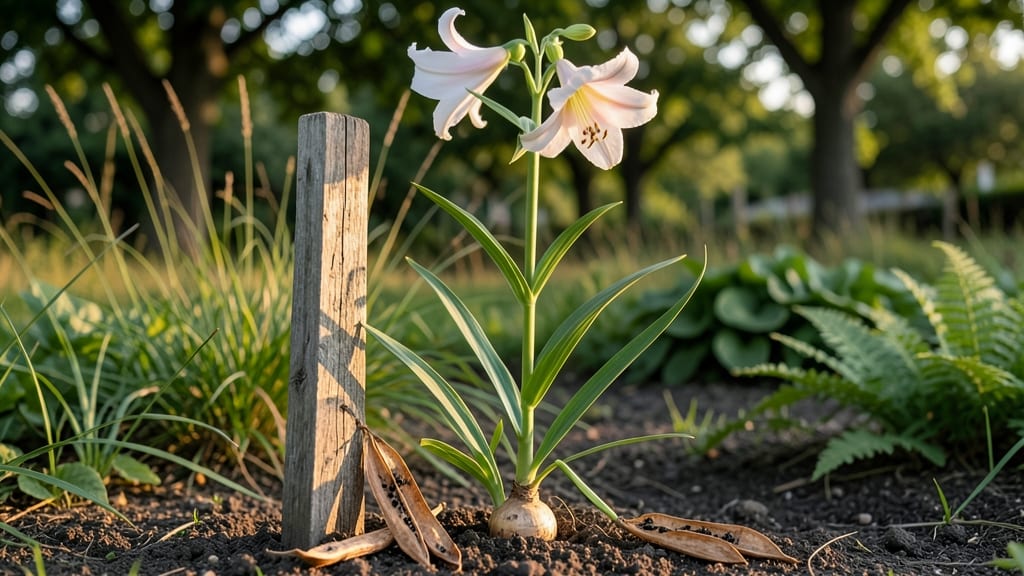
The lily flower life cycle unfolds like nature’s own clockwork—each stage a promise of what’s to come. 🌱 From the moment a bulb breaks dormancy in spring, it’s a race between roots sinking deep and shoots reaching for light, all while storing energy for that showstopping summer bloom.
I’ve watched my own lilies go from a patch of brown soil to towering stems in just six weeks, and the secret isn’t luck—it’s understanding how to support each phase.
Most gardeners skip the early stages, but that’s where the magic happens. A healthy bulb starts with well-draining soil and 6+ hours of sunlight daily, while young shoots need consistent moisture but hate soggy roots.
The real payoff comes when those buds form—plump, green, and full of potential—because that’s when you’ll see whether last year’s care paid off in bold, fragrant blooms that last a full week.
By late summer, when the flowers fade, the plant’s energy shifts underground again. That’s when proper care—like cutting back stems but leaving the foliage—ensures the bulb stores enough strength for next year’s show.
I’ve seen lilies that bloom for 10+ years when treated right, and the trick is treating each stage as essential, not optional.
Whether you’re growing oriental lilies for their drama or Asiatics for their hardiness, the cycle repeats every year. The key is adapting your care to the season—watering less in dormancy, fertilizing at the right time, and protecting bulbs from winter chill.
Let’s walk through each stage so you can grow lilies that thrive year after year.
📚 In This Guide
- What you need
- Instructions
- Tips and common mistakes
- Wrapping up and next steps
What you need
- ● Lily bulbs: 3–5 healthy, disease-free bulbs (e.g., Lilium asiaticum or Lilium candidum for classic blooms). Choose bulbs labeled "hardy" for your climate zone.
- ● Well-draining potting mix: 1–2 bags (10–15 quarts each) of a blend with 50% peat moss or coconut coir, 30% perlite or vermiculite, and 20% compost.
- ● Containers: For outdoor planting: 1–2 garden beds (12–18" deep) with loose, fertile soil.
- ● For indoor/container growing: 3–5 pots (10–12" diameter) with drainage holes.
- ● Fertilizer: Balanced granular fertilizer (10-10-10): 1–2 cups per planting area.
- ○ Slow-release bulb fertilizer: Optional but recommended for nutrient-rich soil.
- ● Garden trowel or bulb planter: 1 (for digging and planting).
- ● Watering can or hose with gentle spray nozzle: 1 (to avoid disturbing bulbs).
- ● Pruners or clean scissors: 1 (for trimming dead foliage post-bloom).
- ○ Gloves (optional): 1 pair (to protect hands from soil and sap).
- ○ Mulch (optional): 2–3 inches of straw or shredded bark (to retain moisture and regulate temperature).
- ● Sunlight: Full sun (6–8 hours daily) for outdoor lilies; a south-facing window or grow lights for indoor setups.
- ● Temperature: Planting: 50–60°F (10–15°C) (spring or fall, depending on climate).
- ● Growth: 60–75°F (15–24°C) (ideal for blooming).
- ● Watering schedule: Keep soil consistently moist but not soggy (1–1.5 inches of water per week).
- ● Patience: Lilies take 8–12 weeks from planting to bloom—plan ahead!
Step-by-Step guide to observing a lily's natural growth journey
Watch lilies transform from underground bulbs into towering blooms—each stage reveals their quiet resilience.
🌱 Step 1: Dormant Bulb Awakens in Early Spring
Start by planting your lily bulb in well-draining soil at a depth of 3-4 inches, with the pointed end facing upward. In late winter or early spring (typically February to March in most climates), the bulb begins its transformation. You'll notice nothing above ground yet—this is the crucial dormant phase, where roots establish themselves deep below.
Here's the thing—don't water yet. The bulb needs time to break dormancy naturally. Watch for the first sign of life: a small sprout breaking through the soil in 3-4 weeks. This tiny shoot signals the bulb has absorbed enough moisture from the soil to begin growth. Once you see it, water lightly but consistently to encourage steady upward progress.
🌿 Step 2: Leaf Emergence and Stem Elongation
Within 2-3 weeks after that first sprout appears, you'll see long, lance-shaped leaves unfurl rapidly. These leaves are the plant's energy factories, converting sunlight into fuel for the flower. Each leaf should be 12-18 inches tall before the flower stem emerges—this ensures the plant has enough strength to support the bloom.
This is when lilies need bright, indirect light (or 6+ hours of morning sun). Too much direct afternoon sun can scorch the leaves. You'll notice the stem thickening as it prepares for the next stage—don't prune or disturb the leaves unless they're damaged. They're working hard to feed the developing bud.
☀️ Step 3: Bud Formation and Pre-Bloom Growth
About 6-8 weeks after sprouting, you'll spot the flower bud at the top of the stem. It starts as a small, tightly closed oval shape, often green or purple-tinged. This is the pre-bloom phase, where the bud swells rapidly. Watch closely—buds can open in as little as 24 hours once they're ready.
Real talk: this is the most delicate stage. Lilies need consistent moisture (water when the top inch of soil feels dry) but no standing water. Overwatering now causes buds to split or rot before opening. If your climate is dry, mulch around the base to retain moisture without suffocating the roots.
✂️ Step 4: Full Bloom and Post-Flowering Care
The moment arrives: your lily bud unfurls into a vibrant, trumpet-shaped bloom that can last 3-7 days depending on the variety. Once fully open, enjoy the show—but don't cut the stem yet. The flower's job is to attract pollinators and set seeds. After blooming, the flower wilts naturally, signaling the plant to redirect energy back to the bulb.
Here's what I do next: I deadhead the spent bloom (cut the flower stem just above the first set of leaves) to encourage a second flush of blooms in some varieties. Then, I reduce watering by half. The plant needs to focus on bulb replenishment for next year's growth. In late fall, the leaves will yellow and die back—this is normal. Only then do I cut them back to soil level.
Tips & tricks for perfect lily growth journey
Watch lilies transform with these insider tips that'll help you nurture each growth stage like a pro.
Timing Secret: The 3-4 week wait for that first sprout after planting is critical—this dormant phase lets the bulb establish roots without competing with top growth. I've learned the hard way that rushing water too soon can drown those delicate root systems before they're ready. Mark your calendar when you plant, and resist the urge to check daily—patience pays off with stronger stems.
Light Strategy: During the leaf emergence phase (Step 2), position your lilies where they'll get morning sun and afternoon shade. I've seen leaves scorch from too much direct afternoon sun, turning crispy at the edges. A sheer curtain can help diffuse harsh light while still providing the bright, indirect light lilies crave. The goal is to keep those leaves vibrant green—they're the plant's power source for the flower to come.
Bud Protection: When you spot that first flower bud (around 6-8 weeks), this is when lilies need your most careful attention. I've seen buds split open prematurely from overwatering or even from heavy rain. Use a small plastic bag loosely tied around the bud for extra protection if your climate is particularly wet—just make sure it doesn't touch the bud itself. The key is consistent moisture without waterlogging the soil.
Post-Bloom Wisdom: After those stunning trumpet blooms fade, don't cut back the leaves until they've completely yellowed and died back naturally (usually by late fall). This might feel counterintuitive, but the leaves are still feeding the bulb underground. I've seen gardeners cut them too soon, only to have weaker blooms the following year. Think of it as the plant's way of storing energy for next season's show.
Pro Tips for Lily Flower Life Cycle
- Watch lilies transform with these insider tips that'll help you nurture each growth stage like a pro.
- Timing Secret: The 3-4 week wait for that first sprout after planting is critical—this dormant phase lets the bulb establish roots without competing with top growth.
- Light Strategy: During the leaf emergence phase (Step 2), position your lilies where they'll get morning sun and afternoon shade.
Frequently asked questions
Got questions about the lily flower life cycle?
Here are some of the most common ones—and their answers—to help you grow and enjoy these stunning blooms with confidence!
How long does it take for a lily bulb to bloom after planting?
A lily bulb typically takes 60 to 90 days to bloom after planting, depending on the variety and growing conditions. Hardneck lilies (like Tiger Lilies) often bloom earlier, while Asiatic or Oriental hybrids may take longer. Plant in early spring for summer blooms, or late summer for fall flowers in mild climates.
Why isn’t my lily flower blooming this year?
Lilies may skip blooming due to immature bulbs (wait 1-2 years), poor sunlight (they need 6+ hours of sun), or overcrowding. Check your soil—lilies thrive in well-draining, slightly acidic soil (pH 6.0-7.0). Pro tip: Fertilize lightly in spring with a balanced 10-10-10 formula to encourage blooms!
Can lilies regrow after they die back in winter?
Yes! Lilies are perennial and regrow from their bulbs each spring. After blooming, the foliage will yellow and die back naturally—don’t cut it until it’s fully brown. This process stores energy in the bulb for next year’s growth. In cold climates, mulch around the base for winter protection.
What’s the best way to revive a dying lily plant?
If your lily looks wilted or diseased, start by removing dead or yellow leaves and checking for pests (like aphids or lily beetles). Ensure it’s getting enough water (1 inch per week) but not soggy soil. For fungal issues (like botrytis), spray with neem oil or copper fungicide. If the bulb is soft or mushy, it’s likely rotted—replace it next season!
Are there lilies that bloom more than once a year?
Most true lilies (Lilium species) are one-time bloomers per season, but reblooming hybrids (like Stargazer or Casa Blanca) can produce a second, smaller flush of flowers if given consistent care. Prune spent blooms promptly and fertilize lightly after the first bloom to encourage reblooming.
Wrapping up and next steps
Understanding the lily flower life cycle—from dormant bulb to vibrant bloom—reveals nature’s quiet magic. Each stage, from rooting to seed dispersal, showcases resilience and beauty, reminding us that growth takes patience and care.
Whether you’re a gardener or simply admirer, this journey inspires wonder and invites you to participate in the cycle.
Ready to nurture your own lilies? Start by planting a bulb this fall—your garden will thank you with stunning blooms next spring! 🌱💐