Light Requirements
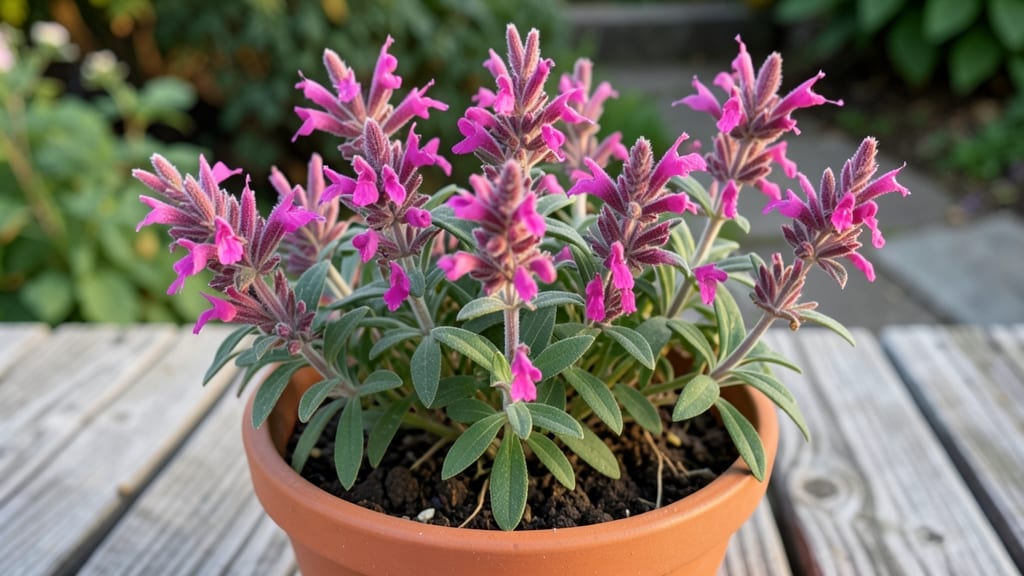
Texas full sun in fall doesn’t mean sacrificing vibrant blooms—it means choosing the right drought-resistant flowers that thrive when temperatures dip but stay scorching. 🌻 I’ve learned which varieties push through our brutal summers and still burst into color when cooler air arrives, like salvia with its velvety spikes or lantana that hums with butterflies.
The key is starting late summer, when soil stays warm but nights cool down. Plant natives like fall asters or blackfoot daisy—they’ve evolved to handle our alkaline soil and sporadic rains.
Water deeply once a week after planting, then let them fend for themselves once established. These plants won’t just survive; they’ll outshine anything you’ve tried before.
What you’ll end up with is a garden that stays lush through winter’s first frost, with blooms in shades of purple, orange, and yellow that catch sunlight like jewels.
The best part? No wilting, no wilting, and no brown patches—just steady, reliable color that turns heads at neighborhood walks. These flowers don’t just adapt; they dominate.
Works for urban yards, rural fields, or even containers on patios—just adjust spacing for your space. Here’s how to pick, plant, and keep them thriving through Texas’ wild swings from 100°F to 40°F without breaking a sweat.
📚 In This Guide
- What you need
- Instructions
- Tips and common mistakes
- Wrapping up and next steps
What you need
- ● Drought-resistant fall flowers: Mexican Sunflower (Tithonia rotundifolia) – 3-5 plants (3-4 ft tall, bright orange blooms)
- ● Blanket Flower (Gaillardia) – 5-7 plants (1-2 ft tall, red/yellow daisy-like blooms)
- ● Firewheel (Gaillardia pulchella) – 3-5 plants (1-2 ft tall, fiery red/orange flowers)
- ● Autumn Sage (Salvia greggii) – 5-7 plants (2-3 ft tall, pink/red tubular flowers)
- ● Lantana (Lantana camara) – 3-5 plants (1-3 ft tall, clusters of yellow/pink/purple blooms)
- ● Soil amendments: Compost (5-10 lbs) – improves drainage and nutrient retention
- ● Native Texas soil or well-draining potting mix (1-2 cubic yards for in-ground planting)
- ○ Watering tools: Drip irrigation system or soaker hose (optional but recommended for drought conditions)
- ● Watering can (5-gallon minimum) for hand-watering
- ● Planting supplies: Garden gloves (1 pair) – protects hands from thorns (e.g., Mexican Sunflower)
- ● Hand trowel or transplant spade (for small plants) or digging shovel (for larger areas)
- ● Mulch (2-3 inches of shredded bark or gravel) – retains moisture and suppresses weeds
- ● Garden tools: Pruning shears (for trimming dead blooms)
- ● Wheelbarrow (for moving soil/amendments)
- ● Knee pads (for comfort during planting)
- ● Sun protection: Wide-brimmed hat and sunscreen (Texas sun is no joke!)
- ● Decorative touches: Garden stakes or decorative rocks (to highlight focal plants)
- ● Garden flags or labels (to track plant varieties)
- ● Prerequisites: Full-sun location (6+ hours of direct sunlight daily)
- ● Well-draining soil (Texas clay? Amend it with compost!)
- ● Patience (some plants may take 4-6 weeks to establish)
Step-by-Step guide for planting fall flowers in Texas full sun
Here's how to create a vibrant, drought-resistant garden that blooms reliably through Texas winters.
🌱 Step 1: Choose the Right Drought-Tolerant Varieties
Texas full sun gardens need plants that handle heat, dry spells, and occasional cold snaps. I always reach for Mexican Feather Grass for airy texture, Blackfoot Daisy for cheerful yellow blooms, and Autumn Sage for its vibrant red flowers and fragrant foliage. These thrive in 6-8 hours of direct sun and need minimal water once established.
Check your local nursery for native Texas varieties like Bluebonnet or Indian Blanket if you want seasonal color that returns year after year. Avoid anything labeled "tender" or "tropical"—those won't survive our winters. Here's the thing—native plants already know how to handle Texas conditions, so they're your best bet for low-maintenance beauty.
🪴 Step 2: Prepare the Soil and Planting Sites
Clear the area of weeds and loosen the soil to a depth of 8-12 inches using a garden fork. Texas clay can be tough, so I always mix in 2 inches of compost to improve drainage and add organic matter. For containers, use a well-draining potting mix with added perlite to prevent waterlogging.
Space plants according to their mature size—most drought-tolerant perennials need 18-24 inches between plants. Group plants with similar water needs together for easier maintenance. Here's where it gets fun: arrange taller plants like Mexican Feather Grass at the back, medium-height bloomers in the middle, and low-growing ground covers like Horseherb in the front for a layered look.
☀️ Step 3: Plant and Water for Establishment
Dig holes slightly wider than the root ball but no deeper. Gently remove plants from their containers and place them in the holes, ensuring the top of the root ball sits level with the soil surface. Backfill with native soil, pressing lightly to eliminate air pockets. Water deeply right after planting to help roots settle into their new home.
For the first 2-3 weeks, water newly planted flowers every 2-3 days until you see new growth. You'll know they're established when leaves look plump and vibrant—not wilted or yellowing. After that, most drought-tolerant plants only need water during extended dry spells. Here's the secret: water deeply but infrequently to encourage deep root growth that can access moisture stored below the surface.
✂️ Step 4: Maintain Through Fall and Winter
Deadhead spent blooms regularly to encourage more flowers and prevent self-seeding where you don't want it. I always leave the seed heads of Mexican Feather Grass and Blackfoot Daisy for winter interest—they add beautiful texture to cold-season gardens. Cut back any frost-damaged growth in late winter, but leave the foliage of perennials until new growth appears in spring.
Apply a 1-inch layer of mulch around plants in late fall to protect roots from temperature swings and retain moisture. Use shredded bark or straw—avoid thick layers that can suffocate plants. In Texas, our winters can be unpredictable, so I always check plants after cold snaps. If leaves look crispy but stems are still green, they'll bounce back with a good watering when temperatures warm up.
Tips & tricks for perfect fall flowers in Texas full sun
Creating a thriving Texas full-sun garden doesn't have to be complicated—these simple tricks will help your drought-resistant blooms shine all season long.
Native Plant Pairing: In Step 1, when selecting your drought-tolerant varieties, consider pairing Autumn Sage with Blackfoot Daisy for a stunning color contrast that attracts pollinators. The sage's vibrant red blooms complement the daisy's cheerful yellow, while both thrive together in Texas's intense sun. This combination also creates a natural progression of bloom times, ensuring continuous color from fall through winter.
Soil Prep Secret: For Step 2's soil preparation, if you're working with particularly dense Texas clay, add a handful of coarse sand to your compost mix—this improves drainage without sacrificing moisture retention. I've found that mixing in 1 part sand to 3 parts compost creates the perfect balance for these sun-loving plants. The sand prevents compaction while the compost adds essential nutrients.
Watering Wisdom: During the critical establishment phase in Step 3, water in the early morning to reduce evaporation and fungal risks. Aim for 1-2 inches of water per week during the initial 2-3 weeks, focusing on the root zone rather than overhead watering. This encourages deep root development that will serve your plants well once they're established. A soaker hose placed at the base of plants works perfectly for this.
Winter Care Strategy: In Step 4, when applying that protective 1-inch mulch layer, leave a small gap around plant stems to prevent moisture buildup that could cause rot. I also recommend using straw mulch rather than shredded bark—it breaks down more slowly and provides better insulation during our unpredictable Texas winters. This simple adjustment can mean the difference between plants that survive and those that struggle.
Pro Tips for Fall Flowers Texas Full Sun
- Creating a thriving Texas full-sun garden doesn't have to be complicated—these simple tricks will help your drought-r...
- Native Plant Pairing: In Step 1, when selecting your drought-tolerant varieties, consider pairing Autumn Sage with Bl...
- Soil Prep Secret: For Step 2's soil preparation, if you're working with particularly dense Texas clay, add a handful ...
Frequently asked questions
Got questions about growing fall flowers in Texas full sun? You’re not alone!
Here are answers to the most common queries to help you create a stunning, low-maintenance garden that blooms beautifully—even in the heat.
What are the best drought-resistant fall flowers for Texas full sun?
Top picks include Mexican Sunflower (Tithonia rotundifolia), Blackfoot Daisy (Melampodium leucanthum), and Autumn Sage (Salvia greggii). These thrive in Texas’ hot, dry climate with minimal water once established. Lantana and Zinnias are also excellent choices for vibrant, long-lasting color.
When is the ideal planting time for fall flowers in Texas?
For a fall display, plant late summer to early September (6–8 weeks before the first frost). This gives roots time to establish before cooler weather. Pro tip: If you’re in South Texas, you can even plant some varieties like Gaillardia as late as October for winter blooms!
How often should I water fall flowers in full sun?
Water deeply 1–2 times per week during the first month after planting to encourage root growth. Once established (after 4–6 weeks), most drought-resistant flowers need water only every 2–3 weeks, unless there’s an extended dry spell. Mulching helps retain moisture and reduce evaporation.
What if my flowers aren’t blooming as expected?
Check for three common issues:
- Underwatering: Even drought-tolerant plants need consistent moisture initially.
- Over-fertilizing: Too much nitrogen promotes foliage over flowers. Use a low-phosphorus fertilizer (like 5-10-5) to encourage blooms.
- Poor sunlight: Ensure your garden gets 6+ hours of direct sun daily. If shade is creeping in, trim nearby trees or relocate plants.
Can I mix fall flowers with perennials for year-round color?
Pair Autumn Sage or Mexican Feather Grass with perennials like Salvia greggii (which blooms spring to fall) or Bluebonnet (Texas’ state flower). This creates a continuous bloom cycle—just ensure all plants share similar water and soil needs.
Are there any flowers I should avoid in Texas full sun?
Avoid hostas, impatiens, or fuchsias—they prefer shade and struggle in Texas heat. Also, skip tulips or daffodils unless you’re in the Panhandle or Hill Country, where winters are cooler. Stick to native or adapted species for the best results!
Wrapping up and next steps
Transforming your Texas garden into a vibrant, drought-resistant oasis is easier than you think! With the right fall flowers for full sun, you can enjoy year-round color while keeping maintenance low.
These resilient blooms not only survive Texas’s harsh conditions but also bring life to your outdoor space with minimal effort.
Ready to take the next step? Start by selecting a few of these hardy plants, prep your soil, and watch your garden flourish—no green thumb required! 🌸💦 Happy planting!