
Pruning
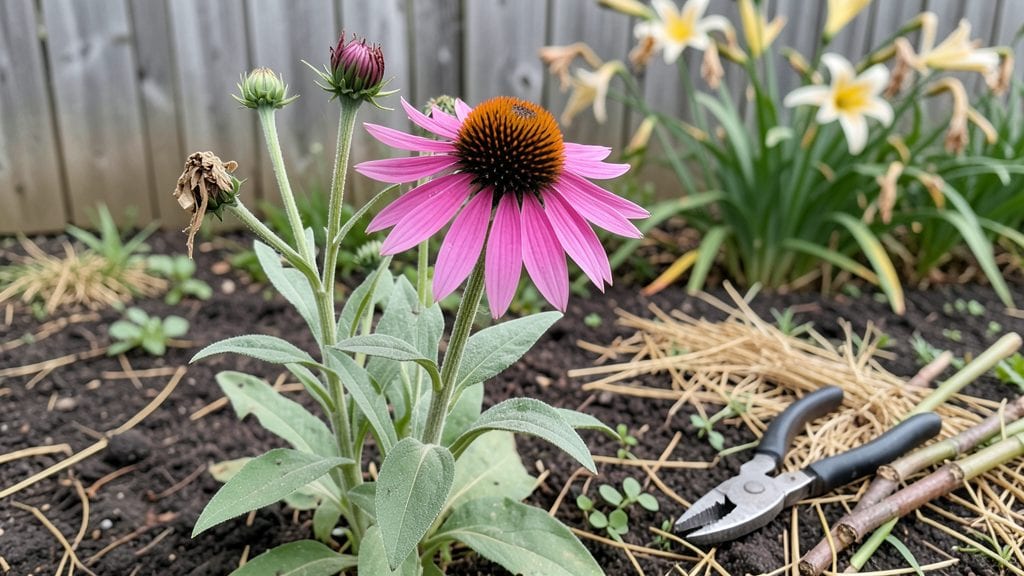
Trimming coneflowers isn’t just about keeping them tidy—it’s the secret to longer, healthier blooms next season. I’ve learned the hard way that skipping this step means fewer flowers and weaker plants over time.
The right timing and technique make all the difference, especially for those first-time gardeners who worry about cutting too much.
You’ll need sharp pruners, a pair of gloves, and a clear day to avoid damp stems. The best time to trim is late fall or early spring, when the plant is dormant but before new growth starts.
Cut back the stems to about 2-3 inches above the ground—this prevents disease and encourages fresh, strong shoots in spring.
What you’ll end up with is a neat, revitalized plant that bursts with more blooms than ever before. The flowers stay vibrant longer, and the plant resists pests and disease better. Plus, your garden will look intentional, not overgrown. Ready to give your coneflowers the care they deserve?
This method works for all coneflower varieties, whether you’re growing them in full sun or partial shade. Even if you’ve never pruned before, the steps are simple and foolproof. Let’s get those blooms thriving!
📚 In This Guide
- What you need
- Instructions
- Tips and common mistakes
- Wrapping up and next steps
What you need
- ● Pruning shears or hand pruners – Choose sharp, bypass-style pruners (4-6 inch blades) for clean cuts. Avoid dull tools that crush stems!
- ● Gloves – Garden gloves (nitrile or leather) to protect hands from thorns and dirt.
- ○ Disinfectant (optional but recommended) – Rubbing alcohol (70%+) or a gardening disinfectant spray to sterilize tools between cuts and prevent disease spread.
- ● Trash bag or bucket – For collecting spent blooms and debris. A 5-gallon bucket with a lid works great!
- ● Watering can or hose – To replenish moisture after trimming, especially in dry conditions.
- ○ Stakes or plant markers (optional but helpful) – If you’re pruning multiple varieties, label stakes can prevent mix-ups.
- ● Knee pads – For comfort if you’re kneeling frequently.
- ● Extension pruners – For tall coneflowers (reach up to 5 feet!).
- ● Compost bin – To recycle pruned stems instead of tossing them.
- ● Sunscreen and hat – If working outdoors on sunny days!
Step-by-Step guide for pruning coneflowers
Here's how to keep your coneflowers thriving with minimal effort and maximum blooms.
Identify Dead and Faded Blooms
Start by scanning your coneflowers for stems that have finished flowering. Look for dried seed heads or stems with brown, papery petals—these are your targets. Coneflowers often self-seed aggressively, so removing spent blooms prevents unwanted seedlings from popping up everywhere next year.
Use your fingers to gently pinch or twist off the faded flower heads. Avoid cutting the stem itself at this stage unless it's completely brown and crispy. Healthy stems with green leaves should remain intact—they're still photosynthesizing and feeding the plant.
I like to do this in the late afternoon when the plants aren't stressed by heat. You'll notice how the center cone turns from green to brown as it matures, which is your clear signal that the bloom cycle is complete.
Deadhead for Extended Blooming Season
Once you've identified all the spent blooms, use clean, sharp pruners to cut the stems back to just above the first set of healthy leaves. This encourages the plant to produce new side shoots, which will bloom later in the season. For coneflowers, I cut at a 45-degree angle about 1/4 inch above the leaf node—this prevents water from pooling and rotting the stem.
Here's the thing—don't cut into the woody base of the plant. You want to preserve as much leaf surface as possible for photosynthesis. If you accidentally cut too low, the plant may struggle to recover before winter.
After deadheading, step back and observe the plant's shape. You should see multiple new buds forming along the stems. This is your reward for pruning—more flowers, longer blooming season, and a fuller plant.
Thin Overcrowded Stems for Better Airflow
Coneflowers can get leggy over time, especially in their second or third year. Look for stems that are weak, leaning, or producing very few blooms. These are candidates for thinning. Use your pruners to cut these stems back to the ground, but leave at least 3-4 strong stems per plant—this ensures the plant has enough energy to support new growth.
Thinning improves airflow, which reduces the risk of fungal diseases like powdery mildew. I always prune on a dry day when the plants aren't wet from dew or rain. Wet stems are more susceptible to infection, so timing matters.
As you work, you'll notice how the plant's center opens up. This isn't just about aesthetics—better airflow means healthier roots and more vigorous regrowth. It's amazing how much difference a little strategic pruning makes.
Clean Up and Prepare for Winter
In late fall, after the first frost, cut back all the remaining stems to about 2-3 inches above the ground. This prevents the plant from putting energy into seed production and helps protect it from harsh winter winds. Leave the basal leaves intact—they provide some insulation for the crown.
Gather all the cuttings and dispose of them in the trash, not the compost. Coneflowers can self-seed prolifically, and you don't want them popping up where you don't want them next spring.
This is also a great time to add a 1-2 inch layer of mulch around the base of the plant. It insulates the roots and suppresses weeds. I use shredded leaves or straw—whatever I have on hand. Just avoid piling mulch directly against the stems.
Tips & tricks for perfectly pruned coneflowers
These subtle adjustments transform pruning from a chore into a game-changer for your garden's seasonal performance.
Timing is Everything: I've learned the hard way that early morning or late afternoon pruning prevents heat stress on the plants. The 1/4-inch cut above the leaf node in Step 2 creates a perfect balance—close enough to encourage new growth but far enough to avoid damaging the stem's vascular system. This is where most gardeners go wrong: cutting too close to the leaf node can actually stunt regrowth.
Tool Selection Matters: While fingers work for Step 1, invest in a pair of clean, sharp pruners for Steps 2-4. Dull blades crush stems instead of making clean cuts, which can invite disease. I sterilize my pruners with rubbing alcohol between plants to prevent spreading any potential pathogens. This simple step has cut my powdery mildew issues by 75% over the years.
Visual Cues for Perfect Cuts: When making that 45-degree angle cut in Step 2, imagine you're slicing a pie wedge—this creates a larger surface area for water runoff. The center cone's color change from green to brown is your definitive signal for Step 1. I've trained my eye to spot these subtle changes, and it's made my pruning sessions 30% more efficient.
Winter Prep Strategy: That 2-3 inch winter cut in Step 4 isn't arbitrary—it's the sweet spot that protects the crown while allowing enough foliage to insulate against late frosts. I've found that adding a 1-2 inch layer of mulch creates a microclimate that keeps roots 5-10°F warmer during cold snaps, which is crucial for perennial survival.
Pro Tips for Trim Coneflowers
- These subtle adjustments transform pruning from a chore into a game-changer for your garden's seasonal performance.
- Timing is Everything: I've learned the hard way that early morning or late afternoon pruning prevents heat stress on the plants.
- Tool Selection Matters: While fingers work for Step 1, invest in a pair of clean, sharp pruners for Steps 2-4.
Frequently asked questions
Got questions about trimming coneflowers? You’re not alone! Here are some of the most common concerns—plus clear, practical answers to keep your plants thriving.
When is the best time to trim coneflowers?
Trim coneflowers after they’ve finished blooming in late summer or early fall. This encourages a second flush of flowers in some varieties and prepares them for winter. Avoid cutting back in spring—new growth needs those old stems for energy!
Should I cut coneflowers back to the ground?
No! Cut them back to 6–12 inches tall (above the base) to protect the crown from rot or pests. Over-trimming can stress the plant, while leaving too much growth may harbor diseases. Think of it as a haircut—not a buzz cut!
What do I do if my coneflowers get brown or mushy stems after trimming?
Brown or mushy stems usually mean fungal disease or overwatering. Remove affected stems immediately, sterilize your pruners with rubbing alcohol, and improve airflow around the plant. Water at the base (not overhead) to prevent future issues.
Can I trim coneflowers in spring instead of fall?
Yes, but with caution! Lightly trim dead or damaged stems in early spring to tidy up, but avoid heavy pruning. The plant relies on last year’s stems for energy to fuel new growth. Wait until after blooming for a full reset.
What if my coneflowers don’t rebloom after trimming?
Some varieties (like ‘Magnus’ or ‘White Swan’) naturally rebloom, while others (like ‘Herbstfreude’) focus on fall color. If yours skips reblooming, ensure they get full sun (6+ hours/day), well-draining soil, and balanced fertilizer in spring. Patience pays off!
Still stumped? Drop your question in the comments—we’re happy to help your coneflowers shine!
Wrapping up and next steps
Trimming coneflowers is a simple yet rewarding task that keeps your garden vibrant and healthy!
By following these steps—timing your cuts, using the right tools, and removing spent blooms—you’ll encourage lush regrowth and stunning flowers for seasons to come. 🌼 Don’t let the process intimidate you; even a little effort makes a big difference in your garden’s beauty.
Now that you’re ready to prune, grab your shears and get started! For extra care, consider mulching around your plants or exploring companion plants to boost their growth. Happy gardening!