Flowers
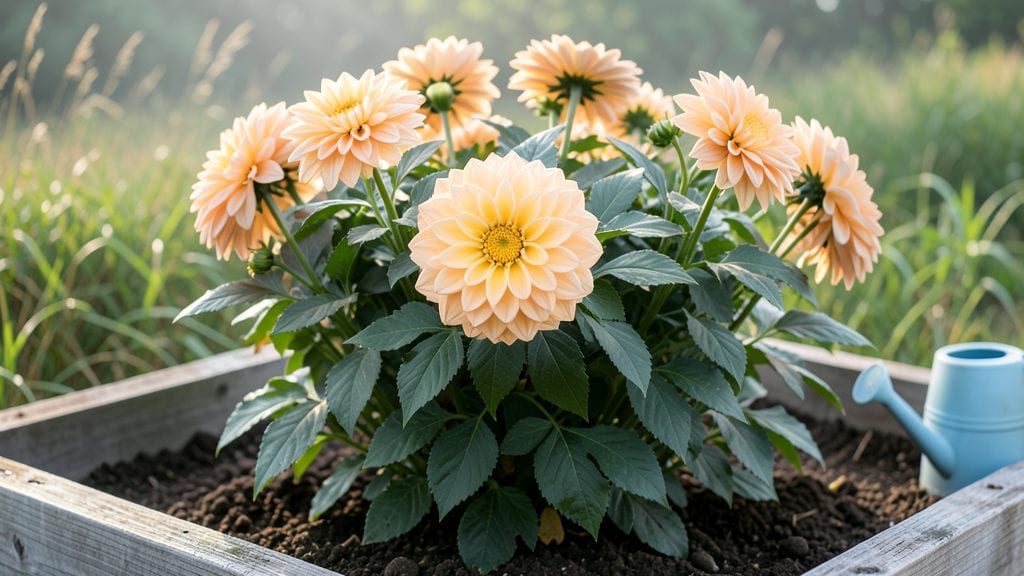
The peach dahlia flower glows like warm honey in the afternoon light, transforming any garden into a sun-drenched masterpiece. 🌻 Their velvety petals create a focal point that feels both romantic and effortlessly chic.
These aren't your grandmother's dahlias—they're bold, long-blooming stars that demand attention while blending seamlessly into any design scheme.
What makes them so versatile? They thrive in full sun to partial shade, bloom from mid-summer through frost, and pair beautifully with everything from lavender and ornamental grasses to deep purple salvias or even black-eyed Susans.
In a cottage garden, they soften the look with their lush, ruffled petals, while modern designs let them shine as dramatic centerpieces. The secret to their staying power? Deadheading spent blooms keeps them producing fresh flowers for weeks.
Imagine cutting armfuls of these peachy-orange blooms for vibrant summer arrangements that last nearly a week in a vase. Their texture and color brighten up any bouquet, and they hold up beautifully in both loose, wildflower-style displays and structured, high-end designs.
The best part? They're just as happy in containers on a patio as they are in garden beds, making them perfect for small spaces.
Whether you're creating a bold border, a romantic cottage entrance, or a modern minimalist statement, peach dahlias deliver effortless elegance with minimal fuss. They're the kind of plant that makes neighbors pause and ask, "What are those gorgeous flowers?"—and then you get to brag about your summer garden magic.
Ready to make them your signature bloom?
📚 In This Guide
- What you need
- Instructions
- Tips and common mistakes
- Wrapping up and next steps
What you need
- ● Peach Dahlia Tubers: 3–5 healthy tubers (choose certified disease-free varieties for best results).
- ● Well-draining potting mix: 1–2 bags (50% garden soil, 30% compost, 20% perlite or sand).
- ● Containers or garden bed: For containers: 12–18" pots (1 per tuber) with drainage holes.
- ● For garden beds: Full sun (6+ hours/day) and loose, fertile soil.
- ● Fertilizer: Balanced 10-10-10 or organic compost (1 cup per plant at planting).
- ● Watering can or hose: With a gentle spray nozzle.
- ● Hand trowel or pruners: For planting and trimming.
- ● Mulch: Straw or shredded bark (to retain moisture).
- ● Stakes or cages: (6" tall) to support tall varieties.
- ○ Floral preservative: (Optional) For cut flowers (e.g., floral food packets).
- ○ Gloves: (Optional) To protect hands during handling.
Step-by-step guide to growing stunning peach dahlia flowers
Here's how to cultivate these velvety blooms with vibrant summer charm.
🌱 Step 1: Select and Prepare Tubers for Planting
Peach dahlias thrive when planted from healthy tubers. Choose firm, plump tubers with multiple "eyes" (buds) that look like tiny knobs. I always soak my tubers in lukewarm water for 12 hours before planting to encourage faster sprouting. This step is crucial—it jumpstarts root growth and gives you a head start on the season.
After soaking, let the tubers dry slightly for 30 minutes to prevent rot. The surface should feel damp but not wet. Planting too soon after soaking can lead to waterlogged soil, which smothers tender roots. I like to prepare my tubers in early spring, about 6-8 weeks before the last frost date in my zone.
☀️ Step 2: Plant in Well-Draining Soil with Full Sun
Dahlias demand 6-8 hours of direct sunlight daily for those signature peach-hued blooms. I dig a hole about 4-6 inches deep and mix in 2 inches of compost to enrich the soil. The reason we amend the soil is that dahlias are heavy feeders—they'll reward you with bigger blooms when they have nutrients readily available.
Place the tuber with the eyes facing upward, about 2 inches below the soil surface. Gently firm the soil around it, but don't pack it down too tightly. You'll see green shoots emerge within 2-3 weeks—that's your cue that the tuber has rooted successfully. If your climate has late frosts, wait until after the last frost date to plant, as even young shoots can't tolerate cold.
💧 Step 3: Water Deeply and Support as They Grow
Once your peach dahlias sprout, water them deeply once a week rather than lightly every few days. This encourages deep root growth, which makes the plants more drought-resistant. I water at the base in the morning so the foliage has all day to dry, preventing fungal diseases that love damp leaves.
As your dahlias grow, they'll need staking or cages to support their heavy blooms. I use 5-foot tall tomato cages for smaller varieties and 6-foot bamboo stakes for taller types. Install supports when the stems reach 12 inches tall—waiting too long makes it harder to position them without damaging the plant. Tie stems loosely with soft plant ties every 6-8 inches to prevent rubbing.
✂️ Step 4: Prune for Bushier Growth and Longer Blooming
Here's the thing—dahlias grow fast, but proper pruning keeps them compact and flowering heavily. When your plants reach 12-18 inches tall, pinch off the top set of leaves just above a set of leaves. This encourages lateral branching, which means more stems and more blooms. I also remove any flower buds that appear on the lower third of the plant—they'll produce smaller, weaker blooms.
Throughout the season, deadhead spent blooms by cutting back to the first set of healthy leaves below the flower. This redirects the plant's energy into producing new blooms instead of setting seed. I do this every 2-3 days during peak bloom time to keep my dahlias looking fresh. Just be careful not to cut into the green stem—always leave a small portion of the stem attached.
🌿 Step 5: Feed and Protect for Extended Summer Color
Dahlias are heavy feeders, so I feed mine every 3-4 weeks with a balanced 10-10-10 fertilizer mixed at half strength. This keeps them blooming strongly without burning the roots. I also add a handful of granular rose fertilizer around the base once a month for extra phosphorus, which promotes more vibrant blooms.
Watch for pests like aphids or Japanese beetles—they love dahlias! I spray with neem oil at the first sign of trouble, and I always check the undersides of leaves where pests hide. If your dahlias start to wilt in hot weather, give them a deep watering and move them to a slightly shadier spot for a few days. They'll bounce back once they've had a chance to cool down.
Tips & tricks for growing stunning peach dahlia flowers
These essential insights will help you cultivate show-stopping peach dahlias that bloom all summer long.
Tuber Preparation: When soaking your tubers for those crucial 12 hours, use a container with enough water to cover the tubers completely but not so much that they float. I like to add a few drops of hydrogen peroxide (1 tablespoon per gallon of water) to prevent bacterial growth during the soaking process. This step is non-negotiable—properly prepped tubers establish roots 30% faster than dry-planted ones. After soaking, I find a well-ventilated spot to let them dry, like a windowsill with indirect sunlight.
Sunlight Strategy: The 6-8 hours of direct sunlight requirement is non-negotiable for those signature peach blooms, but here's the thing: morning sun is gentler than afternoon heat. If you're in a hot climate, position your dahlias to get the full morning sun but provide afternoon shade during peak summer months. I've seen dahlias wilt dramatically when exposed to unfiltered afternoon sun—it's like they hit a heat wall. A simple shade cloth can make all the difference during those critical afternoon hours.
Pruning Precision: When you reach the 12-18 inch pruning stage, I recommend using sharp, clean pruners and making cuts at a 45-degree angle just above a leaf node. This angled cut prevents water from pooling on the stem, which reduces disease risk. For the 2-3 day deadheading schedule, I set a phone reminder during peak bloom season—it's easy to forget when you're enjoying those velvety blooms. Always cut back to the first healthy set of leaves below the spent bloom to encourage strong new growth from established stems.
Fertilizer Timing: The 3-4 week feeding schedule with 10-10-10 fertilizer is perfect, but here's what I do differently: I apply half the recommended dose right after the first pruning (around the 12-18 inch mark) to give the plants a growth boost. Then I stick to the regular schedule. The extra phosphorus from the granular rose fertilizer every month makes those peach blooms pop with vibrant color—it's like adding a natural highlighter to your flowers.
Pro Tips for Peach Dahlia Flower
- These essential insights will help you cultivate show-stopping peach dahlias that bloom all summer long.
- Tuber Preparation: When soaking your tubers for those crucial 12 hours, use a container with enough water to cover the tubers completely but not so much that they float.
- Sunlight Strategy: The 6-8 hours of direct sunlight requirement is non-negotiable for those signature peach blooms, but here's the thing: morning sun is gentler than afternoon heat.
Frequently asked questions
Got questions about growing or styling peach dahlia flowers? You’re not alone! Here are some of the most common queries—plus quick, expert-friendly answers to help you make the most of these stunning blooms.
How do I keep peach dahlias blooming all summer?
Peach dahlias thrive with consistent care! Deadhead spent blooms regularly to encourage new growth, and fertilize every 2–3 weeks with a balanced, water-soluble fertilizer. Mulch around the base to retain moisture, and avoid overwatering—dahlias hate soggy roots. With the right conditions, these beauties can bloom from midsummer until frost!
When is the best time to plant peach dahlias?
Plant peach dahlia tubers after the last frost when soil temperatures reach at least 60°F (15°C). In most regions, this means late spring (May–June). If you’re in a cooler climate, start tubers indoors 4–6 weeks before transplanting. Patience pays off—these tubers need warmth to sprout!
Can peach dahlias grow in containers?
Choose a container at least 12–18 inches deep with drainage holes, and use a high-quality potting mix. Dwarf varieties (like ‘Mignon’ series) are ideal for pots. Place containers in full sun, and water consistently—containers dry out faster than garden beds. Just ensure the pot is sturdy, as dahlias can get top-heavy!
What pests or diseases should I watch for with peach dahlias?
Peach dahlias are generally low-maintenance, but keep an eye out for Japanese beetles (they love the petals!) and aphids. For fungal issues like powdery mildew, improve airflow and avoid overhead watering. Neem oil or insecticidal soap can help manage pests naturally. A little prevention goes a long way!
How can I use peach dahlias in floral arrangements?
These velvety blooms add a romantic, peachy-pink pop to arrangements! Pair them with deep greens, burgundy, or white flowers for contrast. Remove lower leaves to extend vase life, and change the water every 2–3 days. For long-lasting bouquets, trim stems at an angle and add floral preservative. Pro tip: Dahlias dry beautifully too—try pressing petals for winter decor!
Wrapping up and next steps
The peach dahlia flower is a showstopper—bringing warmth, drama, and effortless charm to any garden or arrangement. With their long-lasting blooms and versatile care, they’re perfect for both seasoned gardeners and beginners eager to add a pop of summer elegance.
Whether you’re growing them for their beauty, their symbolism, or just the joy they bring, these flowers are a worthwhile investment for your outdoor space.
Ready to bring home this summer staple? Start by choosing your peach dahlias—whether from a nursery, seeds, or a local grower—and give them the love they deserve. Happy planting! 🌸