
Pruning
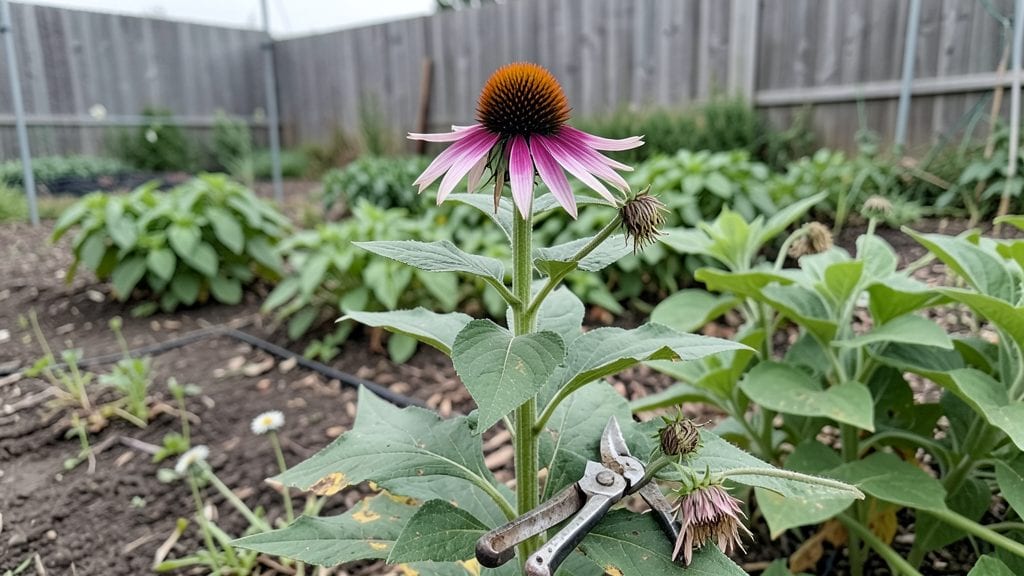
Pruning coneflowers isn’t just about cutting back—it’s about unlocking next year’s showstopping blooms while keeping your plants healthy. I’ve learned that skipping this step means fewer flowers and weaker stems, but doing it right transforms your garden from "meh" to "wow" by late summer.
The key is timing: late winter or early spring, when the plant’s dormant but ready to rebound.
You only need three things: sharp pruners, gloves (those thorns don’t play nice), and a clear plan. Cut back the old stems to about 6 inches tall—no need to go shorter, or you’ll stress the plant.
If you’re pruning after flowering, snip spent blooms down to the first set of healthy leaves. The goal? Encourage new growth without overdoing it, because coneflowers are tough but not invincible.
What you’ll end up with is a bushier plant packed with bold purple blooms that last from midsummer straight through fall. The stems stay sturdy, the roots strengthen, and you’ll notice fewer floppy, leggy plants crowding your garden.
Plus, it’s a 10-minute job that pays off for months—way better than struggling with overgrown, floppy stems.
This method works for all coneflower varieties, whether you’re growing the classic Echinacea purpurea or the newer double-flowered types. The only rule? Don’t prune in fall—wait until spring, or you risk cutting off next year’s buds before they form. Now grab those shears and let’s get to work!
📚 In This Guide
- What you need
- Instructions
- Tips and common mistakes
- Wrapping up and next steps
What you need
- ● Bypass pruners – Sharp, clean bypass pruners (not anvil pruners) for clean cuts. Choose ergonomic handles for comfort during extended pruning.
- ● Garden shears or loppers – For thicker stems (½ inch or larger). Opt for bypass-style loppers with a 4- to 6-inch blade for precision.
- ● Gloves – Heavy-duty gardening gloves (e.g., mechanics’ or leather gloves) to protect against thorns and rough stems.
- ○ Disinfectant (optional but recommended) – Rubbing alcohol (70% isopropyl) or a 10% bleach solution to sterilize tools between cuts and prevent disease spread.
- ● Garden twine or ties – Jute twine or Velcro plant ties (if staking is needed post-pruning).
- ● Compost bin or bag – A large trash bag or wheelbarrow to collect pruned stems and debris.
- ● Dry weather – Prune on a dry, sunny day (avoid wet conditions to prevent fungal issues).
- ● Timing – Choose the right season (early spring, late summer, or early winter) based on your goals.
- ● Water access – Have a hose or watering can nearby to hydrate plants post-pruning if needed.
- ○ Safety gear (optional) – Sunglasses and sunscreen for outdoor comfort, especially during peak sun hours.
Step-by-Step guide for pruning coneflowers
Here's the simple routine I use to keep my coneflowers flowering abundantly year after year.
First Cut After Blooming Season
Wait until the first hard frost has blackened the foliage completely—this signals the plant's natural dormancy period. Using clean, sharp pruners, cut back the entire plant to about 2-3 inches above the ground. This removes dead foliage and redirects the plant's energy toward root development for next year.
I always wear gloves for this step because coneflower stems can be prickly. The key is to be decisive—hesitating leads to uneven cuts that leave weak stems. After cutting, remove all plant debris from the area to prevent fungal diseases from overwintering.
Mid-Season Deadheading for Continuous Blooms
As flowers fade but before they form seed heads, snip off spent blooms with clean pruners. Cut just above the next set of healthy leaves or buds. This encourages the plant to produce more flowers instead of focusing energy on seed production. I do this every 10-14 days throughout the blooming season, which typically runs from midsummer until fall.
Watch for the center cone turning brown while the surrounding petals still look fresh—that's your cue to deadhead. The goal is to remove only the dead flowers, not the entire stem. This keeps the plant looking tidy while maximizing bloom production.
Light Spring Cleanup Before New Growth
In early spring, before any new shoots emerge, do a final inspection of your coneflowers. Remove any remaining dead stems or debris from last season. This prevents pests and diseases from taking hold in the old growth. Use your fingers to gently pull out any weak or damaged stems rather than cutting them.
Once you see the first signs of new growth—typically bright green shoots emerging from the base—stop pruning. These new shoots are fragile and will develop into next year's flowering stems. Water lightly after this cleanup to help the plant recover and establish new roots.
Bonus: Optional Summer Trimming for Shape
If your coneflowers start looking leggy or overly bushy during the growing season, you can do a light shaping trim. Simply cut back the longest stems by about one-third to encourage bushier growth. Do this on a warm, sunny day when the plant is actively growing for best results.
This step is completely optional but helps maintain a neat appearance and prevents the plant from becoming too top-heavy. Just avoid cutting into the center growth point where new buds form—this is where next year's flowers will develop.
Tips & tricks for perfect coneflower pruning
Let me share the insights I’ve gathered after years of keeping my coneflowers thriving—these little tricks make all the difference.
Timing is Everything: In Step 1, don’t rush the first cut after frost—wait until the foliage is completely blackened. This ensures the plant has fully entered dormancy and won’t waste energy trying to regrow. I’ve learned the hard way that cutting too early can stress the plant before it’s ready for winter. Also, mark your calendar for the 10-14 day deadheading schedule in Step 2—this keeps blooms coming reliably throughout summer.
Tool Selection Matters: Never use dull pruners for Step 2’s deadheading. A sharp pair makes clean cuts that heal faster and look tidier. I keep a small pair dedicated just to my coneflowers, and I sharpen them every few uses. For the first cut in Step 1, I recommend using pruners with a bypass blade—they make cleaner cuts than anvil pruners, which can crush stems.
Visual Cues for Perfect Cuts: When deadheading in Step 2, look for the center cone turning brown while the petals remain fresh—that’s your exact moment to act. I’ve found that cutting just above a set of healthy leaves or buds (about ¼ inch above) gives the plant the best chance to produce new blooms. This small detail makes a huge difference in how many flowers you’ll get throughout the season.
Seasonal Maintenance Strategy: In Step 3, when doing your spring cleanup, I recommend using your fingers to pull out weak stems rather than cutting them. This gives you better control and prevents accidental cuts to the new growth. After removing debris, I always give the area a light watering—this helps the plant recover from winter and establishes new roots more quickly.
Pro Tips for Prune Coneflowers
- Let me share the insights I’ve gathered after years of keeping my coneflowers thriving—these little tricks make all the difference.
- Timing is Everything: In Step 1, don’t rush the first cut after frost—wait until the foliage is completely blackened.
- Tool Selection Matters: Never use dull pruners for Step 2’s deadheading.
Frequently asked questions
Got questions about pruning coneflowers? You’re not alone! Here are answers to the most common concerns—so you can prune with confidence and keep your plants thriving.
When is the best time to prune coneflowers?
Prune coneflowers in three key times:
- Early spring (before new growth emerges) to remove dead foliage.
- Mid-summer (after blooms fade) to cut back spent stems and encourage more flowers.
- Late fall or winter (after the first frost) to tidy up debris and prevent disease.
Do I need to sterilize my pruners between cuts?
Yes! Sterilizing your pruners with rubbing alcohol or a 10% bleach solution (1 part bleach to 9 parts water) between cuts prevents spreading fungal/bacterial diseases like powdery mildew. Wipe blades clean with a paper towel or cloth afterward.
What if I prune too late in the season?
Pruning after early fall (especially in cold climates) can leave stems vulnerable to frost damage. If you must prune late, wait until after the first hard freeze and remove only dead or diseased growth. New growth won’t survive winter anyway!
Can I prune coneflowers for bushier growth?
To encourage a fuller, bushier plant, pinch back the tips of young stems in early spring (when they’re 6–8 inches tall). This prompts branching. For established plants, a hard prune in early spring (cutting back ⅓ of the plant) also stimulates thicker growth.
What if my coneflowers don’t rebloom after pruning?
Check these fixes:
- Deadhead spent blooms regularly to redirect energy to new flowers.
- Ensure they get 6+ hours of sunlight—shady spots reduce blooming.
- Fertilize lightly with low-nitrogen, high-phosphorus fertilizer (like 5-10-5) in spring.
- Rule out pests (like Japanese beetles) or disease (like rust).
Wrapping up and next steps
Pruning coneflowers isn’t just about tidying up—it’s your secret weapon for longer blooms, healthier plants, and stunning seasonal displays! 🌸 By mastering the early spring cleanup, mid-summer deadheading, and late fall reset, you’ll keep your coneflowers thriving year after year.
The best part? Every snip brings you closer to that showstopping garden centerpiece you dream of.
Ready to level up your gardening game? Grab your pruners, roll up your sleeves, and give your coneflowers the care they deserve. Next, explore our bonus tips for pest control, soil prep, and seasonal planting pairings to make your garden unforgettable!