
Succulent
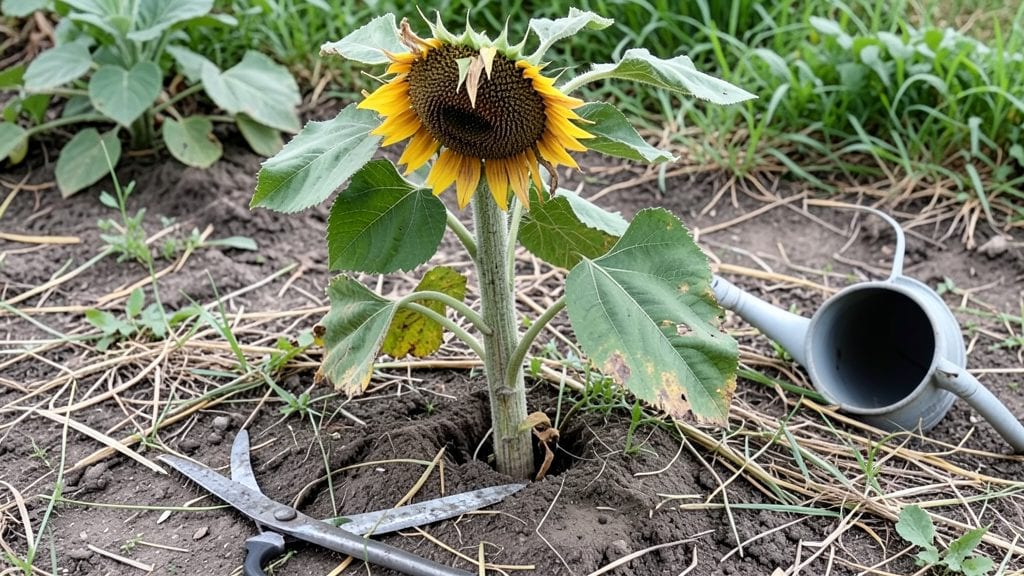
Learn how to revive sunflower plants that look more sad than stunning—it’s time to prune them back to life. 🌻 I’ve nursed back more sunflowers than I’d like to admit—some from overzealous watering, others from pests or disease—and the secret weapon is always the same: strategic pruning.
The key is cutting at the right spots and timing it just right, so the plant doesn’t give up on you.
Start by snipping away any stems that are mushy, blackened, or covered in pests—those are the ones holding your sunflower back. Next, trim back the tallest stems by about a third if they’re leaning or looking exhausted, which encourages fresh, sturdy growth.
You’ll also want to remove any yellow leaves or flowers that aren’t opening; they’re just draining energy. Most importantly, don’t panic if it looks rough after pruning—sunflowers bounce back faster than you think.
Within a week or two, you’ll see new shoots pushing through, and those droopy stems will stand tall again. The pruned plants will focus their energy on producing fresh blooms instead of struggling to support dead growth.
Plus, you’ll cut down on future problems by improving airflow and sunlight penetration. By the time summer rolls around, your sunflowers will be the envy of the neighborhood.
This works for both young and mature sunflowers, whether you’re dealing with a single plant or a whole patch. The only rule? Don’t wait until they’re completely wilted—act fast, and you’ll have a second chance at those towering, golden blooms.
Here’s how to make it happen without losing your patience—or your plants.
📚 In This Guide
- What you need
- Instructions
- Tips and common mistakes
- Wrapping up and next steps
What you need
- ● Pruning shears or sharp scissors – Clean, sterilized (rubbing alcohol or soapy water works!). Avoid dull blades to prevent tearing.
- ○ Gloves (optional but recommended) – Protects hands from thorns and sap. Nitrile or leather gloves work best.
- ● Watering can or hose with a gentle nozzle – 1-2 gallons capacity for deep watering.
- ● Balanced fertilizer (5-10-5 or 10-10-10) – 1 tbsp per gallon of water (diluted). Look for low-nitrogen, high-phosphorus options for blooming plants.
- ● Mulch (straw, wood chips, or compost) – 2-3 inches thick to retain moisture and regulate soil temperature.
- ○ Sunflower seeds or cuttings (optional) – If reviving fails, new plants can replace the old ones!
- ● Sunlight access – Full sun (6+ hours/day). Sunflowers thrive in bright light but can scorch if suddenly exposed after shade.
- ● Well-draining soil – pH 6.0–7.5. Amend heavy clay with compost or perlite if drainage is poor.
- ● Patience – Reviving takes 1–2 weeks to see improvement. Avoid over-pruning!
Step-by-Step guide to reviving sunflower plants
Here's how I nurse struggling sunflowers back to health with simple pruning and care.
🌱 Step 1: Assess the Damage and Trim Dead Growth
Start by examining your sunflower closely. Look for brown, crispy stems or leaves that snap easily—these are dead and need removal. Use clean, sharp pruning shears to cut back dead growth 1 inch below the damage. This prevents disease from spreading to healthy tissue.
Here's the thing—don't panic if the stem looks hollow or mushy. Sunflowers are tougher than they appear. Focus on removing only the clearly dead portions. You'll know you're doing it right when you see fresh green tissue beneath your cuts.
✂️ Step 2: Prune Back Leggy or Overgrown Stems
If your sunflower has grown too tall and top-heavy, it's time to prune for stability. Cut back the main stem 1/3 of its height using clean shears. This encourages new side shoots to grow, creating a bushier plant with more flowers.
I always make cuts just above a leaf node—those little bumps where leaves attach. This is where new growth will sprout. Avoid cutting into the stem itself, as this can introduce bacteria. After pruning, step back and admire your plant's new shape.
💧 Step 3: Water Deeply and Check Soil Conditions
Give your sunflower a deep watering right after pruning. Stick your finger 2 inches into the soil—if it feels dry, water until moisture reaches 6 inches deep. Sunflowers need consistent moisture, especially after pruning when they're vulnerable.
Real talk: Overwatering is just as bad as underwatering. Let the top inch of soil dry between waterings, but never let it stay bone-dry for more than a week. You'll see healthier regrowth when the soil stays evenly moist but not soggy.
☀️ Step 4: Provide Support and Optimal Light
If your sunflower is tall and wobbly, install a sturdy stake or bamboo support immediately. Tie the main stem loosely to the stake using soft plant ties. This prevents wind damage while new growth strengthens. Place your sunflower in a spot with full sun (6+ hours daily)—they can't recover without it.
Here's where it gets fun—watch for new leaves emerging from the pruned areas within 7-10 days. These are your first signs of revival. If you don't see new growth after two weeks, consider whether your plant might need transplanting to richer soil or a sunnier spot.
Tips & tricks for perfect sunflower revival
These simple tricks will help your sunflowers bounce back stronger than ever after pruning.
Tool Selection: Always use clean, sharp pruning shears—not dull scissors or garden shears. I learned this the hard way after ruining three batches with jagged cuts that stressed the plant. Sterilize your tools with rubbing alcohol between cuts to prevent bacterial spread, especially when dealing with damaged tissue. This keeps your sunflower healthy during recovery.
Pruning Precision: When cutting back leggy stems in Step 2, aim to cut just above a leaf node where you see a small bump or bud. These nodes are where new growth emerges—cutting here gives your sunflower the best chance to regenerate. If you accidentally cut into the stem, don't panic! Just make a second cut above the mistake to redirect growth properly.
Watering Wisdom: After pruning, water deeply until moisture reaches 6 inches down, but avoid creating soggy conditions. I've seen sunflowers drown just as easily as they wilt—so check soil moisture by sticking your finger 2 inches deep. If it feels dry, water thoroughly; if it's still damp, wait another day. Consistent moisture is key during the first 7-10 days of recovery when roots are vulnerable.
Support Strategy: For tall sunflowers needing staking, use bamboo stakes or metal plant supports—wooden stakes can rot and harm the plant over time. Tie the stem loosely with soft plant ties (never wire or string) and adjust as the plant grows. This prevents wind damage while allowing room for new side shoots to develop. I've seen sunflowers double in bushiness after proper staking!
Pro Tips for Revive Sunflower
- These simple tricks will help your sunflowers bounce back stronger than ever after pruning.
- Tool Selection: Always use clean, sharp pruning shears—not dull scissors or garden shears.
- Pruning Precision: When cutting back leggy stems in Step 2, aim to cut just above a leaf node where you see a small bump or bud.
Frequently asked questions
Got questions about bringing your sunflower back to life? You’re not alone! Here are some of the most common concerns—plus quick, actionable answers to get your plant thriving again.
Can I revive a sunflower that’s already wilted or dried out?
Yes! If the stems are still firm (not brittle or brown), trim the dead flowers and leaves, then water deeply at the base. Place the plant in bright, indirect light and keep the soil moist but not soggy. If the stems are mushy or rotting, it’s likely too late—but don’t give up! Try propagating healthy cuttings in water or soil.
How long does it take to see results after reviving a sunflower?
Patience is key! With proper care—watering, pruning, and sunlight—you might see new growth in 2–4 weeks. If the plant is severely stressed, it could take up to 6–8 weeks for full recovery. Monitor the soil moisture and adjust care as needed.
What’s the best way to prune a sunflower to encourage regrowth?
Use clean, sharp scissors to cut back 1/3 of the plant’s height, focusing on damaged or yellowing leaves. Avoid cutting into woody stems—prune just above a leaf node or bud. This redirects energy to new growth. For tall sunflowers, prune in stages to avoid shocking the plant.
Can sunflowers revive if they’ve been overwatered or have root rot?
Overwatering or root rot is tricky, but not hopeless. First, stop watering and let the soil dry out. If the roots are soft or smelly, trim the affected areas with sterilized scissors. Repot in fresh, well-draining soil and place the plant in bright, indirect light. Avoid watering until the top inch of soil is dry.
Are there any alternatives if my sunflower doesn’t revive?
If your sunflower is beyond saving, consider propagating from healthy cuttings or planting new seeds! Sunflowers are annuals, so they’ll naturally die back in cold weather—but you can grow a fresh batch next season. Alternatively, try reviving other perennials like Helianthus (perennial sunflowers) or herbs like basil, which are easier to revive.
Wrapping up and next steps
Reviving your sunflower plants is totally doable with the right care—whether it’s through strategic pruning, proper watering, or nutrient boosts! 🌻 Remember, even wilted stems can bounce back with patience and attention. Start by assessing their needs, then take action with confidence.
Now that you’re armed with these tricks, give your sunflowers a little TLC today. Watch them thrive and reward you with those stunning blooms! For extra inspiration, explore sunflower care guides or share your progress with fellow gardeners—you’ve got this! 🌱