
Companion Plants
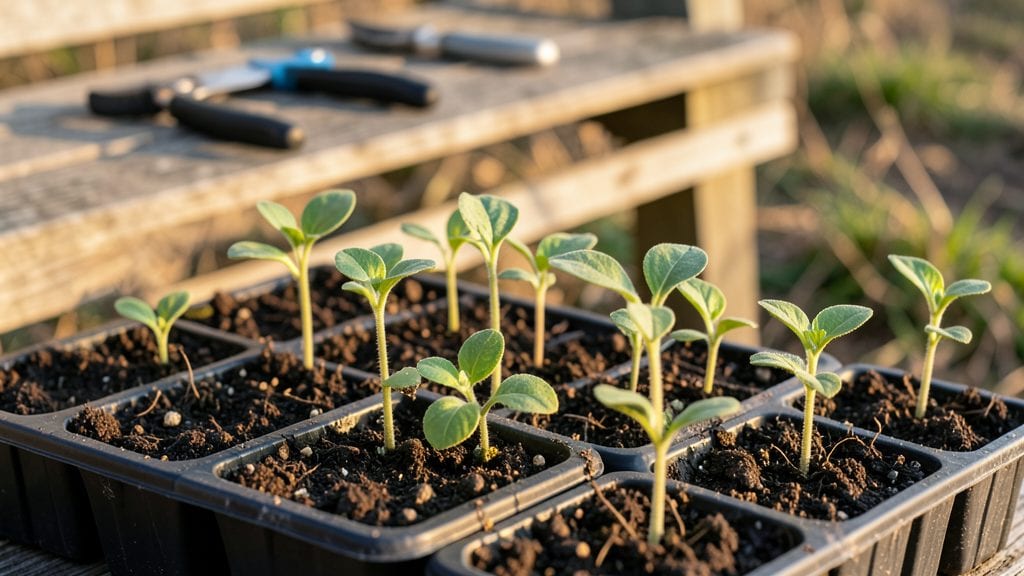
Growing tiny sunflower plants from seeds is the fastest way to turn a small balcony or windowsill into a buzzing pollinator paradise. 🌻 I’ve watched these cheerful little giants sprout in just 3-5 days, their first leaves unfurling like tiny yellow umbrellas.
The secret isn’t fancy soil or expensive setups—it’s knowing exactly when and how to plant them.
You’ll need 3-inch pots or a shallow tray, a mix of potting soil and perlite, and a sunny spot (at least 6 hours of light daily).
Sunflowers are forgiving: they tolerate poor soil, occasional drought, and even container life. My first batch thrived in a 5-gallon bucket on my fire escape—no garden required.
By week 3, you’ll have sturdy seedlings ready for transplanting, their faces turned toward the sun like curious children. These aren’t your grandma’s towering sunflowers—they stay compact (often under 2 feet tall), perfect for small spaces, and their bright blooms attract bees, butterflies, and hummingbirds all season.
Whether you’re growing in pots, raised beds, or even a hanging basket, the key is spacing them 6-12 inches apart and keeping soil moist (not soggy). Let’s get those seeds sprouting—your pollinator friends will thank you.
📚 In This Guide
- What you need
- Instructions
- Tips and common mistakes
- Wrapping up and next steps
What you need
- ● Sunflower Seeds: Choose compact varieties like ‘Teddy Bear’ or ‘Moulin Rouge’ (10–20 seeds for small pots or 50+ for a garden bed).
- ● Containers: Small pots (4–6 inches deep) for indoor starts (3–5 seeds per pot).
- ● Garden bed or large planter (1–2 feet wide) for direct sowing (seeds spaced 6–12 inches apart).
- ● Potting Mix: Lightweight, well-draining mix (e.g., 50% peat/coir + 50% perlite/sand). Avoid heavy garden soil.
- ● Watering Can: With a gentle spray nozzle (or a water bottle with a fine mist setting).
- ● Sunlight Access: A south-facing window (6+ hours/day) or a grow light for indoor starts.
- ○ Fertilizer (Optional but Helpful): Balanced liquid fertilizer (e.g., 10-10-10) or compost tea for a natural boost.
- ● Slow-release granules (e.g., osmocote) mixed into soil at planting.
- ● Basic Tools: Small trowel, tweezers (for handling seeds), and scissors (for trimming pots).
- ○ Support (Optional): Mini stakes or tomato cages (4–6 inches tall) for taller varieties.
- ● Mulch: Straw or shredded leaves to retain moisture and suppress weeds.
- ● Pollinator-Friendly Add-Ons: Nearby companion plants like basil, marigolds, or alyssum to attract bees and butterflies.
- ● Bird feeder or bee water station (shallow dish with pebbles) for extra wildlife appeal.
- ● 🌡️ Temperature: Keep soil 60–75°F for germination (use a seedling heat mat if needed).
- ● ✨ Transplanting: Harden off seedlings 3–5 days before moving outdoors (acclimate to sunlight gradually!).
- ● 🎯 Thinning: Snip (don’t pull!) extra seedlings to avoid crowding—one strong plant per pot thrives best.
Step-by-step instructions for growing dwarf sunflowers in limited space
Here’s how to coax cheerful, compact sunflowers into bloom—fast—even in tight spots.
🌱 Step 1: Select the Right Variety and Prep the Soil
Dwarf sunflowers like ‘Teddy Bear’ or ‘Moulin Rouge’ stay under 3 feet tall but still pack a pollinator punch. Choose a spot with at least 6 hours of sun daily—even partial shade slows growth. Loosen the top 6 inches of soil with a trowel, breaking up clumps so roots can spread easily.
Mix in 1 cup of compost per square foot of planting area to feed those hungry seedlings. If your soil drains poorly, add ½ inch of coarse sand to prevent waterlogging, which causes rot. Press the amended soil down lightly—just enough to create a firm base for the seeds.
🌱 Step 2: Plant Seeds at the Correct Depth and Spacing
Sunflower seeds are large, so plant them ½ inch deep and 6 inches apart for single-stemmed varieties. For bushier plants, sow 2 seeds per hole and thin to the strongest seedling later. Use your finger to make a small dimple, drop in the seed, then cover it with soil—no deeper, or germination slows. Water gently with a spray bottle to avoid displacing seeds.
Here’s the thing—sunflowers hate being transplanted, so direct-sow if possible. If you must start indoors, use biodegradable pots and transplant seedlings with the pot intact to minimize root shock. Keep the soil consistently moist (not soggy) until germination, which takes 7–14 days depending on warmth.
☀️ Step 3: Provide Support and Monitor Growth
Once seedlings reach 4 inches tall, thin to 1 plant per 12-inch diameter to give them room to shine. If you’re growing taller varieties, install stakes or cages early—sunflowers can get top-heavy. Water at the base (not overhead) to prevent mildew, and aim for 1 inch of water per week, more in extreme heat.
Watch for first true leaves (the second set after the initial cotyledons)—this signals robust growth. If stems stretch thin or leaves pale, your plants need more light. Move them closer to a sunny window or supplement with a grow light for 14–16 hours daily. Leggy seedlings won’t recover, so act fast.
✂️ Step 4: Deadhead and Extend the Bloom
When flowers fade, snip spent blooms just above the next set of leaves to encourage new buds. This keeps your sunflowers producing for weeks longer than unpruned plants. Avoid cutting into the stem—you’ll weaken the plant and stunt future growth. Wear gloves if you’re sensitive to sap, which can irritate skin.
Real talk: Dwarf sunflowers are low-maintenance, but bees and butterflies will swarm once they bloom. Place a shallow dish of water nearby to give pollinators a drink—your tiny sunflowers just became the neighborhood hotspot. Harvest seeds by late summer for next year’s garden or bird feeders.
Tips & tricks for perfect tiny sunflower plants
Growing these cheerful pollinator magnets doesn't have to be tricky—just strategic. Here's what I've learned to ensure your dwarf sunflowers thrive in tight spaces.
Variety Matters: While 'Teddy Bear' and 'Moulin Rouge' are excellent choices for small spaces, consider 'Little Becka' for extra compact growth (just 12-18 inches tall). These varieties all share the same care requirements but deliver different heights—perfect for containers or window boxes. The key is matching your space to the right variety, as even dwarf sunflowers need their growing room.
Soil Prep Shortcut: If amending your soil feels overwhelming, focus on just the planting area. Create a "planting pocket" by loosening only the soil where your seeds will go—about 6 inches deep and 12 inches wide. This targeted approach saves time while still giving roots room to establish. For containers, mix your compost directly into the potting soil at a 1:3 ratio before planting.
Germination Hack: The 7–14 day germination window can feel like an eternity, but you can speed things up. After planting, cover the area with a clear plastic dome or even a plastic bag (secured loosely) to create a mini greenhouse effect. This maintains consistent moisture and warmth, often bringing those first sprouts in just 5–7 days. Just remember to remove the cover once you see green!
Lighting Troubleshooting: When your seedlings reach 4 inches tall and you notice pale leaves or leggy growth, it's a clear sign they need more light. Move them immediately to the brightest spot available—even a south-facing window will work. If natural light is limited, supplement with a grow light placed just 6 inches above the plants for 14–16 hours daily. The key is catching this early, as leggy seedlings rarely recover their sturdy structure.
Pro Tips for Tiny Sunflower Plants
- Growing these cheerful pollinator magnets doesn't have to be tricky—just strategic.
- Variety Matters: While 'Teddy Bear' and 'Moulin Rouge' are excellent choices for small spaces, consider 'Little Becka' for extra compact growth (just 12-18 inches tall).
- Soil Prep Shortcut: If amending your soil feels overwhelming, focus on just the planting area.
Frequently asked questions
How long does it take for tiny sunflower plants to grow from seed?
Most dwarf sunflower varieties (like ‘Teddy Bear’ or ‘Moulin Rouge’) sprout in 5–10 days and reach bloom-ready height (1–3 feet) in 6–8 weeks. For faster results, pre-soak seeds overnight or use a heat mat—just don’t overwater!
Can tiny sunflowers grow in containers or small pots?
These compact beauties thrive in 5–10 gallon pots or even hanging baskets (with drainage). Use lightweight potting mix and place them in full sun (6+ hours/day). Just ensure pots are at least 12 inches deep for root growth.
Why aren’t my tiny sunflower seeds germinating?
Check these fixes:
- Temperature: Seeds need 70–80°F soil—use a seedling heat mat if your space is chilly.
- Moisture: Keep soil consistently damp (not soggy) with a spray bottle or bottom-watering tray.
- Depth: Plant seeds ½ inch deep—too deep = slow sprouting.
Will tiny sunflowers still attract pollinators like bees and butterflies?
You bet! While smaller than giant varieties, dwarf sunflowers pack a pollinator punch. Their bright blooms (especially yellow/orange hues) lure bees, butterflies, and even hummingbirds. For extra buzz, plant near basil, borage, or marigolds—a winning combo!
Can I grow tiny sunflowers indoors near a window?
Possible, but challenging. Place them in the sunniest south-facing window (12+ hours of light) and supplement with a grow light (14–16 hrs/day). Expect slower growth and smaller blooms. For better results, try a sunroom or greenhouse instead!
What can I plant with tiny sunflowers to maximize space?
Pair them with companion plants that love similar conditions:
- Low-growers: Nasturtiums, lettuce, or radishes (harvest before sunflowers tower over them).
- Vertical friends: Bush beans or peas (train vines up a trellis near sunflowers).
- Pollinator buddies: Alyssum or cosmos to extend the blooming season.
Wrapping up and next steps
Growing tiny sunflower plants is a rewarding way to brighten small spaces while supporting pollinators—no sprawling garden required! 🌻 These cheerful blooms thrive in containers, along fences, or even in window boxes, proving that big beauty comes in small packages.
Whether you’re a beginner or a seasoned gardener, their fast growth and low-maintenance care make them a perfect addition to any outdoor (or indoor!) setup.
Ready to dive in? Start by gathering your supplies, picking your favorite Helianthus variety, and giving those little seeds the love they deserve. Soon, you’ll be enjoying a buzzing, sunlit haven that’s as delightful to look at as it is to nurture. Happy planting! 🌱