
Planting
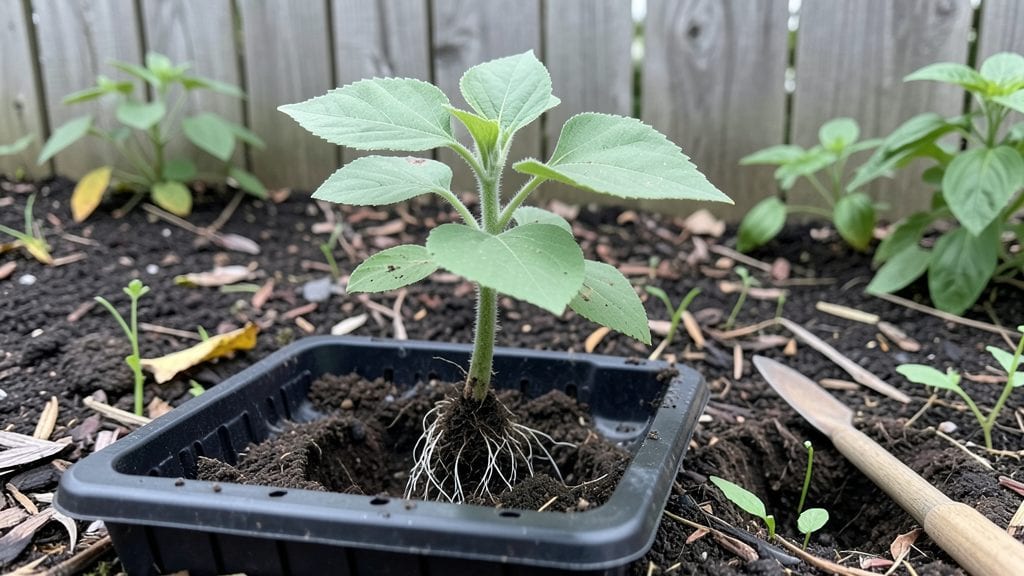
Planting sunflower seedlings is where the magic of summer begins—those towering stems start with just a few simple steps. I’ve learned that the secret to fast germination isn’t complicated: it’s about warm soil, gentle handling, and a little patience.
Sunflowers grow so quickly that skipping these early steps can mean leggy plants or slow starts, but get it right, and you’ll see those first leaves break through in just 5-7 days.
The real trick is in the soil and spacing. Sunflowers need 1-2 inches of loose, well-draining soil mixed with compost—no heavy clay here. Plant seedlings 12-18 inches apart (closer for dwarf varieties) and 1-2 inches deep, pressing lightly to secure them.
Too deep, and they’ll struggle; too shallow, and they’ll flop. Water thoroughly right after planting, but don’t drown them—sunflowers hate soggy roots.
Once planted, these seedlings will shoot up like rockets. Within 2-3 weeks, you’ll have stems reaching for the sky, and by mid-summer, they’ll be buzzing with bees and butterflies. The best part?
They’re drought-tolerant once established, so you won’t have to baby them forever. Just keep an eye out for transplant shock—yellowing leaves mean they need a little more time to adjust.
Whether you’re growing them for cut flowers, birdseed, or just the joy of watching them grow, sunflowers are one of the most rewarding plants to nurture.
And the best part? You’ll have tall, sturdy stems ready for harvest in no time—no weak, floppy stems here. Let’s get those seedlings in the ground!
📚 In This Guide
- What you need
- Instructions
- Tips and common mistakes
- Wrapping up and next steps
What you need
- ● Sunflower seedlings: 3–10 plants (depending on space; dwarf varieties need less room than giants like Mammoth)
- ● Garden soil or potting mix: Well-draining, nutrient-rich soil (avoid soggy clay—sunflowers hate wet feet!)
- ● Garden plot or large containers: For in-ground planting: A sunny spot (6+ hours of sunlight) with loose, fertile soil
- ● For containers: At least 12-inch-deep pots (bigger is better for tall varieties)
- ● Watering can or hose with a gentle spray nozzle: Sunflowers love water but despise soggy roots
- ○ Gardening gloves: Optional but helpful for messy soil or thorny stems
- ○ Stakes or trellis (optional but recommended): 4–6 ft tall for tall varieties to prevent flopping
- ● Compost or slow-release fertilizer (like 10-10-10) for extra nutrition
- ● Mulch (straw or wood chips) to retain moisture and suppress weeds
- ● Plant markers (to label varieties if you’re growing multiple types)
- ● Pruning shears (for trimming lower leaves to boost stem strength)
- ● Shade cloth (if planting in early spring or late summer for tender seedlings)
Step-by-Step guide for planting sunflower seedlings
Here’s how to get those towering stems off to the fastest, strongest start possible.
🌱 Step 1: Prepare the Soil for Optimal Germination
Sunflowers thrive in loose, nutrient-rich soil that drains well. Work the top 12 inches of soil with a garden fork or tiller, breaking up any compacted layers. Incorporate 2-3 inches of compost into the soil to provide the phosphorus they crave for root and stem development.
Test the soil moisture by squeezing a handful—it should hold together but not feel soggy. If your soil is heavy clay, mix in 1-2 inches of coarse sand to improve drainage. Sunflowers hate sitting in waterlogged roots, so this prep step prevents future struggles.
🪴 Step 2: Space Seedlings Correctly for Sunlight Access
Sunflowers need 18-24 inches of space between plants to grow tall without competing for light. For 4 seedlings, arrange them in a square pattern with 2 feet between each. If planting in rows, space them 18 inches apart with 3 feet between rows.
Dig holes just deep enough to cover the root ball completely—no deeper, or the seedlings may rot. Gently firm the soil around each one to eliminate air pockets, then water deeply to settle everything in place. You’ll see the soil surface firm up slightly after watering—this signals good root contact.
☀️ Step 3: Provide Immediate Sun and Water Support
Sunflowers need full sun (6-8 hours daily) from day one. If planting in early spring, give them a temporary shade cloth if temperatures exceed 85°F until they establish roots. Once planted, water 1 inch per week, focusing on the base rather than overhead spraying.
Here’s the trick for fast growth: Mulch with 2-3 inches of straw around each plant to retain moisture and suppress weeds. Keep the mulch 2 inches away from the stem to prevent rot. You’ll notice leaves staying crisp and vibrant—this means the roots are hydrated without stress.
⏰ Step 4: Monitor Growth and Adjust Care
Within 7-10 days, you’ll see the first true leaves appear above the cotyledons. This is your cue to fertilize lightly with a balanced 10-10-10 formula to support rapid stem elongation. Avoid high-nitrogen feeds—they’ll produce leafy growth at the expense of height.
Watch for leggy stems (a sign of insufficient light) or yellowing leaves (a sign of overwatering). If stems lean toward the sun, rotate the plants a quarter turn every few days to encourage even growth. Strong sunflowers grow 2-3 inches per day—that’s how you know you’re on track.
✂️ Step 5: Stake or Cage for Wind Resistance
Once seedlings reach 18 inches tall, they’ll need support. Install 6-foot stakes or cage structures immediately to prevent toppling in wind or rain. Tie stems loosely with soft fabric strips—tightening too soon will restrict growth.
Here’s the pro move: Bury the stake 6 inches deep and secure it at two points (mid-stem and top). This prevents the plant from rocking, which weakens the root system. You’ll see stems grow straighter and thicker with proper support—this is how you guarantee those 10-foot giants you’re dreaming of.
Tips & tricks for planting sunflower seedlings
Here's what nobody tells you about getting those sunflower stems shooting toward the sky faster than you can say "giant blooms."
Soil Depth Matters: When working that top 12 inches of soil in Step 1, focus on breaking up any compacted layers—especially if you have clay soil. I learned this the hard way after watching seedlings struggle to push through dense earth. Use a garden fork to create vertical channels that encourage root penetration. The goal is to mimic the loose, aerated texture of well-aged compost, which sunflowers adore. Think of it as creating a highway for their roots to travel.
Spacing Secret for Sunlight: The 18-24 inch spacing in Step 2 isn't just about giving roots room—it's about creating an air circulation system. Sunflowers grow so tall because they're chasing sunlight, and proper spacing prevents them from shading each other prematurely. I've seen seedlings planted too closely develop weak, spindly stems that flop over by mid-summer. Trust me, that 2-foot gap between plants makes all the difference when you're dreaming of 10-foot giants.
Watering Wisdom: That 1 inch per week guideline in Step 3 is crucial, but timing matters just as much. Water deeply in the morning so the soil has all day to absorb moisture before evening evaporation. I've noticed my sunflowers develop stronger stems when watered consistently at the base rather than from above. The key is to keep the soil consistently moist—not soggy—during those critical first weeks when roots are establishing themselves.
Fertilizer Timing: The 7-10 day window in Step 4 for your first fertilization is perfect because that's when seedlings develop their first true leaves. I recommend using a 10-10-10 formula, but here's the pro tip: mix it lightly into the soil around the base rather than applying it directly to the stem. This prevents fertilizer burn while still providing the phosphorus boost sunflowers need for rapid stem elongation. Think of it as a slow-release energy drink for your plants.
Pro Tips for Plant Sunflower Seedlings
- Here's what nobody tells you about getting those sunflower stems shooting toward the sky faster than you can say "giant blooms."
- Soil Depth Matters: When working that top 12 inches of soil in Step 1, focus on breaking up any compacted layers—especially if you have clay soil.
- Spacing Secret for Sunlight: The 18-24 inch spacing in Step 2 isn't just about giving roots room—it's about creating an air circulation system.
Frequently asked questions
Got questions about planting sunflower seedlings? You’re not alone! Here are some of the most common concerns—plus quick, actionable answers to help your sunflowers thrive.
How deep should I plant sunflower seedlings?
Plant sunflower seedlings about 1 inch deep in well-draining soil, with the stem slightly below the soil line. Press gently to secure them, but avoid burying the cotyledons (seed leaves) too deep—this can cause rot. Space them 6–12 inches apart (closer for bush varieties, farther for giants).
How long does it take for sunflower seedlings to germinate?
Sunflower seeds typically sprout in 7–14 days after planting, depending on soil warmth and moisture. Keep the soil consistently moist (not soggy) and place trays in a sunny spot or under grow lights. If germination takes longer than 2 weeks, check soil temperature—ideal range is 70–90°F (21–32°C).
Can I plant sunflower seedlings too early in the spring?
Yes! Sunflowers are frost-tolerant seedlings and can handle light frosts (down to 32°F/0°C) once established. However, avoid planting in cold, wet soil (below 50°F/10°C4–6 weeks before last frost or direct-sow after soil warms—just cover with row fabric if night temps dip.
What if my sunflower seedlings look leggy or weak?
Leggy seedlings usually mean they’re stretched for light. Move them to a sunny window or grow lights (12–16 hours/day) and reduce spacing between trays. If they’re already planted outdoors, thin them to improve airflow. For extra support, use small stakes or cages early to prevent flopping as they grow.
Can I transplant sunflower seedlings after they’ve sprouted leaves?
Once seedlings have 2–4 true leaves (not just cotyledons), they’re ready for transplanting. Harden them off first by placing trays outside for 3–5 days, gradually increasing exposure. Water thoroughly before and after transplanting to reduce shock. Avoid moving them on hot, windy days to prevent stress.
What should I do if my seedlings develop yellow leaves?
Yellow leaves often signal overwatering, nutrient deficiency, or poor drainage. Check soil moisture—sunflowers prefer moderate water (1 inch per week). If the soil is waterlogged, improve drainage or repot. For nutrient issues, fertilize lightly with a balanced 10-10-10 or compost tea after transplanting.
Wrapping up and next steps
Planting sunflower seedlings is a rewarding journey that yields stunning, towering blooms in just a few short weeks!
By following these simple steps—from preparing the soil to providing proper care—you’ll set your seedlings up for success. Don’t forget to enjoy the process—watch those bright faces turn toward the sun as they grow.
Ready to harvest the fruits of your labor? Once your sunflowers reach maturity, explore how to use them—whether for fresh bouquets, birdseed, or even delicious sunflower seeds! 🌻✨