Size
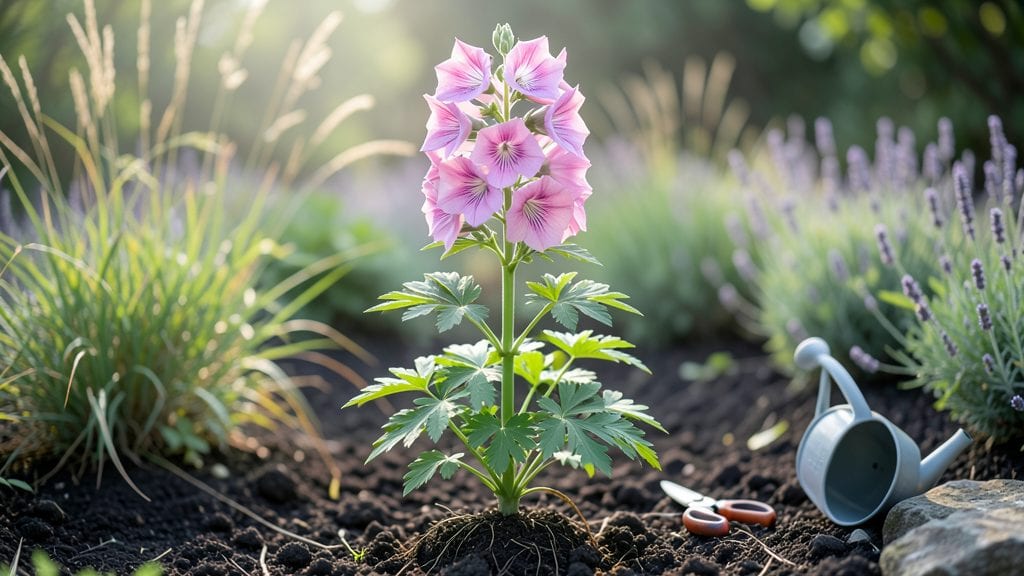
Tall pink flowers on 6-foot stems instantly lift a garden from ordinary to showstopping. ✨ I’ll never forget the first time I planted hollyhocks along my fence—their spiky pink blooms reached my shoulders, creating a living curtain that hummed with bees all summer.
These vertical giants aren’t just pretty; they’re the backbone of dramatic borders, privacy screens, and cut-flower arrangements that last for days in a vase.
The best candidates—like delphiniums, hollyhocks, and peonies—thrive in full sun and well-drained soil, with most blooming from late spring through summer. Pair them with shorter perennials like lavender or salvia to balance their height, or tuck them behind shrubs to frame pathways.
For containers, choose dwarf varieties or stake them early to prevent flopping. The key is giving them space to stretch their legs—literally.
Imagine cutting stems for bouquets that tower over your kitchen table, or a backyard that feels like a storybook with every step. These flowers don’t just fill empty vertical space; they create focal points that draw the eye upward, making small gardens feel grand and large ones feel intentional.
The secret? Plant them in odd-numbered clusters (3, 5, or 7) for natural, balanced drama.
Whether you’re designing a cottage garden, a modern border, or a cut-flower patch, tall pink stems add effortless elegance. Start with one variety this season—your garden (and your neighbors) will thank you. Ready to see how they transform your space?
📚 In This Guide
- What you need
- Instructions
- Tips and common mistakes
- Wrapping up and next steps
What you need
- ● Tall-stemmed pink flower plants: 1–3 Delphinium (perennial, 4–6 ft tall)
- ● 1–2 Foxglove (Digitalis) (biennial, 2–5 ft tall)
- ● 1–3 Hollyhock (perennial, 3–6 ft tall)
- ○ Optional: Peony (perennial, 2–4 ft tall, late bloomer)
- ● Soil: 1–2 bags of well-draining potting mix or garden soil amended with compost (5–10 lbs).
- ● Fertilizer: 1 slow-release granular fertilizer (10-10-10 or 5-10-10, 1 lb)
- ○ Optional: Organic compost tea or fish emulsion for extra nutrients.
- ● Garden tools: 1 trowel (for planting)
- ● 1 pruners (sterilized, for deadheading)
- ● 1 garden fork (to loosen soil)
- ● 1 measuring tape (to space plants 12–24" apart)
- ● Support structures: 3–6 stakes or cages (5–6 ft tall, bamboo or metal)
- ○ Optional: Floral wire or soft ties for securing stems.
- ● Watering: 1 watering can or hose with nozzle
- ○ Optional: Drip irrigation kit for consistent moisture.
- ● Location: Full sun (6+ hours/day) or partial shade (for heat-sensitive varieties like foxglove).
- ● Spacing: Plan for 12–24 inches between plants (check variety tags).
- ● Climate: Hardy to USDA Zones 3–9 (adjust care for extreme heat/cold).
- ● Patience: Some varieties (like foxglove) take 2 years to bloom from seed!
Step-by-Step guide for cultivating stunning tall pink flowers
Here's how to create vertical focal points that turn heads in any garden space.
🌱 Step 1: Select the Right Variety for Your Space
Tall pink flowers like delphiniums, hollyhocks, or snapdragons thrive when planted in well-drained soil with full sun exposure. Delphiniums, for example, grow 4-6 feet tall and need sturdy stems to support their dramatic blooms. Check your local hardiness zone to ensure the variety you choose can handle your climate's winter conditions.
I always opt for disease-resistant varieties, especially for hollyhocks, which can be prone to rust. Look for tags that mention "rust-resistant" or "disease-free" strains. Planting these tall beauties in groups of 3-5 plants ensures they create a bold visual impact while providing natural support for one another.
☀️ Step 2: Prepare the Planting Site for Maximum Height
Choose a location with at least 6 hours of direct sunlight daily—this is non-negotiable for tall pink flowers. Amend the soil with 2-3 inches of compost to improve drainage and fertility before planting. Heavy clay soil will stunt growth and weaken stems, making them prone to flopping.
Dig holes twice as wide as the root ball but only as deep as the container the plant came in. This prevents burying the stem too deeply, which can lead to rot. Gently remove the plant from its container, loosen the roots if they're circling, and place it in the hole. Fill the gap with soil, pressing lightly to eliminate air pockets.
💧 Step 3: Water Deeply and Stake for Support
Water each plant deeply immediately after planting to settle the soil and encourage root establishment. Use a soaker hose or drip irrigation to deliver moisture slowly and evenly—this prevents soil erosion around the base. Aim for 1-1.5 gallons of water per plant during the first week to help roots establish.
Install sturdy stakes or cages (at least 5-6 feet tall) as soon as you plant. Tall flowers like delphiniums grow quickly, and their stems can become top-heavy. Tie the main stems to the stakes using soft plant ties or cloth strips—avoid wire ties, which can cut into the stems as they thicken. Check ties monthly to ensure they're not too tight.
✂️ Step 4: Prune and Deadhead for Continuous Blooms
Once flowers begin to fade, deadhead regularly by snipping spent blooms just above a set of healthy leaves. This encourages the plant to redirect energy into producing new flowers rather than seed pods. For delphiniums, I remove only the faded flower heads—never cut back the entire stem, as this reduces next year's blooms.
After the first flush of blooms, trim back one-third of the tallest stems to promote bushier growth. This step is especially important for hollyhocks, which can become leggy. Use clean, sharp pruners to make cuts at a 45-degree angle just above a leaf node. Always sterilize your tools with rubbing alcohol between cuts to prevent disease spread.
🌿 Step 5: Mulch and Fertilize for Long-Term Height
Spread 2-3 inches of organic mulch (like shredded bark or straw) around the base of each plant, keeping it 2 inches away from the stem to prevent rot. Mulch conserves moisture, regulates soil temperature, and suppresses weeds—all critical for maintaining the health of tall stems. Replenish mulch annually in early spring.
Feed plants with a balanced, slow-release fertilizer (10-10-10) in early spring and again after the first flush of blooms. Avoid high-nitrogen fertilizers, which promote leafy growth at the expense of flowers. Water the soil thoroughly before and after fertilizing to prevent root burn. Tall flowers need consistent nutrients to support their height and vibrant pink blooms.
Tips & tricks for perfect tall stem pink flowers
Here's what I wish I knew before planting my first batch of towering pink blooms.
Variety Selection: Delphiniums and hollyhocks are your best bets for dramatic height, but snapdragons offer a more compact option if space is limited. I learned this the hard way—planting hollyhocks in my windy garden led to snapped stems. For maximum stability, choose varieties labeled "wind-resistant" or "sturdy stems" when possible. The 4-6 feet height range mentioned in Step 1 is ideal for creating focal points, but always check your specific variety's mature height to avoid overcrowding.
Soil Preparation Strategy: The 2-3 inches of compost recommendation in Step 2 is non-negotiable for tall stems. I've seen plants struggle in heavy clay soil where roots couldn't establish properly. For even better drainage, mix in 1 part perlite to 3 parts garden soil when amending. This creates the perfect airy environment for deep root development. The holes being twice as wide as the root ball is crucial—this prevents root circling and encourages outward growth for better stability.
Staking System: Those 5-6 feet tall stakes in Step 3 aren't just decorative—they're essential for preventing flopping. I discovered this when my first delphiniums toppled over after just 3 weeks of growth. Use 3 stakes per plant in a tripod formation for maximum support, especially for varieties like 'Pacific Giant' delphiniums. The soft plant ties should be checked weekly—they can tighten as stems thicken, potentially girdling them.
Pruning Technique: When trimming back one-third of the tallest stems in Step 4, focus on the leggiest growth to encourage bushier habits. I've found that making cuts at a 45-degree angle just above a leaf node (as specified) promotes faster healing and reduces disease risk. For hollyhocks specifically, never cut back more than 25% of the plant's height—these biennials need their full structure to bloom prolifically the following year.
Pro Tips for Tall Stem Pink Flower
- Here's what I wish I knew before planting my first batch of towering pink blooms.
- Variety Selection: Delphiniums and hollyhocks are your best bets for dramatic height, but snapdragons offer a more compact option if space is limited.
- Soil Preparation Strategy: The 2-3 inches of compost recommendation in Step 2 is non-negotiable for tall stems.
Frequently asked questions
Got questions about growing or styling tall stem pink flowers?
You’re not alone! Here are the most common queries—plus quick answers to help you nail that vertical garden drama.
What’s the best time to plant tall stem pink flowers for maximum height?
Plant them in early spring (after the last frost) or late summer for a second flush. This gives roots time to establish before winter or summer heat. For container growing, use well-draining soil and fertilize lightly every 4–6 weeks to encourage vertical growth. Pro tip: Stake or cage them early to prevent flopping!
How do I keep my tall pink flowers from toppling over?
Use bamboo stakes or spiral plant ties to support stems—insert them gently to avoid damaging roots. For clusters, try a tomato cage or weave stems through a decorative trellis. Prune lower leaves to reduce weight, and water at the base (not overhead) to keep stems sturdy. Troubleshoot: If leaves yellow, check for overwatering!
Can I cut tall stem pink flowers for bouquets, and how long will they last?
Harvest stems in the morning when buds are just opening. Cut at a 45° angle and place in lukewarm water with a floral preservative. Most last 7–10 days in a vase. Bonus: Remove leaves below the waterline to prevent bacteria. For longer vase life, recut stems every 2–3 days.
What are some low-maintenance alternatives to tall pink flowers?
Try these dramatic, easy-care options for height:
- Delphinium – Tall, spiky blooms in pink/purple (loves full sun).
- Snapdragons – Bi-color pinks, drought-tolerant once established.
- Hollyhocks – Classic cottage-garden height (6+ feet!).
- Gladiolus – Bold spikes; great for cutting.
Why are my tall pink flowers wilting or drooping?
Check these quick fixes:
Issue
Solution
Underwatering
Water deeply 1–2x/week (1 inch total). Mulch to retain moisture.
Overwatering
Let soil dry 1–2 inches deep between waterings. Improve drainage.
Pests (aphids, spider mites)
Spray with soapy water or neem oil. Remove infested leaves.
Heat stress
Provide afternoon shade in extreme heat (e.g., 90°F+).
Wrapping up and next steps
Adding a tall stem pink flower to your garden isn’t just about aesthetics—it’s about creating a stunning vertical masterpiece that draws the eye upward and fills your space with natural beauty.
Whether you’re drawn to the elegance of Delphiniums, the boldness of Snapdragons, or the delicate charm of Peonies, these flowers bring drama, texture, and a pop of color to any landscape. 🌸
Ready to transform your garden? Start small—pick one variety to experiment with, gather your supplies, and let your creativity bloom! With the right care, your tall pink stems will soon become the showstopper of your outdoor space. Happy gardening!