
Pests
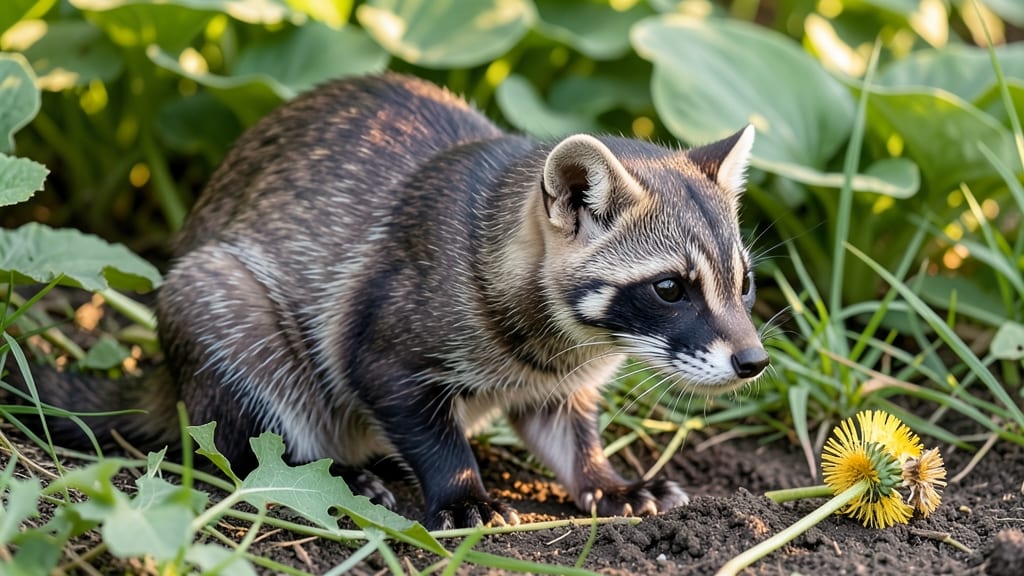
Rabbits turned your once-vibrant flower beds into a salad bar? 🌸 I’ve lost count of the tulips and hostas they’ve decimated over the years, but I finally cracked the code on keeping rabbits out of flowers—without cruel traps or toxic sprays.
The key is layered defense: sturdy fencing (at least 2 feet tall, buried 6 inches deep), repellent plants like garlic or lavender, and predator scents (like coyote urine or crushed red pepper).
My garden now thrives while rabbits move on to easier snacks. The best part? These methods work year-round and won’t harm pollinators or pets.
You’ll see results within days—fewer nibbled leaves, more blooms, and a garden that stays lush instead of looking like a rabbit buffet. Even better, these solutions are budget-friendly and reusable for seasons to come. Let’s get those flowers protected!
Whether you’re dealing with a backyard infestation or just want to be proactive, these strategies adapt to any garden size. No more waking up to chewed stems or wilted dreams—just healthy plants and happy blooms. Ready to reclaim your garden?
📚 In This Guide
- What you need
- Instructions
- Tips and common mistakes
- Wrapping up and next steps
What you need
- ● Chicken wire or hardware cloth: 18-24 inches tall, 1/2-inch or smaller mesh (rabbits can squeeze through bigger gaps!). Quantity: Enough to cover your flower beds (e.g., 50+ ft for a small garden).
- ● Stakes or posts: Wooden, metal, or plastic (6-12 inches long). Quantity: 1 stake per 2-3 feet of wire.
- ● Garden twine or zip ties: For securing wire to stakes.
- ● Pruners or scissors: To trim wire to size.
- ● Gloves: Heavy-duty for handling wire or thorny plants.
- ● Thorny plants: Roses, barberries, or thorny shrubs (plant around the perimeter for a natural barrier).
- ● Compost or mulch: To create a raised border (rabbits dislike climbing over mounds).
- ● Hot pepper spray: Non-toxic repellent (mix cayenne pepper, water, and dish soap).
- ● Motion-activated sprinklers: Scares rabbits with a gentle water spray (great for larger gardens!).
- ● Decoy predators: Fake owls or snakes (move them weekly to keep rabbits guessing).
Step-by-Step guide to creating effective rabbit-proof flower gardens
Here's how to protect your blooms without harsh chemicals or expensive fencing.
🌱 Step 1: Assess Your Flower Beds for Rabbit Vulnerabilities
Start by walking your garden in the early morning when rabbits are most active. Look for freshly nibbled leaves, broken stems, and areas where rabbits have created clear paths to your flowers. Focus on plants at ground level—rabits rarely jump higher than 12 inches.
Take note of where rabbits enter your garden. Common entry points include low-lying areas, garden edges, and spots near shrubs or trees they can hide behind. These are your priority protection zones. Mark these areas with small flags or chalk so you can target your barriers effectively.
🪴 Step 2: Install Physical Barriers Using Natural Materials
For established flower beds, create a barrier using chicken wire or hardware cloth with 1-inch mesh buried 6 inches deep around the perimeter. This prevents rabbits from digging under and keeps them from reaching your plants. Bend the top of the barrier outward slightly to discourage climbing.
For a more natural look, use branches from deciduous trees (like maple or oak) arranged in a 4-foot tall fence. Space branches 2 inches apart so rabbits can't squeeze through. Secure them with landscape staples or biodegradable twine. This method blends into your garden while being highly effective.
☀️ Step 3: Use Repellents Strategically Around Problem Areas
Apply commercial rabbit repellents like liquid or granular formulas directly to the soil around your flowers, focusing on the base of plants. Reapply every 4-6 weeks or after heavy rain. The key is consistency—rabits learn to avoid areas that smell unpleasant to them.
For a homemade alternative, mix 1 part hot pepper sauce with 3 parts water and spray it on leaves and stems. The capsaicin in peppers irritates rabbits' noses and mouths, making them avoid treated plants. Test on a few leaves first to ensure it doesn't harm your flowers.
✂️ Step 4: Maintain Deterrents and Monitor Regularly
Check your barriers and repellents every 2 weeks to ensure they're still in place and effective. Rabbits may chew through weak spots, so reinforce any damaged areas immediately. Keep the area around your flower beds free of debris, as rabbits use it for cover.
Set up motion-activated sprinklers or ultrasonic devices in high-risk zones. These work best when combined with other methods, as rabbits may ignore them alone. Place them near entry points where you've noticed rabbit activity, and adjust the settings to activate at dusk and dawn when rabbits are most active.
Tips & tricks for protecting your flower garden from rabbits
Here's what I've learned after years of battling rabbits in my own garden—these tricks make all the difference.
Early Morning Patrol: The key to Step 1 is going out at dawn when rabbits are most active. I've seen them nibble within minutes of sunrise—if you wait until later, you'll miss the signs. Bring a small notebook to mark problem spots with flags or chalk. I use bright orange flags because they're easy to spot later. Trust me, this small effort saves hours of frustration later.
Barrier Depth Matters: In Step 2, burying chicken wire or hardware cloth just 6 inches deep won't work—rabbits are expert diggers. I've had to dig down an extra 2 inches in my sandy soil to prevent them from tunneling under. For the branch fence, I found that using branches from fruit trees (like apple or pear) adds an extra bonus—their scent deters rabbits naturally.
Repellent Consistency: When applying repellents in Step 3, the 4-6 week reapplication schedule is critical. I learned this the hard way after skipping a month—my tulips were nearly gone by the time I noticed. For the hot pepper spray, I double the pepper sauce ratio (2 parts pepper to 3 parts water) for extra potency. Always test on a few leaves first, especially with delicate flowers like roses.
Combination Defense: Rabbits get smart—if you rely on just one method, they'll find a way around it. I combine the branch fence with motion-activated sprinklers near my vegetable patch. The sprinklers activate at dusk when rabbits are most active, and the branches prevent them from getting close enough to trigger them. It's like a two-layer security system for your garden.
Pro Tips for Keep Rabbits Out Of Flowers
- Here's what I've learned after years of battling rabbits in my own garden—these tricks make all the difference.
- Early Morning Patrol: The key to Step 1 is going out at dawn when rabbits are most active.
- Barrier Depth Matters: In Step 2, burying chicken wire or hardware cloth just 6 inches deep won't work—rabbits are expert diggers.
Frequently asked questions
Got more questions about protecting your flowers from hungry rabbits? Here are some common ones—and their solutions!
What’s the best time of year to set up rabbit deterrents?
Spring and early summer are key! Rabbits start munching as soon as plants emerge (as early as March in warmer climates). Install barriers before flowers sprout to avoid damage. For winter, check for burrows in fall and reinforce fencing—rabbits may still nibble on dormant plants.
Will chicken wire or hardware cloth work, or do I need something fancier?
Hardware cloth (1/4-inch mesh)
is the gold standard—rabbits can’t squeeze through, and it’s durable. Chicken wire is cheaper but can be bent or chewed over time. Bury it 6 inches deep to stop diggers. For a budget fix, try plastic plant guards or wire cages around prized blooms.
Are there plants rabbits won’t eat that can act as a natural barrier?
Yes! Plant rabbit-resistant perennials like lavender, rosemary, or Russian sage near flower beds. Rabbits dislike their strong scents. For annuals, try snappy peppers or foxglove—their bitter taste deters them. Just avoid tender plants like lettuce or tulips!
How long do I need to keep deterrents up?
Until the threat passes! Most rabbits lose interest after 4–6 weeks of consistent deterrents (like motion-activated sprinklers or repellents). For perennials, remove barriers in late fall to avoid trapping critters. Monitor for new signs of nibbling—rabbits may return if food sources are easy!
What should I do if rabbits keep coming back despite my efforts?
Try a multi-layered approach:
- Combine barriers (e.g., fencing + repellent sprays).
- Remove hiding spots like tall grass or brush near your garden.
- Use predator urine (fox or coyote) around the perimeter—rabbits avoid the smell!
- Check for food sources elsewhere; rabbits may be drawn to your yard for clover or weeds.
Wrapping up and next steps
Keeping rabbits out of your flowers doesn’t have to be a battle—just a smart, natural strategy! 🌿 From fencing and repellents to companion planting, these methods create a garden that’s both beautiful and bunny-proof.
Start small, test what works best in your space, and soon, your blooms will thrive in peace.
Ready to take action? Pick one method today—whether it’s installing a fence, spraying a homemade repellent, or planting rabbit-resistant flowers—and watch your garden flourish! 🌸