
Flowers
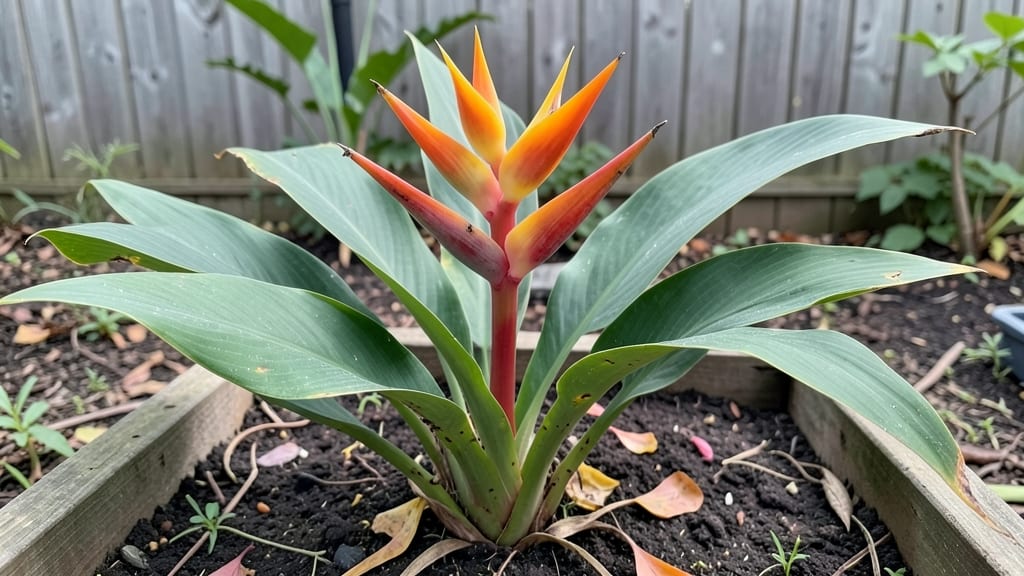
Transform your patio into a sun-drenched paradise with beautiful tropical flowers that scream vacation vibes. 🌺 I’ve spent years collecting bold blooms like hibiscus, birds of paradise, and orchids—each one a splash of color that turns ordinary spaces into lush retreats.
The secret isn’t complicated: it’s about playing with textures and hues, letting the plants do the talking while you relax in the shade.
Start with containers that match your style—whether it’s woven baskets for a boho look or sleek pots for modern flair. Mix tall drama (like cannas) with trailing vines (pothos or sweet potato vine) to create depth.
A single hibiscus bush in a terracotta pot becomes an instant focal point, while orchids in hanging baskets add whimsy. The best part? These flowers thrive in pots, so you can rearrange your "garden" whenever the mood strikes.
Imagine stepping outside to find your space bursting with vibrant reds, fiery oranges, and velvety purples—all while keeping maintenance simple. A well-placed bird of paradise (with its dramatic orange-and-blue blooms) draws the eye, while fragrant plumeria fills the air with a tropical scent.
Even small balconies can feel like a resort when you layer in lush foliage like monstera leaves or calathea’s rainbow patterns.
This isn’t just about pretty pictures—it’s about creating a mood. Whether you’re hosting a sunset cocktail hour or just unwinding with a book, these tropical flowers turn ordinary moments into memories. Ready to bring the beach home? Let’s get your containers prepped and your space transformed.
📚 In This Guide
- What you need
- Instructions
- Tips and common mistakes
- Wrapping up and next steps
What you need
- ● Container(s): 1–3 large, well-draining pots (12–18 inches in diameter) or a single oversized planter (24+ inches).
- ● Material: Terracotta, ceramic, fiberglass, or plastic (ensure bottom holes for drainage!).
- ● Potting Mix: 3–5 gallons of high-quality, moisture-retentive yet well-draining mix. Look for blends labeled for tropical plants or amend regular potting soil with: 20–30% perlite or pumice (for aeration).
- ● 10–20% coconut coir or peat moss (for moisture retention).
- ● Tropical Flowers: 3–5 plants (mix varieties for texture/color!). Popular picks: Bird of Paradise (Strelitzia) – 1 plant (mature, 1–2 ft wide).
- ● Heliconia (Heliconia) – 2–3 plants (adds dramatic foliage).
- ● Bromeliads (Bromeliaceae) – 1–2 plants (thrives in shade).
- ● Plume Poppy (Macleaya cordata) – 1 plant (fast-growing filler).
- ● Orchids (Phalaenopsis) – 1–2 plants (low-light tolerant).
- ● Drainage Layer: 1–2 inches of gravel, pebbles, or ceramic shards (prevents root rot).
- ● Fertilizer: Balanced liquid fertilizer (10-10-10 or 20-20-20) – 1 bottle.
- ○ Optional: Slow-release granules (e.g., Osmocote) for convenience.
- ● Pruning Tools: 1 pair of sterilized pruning shears (for trimming dead leaves).
- ● 1 small hand trowel (for repotting/soil adjustments).
- ● Watering Can: 1 gallon capacity with a rose attachment (gentle watering = happy roots!).
- ● Decorative Elements: Moss or Spanish moss – for a lush, jungle vibe.
- ● Decorative pebbles or river rocks – for a polished look.
- ● Mini bamboo stakes or decorative pots – for height variation.
- ● Lighting: Grow lights (LED, full-spectrum) if placing indoors near windows.
- ● Humidity Trays: Shallow trays with pebbles + water (boosts humidity for tropicals).
- ● Mulch: Orchid bark or pine needles (retains moisture and adds texture).
- ● Plant Labels: Chalkboard tags or bamboo stakes (for tracking your tropical beauties!).
How to create a stunning tropical flower container display
Here's how to bring bold, exotic blooms into your space with minimal fuss.
🪴 Step 1: Choose the Right Containers and Drainage
Select large, shallow containers—think 12-18 inches wide—to mimic tropical forest floors. Terra cotta or glazed ceramic works best because they wick away excess moisture, preventing root rot. I always drill extra drainage holes if the pot doesn’t have enough; two or three small holes keep water flowing without washing out soil.
Place a 2-inch layer of gravel or broken pottery at the bottom before adding soil. This creates an air pocket that prevents soggy roots, which tropical plants despise. Here's the thing—if your pot has no drainage, skip the gravel and use lightweight potting mix instead. The goal is to keep roots breathing, not drowning.
🌱 Step 2: Layer Soil for Optimal Drainage and Moisture
Fill the bottom one-third of the container with a moisture-retentive mix—I like a blend of 3 parts potting soil, 1 part perlite, and 1 part coconut coir. This combo holds moisture without compacting. Press it down lightly so it’s firm but not packed, like a well-tamped pillow.
Top with 2-3 inches of orchid bark or chunky pine fines—this mimics the airy, well-draining conditions tropical plants thrive in. The bark also helps prevent fungal issues by keeping stems dry. Water the mix until it’s evenly damp but not soggy; you want it to feel like a wrung-out sponge.
☀️ Step 3: Select and Plant Complementary Tropical Flowers
Pick 4-5 plants per container—think hibiscus, canna lilies, or bird-of-paradise—to create a lush, layered look. Dig holes just deep enough to bury the root ball without smothering it. I always space them 6-8 inches apart so leaves don’t crowd and airflow stays strong.
Fill gaps with additional bark or mulch to keep roots cool and moisture locked in. Here’s the trick: bury stems slightly deeper than they were in their nursery pots. Tropical plants often grow from the base, so extra soil support prevents them from toppling over once blooms appear.
💧 Step 4: Water and Feed for Vibrant, Long-Lasting Blooms
Water deeply every 2-3 days until water runs freely from the drainage holes. Tropical flowers love moisture but hate soggy roots, so let the top 1-2 inches of soil dry out between waterings. I use a self-watering tray under the pot to keep humidity high—this mimics their natural rainforest environment.
Feed with a balanced liquid fertilizer (10-10-10) every 2 weeks during spring and summer. Cut back to once a month in fall and winter. You’ll notice leaves perking up and blooms lasting longer when you stick to this schedule. And don’t skip deadheading—snip spent blooms to encourage new growth and keep the display tidy.
✂️ Step 5: Prune and Maintain for Year-Round Color
Trim leggy stems in early spring to encourage bushier growth. Cut back one-third of the plant’s height, focusing on the oldest stems first. This rejuvenates the plant and makes room for fresh, vibrant blooms. I always use clean, sharp pruners to avoid tearing stems—rough cuts invite disease.
Move containers to bright, indirect light in winter, or supplement with a grow light for 12-14 hours daily. Tropical flowers slow down in cooler months, so reduce watering to once every 5-7 days unless the soil feels bone-dry. With this care, your display stays lush and colorful all year long.
Tips & tricks for perfect tropical flower arrangements
Here's what I've learned after years of creating vibrant tropical displays that last.
Container Placement Matters: Position your containers where they'll receive bright, indirect light for most of the day—this mimics their natural tropical environment. South-facing windows with sheer curtains work perfectly. If you notice leaves turning pale or stems stretching toward the light, it's time to move them to a slightly shadier spot. In winter, supplement with a grow light for 12-14 hours daily to maintain their energy levels.
Soil Mix Secrets: The 3 parts potting soil, 1 part perlite, 1 part coconut coir mix from Step 2 is your foundation, but here's the trick: sift the soil before mixing to remove any large clumps. This prevents compaction and ensures even moisture distribution. For extra drainage, add 1 part horticultural charcoal to the mix—it helps prevent fungal issues while keeping roots aerated.
Plant Spacing and Support: When planting your 4-5 tropical flowers, focus on creating a natural, layered look by placing taller plants toward the back and shorter ones in front. I always tuck in small bamboo stakes next to each plant at planting time—this gives you something to tie stems to later if they get top-heavy with blooms. This prevents the dramatic toppling that can happen once flowers appear.
Watering Wisdom: The 2-3 day watering schedule works best when you water deeply until it runs freely from the drainage holes. Here's what nobody tells you—after watering, let the container sit for 5 minutes so excess water can fully drain. Then, place it back in its saucer. This prevents waterlogging while keeping humidity high in the saucer for the roots. Check soil moisture by sticking your finger 1-2 inches deep—if it feels dry, it's time to water again.
Pro Tips for Beautiful Tropical Flowers
- Here's what I've learned after years of creating vibrant tropical displays that last.
- Container Placement Matters: Position your containers where they'll receive bright, indirect light for most of the day—this mimics their natural tropical environment.
- Soil Mix Secrets: The 3 parts potting soil, 1 part perlite, 1 part coconut coir mix from Step 2 is your foundation, but here's the trick: sift the soil before mixing to remove any large clumps.
Frequently asked questions
Got questions about creating a stunning tropical flower container garden? You’re not alone! Here are answers to the most common queries to help you grow with confidence and flair.
Which tropical flowers thrive in containers?
Opt for compact varieties like Bromeliads, Bird of Paradise, Orchids, or Begonias. These love warmth, humidity, and well-draining soil—perfect for pots! Avoid oversized plants like Monstera deliciosa unless you have large containers (10+ gallons).
How often should I water my tropical container flowers?
Water when the top 1–2 inches of soil feel dry (usually every 5–7 days, but adjust for heat/humidity). Empty saucers after watering to prevent root rot. Pro tip: Group containers together to create a microclimate that retains moisture longer.
Can I keep tropical flowers outside in winter?
Most tropical flowers cannot survive freezing temps—bring them indoors before temperatures drop below 50°F (10°C). If you must leave them out, use frost cloth or move pots to a sheltered spot (like a garage or porch). Orchids are an exception; some tolerate cooler temps with indirect light.
What’s the best way to revive a wilting tropical plant?
Check for overwatering (yellow leaves = root rot) or underwatering (brown, crispy edges). Trim dead foliage, repot in fresh, well-draining soil, and adjust watering. Boost humidity with a pebble tray or misting. If pests like spider mites are present, wipe leaves with soapy water or use neem oil.
Are there low-maintenance tropical flowers for beginners?
Start with Anthuriums (glossy leaves, easy care), Calatheas (forgiving with light), or Hoya carnosa (drought-tolerant and pet-friendly). These thrive with bright, indirect light and occasional watering—perfect for busy gardeners!
Still stumped? Drop your specific plant or issue in the comments—we’re happy to help troubleshoot!
Wrapping up and next steps
From hibiscus to bird-of-paradise, tropical flowers bring a burst of color and life to any space—even small balconies or patios! 🌺 With the right containers, soil, and care, you can create a stunning mini paradise that thrives year-round.
Whether you're a green thumb or just starting, these vibrant blooms are your ticket to effortless beauty.
Ready to dive in? Start small—pick one or two of your favorite flowers, gather your supplies, and let your tropical garden grow! 🌿✨