
Flowers
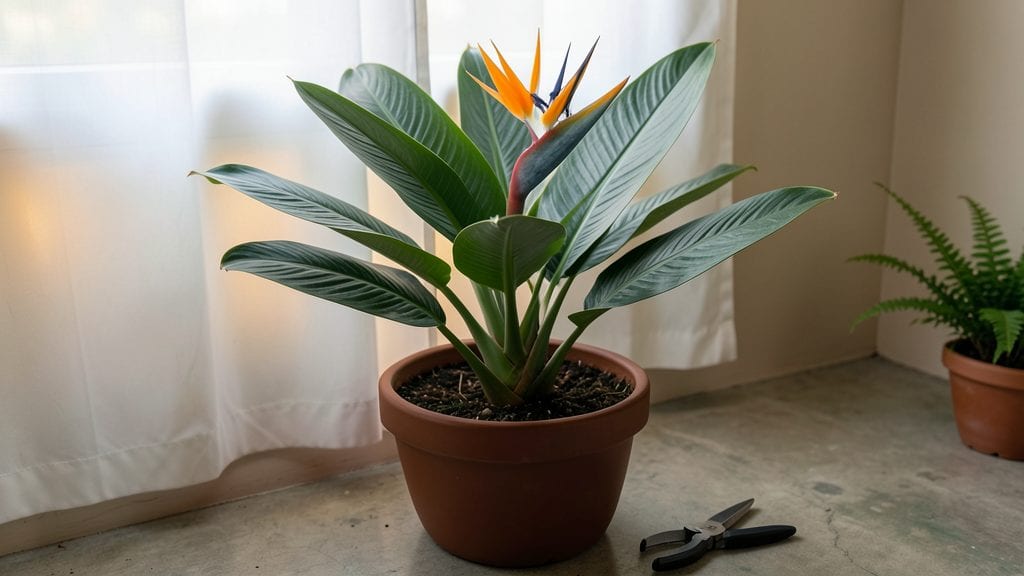
Some bird of paradise flower facts will surprise you—its bold blooms and dramatic foliage make it a showstopper in any garden, even when grown in containers. 🌿 I’ve watched mine go from a struggling nursery plant to a six-foot-tall tropical statement piece in just three years, and the secret lies in mimicking its native South African climate without the humidity headaches.
The key isn’t just sunlight or water—it’s understanding how this plant thinks: it craves warmth, drainage, and a little neglect once established.
What sets the bird of paradise apart is its banana-like leaves that fan out like a tropical palm, paired with those iconic orange-and-blue blooms that look like a bird in flight. Mine gets 18 inches of new growth every spring, and the flowers—when they finally appear—last for weeks.
The catch? Patience. It takes 2-3 years from planting to first bloom, but once it starts, it rewards you with year-round interest (even if the flowers are seasonal).
You’ll need a large container (at least 15-gallon size) with drainage holes, a well-draining potting mix, and a spot that gets bright, indirect light for most of the day. Overwatering is the #1 killer—let the top 2-3 inches of soil dry out between waterings—and fertilize lightly during the growing season.
The payoff? A plant that outgrows its container (and your neighbors’ jealousy) while requiring less fuss than most tropicals.
Perfect for patios, balconies, or even bright indoor spaces near windows. The real magic happens in late winter when those first buds form—like watching a tropical sunset unfold in your own yard. Here’s how to keep yours thriving through every season.
📚 In This Guide
- What you need
- Instructions
- Tips and common mistakes
- Wrapping up and next steps
What you need
- ● Bird of Paradise plant: Choose between Strelitzia reginae (dwarf) or Strelitzia nicolai (giant). Start with a nursery-grown plant (3–5 gallons in size) for faster blooms or bulbs (1–2 per container).
- ● Container: A well-draining pot (12–18" diameter for dwarf, 20"+ for giant) with drainage holes. Opt for terracotta or ceramic for heat retention.
- ● Potting mix: 3 parts high-quality cactus/succulent mix + 1 part perlite or pumice for aeration. Avoid heavy garden soil!
- ● Slow-release fertilizer: Balanced (10-10-10) or orchid-specific granules (follow package rates).
- ● Gloves (gardening or thick work gloves—these plants have sharp edges!).
- ● Trowel or small shovel for transplanting.
- ● Watering can with a rose attachment (for gentle, deep watering).
- ○ Mulch (optional): Orchid bark or pine needles (1–2" layer) to retain moisture.
- ● Sunlight access: Bright, indirect light (6+ hours daily). South/west-facing windows or grow lights work best.
- ○ Humidity tray or pebble tray (optional): Boosts humidity to 50–70% for tropical vibes.
How to grow and care for stunning bird of paradise plants in containers
Here's how to bring this bold tropical beauty into your home—where it thrives with minimal fuss.
🌱 Step 1: Select the Right Container and Soil Mix
Bird of paradise (Strelitzia reginae) needs a 12-15 inch diameter pot with drainage holes—its chunky rhizomes hate soggy feet. I use terracotta containers because they wick away moisture, preventing root rot. Fill the bottom third with orchid bark mix for aeration, then top with well-draining potting soil (never garden soil—it compacts and suffocates roots).
This plant mimics its native South African habitat by needing fast-draining soil. Amend your potting mix with 1 part perlite to 3 parts soil for the perfect balance. Tap the pot gently after filling to eliminate air pockets, but don't compact the soil—roots need room to spread.
☀️ Step 2: Position for Maximum Light and Humidity
Place your bird of paradise in the brightest spot you have—it craves 6+ hours of direct sunlight daily. A south-facing window works, but if you're in a low-light space, supplement with a grow light 12-18 inches away for 14 hours daily. You'll know it's happy when new leaves emerge bright green and upright, not yellow or droopy.
Mimic its tropical origins by keeping humidity 50% or higher. Group plants together or use a pebble tray with water beneath the pot (just don't let the base sit in water). Mist leaves 2-3 times weekly—this prevents the crispy brown edges that signal dry air. Watch for glossy, healthy leaves as your cue everything's right.
💧 Step 3: Water Deeply but Sparingly
Water only when the top 2-3 inches of soil feel completely dry—stick your finger in to check. When you water, soak thoroughly until water runs from the drainage holes. Empty the saucer afterward to prevent root rot. Overwatering is the #1 killer of these plants, so err on the dry side if you're unsure.
Bird of paradise stores water in its rhizomes, so it can handle drought-like conditions between waterings. You'll notice slightly wrinkled leaves before wilting sets in—this is normal and signals it's time to water. In winter, reduce watering to every 3-4 weeks, as growth slows dramatically.
✂️ Step 4: Prune and Fertilize for Long-Term Health
Remove yellow or brown leaves at the base with clean, sharp scissors—never pull them, which can damage the stem. Prune spent flower stalks (those long, dramatic-looking blooms) by cutting them back to the base after they fade. This redirects energy to new growth rather than seed production.
Feed monthly from spring to fall with a balanced liquid fertilizer (10-10-10 or 20-20-20) diluted to half-strength. In winter, skip fertilizing entirely—your plant is dormant. You'll see vibrant new leaves and stronger stems within weeks of consistent feeding, proving it's getting the nutrients it needs.
🪴 Step 5: Repot Every 2-3 Years for Continued Growth
When roots circle the pot or push through drainage holes, it's time to repot in spring. Choose a container 2-3 inches larger in diameter—bird of paradise prefers being slightly root-bound. Gently tease apart any circling roots and place the rhizome just below the soil surface (never bury it deeply).
After repotting, hold off on watering for 5-7 days to let roots establish. You'll notice new shoots emerging within 4-6 weeks—this confirms the plant is settling into its fresh home. Real talk: Bird of paradise hates disturbance, so only repot when absolutely necessary. A crowded root system actually encourages blooming!
Tips & tricks for perfect bird of paradise care in containers
Here's what I've learned after years of growing these tropical stunners—simple secrets that make all the difference.
Container Selection: While terracotta is ideal, avoid plastic containers—they trap moisture and promote root rot. If you must use plastic, add extra perlite to the mix (up to 2 parts perlite to 2 parts soil) for better drainage. I've also had success with glazed ceramic pots as long as they have drainage holes—just avoid unglazed ceramic, which can wick moisture too aggressively.
Light Optimization: The 6+ hours of direct sunlight is non-negotiable, but don't assume all south-facing windows are equal. Test your spot by placing a sheet of paper in sunlight for an hour—if it gets hot to the touch, your bird of paradise will thrive there. For indoor grow lights, LED grow bulbs work best at the 12-18 inch distance mentioned, but avoid incandescent bulbs—they generate too much heat and can scorch leaves.
Humidity Hacks: That 50% humidity target can be tricky in dry climates. Beyond misting, try placing your pot on a bed of damp pebbles (with the pot elevated so roots don't sit in water) or group it with other houseplants. I've also had great results using a small humidifier near my collection—just position it so water doesn't directly hit the leaves, which can cause fungal issues.
Seasonal Adjustments: The winter watering reduction to every 3-4 weeks is crucial, but don't assume this means neglect. Check soil moisture more frequently in winter—heating systems dry out air faster, and your plant's metabolic slowdown means it needs less water, not none. I set a reminder to check soil moisture every 10 days during winter months, even if I haven't watered yet.
Pro Tips for Bird Of Paradise Flower Facts
- Here's what I've learned after years of growing these tropical stunners—simple secrets that make all the difference.
- Container Selection: While terracotta is ideal, avoid plastic containers—they trap moisture and promote root rot.
- Light Optimization: The 6+ hours of direct sunlight is non-negotiable, but don't assume all south-facing windows are equal.
Frequently asked questions
How often should I water my Bird of Paradise plant?
Water your Bird of Paradise when the top 1-2 inches of soil feel dry. Aim for moderate moisture—overwatering can lead to root rot, while underwatering causes droopy leaves. In containers, watering every 5-7 days (adjust for climate) usually works. Pro tip: Use well-draining soil and a pot with drainage holes to prevent soggy roots!
When does a Bird of Paradise flower bloom, and how can I encourage more blooms?
These tropical beauties typically bloom in late spring to summer, but with patience, they can reward you with flowers for years. To encourage blooms:
- Provide bright, indirect light (they thrive in morning sun).
- Keep temperatures warm (65–80°F) and avoid drafts.
- Fertilize lightly with a balanced, water-soluble fertilizer every 2–3 months during growing season.
Can I grow a Bird of Paradise indoors, and what’s the best container size?
They’re container-friendly but need space to grow. Start with a 12–15 inch pot for young plants, then upgrade to 18+ inches as they mature. Use a well-draining potting mix (add perlite or orchid bark for airflow). Place near a sunny window or under grow lights—just avoid harsh direct sun, which can scorch leaves.
What pests should I watch for, and how do I treat them?
Bird of Paradise plants are generally pest-resistant, but keep an eye out for:
- Spider mites (tiny webs on leaves) – Treat with neem oil or a gentle insecticidal soap.
- Aphids (sticky residue) – Blast off with water or use soapy water.
- Fungal issues (yellow spots) – Improve airflow and reduce watering.
What are some low-maintenance alternatives if I want a similar look?
If the Bird of Paradise feels high-maintenance, try these easier tropical showstoppers:
- Strelitzia nicolai – Larger leaves, similar care, but hardier.
- Anthurium – Bold, heart-shaped blooms with less fuss.
- Calathea – Striking foliage that loves indirect light.
- Hibiscus – Bright flowers and fast growth.
Wrapping up and next steps
The bird of paradise flower isn’t just a stunner—it’s a symbol of resilience and tropical charm that thrives even in containers! 🌺 With its bold colors, low-maintenance care, and ability to brighten any space, this plant proves that drama and ease can coexist.
Whether you’re a seasoned gardener or a beginner, adding one to your collection is a rewarding step toward bringing a touch of the exotic indoors or outdoors.
Ready to level up your garden game? Start by picking your favorite variety, gathering the right supplies, and giving this showstopper the love it deserves. Your future self—and your space—will thank you!