
Pests
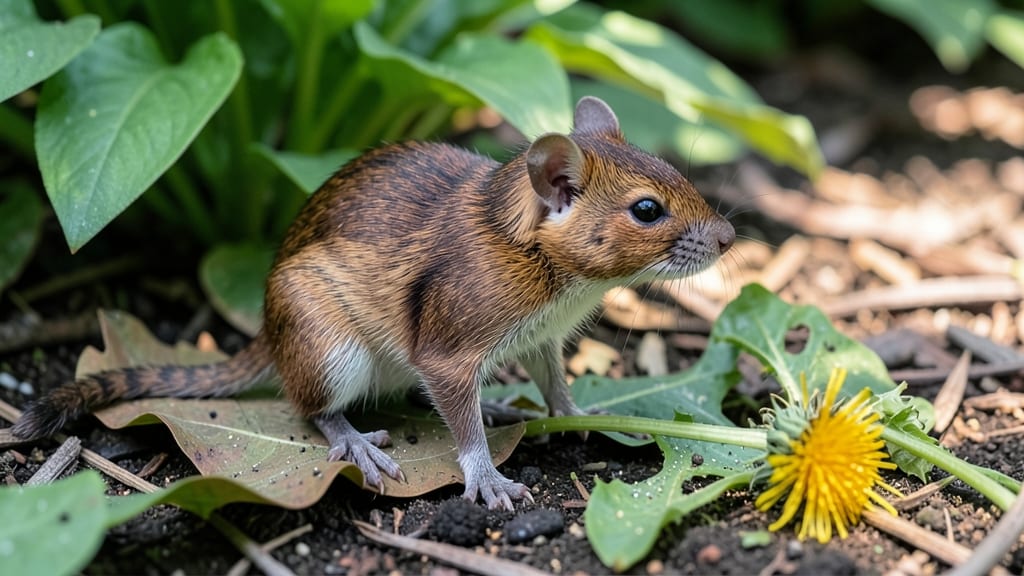
Learn how to keep squirrels from eating flowers—my roses stopped getting ravaged once I tried these clever, humane tricks that work without harming the critters. 🌿 The secret? Making your garden less tempting than the wild woods nearby. your yard.
Squirrels dig for bulbs, strip petals, and chew stems, but they're not trying to ruin your day—they're just following instinct.
You'll need a mix of physical barriers, scent distractions, and habitat tweaks—none of them cruel or complicated. Start with chicken wire domes over prized blooms (they can't chew through it, but bees still get in), then add peppermint oil-soaked cotton balls in problem spots (the smell confuses their tiny noses).
Move bird feeders away from flower beds—squirrels associate food with your yard and will keep coming back.
Within a week, you'll notice fewer chewed stems and more intact blooms. The squirrels don't disappear—they just learn your garden isn't worth the effort. Plus, you avoid the guilt of traps or poison. This method works for perennials, annuals, and even vegetable flowers that squirrels love to snack on.
For stubborn cases, professional wildlife control can help identify if you're dealing with a larger squirrel colony. But in most backyards, these simple steps create a squirrel-proof garden without the drama. Let's get those flowers back to looking like the showstoppers they should be.
📚 In This Guide
- What you need
- Instructions
- Tips and common mistakes
- Wrapping up and next steps
What you need
- ● Physical Barriers: 1–2 rolls of hardware cloth (½-inch mesh, 3–4 feet tall, enough to cover vulnerable areas)
- ● 1–2 rolls of plastic tree guards (6–12 inches in diameter, for individual plants)
- ● Sturdy wooden stakes or metal posts (6–12 inches long, 1–2 per barrier section)
- ● Repellents: 1–2 bottles of commercial squirrel repellent (e.g., Hot Sauce Pepper Spray or Squirrel Stop—check for humane, non-toxic formulas)
- ● 1–2 spray bottles (8–16 oz, for DIY repellent mixes)
- ○ DIY Mix Ingredients (Optional but Effective): 1 cup hot sauce (e.g., Tabasco)
- ● 1 cup vinegar (white or apple cider)
- ● 1 cup water
- ○ 1 tsp garlic powder or caffeine powder (optional, for extra deterrence)
- ● Tools: Scissors or utility knife (for cutting hardware cloth)
- ● Staple gun or landscape staples (for securing barriers)
- ● Gloves (gardening or work gloves, to protect your hands)
- ● 1–2 motion-activated sprinklers (e.g., Orbit Enforcer) for automated scaring
- ● Reflective tape or old CDs (to hang near flower beds and startle squirrels)
- ● 1–2 bird feeders (placed far from flowers to distract squirrels)
- ● Poultry netting (lighter than hardware cloth, great for small areas)
Step-by-step instructions for creating humane squirrel-proof flower gardens
Here’s how to protect your blooms without harming these clever critters.
🪴 Step 1: Choose the Right Physical Barriers
Squirrels are persistent but not invincible. Start with fine mesh hardware cloth (¼-inch or smaller) or plastic plant protectors (like tree collars) around individual plants. Wrap it loosely around stems or place it over the soil surface—tucking edges into the ground prevents digging. For containers, use squirrel-proof cages with mesh sides and bottoms.
I’ve found that chicken wire works in a pinch, but squirrels can chew through it. The key is consistency—even a small gap can let them in. Check barriers weekly for tears or gaps, especially after storms. If you’re dealing with bulbs, plant them in wire mesh cages buried 2 inches deep before backfilling with soil.
☀️ Step 2: Use Visual and Scent Deterrents
Squirrels rely on sight and smell, so reflective objects (old CDs, aluminum pie pans) hung from branches create disorienting flashes. Move them every few days—they’ll lose interest if the pattern changes. Peppermint oil (soaked in cotton balls) or hot pepper spray (mixed with water) deters them too, but reapply after rain.
Here’s the thing—squirrels hate surprises. Place fake owls or snakes near problem areas, but rotate their locations often. Real talk: they’ll ignore them after a week, so combine deterrents. I’ve had the most success with motion-activated sprinklers—the sudden spray startles them without harm.
🌿 Step 3: Modify the Garden Layout
Squirrels love easy access, so elevate prized plants on pedestals or use hanging baskets out of reach. Group vulnerable flowers (like tulips or daffodils) in one protected zone with a low fence (2–3 feet tall) topped with outward-facing spikes—just enough to discourage climbing.
If squirrels are digging up bulbs, plant them deeper (6–8 inches) and cover the area with gravel or mulch (¼-inch pebbles work well). They’ll avoid the rough texture. For ground-level flowers, try interplanting with thorny shrubs (like barberry) or fragrant herbs (lavender, rosemary)—squirrels steer clear of strong scents.
⏰ Step 4: Implement Long-Term Habituation
Squirrels are smart—they’ll adapt to static deterrents. Rotate methods seasonally to keep them guessing. For example, swap peppermint oil for citrus peels (scatter fresh rinds) every 2 weeks. Pair this with distracting food sources (like a squirrel feeder away from your garden) to lure them elsewhere.
This is the moment that matters: patience. It can take 2–4 weeks for squirrels to learn new boundaries. If they’re still raiding your garden, add ultrasonic repellents (battery-powered devices emit high-frequency sounds). Just don’t rely on them alone—they’re most effective when combined with physical barriers.
Tips & tricks for creating humane squirrel-proof flower gardens
These practical strategies will help you outsmart those clever critters while keeping your garden thriving.
Barrier Installation: When using fine mesh hardware cloth or wire mesh cages, leave a little extra length at the bottom before tucking into the soil. This prevents squirrels from digging underneath—something I learned the hard way after losing an entire bed of tulip bulbs. For containers, make sure the mesh covers the bottom completely; squirrels can chew through gaps if they can reach the soil.
Deterrent Rotation: The 2-week rotation between peppermint oil and citrus peels is crucial—squirrels get used to one scent quickly. I keep small bottles of both on hand and swap them out religiously. For visual deterrents, move reflective objects and fake predators every 3-4 days to maintain their effectiveness. The key is unpredictability.
Layout Optimization: When creating protected zones with low fences, position them slightly away from tree branches. Squirrels are excellent climbers—they’ll jump from branches to the top of your fence if it’s too close. I’ve found that placing fences at least 3 feet away from trees adds an extra layer of protection. For hanging baskets, use sturdy hooks attached to the house or fence rather than freestanding stands.
Long-Term Strategy: The 2-4 week patience window is real—don’t expect instant results. I recommend keeping a garden journal to track which deterrents work best at different times of year. For example, motion-activated sprinklers work wonders in summer but may not be practical in winter. Combine at least three different methods for maximum effectiveness.
Pro Tips for Keep Squirrels From Eating Flowers
- These practical strategies will help you outsmart those clever critters while keeping your garden thriving.
- Barrier Installation: When using fine mesh hardware cloth or wire mesh cages, leave a little extra length at the bottom before tucking into the soil.
- Deterrent Rotation: The 2-week rotation between peppermint oil and citrus peels is crucial—squirrels get used to one scent quickly.
Frequently asked questions
about keeping squirrels away from your flowers—because even the best-laid plans need a little troubleshooting!What’s the best time of day to set up squirrel deterrents?
The golden hours are dawn and dusk—when squirrels are most active! Install barriers, repellents, or motion-activated sprinklers before they start foraging. If you’re using scent-based deterrents (like peppermint oil), reapply every few days, especially after rain. Pro tip: Check your garden at dusk for fresh signs of chewing or digging—early intervention saves your blooms!
Will squirrels eventually ignore my deterrents?
Squirrels are clever but not invincible! If they keep nibbling despite your efforts, rotate methods. For example, swap peppermint oil for a physical barrier (like chicken wire) or try a new repellent like hot sauce spray. Consistency is key— they’ll give up faster if deterrents are unpredictable and unpleasant. Combine tactics (e.g., noise + scent) for better results.
Are there humane deterrents that work for squirrels near bird feeders too?
Squirrels love bird feeders, but you can protect both with these dual-purpose tricks:
- Squirrel-proof feeders with weight-sensitive perches.
- Caps or baffles to block access without harm.
- Plant squirrel-repellent herbs (like lavender or marigolds) near feeders.
How do I fix holes squirrels made in my garden beds overnight?
Patch and prevent! Fill holes with soil + compost, then cover the area with hardware cloth (buried 6 inches deep) to block burrowing. For quick fixes:
- Use wire mesh over vulnerable plants.
- Scatter gravel or pine cones (squirrels dislike digging through them).
- Plant thorny bushes (like roses) as natural barriers.
Are expensive squirrel repellents worth it, or can I DIY?
DIY is budget-friendly and effective! Skip the pricey sprays—try these cheap, safe alternatives:
DIY Option
How to Use
Peppermint oil + water spray
Mix 10 drops oil per cup of water; spray on plants and barriers.
Hot sauce spray
1 tbsp cayenne + 1 quart water; spray around garden edges.
Motion-activated sprinkler
Set on low pressure to startle squirrels without harm.
Wrapping up and next steps
Keeping squirrels from feasting on your flowers doesn’t have to be a battle—just a smart, humane strategy! 🌸 From repellent sprays to strategic plant placement, these methods protect your blooms while respecting wildlife.
Start small: test one or two solutions, observe what works best in your garden, and adjust as needed.
You’ve got this! With patience and creativity, your flowers will thrive—and so will your local squirrels. Ready to reclaim your garden? Pick one tactic today and watch the difference!