
Size
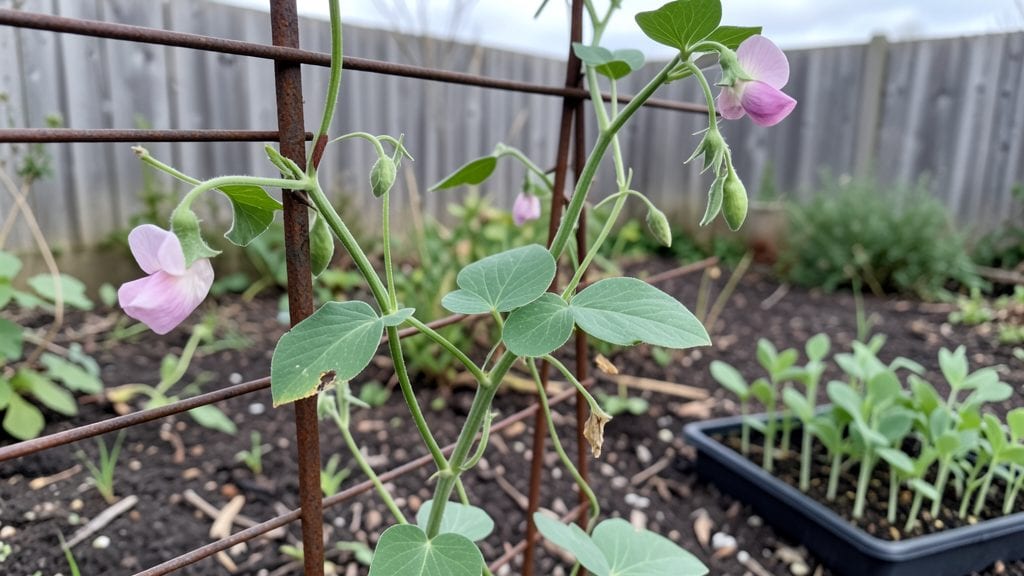
Growing sweet pea flowers from seed to bloom in just six weeks feels like magic—especially when you see those fragrant, velvety blooms climbing your trellis. I remember the first time I planted them in my grandmother’s garden; the scent alone made me fall in love.
These delicate climbers aren’t just pretty—they’re hardy, drought-tolerant once established, and perfect for small spaces or vertical gardens.
The secret starts with cool-season timing: plant seeds in early spring or late summer for fall blooms, when soil temps hover around 50-65°F. Sweet peas need well-draining soil rich in organic matter, and a sturdy trellis (even a simple wire frame works) to support their 6-foot vines.
Overwatering is the biggest rookie mistake—keep soil moist but not soggy, and watch for powdery mildew if humidity spikes.
By week 6, you’ll be rewarded with clusters of buttery yellow, deep purple, or candy-striped blooms that perfume the air. The flowers last longer if you deadhead spent blooms, and the seeds self-sow easily, giving you free plants next year.
Even my black thumb can’t kill these—just give them space, patience, and a little trellis love.
Works in containers, along fences, or as a living screen—sweet peas adapt beautifully. The only rule? Plant them early, and let the vines do the rest. Ready to turn your corner of the world into a fragrant, climbing paradise?
📚 In This Guide
- What you need
- Instructions
- Tips and common mistakes
- Wrapping up and next steps
What you need
- ● Sweet pea seeds: 10–20 seeds (choose heirloom varieties like 'Cupani' or 'Sparkler' for vibrant colors)
- ● Well-draining potting mix: 1–2 gallons (sterilized, peat-based or coco coir blend for seedlings)
- ● Seed-starting trays or small pots: 2–4 (3–4" deep with drainage holes)
- ● Garden soil or compost: 1–2 cubic feet (loamy, rich in organic matter for transplanting)
- ● Trellis, fence, or stakes: 4–6 feet tall (bamboo, metal, or wooden for climbing support)
- ● Organic fertilizer: 5-10-5 or balanced (1 tbsp per plant at planting)
- ● Watering can or hose with gentle spray nozzle: (for consistent moisture)
- ○ Mulch (optional but recommended): Straw or shredded leaves (1–2 inches to retain moisture)
- ● Hand trowel or small shovel: For transplanting seedlings
- ● Pruning shears: To trim dead blooms and encourage growth
- ● Garden twine or clips: For securing vines to trellises
- ● Spray bottle (for seedlings): To mist and prevent damping-off
- ● Garden gloves: To protect hands from thorns (some varieties have them!)
- ○ Slow-release fertilizer pellets: (Optional for long-term nourishment)
Step-by-step guide for growing sweet pea flowers
Sweet peas bring fragrant charm to gardens—here’s how to coax those vibrant blooms in just six weeks.
🌱 Step 1: Start Seeds Indoors 8-10 Weeks Before Last Frost
Fill small seed trays with moistened seed-starting mix and sow seeds ½ inch deep. Sweet peas germinate best at 65-70°F, so place trays on a heat mat if your home runs cooler. Keep the soil consistently damp but never soggy—these seeds need moisture to break dormancy.
Cover the trays with plastic wrap or a humidity dome to trap warmth. Check daily for condensation; wipe off excess water to prevent fungal issues. Germination typically takes 7-14 days, though cooler temps may delay sprouting. Once seedlings emerge, remove the cover immediately to prevent damping-off.
Place trays under grow lights for 12-14 hours daily. Sweet pea seedlings are sensitive to legginess—if stems stretch toward light, lower the lights to within 2-3 inches of the plants. Strong seedlings will have thick stems and deep green leaves within 3-4 weeks.
☀️ Step 2: Harden Off and Transplant After Frost
Two weeks before your last frost date, begin hardening off seedlings by moving them outdoors for 1 hour daily in a sheltered spot. Gradually increase exposure over 7-10 daysfull sun to partial shade, but too much direct heat wilts their delicate blooms.
Choose a trellis or sturdy support for climbing varieties—sweet peas need vertical space to grow. Plant seedlings 2-3 inches deep, spacing them 12-18 inches apart to allow airflow. Bury the stems slightly deeper than in containers to encourage root development.
Water deeply at transplanting to settle soil around roots. Mulch with 2-3 inches of organic mulch to retain moisture and suppress weeds. Sweet peas prefer cool soil, so avoid planting in hot summer months—they’ll bolt quickly in heat.
💧 Step 3: Maintain Moisture and Fertility for Blooms
Sweet peas need consistent moisture—water when the top 1 inch of soil feels dry. Drip irrigation or soaker hoses work best to avoid wetting foliage, which can spread disease. Overhead watering in the morning lets leaves dry quickly, reducing fungal risks.
Fertilize lightly every 4-6 weeks with a balanced 10-10-10 fertilizer or compost tea. Too much nitrogen promotes leafy growth at the expense of blooms. Instead, focus on phosphorus and potassium to encourage flowering. Watch for yellowing leaves—a sign of over-fertilization.
Pinch back the main stem when it reaches 6-8 inches to encourage bushier growth. This simple step prevents leggy plants and boosts side shoots where flowers will form. Deadhead spent blooms regularly to prolong the flowering season—sweet peas reward consistent care with weeks of fragrant color.
✂️ Step 4: Support and Prune for Continuous Blooms
As vines grow, gently weave stems through trellis supports to prevent tangling. Sweet peas twine naturally but may need occasional tying if winds are strong. Avoid harsh pruning—focus on removing only dead or diseased foliage to keep plants healthy.
Harvest blooms in the morning for maximum fragrance and vase life. Cut stems at a 45-degree angle just above a leaf node to encourage new growth. Reuse cuttings as bouquets or compost them to return nutrients to the soil.
By late summer, sweet peas may slow production. At this point, allow plants to go dormant naturally or cut back stems to 6 inches to rejuvenate growth. Most varieties reseed easily—collect fallen seeds for next year’s garden or save a few to dry indoors.
Tips & tricks for growing sweet pea flowers
Sweet peas reward patience with their delicate beauty—here's how to give them the best start possible.
Germination Temperature: While the instructions specify 65-70°F for optimal germination, I've found that placing trays on a heat mat set to 72°F speeds up sprouting by 2-3 days. Just be careful not to exceed 75°F, as seeds can overheat and fail to germinate. The key is maintaining that cozy, consistent warmth without letting it get too intense.
Lighting Strategy: For those 12-14 hours of daily grow light, I recommend using full-spectrum LED bulbs—they mimic natural sunlight better than standard grow lights. Position them just 2-3 inches above seedlings as instructed, but check weekly. As plants grow, you'll need to adjust the height to maintain this distance, preventing leggy stems that stretch toward the light.
Transplanting Depth: The instructions mention planting seedlings 2-3 inches deep, but here's the thing: if your soil is particularly loose or sandy, go deeper—up to 3-4 inches. This extra depth encourages stronger root development, especially in cooler climates where roots need to establish before warm weather arrives. Just make sure not to bury the seeds too deeply in dense clay soils.
Watering Wisdom: When maintaining that 1-inch soil moisture level, I've learned to water in the morning rather than evening. This gives foliage time to dry completely before nightfall, significantly reducing the risk of fungal diseases like powdery mildew. Sweet peas are particularly susceptible to these issues, so this simple habit makes all the difference.
Pro Tips for Grow Sweet Pea Flowers
- Sweet peas reward patience with their delicate beauty—here's how to give them the best start possible.
- Germination Temperature: While the instructions specify 65-70°F for optimal germination, I've found that placing trays on a heat mat set to 72°F speeds up sprouting by 2-3 days.
- Lighting Strategy: For those 12-14 hours of daily grow light, I recommend using full-spectrum LED bulbs—they mimic natural sunlight better than standard grow lights.
Frequently asked questions
Got questions about growing sweet peas? You’re not alone—these fragrant climbers can be tricky for beginners! Here are answers to the most common queries to help you cultivate a thriving vine of blooms.
When is the best time to plant sweet peas?
Sweet peas thrive in cool weather, so plant them 4–6 weeks before your last frost in early spring or late summer for fall blooms. Avoid planting in hot soil (over 75°F/24°C)—they’ll sulk! Start seeds indoors 8–10 weeks before transplanting for an earlier show.
How long does it take for sweet peas to flower?
With proper care, expect 6–10 weeks from planting to first blooms. Early varieties (like ‘Cupani’) may flower in as little as 8 weeks, while later types take closer to 3 months. Patience pays off—once established, they’ll reward you with weeks of continuous blooms!
Why aren’t my sweet peas blooming? Troubleshooting tips.
No flowers? Check these fixes:
- Lack of support: Sweet peas need a strong trellis or fence—they won’t climb without it!
- Over-fertilizing: Too much nitrogen = lush leaves, no flowers. Use a low-nitrogen, high-phosphorus fertilizer instead.
- Deadheading delay: Snip spent blooms to encourage more flowers.
- Heat stress: If temps hit 80°F+/27°C+, they’ll bolt. Provide afternoon shade in hot climates.
Can I grow sweet peas in containers? What’s the best setup?
Use a deep container (at least 12 inches tall) with drainage holes and a trellis or wire cage. Choose dwarf varieties like ‘Tom Thumb’ for smaller spaces. Ensure the pot stays consistently moist—containers dry out faster than garden beds.
Are sweet peas annuals or perennials?
In most climates, sweet peas are treated as annuals because they struggle to survive freezing winters. However, in USDA Zones 7–9 (mild winters), they may self-seed or return the following year. Save seeds from healthy plants for next season’s garden!
Pro Tip:
For extra-sweet fragrance, plant sweet peas near seating areas or windows. Their intoxicating scent peaks in the morning, so enjoy a cup of tea while admiring their blooms!
Wrapping up and next steps
Growing sweet pea flowers is a rewarding journey that brings fragrant beauty to your garden in just 6 weeks! With the right soil, sunlight, and care, these climbers will thrive and fill your space with vibrant blooms.
Don’t let a few challenges discourage you—patience and consistency are key, and soon you’ll be enjoying their intoxicating scent and stunning colors.
Now that you’re armed with all the tips, take the next step—plant your seeds or seedlings today! Whether you’re a beginner or a seasoned gardener, sweet peas are a joy to grow. Happy gardening, and may your garden be as sweet as the flowers themselves! 🌸✨