
Flowers
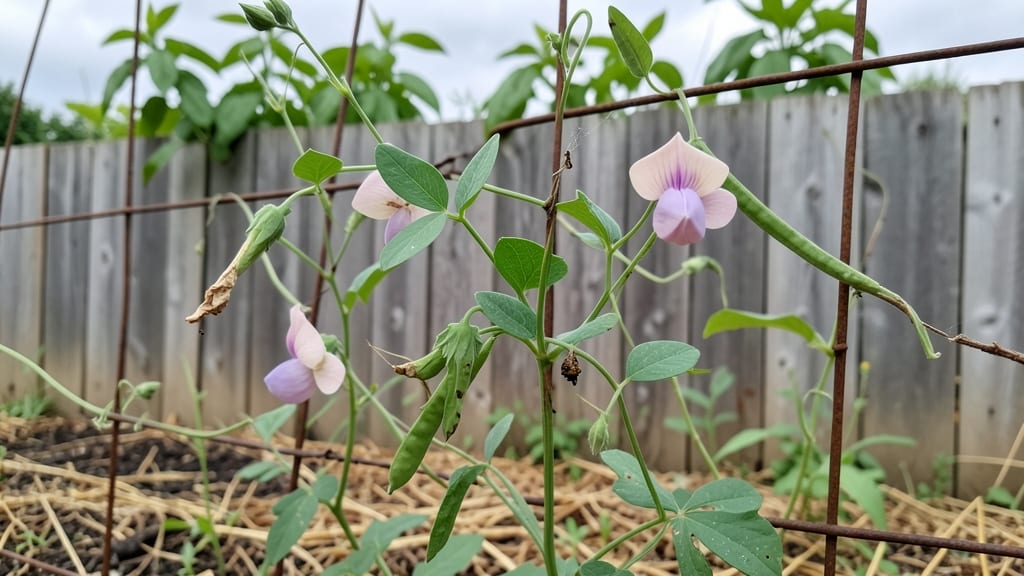
Growing wild sweet peas in the Pacific Northwest means you get fragrant, frost-hardy blooms that thrive where other flowers give up. 🌿 I learned the hard way that regular sweet peas struggle with our damp winters, but native varieties like Lathyrus latifolius or L. sylvestris bounce back year after year—even after light freezes.
The secret lies in their deep roots and natural resilience, which makes them perfect for coastal gardens and rain-soaked climates.
You’ll need just three things to get started: a sunny spot (at least 6 hours of light daily), well-draining soil mixed with compost, and a sturdy trellis or fence for climbing.
These wild varieties don’t need fancy fertilizers—just a light feeding of 5-10-10 in early spring and consistent moisture (but no soggy roots). Plant seeds in early spring or late summer for fall blooms, and watch them self-seed like crazy once established.
By midsummer, you’ll have vibrant purple, pink, or white blooms cascading down your trellis, filling the air with a sweet pea scent that lasts all day. The best part?
They’re deer-resistant and attract pollinators like bees and butterflies. Just avoid overcrowding—give them 12-18 inches of space—and deadhead spent blooms to encourage more flowers.
Works in containers too (choose dwarf varieties), and they even handle partial shade if you’re in a heavily shaded yard. Here’s how to keep them thriving through our wet winters—no black thumb required.
📚 In This Guide
- What you need
- Instructions
- Tips and common mistakes
- Wrapping up and next steps
What you need
- ● Wild sweet pea seeds: Choose frost-resistant varieties like Lathyrus latifolius or Lathyrus odoratus (sweet pea hybrids). Aim for 50-100 seeds depending on your garden size.
- ● Well-draining potting mix: A blend of 50% peat moss or coconut coir, 30% perlite or vermiculite, and 20% compost (for seed-starting). For planting outdoors, use native soil amended with compost.
- ● Containers or seed trays: If starting indoors, use biodegradable pots (3-4 inches deep) or seed trays with drainage holes. For direct sowing, mark planting spots with bamboo stakes or plant labels.
- ● Garden twine or trellis: Sweet peas are climbers! Use 5-6 ft tall trellises, fences, or stakes (e.g., metal or wooden lattice) for support.
- ● Organic fertilizer: A balanced 10-10-10 or 5-5-5 NPK fertilizer (or compost tea) to boost growth. 1 tbsp per plant at planting and again when flowers appear.
- ● Hand trowel (for transplanting seedlings)
- ● Watering can with a fine rose nozzle (to avoid disturbing seeds)
- ● Pruning shears (for deadheading and shaping vines)
- ○ Gloves (optional but helpful for thorny varieties)
- ● Sunlight: 6+ hours of direct sun daily (partial shade in hot afternoons is fine for PNW summers).
- ● Soil pH: Aim for 6.0–7.0 (slightly acidic to neutral). Test your soil with a pH kit if unsure.
- ● Watering routine: Keep soil consistently moist but not soggy, especially during germination (spritz seeds lightly daily).
- ● Frost tolerance: Choose varieties labeled "hardy to Zone 5" (e.g., Lathyrus latifolius) for PNW’s chilly springs.
- ● Mulch (straw or wood chips) to retain moisture and suppress weeds.
- ● Epsom salt (1 tbsp dissolved in water) for magnesium boosts (sweet peas love it!).
- ● Bee-friendly companion plants like lavender or borage to attract pollinators.
- ● Garden journal to track planting dates, blooms, and growth tips!
How to grow hardy wild sweet peas in the Pacific Northwest
These resilient climbers thrive where others falter—here’s how to get them established strong.
🌱 Step 1: Choose the Right Frost-Resistant Varieties
For the Pacific Northwest’s unpredictable climate, select Lathyrus latifolius or Lathyrus odoratus varieties bred for cold tolerance, like ‘Cupani’ or ‘Blue Bird’. These handle 30°F nights without damage, unlike tender European varieties. I always check seed packets for “hardy” or “perennial” labels—those are your winners.
Start with 4-6 plants spaced 18-24 inches apart along a trellis or fence. Wild sweet peas self-seed aggressively, so you’ll get bonus blooms next year without extra effort. Plant in well-draining soil—they hate soggy roots but tolerate poor, rocky ground better than most flowers.
🪴 Step 2: Prepare the Planting Site for Cold Climates
Amend heavy clay soil with 2 inches of compost mixed into the top 6 inches of soil. Wild sweet peas prefer slightly alkaline soil (pH 6.5-7.5)—test your soil and add wood ash if needed. I avoid fresh manure; it burns tender roots and attracts pests.
Choose a south-facing wall or trellis to maximize winter sun exposure. In cloudy PNW winters, this extra light helps plants store energy for spring growth. Plant seeds ½ inch deep in early fall (October) or late winter (February-March), when soil temps hover around 40-50°F.
☀️ Step 3: Water and Mulch for Winter Survival
Water deeply once after planting, then let nature take over. Wild sweet peas are drought-tolerant once established, but young roots need moisture to anchor. I use 2-3 gallons per plant—enough to soak 12 inches deep. Overwatering now causes rot, especially in heavy soils.
Apply 3 inches of straw mulch around the base to insulate roots. This prevents heaving (when soil freezes and lifts roots) and keeps soil temps stable. In spring, the mulch will break down, adding organic matter—no extra work needed.
✂️ Step 4: Prune and Support for Maximum Blooms
In early spring, trim back any blackened or mushy stems—signs of winter damage. Healthy stems will emerge from the base. As vines grow, gently weave them into the trellis to prevent wind damage. Wild sweet peas don’t need heavy pruning; I only remove spent flower spikes to encourage more blooms.
Watch for powdery mildew in humid PNW summers. Space plants properly and avoid overhead watering. If you see white dust on leaves, spray with neem oil at dusk. The blooms last 4-6 weeks, but deadheading extends the season—just pinch off faded flowers before they set seed.
⏰ Step 5: Harvest Seeds for Next Year’s Garden
Let some flowers mature into pods—they’ll turn brown and papery by late summer. Collect seeds in late August or September before they scatter. Store them in a cool, dry place (like a seed envelope in the fridge) for up to 3 years. I label pods with the year to track varieties.
Wild sweet peas self-sow prolifically, so you’ll likely find volunteers popping up in spring. Thin these to 12 inches apart—crowded plants produce fewer blooms. The more you grow, the more resilient your patch becomes to PNW’s wet winters.
Tips & tricks for growing hardy wild sweet peas
These resilient climbers thrive where others falter—here’s how to get them established strong.
Variety Selection: When choosing seeds, prioritize those labeled "perennial" or "hardy" to ensure they’ll return year after year. I’ve found that ‘Cupani’ and ‘Blue Bird’ varieties not only survive PNW winters but also produce the most vibrant blooms. Look for seed packets that specify "cold-hardy" or "frost-resistant" to avoid disappointment—some European varieties simply won’t make it through our winters. The 30°F tolerance mentioned in the instructions is non-negotiable for reliable growth.
Soil Preparation Insight: The 2 inches of compost mixed into the top 6 inches of soil creates a perfect balance—enough organic matter to improve drainage while retaining moisture without becoming waterlogged. For heavy clay soils common in the PNW, I recommend adding a handful of perlite or coarse sand to further improve drainage. This prevents the dreaded root rot that can plague tender plants in our wet winters. The slightly alkaline pH (6.5-7.5) is crucial—test your soil with a simple kit from your local garden center if you're unsure.
Planting Timing Strategy: The recommended planting window of early fall (October) or late winter (February-March) takes advantage of our mild PNW winters. Planting in October allows seeds to establish roots before winter sets in, while late winter planting gives them a head start on spring growth. I’ve noticed that seeds planted in February often bloom earlier than those planted in October, though both methods work well. The key is ensuring soil temperatures stay between 40-50°F—too cold and germination slows, too warm and seeds may rot.
Mulching Mastery: That 3-inch layer of straw mulch isn’t just for insulation—it’s a game-changer for winter survival. The mulch acts like a blanket, protecting roots from temperature fluctuations that cause heaving. I’ve seen plants survive -10°F nights with proper mulching, though our 30°F nights are typically the real test. In spring, the decomposing mulch adds valuable organic matter to the soil, reducing your need for additional amendments. For extra protection in exposed areas, consider adding a thick layer of leaves on top of the straw.
Pro Tips for Wild Sweet Pea Flower
- These resilient climbers thrive where others falter—here’s how to get them established strong.
- Variety Selection: When choosing seeds, prioritize those labeled "perennial" or "hardy" to ensure they’ll return year after year.
- Soil Preparation Insight: The 2 inches of compost mixed into the top 6 inches of soil creates a perfect balance—enough organic matter to improve drainage while retaining moisture without becoming waterlogged.
Frequently asked questions
Got questions about growing wild sweet pea flowers in the Pacific Northwest? You’re not alone! Here are answers to the most common queries—from planting tips to troubleshooting—so you can confidently cultivate these frost-hardy beauties.
When is the best time to plant wild sweet peas in the PNW?
The ideal window is late winter to early spring (February–March), once the soil is workable but before temperatures consistently rise above 70°F. For fall planting, aim for September–October—this gives roots time to establish before winter. Pro tip: In colder microclimates (e.g., coastal WA or high-elevation OR), wait until after the last frost (usually April).
Are wild sweet peas truly frost-resistant? How cold can they handle?
Yes! These hardy varieties tolerate light frosts down to 20°F once established, but young seedlings need protection below 32°F. Use row covers or mulch heavily in winter. Bonus: Their self-cleaning pods often survive winter, reseeding naturally for spring blooms. For extra safety, plant in sheltered spots (e.g., near fences or under deciduous trees).
What’s the difference between wild sweet peas and cultivated sweet peas?
Wild sweet peas (Lathyrus latifolius or L. odoratus varieties) are perennial, low-maintenance, and drought-tolerant, while cultivated sweet peas are often annuals with showier blooms but less hardiness. Wild types have fragile, self-seeding habits and thrive in poor soil—perfect for PNW gardens where other flowers falter. Trade-off: They may not climb as vigorously as hybrids.
Why aren’t my wild sweet peas blooming this year?
Common culprits:
- Over-fertilizing (they prefer lean soil—too much nitrogen = lush foliage, few flowers).
- Poor sunlight (they need full sun to part shade; PNW shade can delay blooms).
- Crowded roots (thin plants if they’re competing for space).
- First-year plants often focus on root growth—blooms may appear year two.
Fix it: Deadhead spent blooms to encourage more flowers, and ensure they’re in well-draining soil.
Can I grow wild sweet peas in containers? What’s the best setup?
Use 10–12" deep containers with drainage holes, filled with a mix of potting soil + perlite (they hate soggy roots). Choose compact varieties like ‘Cupani’ or ‘Multicaulis’ (bush types). Place pots in full sun and water deeply when the top inch of soil dries. Container tip: Train vines with a small trellis or let them trail over edges for a cascading effect.
Wrapping up and next steps
Growing wild sweet pea flowers in the Pacific Northwest isn’t just rewarding—it’s an adventure in resilience and beauty! 🌿 With frost-resistant varieties like Lathyrus latifolius or Lathyrus odoratus, you’re not just adding color to your garden; you’re embracing nature’s hardiness.
Whether you’re a seasoned gardener or a curious beginner, these fragrant blooms will thrive with the right care and patience.
Ready to take the next step? Start small—plant a few seeds or seedlings this season and watch your garden transform! Share your progress with fellow gardeners or explore even more frost-resistant perennials to expand your green haven. Happy growing! 🌸