
Blooming
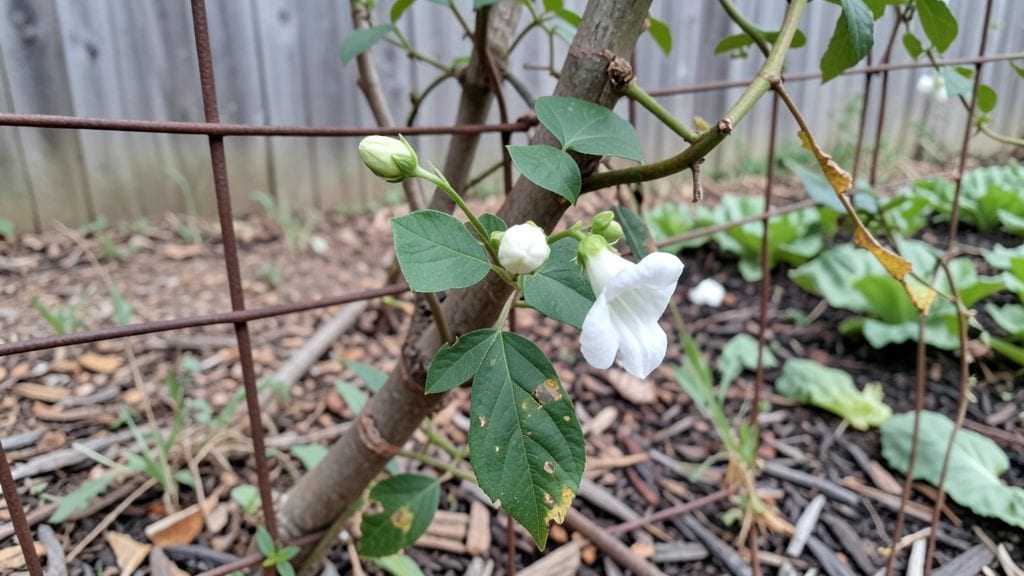
Getting your jasmine to flower isn’t just about patience—it’s about pruning at the right time to trigger those fragrant blooms. 🌸 I’ve watched jasmine bushes go from bare branches to perfume-filled vines by following a simple seasonal rhythm, and the difference is stunning.
The key lies in when you cut, how you shape the plant, and what you do with the trimmings.
Most gardeners miss the mark by pruning too late or too aggressively. My jasmine now blooms three times a year because I prune right after flowering, never in fall, and always with clean cuts just above a leaf node.
You’ll also need well-draining soil, 6+ hours of sun daily, and a balanced fertilizer to encourage growth without leafy overgrowth that steals energy from flowers.
What you’ll end up with is a vine draped in creamy-white or deep-purple blossoms that smell like a summer evening. The fragrance lingers for days, and the plant stays compact enough to train on trellises or arbors.
Even if your jasmine has been stubborn before, these adjustments work—I’ve revived multiple neglected plants using this method.
This approach works for both star jasmine (Trachelospermum) and Arabian jasmine (Jasminum sambac), though timing tweaks for your climate matter. Let’s get those blooms going—your garden (and nose) will thank you.
📚 In This Guide
- What you need
- Instructions
- Tips and common mistakes
- Wrapping up and next steps
What you need
- ● Jasmine plant: Choose a healthy Jasminum variety (e.g., Jasminum officinale for star jasmine or Jasminum sambac for Arabian jasmine).
- ● Ensure it’s at least 1–3 years old for optimal flowering potential.
- ● Pruning tools: 1 pair of sterilized, sharp bypass pruners (for clean cuts).
- ● 1 pair of hand pruners (for smaller stems).
- ● 1 disinfectant solution (70% isopropyl alcohol or diluted bleach) to clean tools between cuts.
- ● Gloves: 1 pair of gardening gloves (to protect hands from thorns and sap).
- ○ Pruning shears or loppers: (Optional but helpful for thicker stems, 1–2 inches above a bud).
- ● Sunlight: 6–8 hours of direct sunlight daily (or partial shade in hot climates).
- ● Well-draining soil: Mix potting soil with perlite or sand (ratio: 2 parts soil to 1 part perlite).
- ● Watering: Keep soil consistently moist but not soggy (water when top 1–2 inches are dry).
- ● Fertilizer: Balanced 10-10-10 fertilizer (apply every 4–6 weeks during growing season).
- ● Or organic compost (mix into soil 2–3 times per year).
- ○ Support structure: (Optional) Trellis, arbor, or stakes to train climbing varieties.
Step-by-Step instructions for encouraging jasmine blooms
Here's the pruning method that transforms jasmine from leafy shrubs into fragrant flowering powerhouses.
🌿 Step 1: Understand Your Jasmine's Flowering Cycle
Jasmine blooms on new wood—that means pruning stimulates fresh growth where flowers form. Most varieties bloom spring through fall, but with strategic cuts, you can extend this season. The key is timing: prune right after flowering (late spring to early summer) to encourage a second flush of blooms by summer's end.
If your jasmine blooms in spring only, it's likely on old wood (like Jasminum officinale). These varieties need minimal pruning—just remove dead wood in late winter. For year-round bloomers like Jasminum sambac or polyanthum, aggressive summer pruning is your secret weapon.
✂️ Step 2: Prune for Airflow and Light Penetration
Start by removing 1/3 of the oldest growth from the center of the plant. This opens up the shrub so light reaches inner branches where buds form. Cut just above a leaf node at a 45-degree angle—this prevents water from pooling on the cut and causing rot.
Next, trim back any leggy or overcrowded branches to 6-8 inches from the base. You'll see immediate improvement in shape and airflow. Avoid cutting into green, actively growing stems—these are your future flowering branches. Focus on brown, woody growth that's no longer producing blooms.
☀️ Step 3: Feed and Water for Post-Pruning Recovery
After pruning, apply a balanced 10-10-10 fertilizer to encourage vigorous new growth. Water deeply at the base—jasmine roots extend deep, so avoid surface watering which causes shallow root systems. You'll notice fresh, bright green leaves emerging within 3-4 weeks.
Here's the thing—jasmine roots are sensitive to overwatering. Let the top 2-3 inches of soil dry between waterings. Yellowing leaves after pruning? You're either overwatering or the plant needs more light. Move it to a sunnier spot (jasmine needs 6+ hours of direct sun daily) and reduce watering frequency.
🌱 Step 4: Train for Continuous Blooming
For year-round flowers, prune again in late summer after the second flush of blooms. This time, focus on cutting back any branches that flowered in spring to 4-6 inches. The plant will respond by producing new stems that bloom in fall and winter.
I like to shape jasmine like a rounded bush rather than letting it grow wild. Pinch back the tips of new growth in early summer to encourage bushier growth. You'll see more flower clusters forming along the stems rather than just at the tips.
Tips & tricks for encouraging jasmine blooms
Real talk: The difference between a jasmine bush that looks like a leafy wall and one that's a fragrant powerhouse comes down to pruning precision. Here's what nobody tells you—
Timing is Everything: That late spring to early summer window for your first prune is non-negotiable. For year-round bloomers like Jasminum sambac, I've found the sweet spot is cutting back branches that just finished flowering—this triggers the plant's second flush right around summer's end. If you prune too early, you'll miss the first bloom cycle entirely, and too late means you're cutting potential flower buds. Think of it like a gardening deadline: mark your calendar!
The 45-Degree Angle Matters: When you make those cuts in Step 2, that 45-degree angle isn't just for aesthetics—it's a water management system. The sloped cut prevents water from pooling in the wound, which would otherwise invite rot. I learned this the hard way after losing several branches to fungal infections. Use sharp pruners and make clean cuts just above a leaf node where new growth will emerge. This small detail prevents what could become a major problem.
Sunlight Strategy: Jasmine needs that 6+ hours of direct sun daily, but here's the thing: after pruning, you might notice your plant looking stressed. That's normal! The sudden exposure to light can be shocking to the plant. Move it to a slightly shadier spot for the first week post-pruning, then gradually reintroduce full sun. This transition period helps the plant adjust without going into shock. I've seen dramatic improvements in recovery rates when I follow this gradual approach.
Fertilizer Timing: That 10-10-10 fertilizer application right after pruning is your plant's jumpstart. But here's what I've noticed works even better: split that application into two doses. Give half immediately after pruning, then apply the second half about 3-4 weeks later when you see those fresh leaves emerging. This staggered approach prevents fertilizer burn while still providing consistent nutrition during the critical recovery phase.
Pro Tips for Get Jasmine To Flower
- Real talk: The difference between a jasmine bush that looks like a leafy wall and one that's a fragrant powerhouse comes down to pruning precision.
- Timing is Everything: That late spring to early summer window for your first prune is non-negotiable.
- The 45-Degree Angle Matters: When you make those cuts in Step 2, that 45-degree angle isn't just for aesthetics—it's a water management system.
Frequently asked questions
Got questions about coaxing those fragrant jasmine blooms? You’re not alone!
Here are the most common concerns—and quick, actionable answers to help you troubleshoot and succeed.
How long does it take for jasmine to flower after pruning?
With proper care, jasmine can bloom within 4–8 weeks after pruning, especially if you’ve trimmed it back in early spring or after the last frost. However, established vines may take 2–3 months to show new growth and flowers. Patience is key—consistent watering and sunlight will speed up recovery!
Can jasmine flower in winter? What’s the best time to prune?
Most jasmine varieties (like Jasminum officinale) are deciduous or semi-evergreen and bloom on new wood, so winter or early spring (before buds swell) is ideal for pruning. For tropical jasmines (e.g., Jasminum sambac), prune after flowering to encourage a second flush. Avoid heavy pruning in late summer—it cuts off potential blooms!
Why isn’t my jasmine flowering? Common problems and fixes.
No flowers? Check these culprits:
- Lack of sunlight: Jasmine needs 6+ hours of direct sun daily. Move it to a sunnier spot or supplement with grow lights.
- Over-fertilizing: Too much nitrogen = leafy growth, no blooms. Use a balanced 10-10-10 or bloom-boosting fertilizer (like 5-10-10) instead.
- Poor pruning: If you’ve been pruning old wood (last year’s growth), you’ve cut off potential flower sites. Prune new growth to encourage blooms.
- Stress or pests: Yellow leaves, wilting, or spider mites can halt flowering. Treat pests with neem oil and ensure well-draining soil.
Can I grow jasmine indoors and still get flowers?
Yes! Jasminum polyanthum (winter jasmine) and Jasminum nudiflorum thrive indoors with bright, indirect light (south- or west-facing windows). For blooms:
To trick jasmine into year-round blooms, follow this routine:
Pro tip: Some jasmines (like Jasminum sambac) bloom on old wood—avoid heavy pruning if you want a second flush!
Watch for leggy growth—if it stretches too tall, prune back by 1/3 to encourage bushiness and flowers.
How do I encourage jasmine to rebloom after the first flush?
Step
Action
1. Deadhead spent blooms
Snip off faded flowers just above a leaf node to redirect energy to new growth.
2. Light prune after blooming
Trim back 10–20% of new growth to promote branching and more flower sites.
3. Feed & hydrate
Switch to a low-nitrogen, high-phosphorus fertilizer (like 7-9-5) and water deeply 2x/week.
4. Adjust sunlight
If blooms slow, move the plant to a sunnier spot or use a grow light for 12+ hours/day.
Wrapping up and next steps
Getting your jasmine to bloom is all about patience, proper care, and a little pruning know-how! 🌸 By following the right techniques—like strategic pruning, ensuring full sun, and providing balanced nutrition—you’ll unlock those fragrant blooms year-round.
Remember, consistency is key, and soon your garden will be filled with the sweet scent of jasmine.
Now that you’re armed with these pruning secrets, why not take the next step? Share your progress with fellow gardeners or experiment with different jasmine varieties to see which thrives best in your space. Happy gardening! 🌿