
Flowers
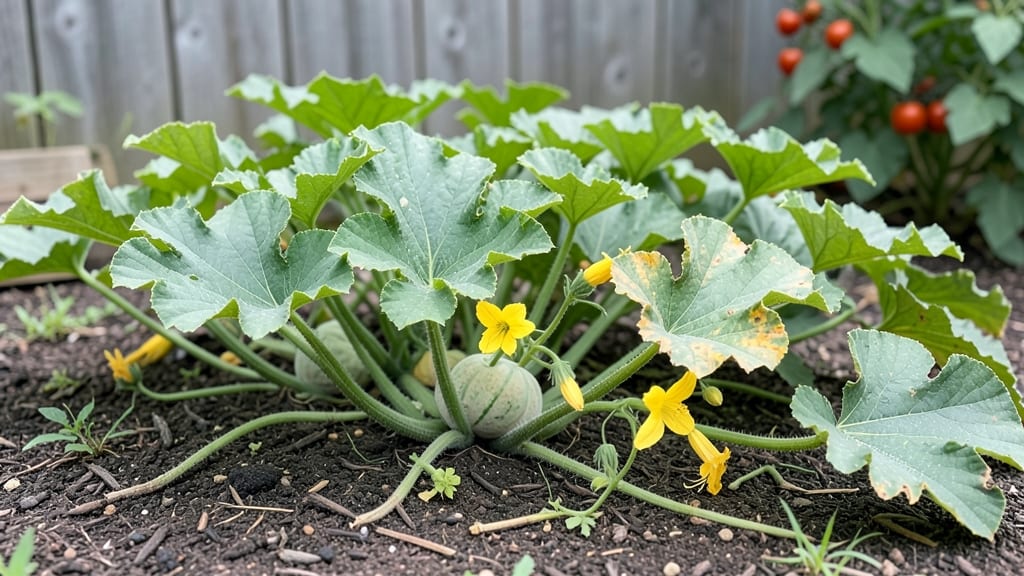
Getting female pumpkin flowers isn’t just luck—it’s science you can control. ✨ I’ve grown pumpkins for years, and the difference between a handful of fruit and a harvest that feeds the neighborhood comes down to understanding what your plants truly need.
The key isn’t just sunlight or water; it’s the balance of nutrients, pruning, and even the right time to let nature take its course.
Most gardeners overlook the simple fact that female flowers appear when plants feel strong and unstressed. That means rich soil with plenty of phosphorus (the "fruit" nutrient), consistent watering, and a few strategic cuts to encourage new growth.
My biggest breakthrough came when I stopped treating all vines equally—focusing on the main stems where female flowers tend to form first.
By mid-summer, you’ll see those telltale female blooms with their tiny pumpkin bumps at the base. The plants will start setting fruit reliably, and you’ll avoid the frustration of male flowers blooming all season while the vines stay barren.
This method works for both small patio pumpkins and giant field varieties—no matter your space or ambition.
Here’s the game-changer: once you master the basics, you’ll troubleshoot like a pro. Too many male flowers? We’ll fix that. Poor fruit set? We’ll adjust. The secret is in the details—and I’ve got them all covered to turn your pumpkin patch from "hopeful" to "harvest-ready."
📚 In This Guide
- What you need
- Instructions
- Tips and common mistakes
- Wrapping up and next steps
What you need
- ● Pumpkin seeds or seedlings: Choose a variety suited to your climate (e.g., Cucurbita pepo for smaller fruits or Cucurbita maxima for giant pumpkins). Start with 3–5 healthy seeds or seedlings per plant.
- ● Well-draining soil: A mix of 60% topsoil, 30% compost, and 10% perlite or sand (pH 6.0–6.8). Test your soil’s fertility beforehand!
- ● Sunlight: A full-sun location (6–8+ hours of direct sunlight daily). Pumpkins are sun-worshippers!
- ● Water: Access to 1–2 inches of water per week (more during flowering/fruiting). Drip irrigation or soaker hoses work best.
- ● Fertilizer: Balanced fertilizer (10-10-10) at planting (1 tbsp per plant).
- ● High-potassium fertilizer (5-10-10) when flowers appear (1 tbsp every 2 weeks).
- ● Garden gloves (to protect from prickly vines).
- ● Trowel or transplanting spade (for planting seeds/seedlings).
- ● Pruning shears (to remove male flowers if hand-pollinating).
- ● Small paintbrush or cotton swab (for manual pollination).
- ○ Row covers or bird netting (optional, to protect flowers from pests).
- ● Straw or mulch (to retain moisture and suppress weeds).
- ● Warm weather: Pumpkins thrive in temperatures between 70–90°F (21–32°C). Wait until after the last frost to plant.
- ● Space: Allocate 50–100 sq ft per plant (vines can sprawl!). Trellises save space for smaller varieties.
- ● Patience: Female flowers appear 45–60 days after planting (varies by variety).
Step-by-step tricks for encouraging female pumpkin flowers
Here's how to coax your pumpkin vines into producing more female blooms—no fancy equipment needed.
🌱 Step 1: Give Plants Strong Early Growth
Start with healthy vines by providing full sun (6-8 hours daily) and warm soil (70-85°F). Female flowers only form when plants have enough energy stored in their leaves. I always wait until vines show 5-7 large leaves before expecting blooms, and I fertilize with balanced 10-10-10 when first flowers appear.
Use 1-2 gallons of water per plant weekly, keeping soil moist but never soggy. Wilting or yellowing leaves mean the plant's struggling to produce flowers. If your vines look leggy and pale, they need more light—not more water. Move them closer to the sun or add a temporary shade cloth if afternoon sun is too intense.
☀️ Step 2: Control Light Exposure for Flower Sex
Pumpkins produce female flowers when days are longer than 12 hours—this triggers the plant's reproductive cycle. If your vines are flowering but mostly male blooms appear, extend light with a grow light (14-16 hours daily) until female flowers dominate. I keep mine running from 5 AM to 9 PM during short-day seasons.
Watch for first true blooms—these will be small and yellow. The first 3-5 flowers are often male, but once you see swollen ovaries at the base of a bloom, that's your first female flower. Save these early females—they'll set fruit faster than later blooms.
💧 Step 3: Hand-Pollinate for Reliable Fruit Set
Even with female flowers, you'll need to help pollination along. On morning dew-free days, gently tap male flowers (the ones with long stems and no bulge at the base) to release pollen, then brush it onto female flowers (the ones with tiny pumpkins forming at their base). Do this between 8 AM and 10 AM when pollen is freshest.
If you're growing multiple varieties, keep pollen sources separate to avoid cross-pollination. I use a small paintbrush to transfer pollen—it's more precise than shaking vines, which can damage tender flowers. Repeat this process every 2-3 days until all female flowers are pollinated.
✂️ Step 4: Prune Strategically for More Females
Remove first male flowers that appear—they drain energy from fruit production. Focus on keeping 3-4 female flowers per vine by pruning excess blooms. I always leave the lowest female flowers on the vine first, as these will produce the largest pumpkins. Use clean bypass pruners to avoid tearing plant tissue.
Stop pruning once fruit begins to form—you want the plant to focus on swelling those pumpkins, not new growth. If vines look overcrowded, thin them to 1-2 main stems per plant. This directs energy to fewer, larger pumpkins instead of many small ones.
Tips & tricks for encouraging female pumpkin flowers
Real talk: Getting your pumpkin vines to produce female flowers isn't just luck—it's science. Here's how to give your plants the best shot at success without breaking a sweat.
Light Exposure Tip: That 14-16 hour daily light requirement is non-negotiable for female flowers. If your vines are struggling in short-day seasons, try placing them near a south-facing window or use a small LED grow light on a timer. I've seen dramatic results by running lights from 5 AM to 9 PM—just make sure the light is within 6-12 inches of the vines for maximum effectiveness.
Pruning Strategy: When you're keeping just 3-4 female flowers per vine, focus on the ones with the most robust stems and largest leaves. These will have the energy to develop into quality pumpkins. I always remove any male flowers that appear before the females—those early males are just stealing energy your plant could be using to grow fruit.
Pollination Timing: The 8 AM to 10 AM window for hand-pollination isn't arbitrary—it's when pollen is freshest and most viable. If you miss this window, try again in the afternoon, but avoid doing it when dew is present. I keep a small paintbrush handy and do quick pollination checks every 2-3 days until all female flowers have been serviced. This consistency makes all the difference!
Soil Temperature Check: That 70-85°F soil temperature is crucial for root activity that supports flowering. If your soil runs cooler, consider using black plastic mulch or a heat mat to warm the roots. I've seen plants in cooler climates produce female flowers 2-3 weeks earlier when I took this step—it's worth the small investment for faster results.
Pro Tips for Get Female Pumpkin Flowers
- Real talk: Getting your pumpkin vines to produce female flowers isn't just luck—it's science.
- Light Exposure Tip: That 14-16 hour daily light requirement is non-negotiable for female flowers.
- Pruning Strategy: When you're keeping just 3-4 female flowers per vine, focus on the ones with the most robust stems and largest leaves.
Frequently asked questions
Got questions about coaxing those elusive female pumpkin flowers? You're not alone! Here are answers to the most common queries—from timing to troubleshooting—to help you maximize your harvest.
How do I tell male vs. female pumpkin flowers apart?
Female flowers have a tiny pumpkin or fruit forming at the base of the blossom (like a mini gourd ), while males have a long, slender stem with no fruit. Check the flower’s "neck"—if it’s swollen, it’s female!
When is the best time to harvest female flowers for pollination?
Pick female flowers in the morning when they’re fully open but before the petals wilt. Aim for 5–7 days after they bloom—this is peak receptivity for hand-pollination. Avoid harvesting after noon to preserve pollen viability.
What if my pumpkin plant only has male flowers?
Don’t panic! Male flowers usually appear first (1–2 weeks before females). Boost female flowers by:
- Using low-nitrogen fertilizer (high phosphorus/potassium ratios).
- Ensuring full sun (6–8+ hours/day) and consistent watering.
- Pruning some male flowers to redirect energy to females.
Can I hand-pollinate if there are no bees around?
Use a soft paintbrush or cotton swab to transfer pollen from male to female flowers. Gently dab the male flower’s center (anther) onto the female’s stigma (the sticky tip). Do this early morning for best results.
Why aren’t my female flowers producing fruit?
Common culprits include:
- Poor pollination: Hand-pollinate if bees are scarce.
- Temperature stress: Pumpkins need warm days (70–90°F) and cool nights (50–60°F).
- Overcrowding: Thin vines to improve airflow and sunlight.
- Nutrient deficiencies: Add compost or a balanced fertilizer.
Wrapping up and next steps
Growing female pumpkin flowers is all about patience, the right conditions, and a little know-how!
By selecting vining varieties, providing optimal sunlight and soil, and mastering hand-pollination tricks, you’ll be well on your way to a fruitful harvest. 🌱✨ Don’t let a few missed blooms discourage you—experiment, observe, and refine your approach.
Ready to take the next step? Start small with a few plants, track what works, and soon you’ll be sharing your pumpkin-growing secrets with fellow gardeners! Happy gardening! 🎉