
Flowers
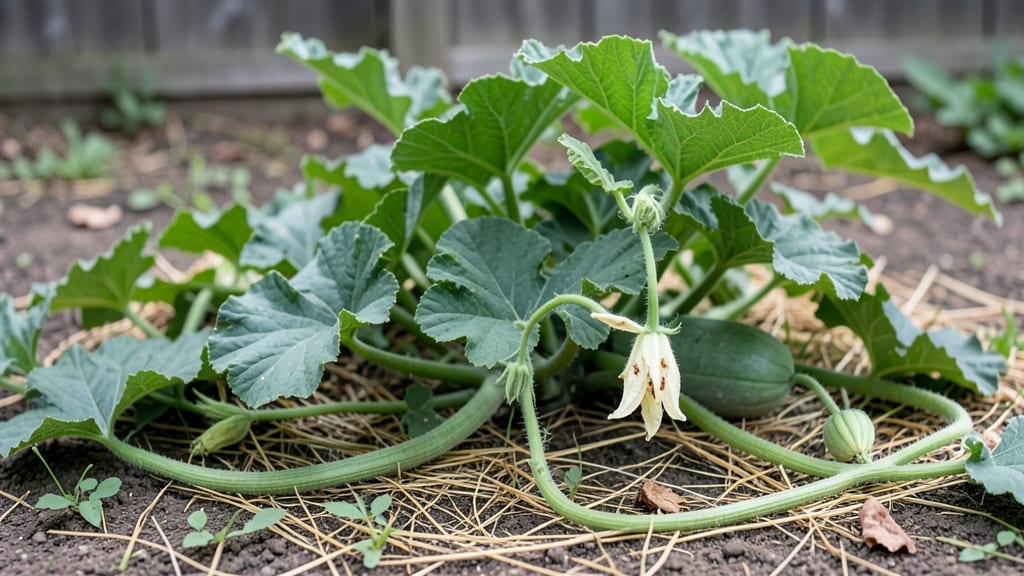
Spotting cantaloupe male and female flowers is the first step to a bountiful harvest—because those tiny blooms hold the secret to every sweet melon that follows. 🌱 I’ve watched my own vines struggle with poor fruit set year after year, only to learn that understanding flower anatomy can double your yield without fancy tricks.
The key difference? One flower gives pollen, the other holds the future fruit—knowing which is which means you’ll waste less energy on empty blooms.
Male flowers appear first and look like tiny, fragrant stars with a single long stem and no swelling at the base. Female flowers arrive later, with a tiny melon-shaped bump where the fruit will form.
The challenge? Many gardeners miss this detail entirely, leading to fewer pollinated flowers and smaller harvests. But once you train your eye, you’ll spot them everywhere—even on the same vine, sometimes just inches apart.
Boosting fruit set starts with patience and a little strategy. Let bees do their job first, but if your garden’s pollinators are scarce, hand-pollinate by transferring pollen with a soft brush or cotton swab from male to female flowers.
Within days, you’ll see those female blooms swell into miniature melons, signaling success. The payoff? A vine packed with fruit instead of wasted blossoms.
This method works in any climate, from sweltering summers to cooler growing zones—just adjust your timing. Early-season vines may need extra hand-pollination, while heatwaves can stress flowers. The secret isn’t luck; it’s observation. Now, let’s get those melons growing.
📚 In This Guide
- What you need
- Instructions
- Tips and common mistakes
- Wrapping up and next steps
What you need
- ● Cantaloupe plants – Healthy, mature vines (preferably with visible flowers or early fruit set).
- ● Magnifying glass or loupe – A 10x magnification tool for close-up inspection of flower structures.
- ● Notebook and pencil – To record observations (e.g., flower counts, pollination dates).
- ● Pruning shears or scissors – Sharp, sterilized tools for trimming excess male flowers or damaged vines.
- ● Soft paintbrush or cotton swab – For gentle pollen transfer (if hand-pollinating).
- ● Spray bottle with water – To mist flowers lightly (especially on hot days).
- ● Garden gloves – Protects hands from thorns and sap.
- ● Timer or phone alarm – To track flower opening times (male flowers open earlier!).
- ● Hand lens app – Use your smartphone for up-close photos of flower anatomy.
- ● Pollinator-friendly plants – Nearby blooms (e.g., marigolds, basil) to attract bees and other pollinators.
- ● Honey or sugar water – A 1:10 ratio solution to feed bees during poor pollination days.
- ● Labeling tags – To mark female flowers for easier tracking.
- ● Humidity tray – Helps maintain moisture in greenhouses or indoor growing setups.
Step-by-Step guide to identifying and supporting cantaloupe flower development
Here's how to spot the difference and give your vines the best shot at sweet melons.
🌱 Step 1: Learn the Key Differences Between Male and Female Flowers
The first thing to know is that male flowers appear first and look like tiny, solitary blooms on long stems. They have five petals and no swelling at the base—just a thin, straight stem. Female flowers, on the other hand, show up later and have a small, swollen fruit at the base where the flower attaches to the vine.
Here's the thing—male flowers are all about pollination, while female flowers are where the action happens. If you see mostly male flowers early on, don't panic. It's normal for vines to focus on establishing themselves before shifting energy to fruit production. Watch for that telltale swelling at the base of the female flower—it's your sign that pollination has occurred.
☀️ Step 2: Create Ideal Conditions for Female Flower Development
Female flowers thrive when your cantaloupe plants get plenty of warmth and consistent care. Keep soil temperatures above 75°F—any cooler, and you'll see more male flowers. I always check the soil temperature with a simple thermometer because cooler mornings can slow things down.
Water deeply but evenly—1-1.5 inches per week—and avoid wetting the leaves. Wet foliage invites disease and can stress the plant, which throws off its natural balance of male and female flowers. Mulch with 2-3 inches of straw to keep roots cool and moisture steady. You'll know you're on the right track when you see more female flowers appearing after the first week of consistent warmth.
💧 Step 3: Hand-Pollinate for Better Fruit Set
If you notice female flowers but no fruit develops, it might be time to lend a hand. Male flowers release pollen easily—just gently tap them over female flowers in the morning when the blooms are fresh. I like to do this with a small paintbrush for precision, especially on cloudy days when bees are less active.
Focus on pollinating flowers that have that little swollen ovary at the base. Avoid touching the petals too much—they're delicate. After pollination, you should see the ovary swell within 2-3 days. If it doesn't, try again the next day or check for pests that might be interfering.
🌿 Step 4: Support Vines for Maximum Fruit Production
Cantaloupe vines need space to spread and produce fruit. Train them along a trellis or let them sprawl on a sturdy frame, giving each plant at least 3 feet of growing room. This prevents overcrowding, which can lead to fewer female flowers.
Prune any weak or diseased growth immediately—healthy vines produce more female flowers. I always leave the strongest stems and remove any suckers that appear at the base. You'll see a difference in just a few days as the plant redirects its energy to developing more female blooms.
Tips & tricks for perfect cantaloupe flower development
Real talk: Understanding your cantaloupe flowers is half the battle to growing sweet melons. Here's what nobody tells you about making the most of what nature gives you.
Visual Inspection Tip: When checking for female flowers in Step 1, look closely at the base of the bloom—female flowers will have a tiny swollen ovary that resembles a miniature melon. Male flowers have a straight stem with no swelling. I keep a small magnifying glass handy to spot these differences, especially on cloudy days when details can be harder to see.
Temperature Matters: The instructions mention keeping soil temperatures above 75°F for female flower development, and this is non-negotiable. I've seen firsthand how cooler mornings can completely shift the plant's focus to male flowers. If your mornings are chilly, consider using black plastic mulch to absorb heat and raise soil temperatures faster.
Pollination Timing: In Step 3, when you're hand-pollinating, focus on morning hours when flowers are freshest. The pollen is most effective when the blooms are fully open and dew-covered. I've found that using a soft paintbrush rather than fingers gives more control and prevents damaging delicate petals. After pollination, mark the flowers with a small flag or toothpick so you can track which ones were successfully pollinated.
Pruning Strategy: Don't be afraid to be aggressive with pruning in Step 4. I remove any suckers that appear at the base of the main stem—they compete with the plant for energy. Leave only the strongest stems that show signs of new female flower development. This redirection of energy often results in more female flowers appearing within just a few days.
Pro Tips for Cantaloupe Male And Female Flowers
- Real talk: Understanding your cantaloupe flowers is half the battle to growing sweet melons.
- Visual Inspection Tip: When checking for female flowers in Step 1, look closely at the base of the bloom—female flowers will have a tiny swollen ovary that resembles a miniature melon.
- Temperature Matters: The instructions mention keeping soil temperatures above 75°F for female flower development, and this is non-negotiable.
Frequently asked questions
Got questions about cantaloupe flowers and fruit set? You’re not alone!
Here are some of the most common queries—and their answers—to help you grow sweeter melons with confidence.
Why do cantaloupe plants have separate male and female flowers?
Cantaloupe plants produce male and female flowers because they’re monoecious (one plant, two flower types). Male flowers appear first—they’re small, have no fruit base, and help pollinate. Female flowers (with tiny melons at the base) come later and need pollination to develop fruit. Nature’s way of ensuring efficiency!
How long after male flowers appear should I expect female flowers?
Female flowers typically show up 3–6 weeks after the first male blooms, depending on warmth and plant health. In hot climates, this can happen faster (2–3 weeks), while cooler areas may take longer. Pro tip: Look for swollen nodes at the stem base—these signal female flowers are on the way!
What if my cantaloupe flowers aren’t producing fruit?
No fruit? Check these fixes:
- Pollination issues: Hand-pollinate with a brush if bees are scarce.
- Temperature stress: Female flowers drop if nights dip below 55°F (13°C).
- Nutrient deficiency: Boost phosphorus (bloom booster) and potassium.
- Overcrowding: Thin plants to 2–3 feet apart for better airflow.
Patience helps—some varieties take 60–90 days to fruit!
Can I eat the male flowers or use them in cooking?
Male cantaloupe flowers are edible and packed with flavor. Use them in:
- Stuffed appetizers (with cheese or herbs).
- Garnishes for soups or salads.
- Fritters or tempura for a crispy snack.
Just avoid female flowers—they’re bitter and may contain pesticides.
What’s a good alternative if my cantaloupe flowers keep failing?
Try these low-maintenance alternatives with similar fruit:
- Honeydew melons: Also monoecious but more cold-tolerant.
- Muskmelons (e.g., Galia): Smaller, sweeter, and faster to mature.
- Winter squash (e.g., butternut): Heartier and less picky about pollination.
Or opt for self-pollinating varieties like ‘Sugar Bush’ cantaloupe for fewer hassles!
Wrapping up and next steps
Understanding the difference between cantaloupe male and female flowers is your first step toward a bountiful harvest! 🌱 By identifying them early and supporting pollination—whether through hand-pollination or attracting bees—you’ll maximize fruit set and enjoy sweet, ripe melons.
The key is patience and observation; soon, your garden will thrive with vibrant blooms and plump produce.
Ready to take action? Start by inspecting your plants daily and experiment with pollination techniques. Before you know it, you’ll be savoring homegrown cantaloupes straight from the vine! 🍉