
Aphids
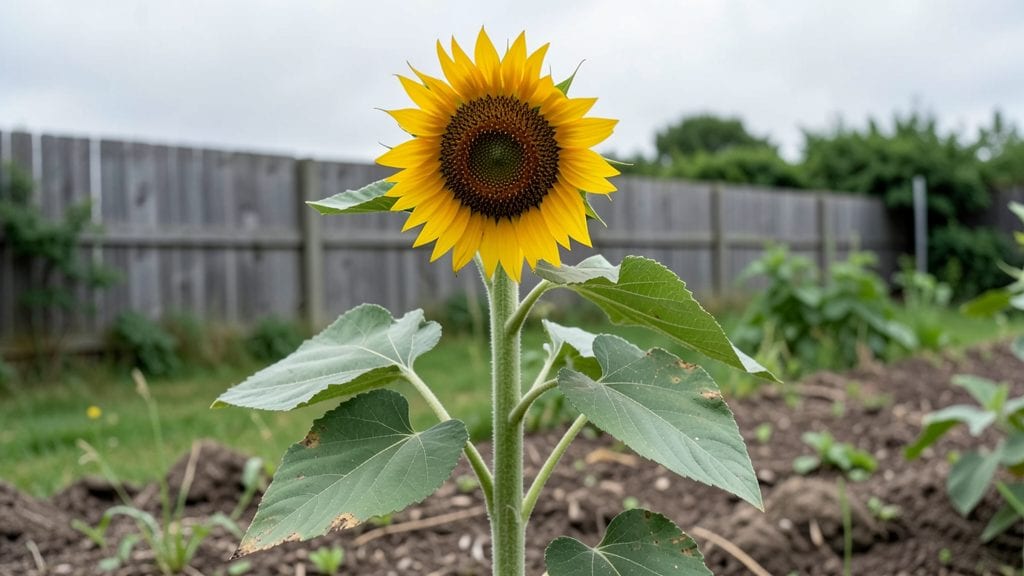
Caring for sunflowers means watching them grow from tiny seeds into 10-foot giants that light up your summer. 🌻 I’ve learned the hard way—skipping soil prep or overwatering can turn your golden dreams into floppy stalks.
The secret lies in matching their needs to their rapid growth: loose, nutrient-rich soil, deep watering, and full sun without crowding.
Start with well-draining soil mixed with compost—sunflowers devour nutrients like kids at a candy buffet. Plant seeds 1 inch deep and 6 inches apart (closer for dwarf varieties), and give them 6-8 hours of direct sun daily.
Once they sprout, water at the base 1-2 inches per week, never letting the soil dry out completely. A balanced fertilizer every 4-6 weeks keeps them reaching for the sky.
You’ll know you’re doing it right when those velvety petals unfurl, heavy with pollen. Prune only to remove dead leaves or encourage branching in dwarf types—never cut into the main stem.
Watch for pests like aphids (spray with soapy water) and powdery mildew (space plants for airflow). Harvest when petals droop but centers stay dry, then dry seeds for next year’s garden.
Timing matters: plant after the last frost in spring or late summer for fall blooms. In hot climates, succession planting every 2 weeks ensures continuous color. Even beginners nail this—sunflowers are forgiving, just don’t neglect the basics. Let’s grow those sun-kissed stalks!
📚 In This Guide
- What you need
- Instructions
- Tips and common mistakes
- Wrapping up and next steps
What you need
- ● Sunflower seeds: Choose disease-resistant varieties (e.g., 'Mammoth' or 'Autumn Beauty'). Buy 10–20 seeds for a small garden or 50+ for a full border.
- ● Well-draining potting mix: A 5-gallon bag (or homemade mix: 60% topsoil, 30% compost, 10% perlite/sand).
- ● Containers or garden bed: For containers: 5–7 gallon pots (one per plant) with drainage holes.
- ● For garden beds: Loose, fertile soil with 6+ hours of sunlight daily.
- ● Watering can or hose: With a gentle spray nozzle to avoid disturbing seedlings.
- ● Fertilizer: Balanced (10-10-10) granular fertilizer (1 tbsp per plant at planting).
- ● Slow-release organic fertilizer (e.g., fish emulsion) for nutrient boosts.
- ● Stakes or cages: 6–8 ft tall (bamboo or metal) to support tall varieties like 'Russian Giant'.
- ● Gloves & pruners: For handling plants and trimming dead blooms.
- ● Mulch: Straw or wood chips to retain moisture and suppress weeds.
- ● Pest control: Neem oil or insecticidal soap for aphids/spider mites.
- ● Sunflower-specific trellis: For varieties like 'ProCut' (great for bouquets!).
- ● Seedling heat mat: If starting indoors in cool climates (70–75°F ideal).
Step-by-step guide for growing sunflowers from seed to full bloom
Here’s how I’ve learned to coax those iconic stems from stubborn little seeds into sun-soaked giants.
🌱 Step 1: Plant Seeds in Well-Draining Soil
Sunflowers hate soggy roots, so start with 6-8 inches of loose, well-draining soil mixed with compost. I like to work in a 1-inch layer of coarse sand or perlite to prevent waterlogging, especially in clay-heavy soil. Plant seeds 1 inch deep and 6 inches apart—crowding them leads to weak stems that flop before they bloom.
Here’s the thing—sunflowers grow fast, but they need a strong start. Press the soil gently around each seed to ensure good seed-to-soil contact, then water lightly just until the surface feels damp. Overwatering now buries seeds too deep, delaying germination. If your soil feels dry to the touch after watering, you’ve nailed it.
☀️ Step 2: Provide Full Sun and Consistent Moisture
Sunflowers demand 6-8 hours of direct sunlight daily, no exceptions. If your garden gets partial shade, choose dwarf varieties like ‘Teddy Bear’—they’ll still reach 3-4 feet tall but tolerate less sun. Water deeply 2-3 times per week once seedlings sprout, keeping the soil evenly moist but not waterlogged.
You’ll know moisture is right when the top 2 inches of soil feel dry to the touch—that’s the signal to water again. Mulch with 2 inches of straw or grass clippings to lock in moisture and suppress weeds. Avoid wetting the leaves when watering; fungal diseases like powdery mildew love damp foliage.
🌿 Step 3: Support Tall Varieties and Monitor for Pests
If you’re growing varieties like ‘Russian Giant’ or ‘Mammoth’, they’ll top 10 feet tall and need staking. I drive a 6-foot bamboo stake into the soil beside each plant and tie the main stem loosely with soft plant ties as it grows. Tightening too soon will restrict growth—wait until the stem reaches 3 feet tall before securing.
Watch for sunflower moths and beetles, which chew leaves and stems. I spray a neem oil solution (1 tablespoon per quart of water) every 7-10 days as a preventive. If you spot holes in leaves, act fast—sunflowers can recover from early damage, but severe defoliation weakens blooms.
✂️ Step 4: Deadhead and Harvest for Continuous Blooms
Once the first flowers fade, snip the spent blooms 1 inch below the flower head to encourage side shoots. This trick extends the blooming season by 2-4 weeks, giving you more cut flowers or seeds. I harvest seeds when the back of the flower head turns yellow and the seeds rattle inside—this usually happens 6-8 weeks after flowering.
To dry seeds, cut the heads and hang them upside down in a dry, shaded spot. Once fully dry, rub the heads to release seeds. Store them in a paper bag in a cool, dark place for up to 5 years. If you’re growing sunflowers for oil or birdseed, let the heads stay on the plant until they turn brown and brittle.
Tips & tricks for perfect sunflower growth
Sunflowers might seem low-maintenance, but these subtle details make all the difference between a floppy disappointment and a towering masterpiece.
Soil Preparation Secret: Before planting, test your soil's drainage by digging a hole and filling it with water. If it takes more than 30 minutes to drain, amend your soil with an extra 1-inch layer of coarse sand or perlite. I've seen sunflowers planted in pure clay soil struggle to grow beyond 3 feet tall—amending the soil early prevents this. The key is creating that perfect balance where water drains but nutrients stay available.
Sunlight Strategy: Those 6-8 hours of direct sunlight aren't negotiable, but I've learned that morning sun is more important than afternoon sun. Position your sunflowers to catch the first rays of the day—they'll grow taller and develop more vibrant blooms. In partial shade gardens, choose dwarf varieties like 'Teddy Bear' and supplement with a grow light for 2-3 hours daily if needed. The difference in stem strength is remarkable.
Pest Prevention Pro Tip: The neem oil solution (1 tablespoon per quart of water) works wonders, but I've found an even simpler preventive: plant sunflowers near herbs like basil or dill. The strong scents naturally repel many common pests. Plus, you get a bonus herb harvest! Apply the neem oil solution every 7-10 days starting when plants reach 6 inches tall—this timing prevents early season pests from establishing themselves.
Harvest Timing: That 6-8 week window for seed harvest might seem long, but you'll know it's perfect when the back of the flower head turns yellow and the seeds rattle inside like maracas. I've learned to check this daily during the harvest window—waiting too long means seeds will scatter, while harvesting too early gives you immature seeds that won't store well. For cut flowers, harvest when the outer petals start to droop but before they fully open.
Pro Tips for Care For Sunflowers
- Sunflowers might seem low-maintenance, but these subtle details make all the difference between a floppy disappointment and a towering masterpiece.
- Soil Preparation Secret: Before planting, test your soil's drainage by digging a hole and filling it with water.
- Sunlight Strategy: Those 6-8 hours of direct sunlight aren't negotiable, but I've learned that morning sun is more important than afternoon sun.
Frequently asked questions
When is the best time to plant sunflower seeds?
Sunflowers love warmth! Plant seeds after the last frost when soil temperatures reach at least 55°F (13°C). For northern climates, aim for mid-to-late spring (April–May), while southern regions can start as early as March. If planting early, use row covers to protect tender seedlings from cold snaps.
Why are my sunflower leaves turning yellow?
Yellow leaves usually signal overwatering or nutrient deficiencies. Check soil moisture—sunflowers prefer well-drained soil and wilt if soggy. If leaves are pale yellow, add compost or a balanced fertilizer (10-10-10). For crispy edges, it may be underwatering or aphids—inspect undersides of leaves!
How do I get rid of aphids on my sunflowers?
Aphids adore sunflowers, but you can blast them away with a strong spray of water or introduce ladybugs (their natural predators). For stubborn infestations, use neem oil or insecticidal soap. Prune heavily damaged leaves and dispose of them far from your garden to prevent spreading.
Can sunflowers grow in containers? What size pot do I need?
Sunflowers thrive in containers if given enough space. Choose a pot at least 12 inches deep and wide for dwarf varieties (3–4 ft tall) or 18+ inches for giant types (8+ ft). Use well-draining potting mix and place the pot in full sun. Water consistently—containers dry out faster!
Do sunflowers need full sun? What if my garden is shady?
Sunflowers crave 6–8 hours of direct sunlight daily for optimal growth and bloom. In shady spots, they’ll grow taller but leggy with fewer flowers. If your garden lacks sun, opt for dwarf varieties (like ‘Teddy Bear’) or place them in the sunniest part of your yard, even if it’s near a fence or wall.
Wrapping up and next steps
Caring for sunflowers is all about patience, sunlight, and a little love—and the reward? Stunning blooms that brighten your space like nature’s own sunshine! 🌻 From choosing the right soil to protecting them from pests, every step brings you closer to those iconic golden faces.
Remember, even the tallest sunflowers start as tiny seeds.
Now that you’re armed with the know-how, grab those gardening gloves and get planting! Share your sunflower journey with us—whether you’re a first-time gardener or a seasoned pro, we’d love to see your towering beauties. Drop a comment or tag us on social media—let’s grow together! 🌱✨