
Pruning
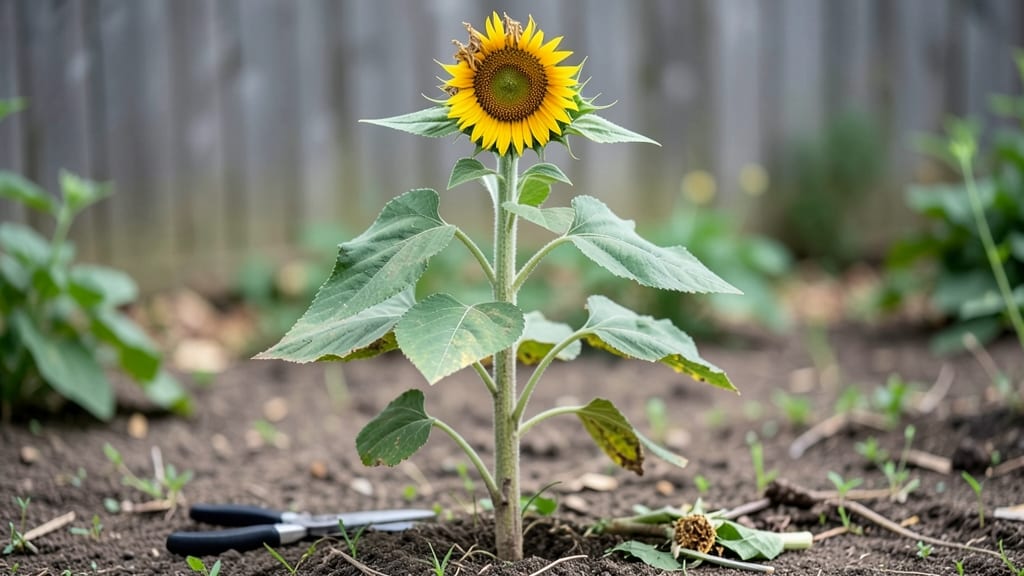
Trimming sunflowers isn’t just about aesthetics—it’s the secret to taller stems, bigger blooms, and extra harvests from the same plant. I learned this the hard way after letting my first batch grow wild, only to watch them flop over under their own weight.
The right cuts redirect energy where you want it: upward growth, more flowers, or even seed production if that’s your goal.
You only need sharp pruning shears and about 15 minutes of focused work. Start by snipping spent blooms just above a set of healthy leaves to encourage new growth. For height control, cut back leggy stems by a third—this triggers bushier plants that stay upright.
And if you’re after seeds, leave some blooms untrimmed until they fully mature. The key is timing: do most trimming in late summer when growth slows naturally.
What you’ll end up with is sunflowers that reach new heights—literally and figuratively. My trimmed plants last summer topped 10 feet, with three successive blooms per stem, while my untrimmed neighbors’ plants flopped by August.
The flowers stay fresher longer, and you can even dry extra blooms for arrangements. It’s the difference between a single-season showstopper and a garden that keeps giving all summer.
This works for all sunflower varieties, from dwarf types to towering giants. Just adjust the cutting frequency based on your goals—more aggressive trimming for bushier plants, lighter cuts for seed production. The best part? You’ll never look at sunflowers the same way again. Ready to give it a try?
📚 In This Guide
- What you need
- Instructions
- Tips and common mistakes
- Wrapping up and next steps
What you need
- ● Sharp pruning shears or bypass pruners – Choose bypass-style shears (not anvil-type) for clean cuts without crushing stems. Look for 5-inch blades with a comfortable grip.
- ○ Hand pruners (optional but helpful) – For smaller stems or tight spaces, a 4-inch pair with ergonomic handles works great.
- ● Gloves (gardening or cut-resistant) – Protect your hands from thorns (especially on varieties like Helianthus annuus) and debris. Opt for nitrile-coated gloves for grip.
- ● Disinfectant (70% isopropyl alcohol or bleach solution) – Clean tools between cuts to prevent disease spread. Mix 1 part bleach to 9 parts water for a DIY solution.
- ● Bucket or vase (for cut flowers) – A 5-gallon bucket with water or a clean vase to hold trimmed blooms immediately after cutting.
- ● Ruler or measuring tape – For precision cuts, especially if trimming for bouquets. Aim for 1–2 inches below a node (where leaves meet the stem).
- ● Newspaper or drop cloth – Lay down a protective layer to catch fallen petals and debris, keeping your workspace tidy.
- ● Floral preservative powder – Extends the life of cut sunflowers by 2–3 days (e.g., Floralife or DIY: 1 tsp sugar + 1 tsp bleach per quart of water).
- ● Sharp knife or razor blade – For ultra-precise cuts on thick stems (e.g., 2–3 inches in diameter).
- ● Permanent marker – Label stems if you’re experimenting with different trimming techniques (e.g., "Day 1," "Node 3").
- ● Sunflower-specific fertilizer (low nitrogen) – After pruning, give your plants a boost with a balanced 10-10-10 or 5-10-10 formula to encourage regrowth.
Step-by-step instructions for trimming sunflowers
Here's how to encourage taller stems and more abundant blooms—without harming your plants.
Identify the Right Time to Trim
Wait until your sunflowers reach at least 3 feet tall before making any cuts. This gives the plant enough energy to regrow strong stems. Look for fully mature leaves—when they're deep green and healthy, it's time to assess growth. I always check the stem thickness; thicker stems mean more stored energy for regrowth.
Trim in the early morning when temperatures are cool. This reduces stress on the plant and gives it time to recover before the heat of the day. Avoid trimming after rain or when the soil is waterlogged—wet stems are more prone to disease when cut.
Cut Just Above a Strong Leaf Node
Use clean, sharp pruning shears to make your cut. Look for a leaf node—this is where leaves and branches grow from the stem. Cut just above the node, at a 45-degree angle if possible. This angle helps water run off the cut and prevents rot.
Leave at least 2-3 sets of leaves below your cut. These leaves will photosynthesize and provide energy for new growth. If you cut too close to the base, the plant may struggle to recover. I like to make my cut about 6-8 inches below the flower head—this balances height and regrowth potential.
Encourage Multiple Blooms with Strategic Cuts
After your first cut, watch for new side shoots emerging from the nodes below your trim. These shoots will eventually produce additional flower buds. Thin out any weak or crowded shoots to give the remaining ones room to grow strong. I usually remove the smallest shoots first—they won’t compete well for nutrients.
If you want taller stems, let one main shoot grow while trimming back the others. For more blooms, encourage multiple shoots by cutting back the main stem earlier. Sunflowers are forgiving, but consistency is key—trim when you see new growth, not when the plant is stressed.
Maintain Health After Trimming
Water deeply right after trimming to help the plant recover. Sunflowers need 1-2 inches of water per week, especially after a major cut. Check the soil—it should feel moist but not soggy to the touch. Overwatering can cause root rot, while underwatering stresses the plant.
Fertilize lightly with a balanced, water-soluble fertilizer (like 10-10-10) one week after trimming. This gives the plant a nutrient boost for regrowth. Avoid heavy fertilizers—they can burn new shoots. I like to mix the fertilizer into the water and apply it in the early morning to prevent leaf burn.
Tips & tricks for perfect sunflower trimming
Here's what I've learned from years of experimenting with sunflower pruning—these little details make all the difference between healthy regrowth and stressed plants.
Timing is Everything: That 3-foot height requirement isn't arbitrary—it's when sunflowers have built enough energy reserves to recover. I've seen beginners trim too early, and those plants often struggle to produce new growth. Also, those fully mature leaves you're checking? They should be firm and vibrant, not yellowing or spotted. If you're unsure, wait a few days—the extra patience pays off with stronger stems.
The Angle Matters: That 45-degree angle on your cut isn't just for show—it's a water management trick. The angled cut prevents water from pooling in the wound, which can lead to rot. I've made the mistake of cutting straight across, and those plants took much longer to recover. For the angle, imagine slicing the stem diagonally like you're cutting a pie slice—just above that leaf node. A clean cut with sharp shears is also crucial; dull blades crush the stem, causing more stress.
Leaf Preservation Strategy: Those 2-3 sets of leaves you're leaving below your cut are doing more than just photosynthesizing—they're feeding the plant's recovery. I learned this the hard way when I cut too close to the base one summer. The plant put out new shoots, but they were weak and spindly. Now I always measure my cut from the flower head—about 6-8 inches down—to ensure I'm leaving enough leaf surface area for energy production.
Post-Trim Care: That immediate deep watering right after trimming is non-negotiable. I've seen plants wilt dramatically after cutting because they lost water through the fresh wound. The 1-2 inches of water per week is especially important during regrowth—think of it as giving your sunflower a drink of recovery tea. And that one-week fertilizer wait? It gives the plant time to heal before adding nutrients, preventing potential burn from fresh cuts.
Pro Tips for Trim Sunflowers
- Here's what I've learned from years of experimenting with sunflower pruning—these little details make all the difference between healthy regrowth and stressed plants.
- Timing is Everything: That 3-foot height requirement isn't arbitrary—it's when sunflowers have built enough energy reserves to recover.
- The Angle Matters: That 45-degree angle on your cut isn't just for show—it's a water management trick.
Frequently asked questions
Got questions about trimming sunflowers? You’re not alone—gardeners often wonder about timing, techniques, and what to do with the cut stems. Here are answers to the most common queries to help you master the art of precision trimming!
When is the best time to trim sunflowers for height?
Trim sunflowers before they fully bloom for the tallest stems—aim for when the flower buds are about half-grown (usually 3–5 days before opening). This encourages the plant to focus energy on stem growth rather than seed production. For cut flowers, harvest in the early morning when stems are hydrated and sturdy!
How do I trim sunflowers for bouquets without killing the plant?
Use a clean, sharp pair of pruners or scissors to cut stems at a 45-degree angle about 6 inches below the flower head. Leave at least 3–4 healthy leaves above the cut to keep the plant photosynthesizing. Avoid over-trimming—never remove more than 1/3 of the plant’s height at once.
Can I trim sunflowers after they’ve already bloomed?
Yes! Even after blooming, you can trim sunflowers to encourage a second flush of smaller flowers (especially in varieties like ‘Moulin Rouge’). Simply cut back the stem just above a set of leaves or side buds. While these won’t be as large as the first bloom, they’ll add extra color to your garden or vase.
What should I do if my sunflower stems wilt or droop after trimming?
Wilting is often due to transpiration stress or poor hydration. To fix it:
- Recut the stems under water at an angle to reopen the xylem.
- Place them in lukewarm water (not hot) with a flower food packet.
- Avoid direct sunlight for 24 hours to reduce stress.
Are there any sunflower varieties that don’t need trimming?
While all sunflowers benefit from some form of trimming (even just deadheading), dwarf varieties like ‘Teddy Bear’ or ‘Moulin Rouge’ are low-maintenance and rarely need height trimming. Focus on removing spent blooms to redirect energy to new growth. For giant varieties (like ‘Russian Giant’), trimming is key to managing height and preventing flopping!
Wrapping up and next steps
Trimming sunflowers isn’t just about aesthetics—it’s about boosting their strength, encouraging more blooms, and maximizing your harvest. 🌻 Whether you’re pruning for height, health, or seed production, the key is patience, sharp tools, and a little know-how.
With these techniques, your sunflowers will thrive, rewarding you with towering stems and vibrant flowers.
Ready to put your new skills to work? Grab your shears and head to the garden today! Experiment with different trimming styles, observe your plants, and enjoy the process—your sunflowers (and your neighbors!) will thank you.