
Propagation
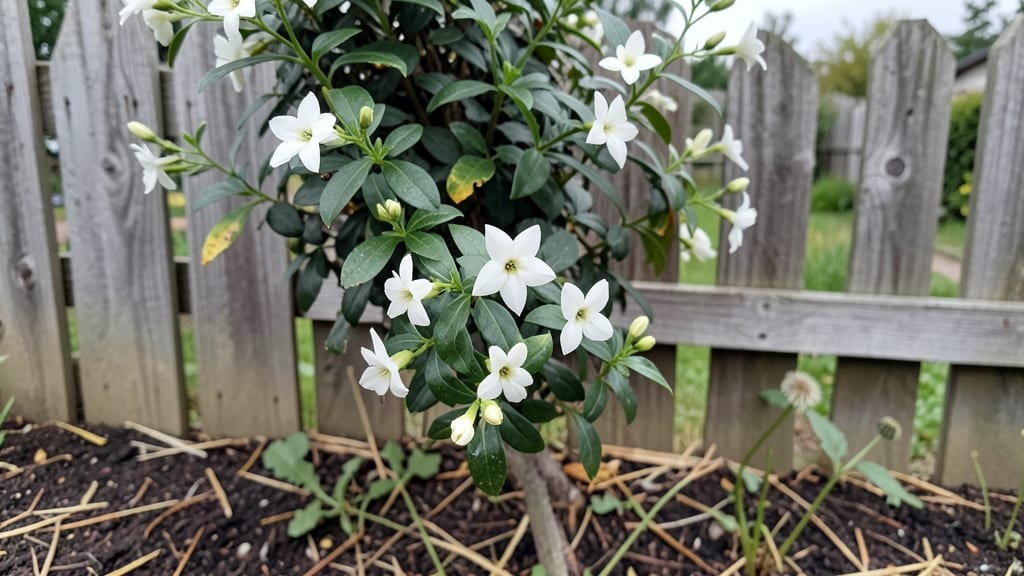
The gift from God fragrant flower isn’t just a plant—it’s a living prayer for the Pacific Northwest’s soul. 🌿 Imagine stepping into a garden where every breeze carries the scent of jasmine’s sweetness or lavender’s calming embrace, where bees hum like a hymn all year long.
This isn’t just landscaping; it’s creating a sanctuary where nature’s fragrance and symbolism intertwine.
Here’s the magic: these flowers thrive in our misty, mild climate, offering year-round blooms that transform any space into a fragrant retreat. Think jasmine’s intoxicating evening perfume or roses’ timeless romance—each bloom carries meaning, from purity to gratitude.
The best part? You don’t need a sprawling estate; even a small balcony or windowsill can become a haven for pollinators and your senses.
What you’ll create is more than a garden—it’s a living meditation. The scent of lavender can ease stress, while roses invite love and reflection. Picture morning coffee on the porch, surrounded by the quiet rustle of leaves and the faintest hint of honeyed blossoms.
This is gardening as worship, where every petal feels like a blessing.
We’ll explore how to weave these fragrant treasures into your space—whether as a lush border, a climbing arbor, or a container display—so your garden becomes a place of peace, beauty, and connection. Let’s begin.
📚 In This Guide
- What you need
- Instructions
- Tips and common mistakes
- Wrapping up and next steps
What you need
- ● Native pollinator-friendly flowers: 5–10 plants (e.g., Penstemon, Symphyotrichum, Lupinus, or Ceanothus—choose varieties that thrive in PNW’s mild, wet winters and dry summers).
- ● Well-draining soil mix: 50% native soil + 30% compost + 20% perlite or coarse sand (1 cubic yard for a 10’x10’ bed).
- ● Organic mulch: 2–3 inches of cedar chips or straw to retain moisture and suppress weeds.
- ● Watering can or drip irrigation system: For consistent moisture (especially during PNW’s dry spells).
- ● Pruning shears: Sharp, clean pair for shaping and maintenance.
- ● Gloves and knee pads: Protect your hands and joints during planting!
- ● Garden fork or trowel: For digging and aerating soil (rent or borrow if needed).
- ● Compost tea or fish emulsion: Organic fertilizer to boost growth (apply every 4–6 weeks).
- ○ Pollinator-friendly companion plants: Optional but recommended—add Salvia, Yarrow, or Oregon grape for extra fragrance and biodiversity.
- ● Rain gauge: Track PNW’s unpredictable rainfall to adjust watering.
- ● Bird feeders or bat houses: Encourage extra pollinators to visit your haven!
How to create a Pacific Northwest pollinator haven with fragrant flowers
Here’s how to craft a thriving, fragrant garden that keeps pollinators buzzing year-round.
🌱 Step 1: Select the Right Fragrant Flowers for Year-Round Appeal
Start by choosing hardy, fragrant plants that thrive in the Pacific Northwest’s mild, wet climate. Lavender, salvia, and western columbine are excellent choices—they bloom early and attract bees, butterflies, and hummingbirds from spring through fall. For winter interest, include evergreen shrubs like sweet box (Sarcococca) or winter daphne, which release their fragrance even when snow blankets the ground.
Here’s the thing—native plants like Pacific coast iris and yarrow are low-maintenance and packed with nectar. They’ll reward you with minimal effort while supporting local ecosystems. Avoid invasive species like English ivy, which can choke out native flora. Stick to proven pollinator favorites for a garden that hums with life.
☀️ Step 2: Design for Sunlight and Shelter
Most fragrant flowers need 6+ hours of sunlight daily, but the PNW’s cloudy stretches mean you’ll need strategic placement. Position taller plants like salvia or Russian sage on the north side of the garden to avoid shading smaller blooms. If your space is shady, opt for shade-tolerant fragrant plants like sweet woodruff or lungwort.
Wind can strip petals and deter pollinators, so add a windbreak—even a simple fence or evergreen hedge works. I’ve found that grouping plants in 3-5 foot clusters creates sheltered microclimates where bees and butterflies linger. Place seating or a small table nearby so you can enjoy the scent while watching pollinators at work.
💧 Step 3: Improve Soil and Water Wisely
The PNW’s acidic, clay-heavy soil drains poorly, so amend it with 3-4 inches of compost and a handful of perlite to loosen texture. Fragrant flowers like lavender and thyme thrive in well-draining soil—waterlogged roots lead to root rot and stunted growth. Test your soil’s pH; most pollinator plants prefer 6.0-7.0, but rhododendrons and azaleas (also fragrant) love 4.5-5.5.
Water deeply once a week (more in summer droughts) to encourage deep root growth. Mulch with 2-3 inches of wood chips to retain moisture and suppress weeds. The key is consistency—let the top 1-2 inches of soil dry out between waterings. Overwatering in the PNW’s damp climate is a common mistake that smothers roots.
🌿 Step 4: Plant in Layers for Continuous Bloom and Scent
Layer plants by height and bloom time to ensure fragrance and color year-round. Start with 3-4 foot shrubs like lilacs or mock orange in the back, then add 2-foot perennials like catmint or bee balm in the middle. Fill gaps with ground covers like creeping thyme or ajuga for winter greenery and early spring blooms.
Here’s where it gets fun—time your plantings so one flower fades just as another begins. For example, early spring’s Pacific dogwood gives way to summer’s sage and lavender, then autumn’s sedum and goldenrod. This creates a seasonal fragrance symphony that keeps pollinators fed and your garden smelling divine.
✂️ Step 5: Prune and Maintain for Long-Term Fragrance
Deadhead spent blooms regularly to encourage reblooming and prevent seed heads from detracting from the garden’s tidy appearance. Prune lavender after flowering to maintain its compact shape, and trim back perennials like catmint by one-third in early spring. Avoid heavy pruning in fall—it removes next year’s flower buds.
Fertilize lightly in early spring with a balanced, organic fertilizer (10-10-10) to support blooms without encouraging leafy growth at the expense of fragrance. I’ve found that fragrant flowers often bloom best when slightly under-fertilized—too much nitrogen results in lush foliage but fewer flowers. Monitor for pests like aphids or spider mites; a strong spray of water usually does the trick for a pollinator-friendly garden.
Tips & tricks for creating a Pacific Northwest pollinator haven
Creating a fragrant, pollinator-friendly garden that thrives year-round takes a few strategic moves—here's how to make it effortless and spectacular.
Native Plant Selection: Focus on Pacific Northwest natives like western columbine and Pacific coast iris—they're already adapted to the region's climate and soil, meaning less work for you. These plants have evolved alongside local pollinators, creating a perfect match. I've seen hummingbirds become regular visitors within weeks of planting native species. The key is avoiding non-native invasives like English ivy, which can disrupt local ecosystems while requiring more maintenance.
Sunlight Strategy: In Step 2, when positioning your plants, remember that the PNW's cloud cover means you'll need to maximize what sunlight you do get. Place your 3-5 foot clusters of taller plants like salvia on the south side of your garden to capture morning sun, then gradually transition to shorter plants toward the north. This creates a natural progression that prevents shading while maximizing fragrance exposure. The windbreak tip is especially important—even a simple bamboo fence can make a dramatic difference in keeping delicate blooms intact.
Soil Preparation: The 3-4 inches of compost recommendation in Step 3 is non-negotiable for PNW gardens. I've learned the hard way that skipping this step leads to compacted, waterlogged soil that strangles roots. For the 6.0-7.0 pH range plants, use a simple pH test kit from your garden center—most nurseries sell them for under $10. If you're planting rhododendrons, test for that 4.5-5.5 range and amend with sulfur if needed. The perlite addition is crucial for breaking up our region's naturally dense clay soil.
Seasonal Layering: When implementing the seasonal bloom strategy in Step 4, think of it like composing music—each plant should hand off its fragrance and color to the next. Start with early bloomers like Pacific dogwood in spring, then transition to summer's sage and lavender (which also have excellent drought tolerance), and finish with autumn's sedum and goldenrod. This creates a continuous pollinator buffet while ensuring your garden always has something fragrant to offer. The 3-4 foot shrubs in the back provide structure, while the 2-foot perennials in the middle create visual interest and texture.
Pro Tips for Gift From God Fragrant Flower
- Creating a fragrant, pollinator-friendly garden that thrives year-round takes a few strategic moves—here's how to make it effortless and spectacular.
- Native Plant Selection: Focus on Pacific Northwest natives like western columbine and Pacific coast iris—they're already adapted to the region's climate and soil, meaning less work for you.
- Sunlight Strategy: In Step 2, when positioning your plants, remember that the PNW's cloud cover means you'll need to maximize what sunlight you do get.
Frequently asked questions
Got questions about creating your own fragrant, pollinator-friendly haven in the Pacific Northwest? You’re not alone! Here are some of the most common queries—and their answers—to help you get started with confidence.
What’s the best fragrant flower to attract pollinators year-round in the PNW?
The Pacific Dogwood (Cornus nuttallii) and Salal (Gaultheria shallon) are top picks—they’re native, evergreen, and bloom with fragrant flowers that pollinators adore. For year-round interest, pair them with Oregon Grape (Mahonia aquifolium), which offers early spring blooms and berries for wildlife.
How long does it take for these flowers to establish and bloom?
Most native PNW pollinator flowers take 1–3 years to mature and bloom after planting. Dogwoods and Oregon Grape may take longer (up to 5 years), but their patience pays off with stunning, fragrant displays. Patience is key—think of it as nurturing a gift from God that rewards both you and pollinators!
Can I grow these flowers from seeds, or should I buy established plants?
While some native flowers (like Yarrow) can be grown from seeds, most PNW pollinator favorites—especially dogwoods and salal—thrive better when planted as 1–2 year-old container-grown plants. Established plants have a higher success rate and bloom faster, saving you time and frustration.
What if my garden doesn’t get full sun? Can these flowers still thrive?
Many PNW native flowers, like Sword Fern (Polystichum munitum) and Red Huckleberry (Vaccinium parvifolium), thrive in partial shade (2–6 hours of sun). Even dogwoods tolerate dappled sunlight. Just avoid deep shade—pollinators need some sun to visit, and your flowers need light to bloom beautifully.
Are there any pests I should watch for, and how do I prevent them?
PNW native flowers are naturally resilient, but watch for aphids on new growth or spider mites in dry conditions. Preventative tips:
- Water deeply (1–2 inches per week) to deter pests.
- Mulch with wood chips to retain moisture and reduce stress.
- Avoid synthetic pesticides—opt for neem oil or a strong spray of water to knock off pests.
Wrapping up and next steps
Creating a year-round pollinator haven with fragrant flowers is a beautiful way to honor nature’s gifts—and your efforts will make a lasting difference! 🌸 By selecting the right plants, understanding their needs, and nurturing them with care, you’re not just beautifying your space; you’re fostering life, one bloom at a time.
Ready to take the next step? Start small: plant one new pollinator-friendly flower this week and watch your garden transform into a thriving ecosystem. The bees, butterflies, and birds will thank you!