
Flowers
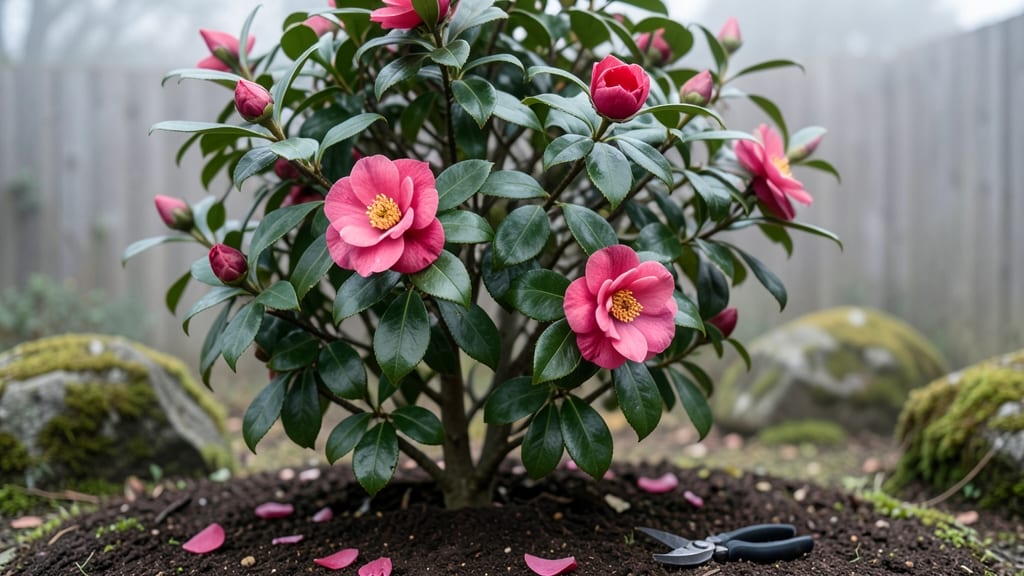
January flowers prove winter isn’t a gardening dead zone—it’s a quiet season of hardy blooms that thrive when others sleep. 🌿 I’ve watched hellebores and pansies brave the cold, their delicate petals unfurling even as snow dusts the ground.
These plants aren’t just surviving; they’re stealing the show with jewel-toned blooms that brighten gray days.
The secret to their success? Most need minimal care—well-draining soil, occasional water, and protection from harsh winds. In colder climates, evergreens like winter jasmine add structure, while forced bulbs like hyacinths bring bursts of color indoors.
Even Mediterranean regions can enjoy winter-blooming camellias if planted with frost tolerance in mind.
What you’ll end up with is a garden that feels alive, not abandoned. Imagine snowdrops peeking through thawing soil or amaryllis blooming indoors—each petal a defiant splash of color against winter’s monotony. These plants reward patience with months of interest, long after summer annuals have faded.
Whether you’re designing a winter border or just adding a few pots to your porch, these blooms deliver instant gratification without the summer maintenance. Let’s explore which varieties work best in your climate and how to keep them thriving until spring.
📚 In This Guide
- What you need
- Instructions
- Tips and common mistakes
- Wrapping up and next steps
What you need
- ● Seeds or bare-root plants: Choose January-friendly varieties like heather, winter jasmine, snowdrops, or hellebores. Buy 10-20 plants/seeds per variety for a fuller look.
- ● Well-draining potting mix: 2-3 bags (2 cubic feet each) for containers, or compost-enriched soil for in-ground planting.
- ● Containers or garden beds: Containers: 5-10 pots (8-12 inches deep) with drainage holes, or raised beds if planting multiple flowers.
- ● Garden beds: Ensure they’re amended with compost (1-2 inches mixed into the top 6 inches of soil).
- ● Mulch: 1-2 bags of straw or shredded bark (3-4 inches deep) to insulate roots and retain moisture.
- ● Slow-release fertilizer: 1-2 bags of 10-10-10 or organic fertilizer (follow package rates for winter application).
- ● Hand trowel (for transplanting or planting seeds).
- ● Garden gloves (to protect your hands from cold soil and thorns).
- ● Watering can or hose with a gentle spray nozzle (avoid overwatering in winter!).
- ● Pruning shears (for trimming dead foliage or shaping plants).
- ○ Thermometer (optional) – Helps monitor soil temps (ideal: 40-50°F for most winter bloomers).
- ● ❄️ Check frost dates: Plant after the last expected frost in your zone (Zone 5+ can handle bare-root plants now!).
- ● 🌡️ Protect tender plants: Use frost cloth or burlap wraps for newly planted flowers in colder climates.
- ● 💧 Water wisely: Water deeply but infrequently—once a week is often enough unless it’s a dry spell.
Step-by-step guide to cultivating January-blooming flowers
Here’s how to select and care for winter-hardy blooms that thrive in cold months.
🌱 Step 1: Choose Cold-Resistant Varieties
January’s frost-tolerant winners include hellebores, winter jasmine, and snowdrops—all of which flourish in 20-40°F temperatures. Hellebores, with their nodding blooms, start flowering in late winter and continue through early spring, while winter jasmine delivers cheerful yellow clusters even in deep freeze. Snowdrops, delicate and early, often bloom under snow.
I always check the USDA hardiness zones for my region—most of these bloomers handle zones 4-8 without fuss. If you’re in a colder climate, opt for hellebores or winter aconites, which push through frozen soil. Avoid tender annuals like pansies, which may sulk in hard freezes.
☀️ Step 2: Position for Winter Sunlight
Winter sunlight is weaker, so place your blooms in partial shade to full sun—morning light is ideal. A south-facing border gets the most winter sun, but east exposures work too. I’ve seen hellebores in deep shade still produce blooms, though they’ll be fewer. If your garden is heavily shaded, add a reflective surface like a light-colored wall to bounce extra light onto plants.
Watch for ice buildup on petals—this can weigh down stems. Delicate flowers like snowdrops may need a light dusting of mulch around their base to insulate roots without smothering them. A 6-inch layer of shredded bark works well, but keep it clear of the crown.
💧 Step 3: Adjust Watering for Winter Dormancy
January’s cold means watering shifts from a daily ritual to a once-a-week check. Soil stays damp longer in winter, so only water when the top 1-2 inches feel dry. Overwatering now risks root rot in saturated, cold soil. I use a moisture meter to avoid guesswork—if it reads dry, water slowly until it seeps 6 inches deep.
Mulch heavily after watering to lock in moisture and regulate soil temps. A 3-inch layer of straw or leaves (not pine needles—they acidify) keeps roots from freezing. If your area gets heavy snow, let it accumulate naturally—it acts as an insulating blanket. Just brush it off blooms like hellebores to prevent mold.
✂️ Step 4: Prune and Protect for Late Winter
Now’s the time to clean up dead foliage from last season’s growth, but leave seed heads—birds love them, and they add winter texture. For winter jasmine, trim back one-third of the oldest stems after blooming to encourage fresh growth. Hellebores rarely need pruning, but remove any blackened leaves to prevent disease.
If a hard freeze is forecasted (below 10°F), cover tender hellebores with burlap or frost cloth and secure it with bricks. Never use plastic—it traps moisture and causes rot. Check on plants the next morning; if ice has formed, gently tap it off stems to avoid damage.
🌿 Step 5: Fertilize Lightly for Spring Prep
January isn’t the time for heavy feeding, but a light application of 5-10-10 fertilizer (half the recommended dose) in late winter gives roots a gentle nudge for spring. I mix it into the top 2 inches of soil around the base, avoiding direct contact with stems. Organic options like fish emulsion (diluted to ¼ strength) work too—just apply it when soil temps are above 40°F.
Watch for new growth in late January—this signals it’s time to increase watering slightly. If you notice yellowing leaves, it’s often a sign of overwatering or nutrient burn. Cut back on fertilizing immediately and let the soil dry out a bit before retrying.
Tips & tricks for cultivating hardy winter blooms
Here's what I've learned after years of winter gardening—these tricks help your January flowers thrive when others fail.
Hardiness Zone Reality: While hellebores and winter jasmine handle zones 4-8, don't assume all varieties are equal. In zone 3, even these tough blooms need winter protection. I've seen snowdrops survive -10°F bare, but hellebores need a 3-inch layer of shredded leaves as insulation. Check your local microclimate—north-facing areas can be 5-10°F colder than south-facing spots.
Sunlight Strategy: That south-facing border might not be ideal—winter sun follows a lower arc. Position winter jasmine near east-facing walls where morning light hits for 4-5 hours daily. For hellebores in deep shade, supplement with a 12-inch LED grow light for 2 hours in cloudy spells. The goal is 6+ hours of indirect light to maintain blooming.
Watering Wisdom: The once-a-week check is critical, but timing matters more than frequency. Water in late afternoon when temps are above 32°F—this prevents ice formation in soil pores. I use a rain gauge to measure exactly 1 inch per week, delivered in two sessions. For container-grown blooms, check moisture every 3-4 days since they dry faster.
Freeze Protection Pro Tip: When covering hellebores below 10°F, create an air pocket by placing sticks around the plant before draping frost cloth. This prevents moisture buildup that causes rot. For snowdrops, a simple cloche (glass jar) works wonders—just remove it during daytime thawing to prevent overheating. Always secure covers with bricks or landscape pins to handle wind.
Pro Tips for Flowers In Season In January
- Here's what I've learned after years of winter gardening—these tricks help your January flowers thrive when others fail.
- Hardiness Zone Reality: While hellebores and winter jasmine handle zones 4-8, don't assume all varieties are equal.
- Sunlight Strategy: That south-facing border might not be ideal—winter sun follows a lower arc.
Frequently asked questions
about winter blooms can help you navigate January’s floral scene with confidence. Here are some common queries—and their answers—to keep your garden (or indoor arrangements) thriving!What are the easiest flowers to grow in January?
Look for hardy perennials like hellebores, winter jasmine, and snowdrops—they thrive in cold weather with minimal fuss. For containers, try pansies or violas, which tolerate light frosts. Pro tip: Use mulch to protect roots from temperature swings!
Can I plant flowers in January, or should I wait?
Timing depends on your climate! In mild zones (USDA 7-10), plant cool-season blooms like calendulas or sweet peas. In colder areas, wait until late winter (Feb/March) to avoid frost damage. Key rule: Soil should be workable, not frozen.
What indoor flowers bloom in January?
Brighten up your home with amaryllis (reblooming varieties), paperwhite narcissus, or African violets. For long-lasting cut flowers, try carnations or chrysanthemums—both hold up well in vases. Bonus: Succulents like kalanchoe add color with almost no care!
How do I protect outdoor flowers from frost?
- Cover tender plants with frost cloth or burlap at night.
- Group pots together to trap warmth (they lose heat faster than soil).
- Avoid overhead watering before freezing temps—ice can damage stems.
What are some unique January flowers I’ve never heard of?
Expand your winter palette with witch hazel (fragrant yellow blooms), Christmas rose (ruffled white flowers), or Helleborus niger (holly-leaved hellebore). For drama, try Lenten rose—its dark green foliage contrasts beautifully with snow. Fun fact: Many of these bloom before leaves appear!
Wrapping up and next steps
January may feel like a quiet month for gardens, but these hardy blooms prove that winter can still sparkle with color and life! 🌸 From cheerful winter jasmine to delicate heather, each flower brings its own touch of magic—whether you’re a seasoned gardener or just starting to explore.
Embrace the chill and let these seasonal stars remind you that beauty thrives even in the coldest months.
Ready to bring a little more joy to your space? Start small: Add a single pot of snowdrops to your porch or snip a few amaryllis stems for a fresh indoor bouquet. Your winter garden (and your mood!) will thank you. 🌿