
Pruning
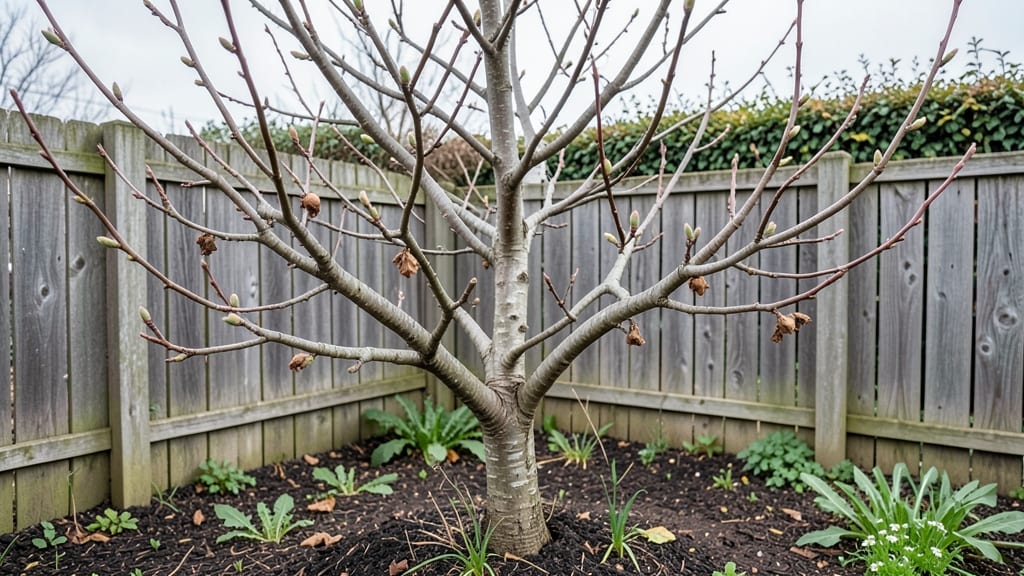
Winter pruning your flowering crabapple tree unlocks spring blooms that steal the show. 🌸 I’ve seen bare branches transform into a cloud of pink and white blossoms just by timing cuts right—this is how you do it without sacrificing next year’s flowers.
The best time is late winter, when the tree is still dormant but pests are inactive. Grab your pruners, a bucket for clippings, and a sharp pair of shears—no fancy tools needed, just clean cuts at the branch collar.
You’ll remove dead wood, thin crowded branches, and shape the tree to let light reach every blossom cluster.
What you end up with is a tree that bursts into color earlier than neighbors’ crabapples, with fewer diseases and stronger structure. The secret? Prune when buds swell but before leaves emerge—usually 2-4 weeks before last frost—and you’ll avoid stressing the tree as it wakes up.
Works for all crabapple varieties, from Malus ‘Royalty’ to ‘Adirondack’, and adapts to urban yards or country estates. Let’s get those branches looking intentional before spring arrives.
📚 In This Guide
- What you need
- Instructions
- Tips and common mistakes
- Wrapping up and next steps
What you need
- ● Pruning shears: Bypass pruners (for cuts up to ½ inch thick) – 1 pair (look for sharp, stainless-steel blades for clean cuts).
- ● Loppers: For branches ½ to 1½ inches thick – 1 pair (choose ergonomic handles for comfort).
- ● Pruning saw: For thicker branches (1½+ inches) – 1 saw (bow or folding saw with a fine-tooth blade).
- ● Disinfectant: 70% isopropyl alcohol or a pruning sealant (to prevent disease spread) – small bottle.
- ● Gloves: Heavy-duty gardening gloves (cut-resistant for safety) – 1 pair.
- ● Safety goggles: To protect eyes from debris – 1 pair.
- ○ Extension pole: Optional but helpful for high branches (10–15 ft.) – 1 pole (with a saw or pruner attachment).
- ● Tarp or drop cloth: To collect debris – 1–2 medium-sized sheets.
- ○ Tree wound dressing: (Optional but recommended for larger cuts) – 1 tube (e.g., Tanglefoot Tree Wound Pruning Sealant).
- ● Ladder: Sturdy, extendable ladder (if branches are >8 ft. high) – 1 ladder (with non-slip feet).
- ● Marking twine or flags: For tagging branches to remove – small spool.
- ● Work boots: With ankle support for uneven terrain.
- ● Handheld vacuum: For quick cleanup of small debris (e.g., EcoVacs).
- ● Camera or sketchbook: To document pruning decisions before/after.
Step-by-Step instructions for pruning a flowering crabapple tree in winter
Winter's the perfect time to shape your tree—clean cuts now mean vibrant blooms next spring.
✂️ Step 1: Gather Tools and Safety Gear
Start with the right tools: a sharp bypass pruner for clean cuts, loppers for thicker branches, and a pruning saw for any limbs over 2 inches thick. I always wear gloves—thorns on crabapples are no joke—and safety glasses to protect against falling debris. A bucket or tarp helps collect debris for easy cleanup later.
Check your tools first. Dull blades tear bark, inviting disease into fresh cuts. Sharpen blades before you begin—it takes 5 minutes now to prevent weeks of healing issues later. I like to wipe down tools with rubbing alcohol between cuts to keep them sterile.
✂️ Step 2: Remove Dead, Diseased, or Crossing Branches
Scan the tree for branches that are dead (brown, brittle), diseased (mushrooms, oozing sap), or crossing (rubbing against others). These are your top priorities. Cut dead branches back to the nearest outward-facing bud or branch collar—the swollen area where the branch meets the trunk. This ensures the tree heals cleanly.
For crossing branches, remove the one growing at a sharper angle. The more vertical branch usually has better growth potential. Make your cut just outside the branch collar, at a 45-degree angle. You'll see the white xylem tissue—this is where new growth emerges. Avoid leaving stubs; they rot and attract pests.
☀️ Step 3: Thin the Canopy for Better Airflow
Flowering crabapples need airflow to prevent fungal diseases like apple scab. Aim to open the canopy by removing 20-30% of the smallest branches—these are the ones growing inward or too densely. Focus on the lower third of the tree first, as this improves light penetration and reduces future cleanup.
Look for branches that are less than 1/4 inch thick—these are easy to remove and won’t disrupt the tree’s structure. Step back often to visualize the shape. Your goal is an open, vase-like form with branches spreading evenly. Avoid over-thinning; you want to maintain the tree’s natural silhouette.
⏰ Step 4: Shape the Tree for Balance and Bloom
Now’s the time to refine the tree’s shape. Prune to encourage outward growth by cutting back the tips of branches that grow too upright. This redirects energy to lateral buds, which will produce more flowers. For every 3 feet of vertical growth, aim to have 2 feet of horizontal branching.
Pay special attention to the tree’s center. If branches are too crowded, they compete for sunlight and nutrients, reducing bloom quality. Remove any "water sprouts"—fast-growing, vertical shoots that appear along the trunk or branches. These saplings drain energy from flowering. Cut them at the base using your pruner.
🌿 Step 5: Clean Up and Protect the Tree
After pruning, collect all debris and dispose of it in the trash—not the compost pile. Diseased branches can harbor pathogens that survive in compost. Seal larger cuts (over 1/2 inch thick) with pruning sealant to prevent moisture loss and infection. For smaller cuts, let them heal naturally—the tree’s own bark will seal them over time.
Apply a 2-3 inch layer of mulch around the base, keeping it 6 inches away from the trunk. This protects roots from winter temperature swings and retains moisture. Water the tree deeply before the first hard freeze to ensure roots stay hydrated through dormancy. Finally, stake any large branches that may sag under snow or ice.
Tips & tricks for pruning flowering crabapple trees in winter
Winter pruning transforms your crabapple into a showstopper—here’s how to avoid common mistakes and get pro-level results.
Tool Prep Matters: That 5-minute tool sharpening in Step 1 isn’t optional. A dull pruner tears bark instead of making clean cuts, which invites disease. I test sharpness by cutting a thin strip of paper—if it tears, sharpen again. Also, keep rubbing alcohol handy between cuts to wipe tools and prevent spreading any potential pathogens from diseased branches.
Branch Angle Secrets: When removing crossing branches in Step 2, the 45-degree angle isn’t just about looks—it’s about healing. The sloped cut directs water away from the wound, preventing rot. Pro tip: Look for the white xylem ring inside the cut; this confirms you’re cutting at the right angle for optimal regrowth.
Canopy Thinning Strategy: The 20-30% target in Step 3 might sound vague, but here’s how to visualize it: Stand back and imagine removing every other small branch growing inward. Focus on the lower third first—this improves light penetration where it matters most for spring blooms. Remember, you’re sculpting, not deforesting!
Water Sprout Rescue: Those fast-growing water sprouts in Step 4? Cut them at the base immediately—they’re energy vampires that drain nutrients from your tree’s flowering potential. I check for them every winter, and it’s amazing how many I find that I missed in previous years.
Pro Tips for Flowering Crabapple Tree In Winter
- Winter pruning transforms your crabapple into a showstopper—here’s how to avoid common mistakes and get pro-level results.
- Tool Prep Matters: That 5-minute tool sharpening in Step 1 isn’t optional.
- Branch Angle Secrets: When removing crossing branches in Step 2, the 45-degree angle isn’t just about looks—it’s about healing.
Frequently asked questions
Got questions about keeping your flowering crabapple tree stunning through winter? Here are some common ones—and their answers!
When is the best time to prune a flowering crabapple in winter?
The ideal window is late winter (just before buds swell), around February to early March. Pruning then promotes strong spring growth while avoiding late-season frosts. Avoid heavy pruning after mid-April—new growth may not harden off before cold snaps. Pro tip: If you missed the window, light pruning in early spring is better than none!
Will pruning in winter hurt my tree’s flowers?
Not if done correctly! Pruning dormant branches (before buds break) won’t impact blooms. In fact, removing dead, crossing, or overcrowded branches enhances next year’s flowers. Just avoid cutting back more than 25% of the canopy in one season to prevent stress. Think of it as a spa day for your tree!
How do I know which branches to cut in winter?
Look for:
- Dead/dying branches (no leaves, cracked bark, or hollow centers).
- Crossing or rubbing branches (they’ll damage each other over time).
- Suckers or water sprouts (fast-growing, weak shoots at the base or trunk).
- Overcrowded limbs (those growing inward or blocking sunlight).
Can I replace my flowering crabapple with a winter-hardy alternative?
If your tree struggles in cold climates, consider these low-maintenance, winter-friendly options:
Tree
Winter Interest
Hardiness Zone
Malus ‘Royalty’ (Crabapple)
Dark red fruit, burgundy stems
4–8
Cornus mas (Cornelian Cherry)
Bright yellow flowers, red berries
5–8
Prunus serrula (Tibetan Cherry)
Peeling bark, spring blooms
4–8
Why are my crabapple branches dying after winter pruning?
Dying branches post-pruning often stem from:
- Over-pruning (cutting too aggressively). Stick to no more than 25% of the canopy per year.
- Disease or pests (e.g., fire blight or borers). Sterilize tools with rubbing alcohol and inspect for signs like oozing sap or holes.
- Environmental stress (drought, extreme cold, or poor soil). Mulch well and water deeply before winter if your area is dry.
Wrapping up and next steps
Your flowering crabapple tree can be a year-round star with the right winter care—especially when it comes to pruning! 🌿 By following these steps, you’ll encourage vibrant blooms, strong structure, and a healthier tree for seasons to come.
Now that you’re armed with the how-to’s and FAQs, there’s no better time to roll up your sleeves and give your tree the attention it deserves.
Ready to transform your winter landscape? Mark your calendar for late winter (just before buds swell) and grab those pruners—your tree (and future spring blooms) will thank you! 🌸