
Flowers
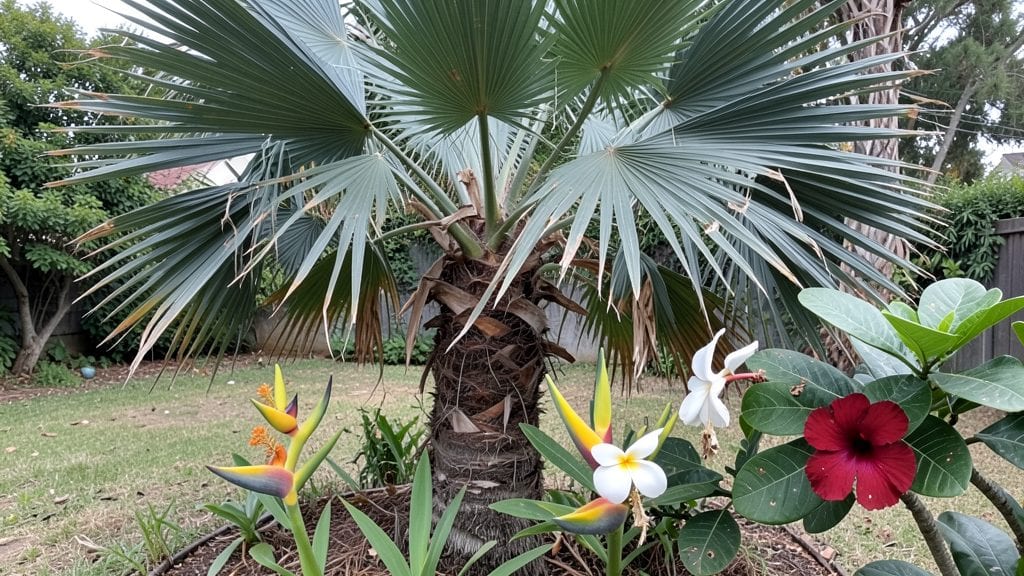
Creating a tropical oasis around your palm tree starts with the right flowers—think vibrant hibiscus, fragrant plumeria, and sun-loving bougainvillea that thrive in coastal climates. 🌺 The key isn’t just picking pretty plants; it’s layering them so they complement the palm’s height while filling in gaps with texture and color.
My first attempt used too many shade-loving plants, and the center stayed bare—until I learned to pair drought-tolerant species with moisture-lovers near the trunk.
You’ll need a mix of sun-seeking annuals (like lantana) for bold pops of color and low-maintenance perennials (such as bird of paradise) that return year after year.
Spacing matters too: place taller flowers behind the palm to avoid blocking its fronds, while trailing vines (like sweet potato vine) spill over edges for a lush, cascading effect.
The soil prep is simple—just loosen the top 6 inches, mix in compost, and ensure good drainage to mimic the palm’s natural habitat.
By summer, you’ll have a year-round display with blooms in every hue—coral hibiscus, golden bird of paradise, and purple bougainvillea—all thriving under the same sun. The fragrance alone (especially from evening-blooming jasmine) turns your yard into a sensory escape.
Just avoid overwatering; palms and their floral neighbors hate soggy roots, so mulch well to retain moisture without suffocating the plants.
This design works for coastal homes, resort-style patios, or even urban balconies with dwarf palms. Start small—just one section—and expand as you discover what grows best in your microclimate. The payoff? A backyard that feels like a vacation, no passport required.
📚 In This Guide
- What you need
- Instructions
- Tips and common mistakes
- Wrapping up and next steps
What you need
- ● Palm tree(s): 1-3 mature or young palm trees (e.g., Areca, Kentia, or Majesty palms), depending on your space. Ensure they’re healthy and properly planted.
- ● Tropical flowers: A variety of 10-20 plants, including: 5-10 Bird of Paradise (Strelitzia reginae) (for bold, exotic blooms)
- ● 3-5 Plumeria (Frangipani) (fragrant, low-maintenance)
- ● 3-5 Hibiscus (Hibiscus rosa-sinensis) (vibrant, fast-growing)
- ● 2-3 Bromeliads (e.g., Aechmea or Neoregelia) (for texture and color)
- ● 2-3 Heliconias (Heliconia spp.) (tropical, banana-like flowers)
- ● Potting soil: 5-10 gallons of well-draining, tropical blend soil (mix garden soil with perlite or coconut coir for aeration).
- ● Mulch: 2-3 bags of organic mulch (pine bark or wood chips) to retain moisture and suppress weeds.
- ● Gardening tools: 1 trowel (for planting)
- ● 1 pruning shears (for trimming)
- ● 1 garden fork (for loosening soil)
- ● 1 wheelbarrow or bucket (for mixing soil)
- ○ Optional but helpful: Hose with a spray nozzle (for gentle watering)
- ● Slow-release fertilizer (e.g., Osmocote)
- ● Decorative stones or pebbles (for a polished look)
- ● Stakes or supports (if planting heavy flowers near the palm)
- ● A sunny to partially shaded location (most tropical flowers thrive in 6+ hours of sunlight).
- ● Access to a water source (palms and tropical flowers love consistent moisture).
- ● Patience! Give plants 4-8 weeks to establish before expecting full blooms.
How to layer flowers around palm trees for a lush tropical look
This is the secret to creating that effortless, sun-drenched tropical vibe—without overcrowding your palm.
🌿 Step 1: Plan Your Plant Placement by Light and Height
Start by assessing your palm tree’s natural light exposure. Most tropical flowers thrive in bright, indirect light, but some—like bird of paradise—can handle morning sun. Group plants by their light needs: shade-lovers like ferns and calatheas near the trunk’s base, sun-tolerant bloomers like hibiscus and plumerias around the outer edges.
Here’s the thing—palm trees cast dappled shade. Place taller flowers like canna lilies or ginger lilies 3-4 feet from the trunk where they’ll get filtered light. Smaller bloomers like impatiens or begonias can go closer, even in the shade of fronds. I always sketch a rough circle around the palm, dividing it into thirds: inner shade zone, mid-light transition, and outer sun belt.
🪴 Step 2: Prepare the Soil in Concentric Layers
Palm trees often sit in poor, sandy soil that drains too fast. Amend the area with 3-4 inches of organic matter—I use a mix of compost and coconut coir—spread in a 5-foot radius around the base. This improves moisture retention without suffocating roots. For the inner 2-foot zone, add a 1-inch layer of mulch (cypress or pine fines work best) to keep roots cool.
Don’t dig too deep—palm roots spread horizontally, not downward. Instead, use a broadfork or your hands to loosen the top 6 inches of soil. This prevents compaction while keeping palm roots undisturbed. Water the amended area deeply after adding compost so it settles evenly.
☀️ Step 3: Plant Flowers in Staggered Heights for Visual Flow
Begin with ground covers like sweet potato vine or asparagus fern in the innermost 1-2 feet. These create a lush carpet that softens the palm’s base. Next, add mid-height plants—like bromeliads or caladiums—in the 2-3 foot ring. Place them in clusters of 3-5, spacing each 12-18 inches apart to mimic natural groupings.
For the outer 3-5 foot zone, install taller bloomers like hibiscus or bougainvillea. Dig holes twice as wide as the root ball but only as deep. This encourages roots to spread horizontally, which helps them compete with the palm’s thirsty system. Water each new plant deeply after placing it, then top with 1 inch of mulch to lock in moisture.
💧 Step 4: Water and Mulch for a Self-Sustaining System
Newly planted flowers need deep watering twice weekly for the first 4-6 weeks. After that, most tropical bloomers thrive on 1-2 inches of water per week, delivered at the soil line—not the leaves. I use a soaker hose set to a slow drip for 20-30 minutes to avoid runoff, which can drown palm roots.
Replenish mulch every 3-4 months to maintain that tropical look. A 3-inch layer of mulch keeps soil temperatures stable and reduces evaporation. Just avoid piling mulch against the palm’s trunk—keep it 6 inches away to prevent rot. You’ll notice fewer weeds and more consistent blooms once the mulch layer matures.
✂️ Step 5: Prune and Deadhead for Continuous Bloom
Regular pruning keeps your tropical oasis looking intentional. Remove spent blooms from hibiscus and plumerias immediately—they rebloom faster when you do. For foliage plants like bromeliads, trim yellow or brown leaves at the base with clean shears. This redirects energy to new growth and keeps the plant compact.
Once a year, give your palm tree a light trim to open up the canopy for better air circulation. This prevents fungal issues in dense foliage. I do this in late winter, just before new growth starts. After pruning, fertilize lightly with a balanced 10-10-10 mix to support both the palm and surrounding flowers.
Tips & tricks for perfect tropical flower layering around palm trees
Creating that sun-drenched tropical vibe takes thoughtful planning—and these pro tips will help you avoid common pitfalls while maximizing your palm's natural beauty.
Light Zoning Strategy: Pay extra attention to the mid-light transition zone (2-3 feet from the trunk) where light conditions change dramatically. This is where most tropical bloomers struggle—place sun-tolerant varieties like plumerias here for best results. I've seen beginners overcrowd this zone with shade plants, which leads to leggy, weak growth. Use a simple flashlight test at different times of day to map light patterns before planting.
Soil Preparation Secret: The 5-foot radius soil amendment is your foundation, but don't stop there. For the inner 2-foot zone, mix in 1 part perlite to your compost-coir blend to improve drainage—palm roots hate soggy feet. I've learned this the hard way after watching calatheas develop root rot in heavy soil. Also, consider adding a slow-release fertilizer (like Osmocote) to the amended area before planting—this gives your flowers a head start without overfeeding.
Plant Spacing Discipline: When creating those natural-looking clusters of 3-5 plants in the 2-3 foot ring, resist the urge to pack them too tightly. The 12-18 inch spacing might seem generous, but it's crucial for air circulation—especially important for hibiscus and plumerias which are prone to fungal issues. I've seen beautiful arrangements turn into disease hotspots when plants are crowded. Think of it as creating a mini ecosystem where each plant has room to breathe.
Watering Precision: The 20-30 minute soaker hose method is perfect, but here's the thing: timing matters just as much as duration. Apply water in the early morning when evaporation is lowest. I've noticed that evening watering can lead to fungal problems in the dense foliage. Also, place the soaker hose 6 inches away from the palm trunk to prevent water pooling that could rot palm roots. This small adjustment has saved me from losing several palms over the years.
Pro Tips for Flowers Around Palm Tree
- Creating that sun-drenched tropical vibe takes thoughtful planning—and these pro tips will help you avoid common pitfalls while maximizing your palm's natural beauty.
- Light Zoning Strategy: Pay extra attention to the mid-light transition zone (2-3 feet from the trunk) where light conditions change dramatically.
- Soil Preparation Secret: The 5-foot radius soil amendment is your foundation, but don't stop there.
Frequently asked questions
What are the best low-maintenance flowers to plant near palm trees?
Opt for drought-tolerant, salt-resistant blooms like plumbago, bird of paradise, or bougainvillea. These thrive in sandy soil and minimal water. Avoid moisture-loving plants like hydrangeas—they’ll struggle in palm-friendly conditions. Pro tip: Mulch with palm leaves or bark to retain moisture and suppress weeds!
How long does it take for flowers to bloom after planting?
Timing varies! Fast bloomers like hibiscus or allamanda may flower in 3–6 months, while slower growers like orchids or gardenia can take 1–2 years to reach full bloom. Soil prep, sunlight, and water consistency speed up the process. Patience pays off—imagine those vibrant colors framing your palm in no time!
Can I plant flowers around palm trees in full sun or partial shade?
Most tropical flowers love full sun (6+ hours/day), but some—like impatiens or caladiums—prefer partial shade (2–4 hours). Check your palm’s shade pattern first: coconut palms cast light shade, while date palms create denser cover. Adjust flower placement accordingly!
Why aren’t my flowers thriving near my palm tree?
Common culprits: overwatering (palm roots need drainage!), poor soil (amend with compost or palm-specific mix), or pest pressure (scale or aphids love tender blooms). Troubleshoot: Check for yellowing leaves, wilting, or sticky residue. Neem oil or horticultural soap can help!
Are there any flowers I should avoid near palm trees?
Skip water-hogging plants like ferns or hostas—they’ll compete with palm roots. Also, avoid invasive species (e.g., Lantana) or aggressive runners (e.g., mimosa) that can smother your palm. Stick to native or tropical-adapted varieties for harmony!
Wrapping up and next steps
Creating a stunning tropical oasis with flowers around palm trees is all about balancing beauty, resilience, and harmony. Whether you’re a seasoned gardener or just starting, the key is to choose the right plants, prep your soil, and embrace patience—your effort will bloom into a breathtaking retreat! 🌺✨
Ready to take the next step? Start small—plant a few low-maintenance flowers like hibiscus or frangipani, then expand as you gain confidence. Before you know it, your backyard will be the envy of the neighborhood! 🌴💚