
Blooming
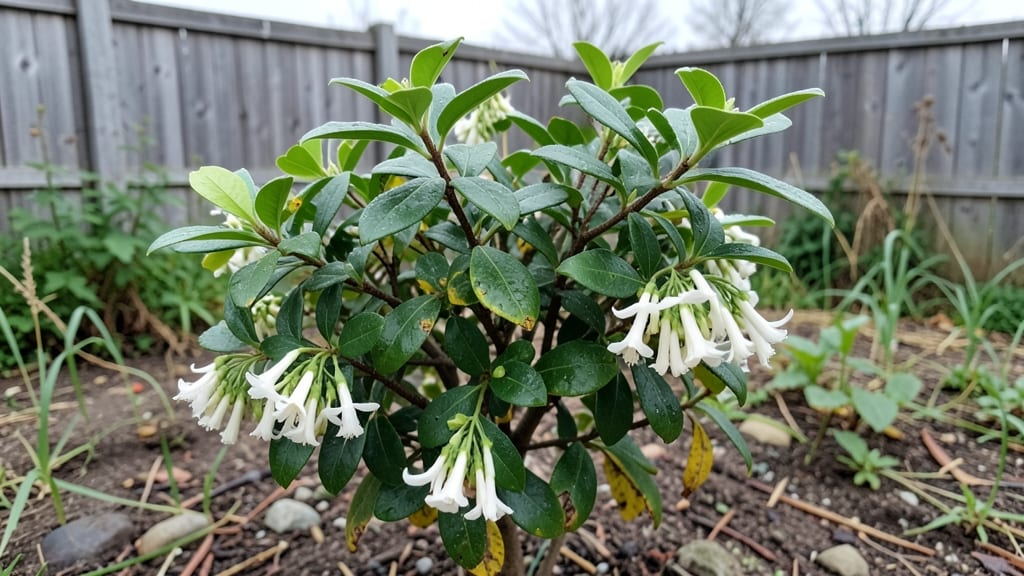
The fragrant night blooming jasmine flower ( Cestrum nocturnum ) turns your garden into a moonlit perfume factory after dark—plant mine last spring, and now my patio smells like a tropical evening whenever the breeze stirs, offering only nighttime magic. pure fragrance when it counts.
The secret isn’t complicated: it thrives in heat, blooms when temps drop, and loves to sprawl across trellises or climb fences like a living curtain.
You’ll need full sun (at least 6 hours daily), well-draining soil, and patience—those first blooms take about 3 months from planting. Water deeply once a week unless it’s scorching, then let the soil dry slightly between drinks.
Overwatering is the #1 way to kill these plants, so think "drought-tolerant" once established. They’re frost-sensitive, so bring potted plants indoors before 28°F or expect leaf drop.
By summer’s end, you’ll have clusters of white, tubular flowers that open only at dusk, filling the air with a sweet, intoxicating scent. The trade-off? They’re messy—dropping petals everywhere—but that’s the price of nature’s nighttime perfume.
Prune after blooming to encourage bushier growth, and watch for aphids, which adore new shoots.
Works in zones 9-11 as a perennial, but most gardeners treat it as an annual or overwinter it indoors. The fragrance alone makes it worth the effort—imagine stepping outside to find your whole neighborhood smelling like a moonlit garden party. Ready to grow your own evening magic?
📚 In This Guide
- What you need
- Instructions
- Tips and common mistakes
- Wrapping up and next steps
What you need
- ● Night Blooming Jasmine Plant: 1 healthy starter plant (potted or bare-root)
- ● Pro Tip: Choose a well-established plant (6+ months old) for faster blooms!
- ● Well-Draining Soil: 5–10 gallons of cactus/succulent mix or sandy loam soil (pH 6.0–7.0)
- ○ Optional: Mix in perlite or coarse sand (20–30%) for drainage.
- ● Container or Garden Space: For pots: 1–2 12–18-inch diameter containers with drainage holes
- ● For gardens: Full sun (6+ hours/day) in a warm, sheltered spot
- ● Garden Tools: 1 trowel or hand shovel
- ● 1 pair of pruning shears (sterilized)
- ● 1 watering can or hose with a gentle spray nozzle
- ● Fertilizer: 1 balanced liquid fertilizer (10-10-10 or 20-20-20, diluted to half-strength)
- ○ Optional: Slow-release granules (e.g., osmocote) for seasonal feeding.
- ● Mulch: 2–3 inches of organic mulch (e.g., pine bark or straw) to retain moisture.
- ● Prerequisites: Access to warmth (70–90°F)—jasmine thrives in heat!
- ● Patience for 3–6 months until first blooms (with proper care).
Step-by-Step instructions for cultivating night blooming jasmine
Here's how to coax those intoxicating evening blooms from your jasmine plant.
🌱 Step 1: Choose the Right Variety and Planting Location
Night blooming jasmine thrives best in USDA Zones 7-10, but you can grow it in containers if you live in colder climates. The most fragrant varieties for evening blooms are Jasminum sambac and Jasminum grandiflorum. These need full sun exposure—at least 6-8 hours daily—to develop strong, fragrant flowers. If planting outdoors, choose a spot with sheltered afternoon shade to protect blooms from harsh winds.
For container growing, select a 5-gallon pot with drainage holes. The root system needs room to spread, so avoid small pots. I always use a well-draining potting mix—regular garden soil compacts too easily and can suffocate roots. If planting in the ground, amend the soil with 2-3 inches of compost to improve drainage and fertility.
☀️ Step 2: Plant and Establish for Strong Growth
Plant your jasmine in early spring after the last frost date in your area. Dig a hole twice as wide as the root ball but only as deep. This encourages roots to spread horizontally rather than sinking too deeply, which can rot in heavy soils. Gently remove the plant from its container and tease apart any circling roots. Place it in the hole, backfill with soil, and water deeply to settle everything.
Keep the soil consistently moist but never soggy for the first 4-6 weeks. You'll know it's right when the top 1-2 inches of soil feel slightly damp to the touch. Mulch around the base with 2-3 inches of organic mulch to retain moisture and regulate soil temperature. Avoid mulching too close to the stem—leave a 2-inch gap to prevent rot.
💧 Step 3: Prune and Fertilize for Abundant Blooms
Prune your jasmine in late winter or early spring before new growth begins. Cut back one-third of the previous year's growth to encourage bushier, more vigorous growth. Remove any dead, diseased, or crossing branches to improve airflow and sunlight penetration. I always sterilize my pruners with rubbing alcohol between cuts to prevent spreading disease.
Feed your plant with a balanced, slow-release fertilizer (10-10-10) in early spring and again in mid-summer. Water the soil thoroughly before applying fertilizer to prevent root burn. Night blooming jasmine is sensitive to over-fertilization, so follow the package instructions carefully. You'll see new growth within 2-3 weeks—that's your signal everything is working.
⏰ Step 4: Encourage Evening Blooms with Proper Care
Night blooming jasmine needs warmth and humidity to trigger evening flowers. If you live in a dry climate, mist the foliage lightly in the late afternoon to simulate the humidity it craves. Avoid wetting the flowers themselves, as excess moisture can lead to fungal issues. I've found that evening watering—just before sunset—helps encourage blooms to open at night.
Watch for white, trumpet-shaped flowers in late summer to early fall, typically 3-4 months after planting. These blooms release their fragrance most intensely in the evening, often attracting moths and other pollinators. If your plant isn't blooming, check for too much shade, overcrowding, or insufficient nutrients. A lack of flowers usually means the plant needs more sunlight or a balanced fertilizer boost.
✂️ Step 5: Overwinter and Prepare for Next Season
In colder climates, protect your jasmine by mounding soil or mulch around the base to insulate roots. For container plants, move them to a garage or sheltered porch where temperatures stay above 40°F. Reduce watering in winter, allowing the soil to dry slightly between waterings. You'll know it's time to water again when the top 1-2 inches feel dry to the touch.
In early spring, resume regular watering and fertilizing. Prune again to shape the plant and remove any winter-damaged branches. With proper care, your jasmine will reward you with fragrant blooms for years to come. The key is patience—it can take 2-3 years for a young plant to reach full blooming potential, but the evening scent is worth the wait.
Tips & tricks for cultivating night blooming jasmine
Here's what I've learned after years of growing these fragrant beauties—simple adjustments that make all the difference.
Sunlight Strategy: The 6-8 hours of full sun mentioned in Step 1 is non-negotiable, but here's the trick: if your jasmine gets afternoon shade, position it so the morning sun hits the new growth. Morning sunlight builds energy for those evening blooms, while harsh afternoon sun can scorch delicate flowers. I've found that a south-facing window or spot works best for container plants.
Soil Secrets: That well-draining potting mix in Step 1 is critical, but don't stop there. Mix in 10% perlite or sand to prevent compaction, especially in clay-heavy soils. For ground planting, I always add 1 part coconut coir to the 2-3 inches of compost—this improves aeration while retaining moisture. The roots will thank you with stronger growth.
Watering Wisdom: The 4-6 week moist-but-not-soggy period in Step 2 is where most beginners go wrong. Instead of watering on a schedule, check the soil daily during hot weather. Stick your finger 1 inch deep—if it feels dry, water thoroughly until it runs out the drainage holes. In containers, I've found that self-watering pots help maintain that perfect moisture level without overwatering.
Pruning Precision: When you cut back one-third of last year's growth in Step 3, focus on removing the oldest, woodiest stems first. These branches often produce fewer flowers and can harbor pests. I always make cuts just above a leaf node or outward-facing bud—this encourages new growth in the right direction. Sterilizing your pruners with rubbing alcohol isn't just about disease prevention; it also keeps your cuts clean for better healing.
Pro Tips for Night Blooming Jasmine Flower
- Here's what I've learned after years of growing these fragrant beauties—simple adjustments that make all the difference.
- Sunlight Strategy: The 6-8 hours of full sun mentioned in Step 1 is non-negotiable, but here's the trick: if your jasmine gets afternoon shade, position it so the morning sun hits the new growth.
- Soil Secrets: That well-draining potting mix in Step 1 is critical, but don't stop there.
Frequently asked questions
Got questions about growing night blooming jasmine? You’re not alone! Here are some of the most common queries—and their answers—to help you cultivate fragrant evening blooms like a pro.
When do night blooming jasmine flowers actually open?
Night blooming jasmine typically unfurls its delicate white flowers after sunset, peaking between 8 PM and midnight. The blooms close by mid-morning, releasing their intoxicating scent overnight—nature’s way of attracting nocturnal pollinators like moths. For the best fragrance, plant near patios or windows so you can enjoy the aroma while relaxing!
How long does it take for night blooming jasmine to flower?
With proper care, you can expect your night blooming jasmine (Cestrum nocturnum) to produce flowers within 3–6 months of planting. Young plants may take longer, but established vines reward patience with abundant blooms from late spring through fall. Pro tip: Prune leggy growth in early spring to encourage bushier, more productive vines!
Can night blooming jasmine survive winter in cold climates?
Night blooming jasmine is tender and thrives in USDA zones 9–11. In colder areas, treat it as an annual or container plant—bring pots indoors before frost or mulch heavily to protect roots. If you’re in a chilly zone, opt for mimosa jasmine (Jasminum polyanthum), a hardier alternative that blooms during the day but shares a similar fragrance.
Why isn’t my night blooming jasmine flowering?
No flowers? Check these common culprits:
- Insufficient sunlight: Needs 6+ hours of direct sun daily (partial shade tolerates some blooms but fewer).
- Over-fertilizing: Too much nitrogen = leafy growth, not flowers. Use a balanced 10-10-10 fertilizer in spring.
- Stress: Drought or root-bound pots can stall blooming. Water deeply when soil is dry 1–2 inches down.
- Age: Young plants (<1 year) may focus on roots first. Be patient!
Fix it: Prune back 1/3 of the plant in early spring to stimulate new growth and blooms.
What’s a good alternative if I want daytime fragrance?
If you love jasmine’s scent but prefer daytime blooms, try:
- Arabian jasmine (Jasminum sambac) – Classic, intensely fragrant, and blooms all day.
- Pink jasmine (Jasminum officinale ‘Pink’) – Sweet-scented with soft pink flowers.
- Star jasmine (Trachelospermum jasminoides) – Hardy, evergreen, and blooms in spring/summer.
All three thrive in similar conditions but won’t close up at night!
Wrapping up and next steps
Growing night-blooming jasmine is a rewarding journey that fills your evenings with intoxicating fragrance and lush greenery. With the right soil, sunlight, and a little patience, you’ll enjoy stunning blooms in just three months—perfect for transforming your garden, balcony, or patio into a serene nighttime retreat. 🌙✨
Ready to dive in? Start by gathering your supplies, then follow the steps to nurture your plant from seedling to full bloom. Your fragrant oasis awaits—what’s stopping you? Plant your first jasmine today and let the magic unfold!