
Flowers
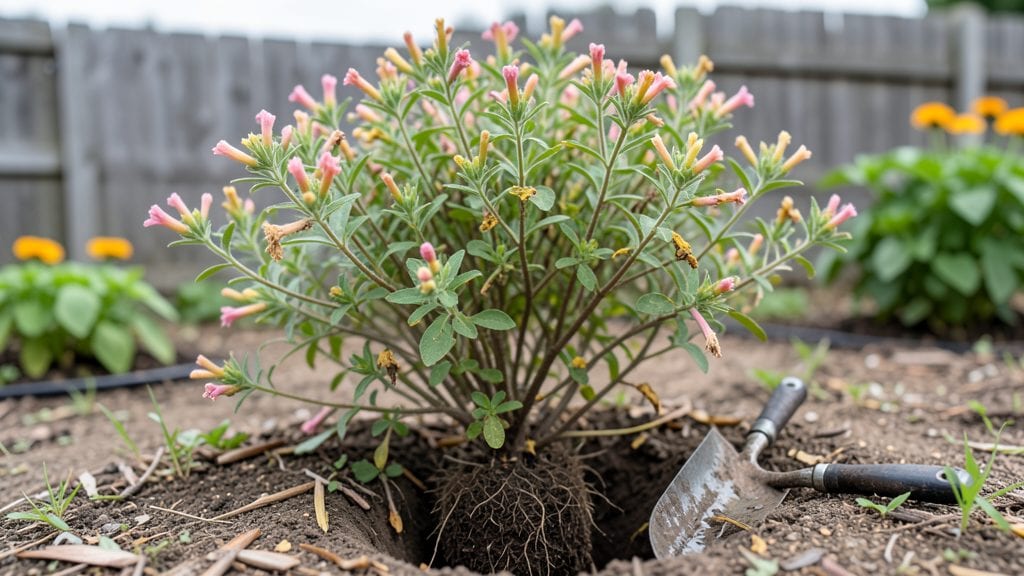
Planting flowers in Argyle, TX, means choosing varieties that laugh at 100°F+ summers—because nothing ruins a garden faster than wilting before noon. 🌿 I’ve spent years testing heat-tolerant blooms here, and the secret isn’t just picking the right plants but also understanding Argyle’s brutal sun and alkaline soil.
The best flowers for this area don’t just survive—they thrive, turning your yard into a vibrant oasis even when the mercury spikes.
Start with drought-resistant perennials like blackfoot daisies or salvia, which drink deep but rarely need watering once established. For instant color, annuals like celosia or zinnias handle the heat better than petunias or impatiens.
Plant in early spring (March) or fall (October-November) to avoid the worst summer stress, and amend your soil with compost to improve drainage—Argyle’s clay-heavy dirt can bake plants alive if it’s not right.
You’ll end up with a garden that stays lush and colorful even when neighbors’ plants look like they’ve been left in a sauna. The key is morning watering (never overhead in the heat) and mulching to keep roots cool.
By midsummer, your flowers will be the envy of the neighborhood, proving that Argyle’s climate isn’t a limitation—it’s just a different set of rules.
Local nurseries like Argyle Nursery & Supply or The Garden Center at Grapevine stock heat-tolerant varieties, and the Texas A&M AgriLife Extension offers free soil tests to fine-tune your approach. Let’s get those blooms planted right—your summer garden will thank you.
📚 In This Guide
- What you need
- Instructions
- Tips and common mistakes
- Wrapping up and next steps
What you need
- ● Heat-tolerant flower seeds or plants: Lantana (10-20 plants)
- ● Zinnias (5-10 plants or 50+ seeds)
- ● Portulaca (10-15 plants or 20+ seeds)
- ● Salvia (5-8 plants)
- ● Gaillardia (5-10 plants)
- ● Well-draining potting mix: 2-3 cubic yards (or 5-10 bags for smaller gardens)
- ● Organic compost: 1-2 bags (to enrich soil)
- ● Mulch (gravel or organic): Enough to cover 2-3 inches of soil
- ● Garden gloves (1 pair)
- ● Trowel or hand shovel (for transplanting)
- ● Garden fork (to loosen soil)
- ● Watering can or hose with a gentle nozzle
- ● Pruning shears (for deadheading)
- ● Measuring tape (to space plants 12-24" apart)
- ● Drip irrigation system (to conserve water)
- ● Slow-release fertilizer (for nutrient boost)
- ● Shade cloth (for seedlings if direct sun is too intense)
- ● Decorative rocks or mulch rings (for a polished look)
Step-by-step guide for planting heat-tolerant flowers in Argyle, TX
Argyle’s scorching summers demand smart choices—here’s how to pick and plant flowers that not only survive but thrive.
🌱 Step 1: Choose the Right Heat-Tolerant Varieties
Argyle’s 100°F+ summers rule out delicate annuals like impatiens or petunias. Instead, focus on native and adapted perennials like blackfoot daisy (Melampodium leucanthum), autumn sage (Salvia greggii), or Texas bluebonnet (Lupinus texensis). These handle drought and heat with ease, while Lantana and Zinnias bring color without wilting.
Check each plant’s USDA hardiness zone (Argyle is Zone 8b) and sun requirements—most heat-lovers need full sun (6+ hours daily). Avoid anything labeled "shade-tolerant" unless you’re planting in filtered light near oak trees. I always cross-reference with the Lady Bird Johnson Wildflower Center’s Texas Native Plant Database to confirm heat resilience.
☀️ Step 2: Time Planting for Optimal Survival
Plant in early spring (March) or late summer (September) to avoid peak heat stress. Spring planting lets roots establish before summer’s intensity, while fall planting avoids transplant shock during 100°F+ weeks. If you must plant in summer, do it on a cloudy day or late afternoon—midday sun will scorch tender new roots.
Amend the soil with 1-2 inches of compost before planting to improve water retention. Argyle’s clay-heavy soil drains poorly, so mix in sand or perlite if your garden stays soggy after rain. Water deeply at planting (1 gallon per plant) to encourage root growth downward, not upward.
💧 Step 3: Water Deeply but Infrequently
Heat-tolerant flowers hate consistent moisture—that’s how fungal diseases like powdery mildew take hold. Instead, water deeply every 7-10 days (or when the top 2 inches of soil feel dry). Use drip irrigation or soaker hoses to deliver water at the base, avoiding wet foliage. Early morning (before 8 AM) is best to reduce evaporation and fungal risks.
Mulch with 2-3 inches of shredded bark to lock in moisture and regulate soil temperature. I always leave a 1-inch gap between mulch and stems to prevent rot. Over time, you’ll notice fewer wilting leaves and stronger stems—signs the plants are adapting to the heat.
✂️ Step 4: Prune for Heat Resilience
Deadhead spent blooms weekly to redirect energy into root growth rather than seed production. For perennials like autumn sage, trim back one-third of the plant in early spring to encourage bushier, heat-resistant growth. Avoid heavy pruning in summer—stressed plants wilt faster in 100°F+ heat.
Watch for yellowing leaves, a sign of either overwatering or nutrient burnout from the heat. If leaves yellow but stems stay firm, your plant is thirsty—water deeply. If stems soften, you’re overwatering. Adjust your schedule based on soil dryness, not a fixed calendar.
🪴 Step 5: Protect New Plants from Extreme Heat
For the first 2-3 weeks, shade new transplants with 30% shade cloth during the hottest hours (12-3 PM). This gives roots time to adjust without shock. Remove the cloth after roots establish—you’ll know it’s time when new growth appears above the soil line.
Group plants with similar water needs together to simplify care. For example, pair blackfoot daisy (drought-tolerant) with Mexican feather grass (also heat-loving) in one bed. This creates microclimates where struggling plants get support from their neighbors. Over time, your garden will develop its own rhythm of resilience.
Tips & tricks for perfect flower planting in Argyle's extreme heat
Here's what nobody tells you about making your Argyle garden thrive in 100°F+ summers—these tricks will save you from wilting plants and wasted effort.
Plant Selection Strategy: Beyond the recommended varieties, consider adding Texas rangers (Leucophyllum frutescens) for their silvery foliage and drought tolerance. These thrive in Argyle's heat and attract pollinators. For containers, Mexican bush sage (Salvia leucantha) handles heat beautifully while providing long-lasting blooms. Always check the plant's mature size—some varieties like Texas bluebonnet can spread aggressively and may need containment.
Soil Preparation Secret: Argyle's clay soil can be tricky. Before amending with compost and sand, conduct a simple soil test by squeezing a handful—if it forms a tight ball that doesn't crumble, you definitely need the sand or perlite addition. I've found that mixing in 1 part sand to 2 parts native soil creates the perfect balance for heat-tolerant plants. This improvement alone can mean the difference between plants that survive and ones that truly thrive during summer months.
Watering Technique: The 7-10 day watering schedule works best when paired with a deep watering method. Use a 5-gallon bucket with holes drilled in the bottom for precise delivery. Place it at the base of each plant and let it empty completely—this ensures water reaches the roots where it's needed most. This method also helps prevent fungal issues by keeping foliage dry, which is especially important during Argyle's humid summer afternoons.
Heat Protection Hack: For that crucial 2-3 week shade period with 30% shade cloth, I recommend using floating row covers instead of fixed frames. These lightweight fabrics allow some light through while providing protection, and they're easy to remove once roots establish. You can also create DIY shade using white garden fabric stretched over hoops—this is more affordable and just as effective for Argyle's intense sun.
Pro Tips for Flower Planting In Argyle Tx
- Here's what nobody tells you about making your Argyle garden thrive in 100°F+ summers—these tricks will save you from wilting plants and wasted effort.
- Plant Selection Strategy: Beyond the recommended varieties, consider adding Texas rangers (Leucophyllum frutescens) for their silvery foliage and drought tolerance.
- Soil Preparation Secret: Argyle's clay soil can be tricky.
Frequently asked questions
Got questions about planting flowers in Argyle, TX’s scorching summers? You’re not alone! Here are answers to the most common concerns—from timing to tough varieties—that’ll help your garden bloom beautifully despite the heat.
What are the best months to plant flowers in Argyle’s extreme heat?
Plant spring-blooming flowers (like lantana or salvia) in February–March to establish roots before peak heat. For fall bloomers (e.g., gaillardia or zinnias), wait until September–October to avoid wilting. Avoid planting in summer’s 100°F+—young plants struggle to survive!
How often should I water flowers in Argyle’s dry climate?
Water deeply 2–3 times per week (early morning) during summer, aiming for 1–1.5 inches total. Use drip irrigation to reduce evaporation and mulch with 2–3 inches of organic matter (like shredded bark) to retain moisture. Overwatering is worse than underwatering!
Are there low-maintenance flowers that tolerate Argyle’s heat and drought?
Try these heat-proof, drought-resistant picks:
- Lantana: Thrives in full sun, blooms nonstop, and attracts butterflies.
- Blackfoot Daisy: Native to Texas, drought-tolerant, and low-water once established.
- Salvia (Autumn Sage): Vibrant blooms and deer-resistant—perfect for high heat.
- Zinnias: Fast-growing annuals that rebloom all summer with minimal care.
Pair them with succulents (like sedum) for extra resilience!
How do I protect my flowers from pests in Argyle’s humid summers?
Prevent pests with these tips:
- Neem oil spray (weekly) deters aphids and whiteflies.
- Encourage beneficial insects like ladybugs with marigolds or dill.
- Remove damaged leaves promptly to stop fungal spread (e.g., powdery mildew).
- Avoid overhead watering—it promotes fungal growth.
If pests persist, try insecticidal soap (safe for most flowers) or consult a local nursery for Argyle-specific solutions.
Do I need to winterize my flowers in Argyle’s mild winters?
Most perennials (like salvia or gaillardia) survive Argyle’s winters without extra care, but:
- Mulch heavily (3–4 inches) in late fall to insulate roots.
- Trim back dead foliage in early spring to encourage new growth.
- Tender annuals (e.g., zinnias) won’t return—replant in spring!
Argyle’s rare freezes (below 25°F) may require light frost cloth for young plants.
Wrapping up and next steps
Planting heat-tolerant flowers in Argyle, TX, is all about choosing the right varieties and giving them the love they need to thrive in scorching summers.
Whether you’re a seasoned gardener or just starting out, your garden can become a vibrant oasis with the perfect mix of Lantana, Zinnias, and Blackfoot Daisy—plus a few tips to keep them blooming beautifully. 🌸
Now that you’re armed with knowledge, roll up your sleeves and get planting! Start small with a few favorite varieties, observe how they adapt, and soon you’ll have a stunning, sun-kissed garden that’s the envy of the neighborhood. Happy gardening! 🌞