
Flowers
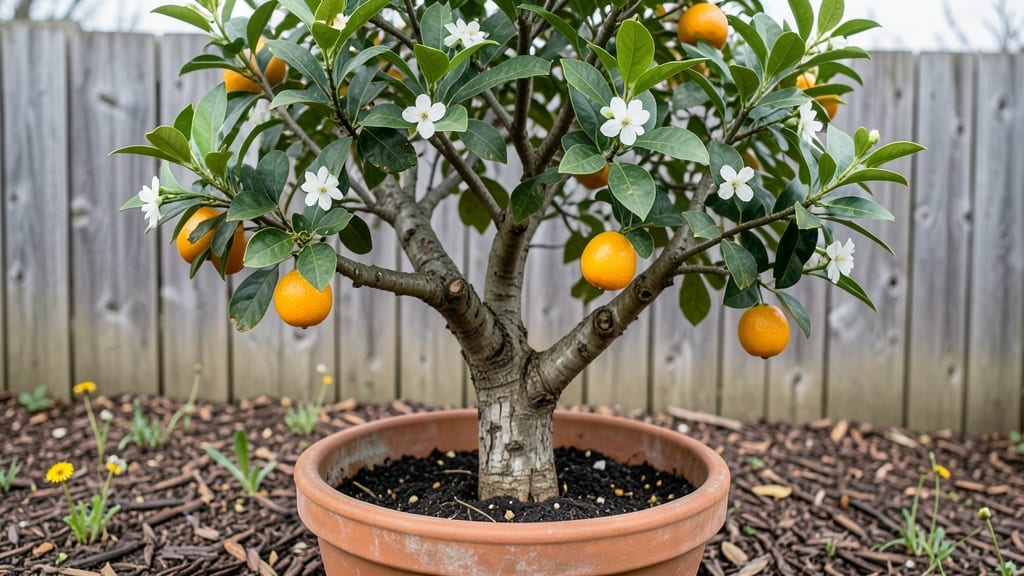
The orange bell flower thrives in the Pacific Northwest’s cool, damp climate—its vibrant blooms and frost tolerance make it a standout for gardeners here. I planted mine last spring after struggling with finicky annuals that wilted by summer’s end.
This hardy perennial keeps coming back, year after year, with minimal fuss.
Start with well-draining soil and partial shade to protect its delicate blooms from harsh afternoon sun. Water consistently but avoid soggy roots—these plants hate "wet feet." Once established, they’re surprisingly drought-tolerant, but young plants need regular moisture. My first mistake? Overwatering in winter, which led to root rot.
By midsummer, you’ll see clusters of bell-shaped flowers that hum with bees and butterflies. The foliage stays lush even through light frosts, and with proper pruning after blooming, you’ll encourage bushier growth next season. The scent alone—like honey and citrus—makes it worth growing.
For Pacific Northwest gardeners, this is a foolproof perennial that outperforms many annuals. It multiplies over time, making it a great candidate for sharing with fellow plant lovers. Just remember: patience is key—full bloom takes about two seasons to reach its peak.
📚 In This Guide
- What you need
- Instructions
- Tips and common mistakes
- Wrapping up and next steps
What you need
Ready to bring the vibrant charm of orange bell flowers to your Pacific Northwest garden? Here’s everything you’ll need to get started—whether you’re planting seeds, seedlings, or transplanting mature plants.
🌱 Essential Materials
- Orange bell flower seeds (Fritillaria persica or Fritillaria affinis): 10–20 seeds (or 3–5 seedlings if purchasing).
- Well-draining potting mix or garden soil: 5–10 gallons (amend with compost for nutrient-rich soil).
- Organic compost or slow-release fertilizer: 2–3 cups (5% nitrogen max to avoid burning roots).
- Mulch (straw, wood chips, or pine needles): 1–2 inches (to retain moisture and insulate roots).
🔧 Tools & Equipment
- Garden trowel or transplanting spade: For digging holes (6–8 inches deep).
- Watering can or hose with a gentle spray nozzle: To avoid displacing soil.
- Garden gloves: Protect your hands from prickly stems or sharp tools.
- Measuring tape or ruler: For spacing plants 6–12 inches apart.
- Optional: Raised garden bed kit: If your soil drains poorly (elevates roots for frost resistance).
🌡️ Prerequisites
- Sunlight access: Full sun to partial shade (6+ hours of sunlight daily).
- Frost-hardy zone compatibility: USDA Zones 3–9 (ideal for PNW’s cool climate).
- Drought tolerance prep: Water deeply 1–2 times per week after planting (reduce once established).
- Patience!: Seeds may take 2–3 years to bloom, but they’re worth the wait. ✨
How to plant and grow Pacific Northwest-friendly orange bell flowers
This hardy perennial thrives in our region's cool, wet climate—here's how to get it established strong.
Choose the Right Location and Prepare Soil
Orange bell flowers (Emmenanthe penduliflora) adore partial shade in the Pacific Northwest, where they receive 4-6 hours of morning sun and afternoon shade. Avoid full sun spots—their delicate blooms scorch easily in our intense summer light. Test your site by observing how much light it gets between 10 AM and 2 PM during summer months. The ideal spot will have dappled light filtering through trees or a north-facing slope.
Amend your native soil with 3 inches of organic compost before planting. These flowers prefer well-draining, slightly acidic soil with a pH between 5.5 and 6.5. If your soil is heavy clay (common in PNW), mix in 1 part perlite to 3 parts native soil to improve aeration. Work the compost into the top 12 inches of soil—this ensures roots have access to nutrients throughout the growing season.
Plant at the Correct Depth and Spacing
Plant 4-6 inch tall nursery starts in early spring, after the last frost but before May 15 to avoid summer heat stress. Dig holes twice as wide as the root ball but only as deep as the container's base. This prevents burying the crown, which can cause rot. Gently remove the plant from its container and tease apart any circling roots with your fingers.
Space plants 18-24 inches apart in rows 2 feet apart to allow for their mounding growth habit. In the PNW, where winters are damp, mulch with 2-3 inches of shredded bark around each plant, keeping it 3 inches away from stems. This protects roots during freeze-thaw cycles while preventing fungal diseases. Water deeply right after planting to settle the soil around roots.
Water Strategically for Pacific Northwest Conditions
Unlike many perennials, orange bell flowers prefer consistently moist but never soggy soil. In the first year, water twice weekly during dry spells (when rainfall drops below 1 inch per week). Check moisture by sticking your finger 2 inches deep—if it feels dry, water until moisture reaches 6 inches down. Overwatering in our region's humid climate leads to root rot, so always allow the top 1 inch of soil to dry slightly between waterings.
Once established (after 2 growing seasons), these plants become drought-tolerant. You'll notice mature plants with thicker stems and deeper green foliage—these are signs they're handling our region's moisture fluctuations well. Reduce watering to once every 10-14 days during summer unless we experience an extended dry spell.
Prune and Maintain for Long-Term Health
Deadhead spent blooms in early summer to encourage a second flush of flowers in late summer. Simply pinch off fading flower stems with your fingers—no need for shears. This practice prevents self-seeding, which can lead to weak, crowded plants. Watch for new buds forming at leaf axils after deadheading; this confirms the plant is responding well to the pruning.
In early spring, before new growth appears, cut back last year's stems to 4-6 inches tall. This rejuvenates the plant and prevents it from becoming leggy. Use clean, sharp pruners to make cuts at a 45-degree angle just above a leaf node. Avoid heavy pruning in fall—our cool, wet winters require the plant to conserve energy for next year's growth.
Protect from Winter Conditions
The PNW's mild winters are generally kind to orange bell flowers, but young plants benefit from light winter protection. After the first hard frost (usually November), apply a 3-inch layer of straw mulch around each plant, extending it 6 inches beyond the drip line. This insulates roots from temperature swings while allowing moisture to penetrate.
Remove the mulch in early spring (by March 1) to prevent soil from becoming waterlogged as temperatures rise. You'll see new shoots emerging from the base in late March to early April—this is your cue that the plant has survived winter successfully. If you notice any yellowing leaves or mushy stems in spring, it's a sign of over-mulching or poor drainage that needs correction.
Tips & tricks for perfect orange bell flower establishment
Here's what I've learned from years of growing these stunning PNW natives—details that make all the difference between struggling plants and thriving blooms.
Light Observation: The 4-6 hours of morning sun is non-negotiable, but timing matters. Observe your site between 10 AM and 2 PM during summer's longest days to accurately gauge light exposure. I've seen many gardeners overestimate shade—place a white sheet on the ground at noon for 30 minutes to test actual sunlight hours. The delicate blooms need this gentle sunlight to develop their signature color without scorching.
Soil Preparation Secret: When amending with 3 inches of organic compost and 1 part perlite, don't just mix it in superficially. Use a soil probe to verify the compost extends down to 12 inches—this is where the roots will actively grow. I've found that many gardeners only amend the top 4-6 inches, leaving roots struggling in compacted native soil below. The key is creating a uniform growing medium throughout the root zone.
Planting Depth Caution: The instructions specify planting only as deep as the container's base, but I've seen crown rot develop when plants are even slightly deeper. After removing your nursery start from its container, check the root flare—the point where roots transition to stem. This should sit just above soil level. If your hole feels too deep, add a handful of soil to the bottom before placing the plant.
Watering Technique: The twice-weekly watering recommendation assumes our region's typical rainfall patterns, but I've learned to adjust based on microclimates. In shaded areas, you might need watering every 5-6 days instead. The critical test is checking moisture 2 inches deep—if it's dry, water thoroughly until moisture reaches 6 inches down. Use a moisture meter for accuracy, especially in clay soils where water pools unpredictably.
Pro Tips for Orange Bell Flower
- Here's what I've learned from years of growing these stunning PNW natives—details that make all the difference betwee...
- Light Observation: The 4-6 hours of morning sun is non-negotiable, but timing matters. Observe your site between 10 A...
- Soil Preparation Secret: When amending with 3 inches of organic compost and 1 part perlite, don't just mix it in supe...
Frequently asked questions
When is the best time to plant orange bell flowers in the PNW?
Plant orange bell flowers in early fall (September–October) or late winter (February–March) for the best results. This timing mimics their native conditions, allowing roots to establish before summer heat. Avoid spring planting—they may struggle with early blooming or stress. Pro tip: If planting in containers, use well-draining soil and water lightly until dormancy sets in.
Are orange bell flowers truly frost-resistant? How cold can they handle?
These perennials thrive in the PNW’s chilly climate, tolerating temperatures down to 0°F (-18°C) once established. Young bulbs are slightly more delicate, so mulch with 2–3 inches of straw or leaves in winter. Warning: Avoid soggy soil—they rot in waterlogged conditions.
Why aren’t my orange bell flowers blooming? Troubleshooting tips.
If your plants skip blooms, check these common issues:
- Improper dormancy: They need 6–8 weeks of cool (40–50°F) temps to trigger blooms. Extend dormancy with shade cloth or a cold frame if summers are too warm.
- Over-fertilizing: Too much nitrogen = leafy growth, fewer flowers. Use a low-phosphorus bulb fertilizer (like 5-10-10) in early spring.
- Crowded bulbs: Dig up and separate bulbs if they’re more than 3 years old or flowering declines.
Can I grow orange bell flowers in containers? What’s the best setup?
Yes! Use a deep pot (at least 12” tall) with drainage holes and a mix of 50% potting soil + 30% perlite + 20% compost. Plant bulbs 6” deep and group 3–5 bulbs per container for a dramatic display. Key: Move containers to a shaded spot in summer to prevent overheating.
What are some frost-resistant alternatives if orange bell flowers don’t thrive?
If you love the look but need easier PNW options, try these cold-hardy perennials:
- Crocus vernus (Spring Crocus) – Blooms early, deer-resistant.
- Erythronium revolutum (Dogtooth Violet) – Shade-loving, orange-tinged flowers.
- Tulipa clusiana (Lady Tulip) – Tiny but vibrant, thrives in zones 3–8.
Wrapping up and next steps
Growing orange bell flowers in the Pacific Northwest isn’t just rewarding—it’s a celebration of resilience and beauty! 🌸 With the right soil, sunlight, and a little patience, these frost-hardy blooms will transform your garden into a vibrant sanctuary.
Whether you’re a seasoned gardener or a curious beginner, your effort will pay off in stunning, cheerful flowers that thrive even in cooler climates.
Ready to dive in? Start small—plant a few seeds or cuttings this season and watch your garden come alive. Happy growing! 🌱