
Flowers
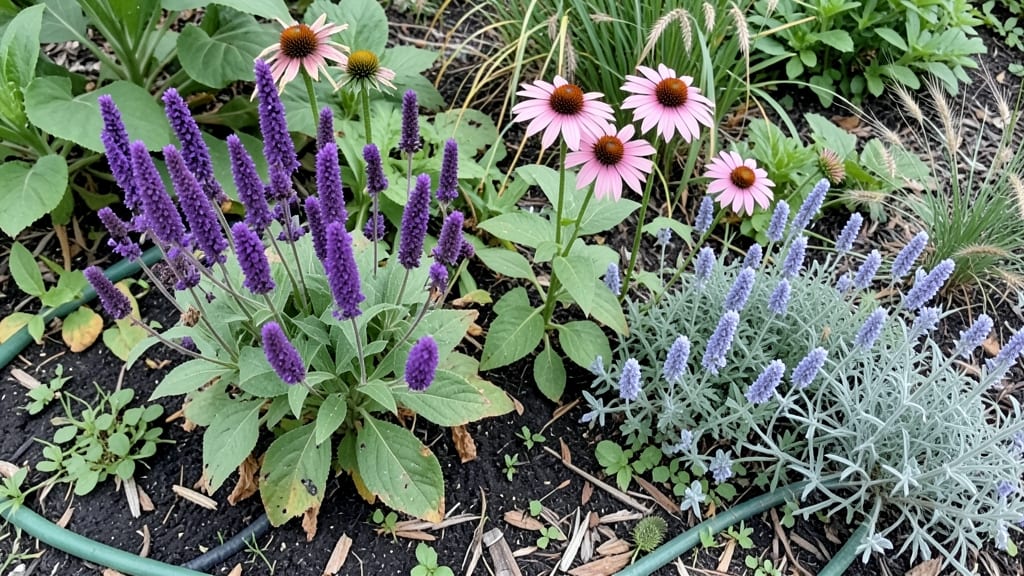
A flower bed curb transforms your front yard into the neighborhood's most talked-about feature—where every season brings fresh color, even when frost paints the air silver.
I learned this the hard way after my first winter: the wrong plants turned my meticulous spring bed into a sad, brown mess by November. The solution? A mix of evergreens, late-blooming perennials, and shrubs that shrug off cold snaps while still looking intentional.
Start with a border that matches your home's style—brick for classic charm, natural stone for a wild look, or sleek metal for modern appeal. Then layer plants by height: tall grasses and shrubs at the back, mid-height perennials in the middle, and low-growing annuals or ground covers up front.
This creates depth and hides soil until spring. My year-round bed uses heuchera for winter interest, lavender for structure, and pansies that bloom until snowflakes land.
By summer, you'll have a lush display that draws neighbors to pause and admire—think velvety black-eyed Susans, jewel-toned coleus, and fragrant roses that climb along the border. The key is low-maintenance plants that thrive in your zone without constant fuss.
Even in winter, the texture of ornamental grasses and the deep green of boxwood keep the bed looking polished. No more blank winter canvases—just a front yard that works all 12 months.
This design works for any home style, from cottage to contemporary, and scales from a narrow 2-foot strip to a wide, sweeping border. The materials and plants you choose should reflect your personality—whether that's rustic, refined, or somewhere in between.
Let's make your curb the envy of the block, frost or no frost.
📚 In This Guide
- What you need
- Instructions
- Tips and common mistakes
- Wrapping up and next steps
What you need
- ● Soil: 10-15 bags (2 cubic feet each) of well-draining, frost-resistant potting mix (look for blends with compost and perlite).
- ● Mulch: 5-10 bags (2 cubic feet each) of organic mulch (cedar or pine bark works best for frost protection).
- ● Frost-resistant plants: 3-5 Heuchera (Coral Bells) – for year-round foliage color.
- ● 5-7 Sedum (Stonecrop) – drought-tolerant and hardy.
- ● 3 Hellebore (Lenten Rose) – blooms in early spring.
- ● 5 Dwarf Boxwood – for structure and evergreen appeal.
- ○ Optional: 2-3 Winter Jasmine or Mahonia for early seasonal color.
- ● Edging: 10-15 feet of flexible plastic or metal edging (to define the bed neatly).
- ● Gravel or pebbles: 5-10 bags (1 cubic foot each) for drainage and curb appeal.
- ● Digging tools: 1 garden shovel (for soil prep).
- ● 1 garden trowel (for planting small perennials).
- ● 1 hose with nozzle (for watering and rinsing tools).
- ● Safety gear: Garden gloves (to protect your hands from thorns or rough edges).
- ○ Optional but helpful: 1 wheelbarrow (for hauling soil/mulch).
- ● 1 knee pad (for comfort during long projects).
- ● 1 string line and stakes (to mark bed layout before digging).
- ● 🌡️ Test your soil’s drainage: Dig a small hole, fill it with water, and time how long it takes to drain. If it pools for more than 30 minutes, amend with sand or gravel.
- ● ✨ Layer mulch: Apply 2-3 inches of mulch after planting to insulate roots during winter.
- ● 🎯 Group plants by height: Taller varieties (like Hellebore) at the back, shorter ones (like Sedum) at the front for a polished look.
Step-by-Step guide for designing a frost-resistant flower bed
Transform your front yard with plants that thrive through winter and bloom reliably year after year.
Assess Your Site and Choose Frost-Tolerant Plants
Start by observing your flower bed’s sunlight exposure and soil conditions. Most frost-resistant perennials thrive in full sun to partial shade—note which spots get morning sun versus afternoon shade. I always test soil moisture by digging a 6-inch deep hole; if it drains within an hour, your bed needs amending with 2-3 inches of compost to retain moisture during dry spells.
Select plants known for cold hardiness, like heuchera, sedum, and Russian sage, which survive down to 10°F without protection. For color contrast, pair them with evergreens like boxwood or dwarf conifers, which hold structure through winter. Sketch a rough layout before buying plants—this prevents overcrowding and ensures taller varieties don’t shade shorter ones prematurely.
Prepare the Soil for Winter Resilience
Loosen the soil to a depth of 12 inches using a broadfork or tiller, breaking up compacted layers that restrict root growth. Work in 3 gallons of compost per 4 square feet of bed to improve drainage and nutrient retention. Avoid fresh manure—it burns tender roots and attracts pests.
For heavier clay soils, mix in 1-2 inches of coarse sand to prevent waterlogging, which can rot roots during freeze-thaw cycles. Test soil pH; most frost-resistant perennials prefer a neutral range of 6.0-7.0. If your soil is too acidic, add dolomitic lime at a rate of 1 pound per 100 square feet and retest in 3 months.
Plant with Layered Depth and Winter Interest
Arrange plants in three tiers: tall perennials (like cardoon or hollyhock) at the back, mid-height shrubs (such as dwarf ninebark) in the middle, and low-growing ground covers (like creeping thyme or ajuga) at the front. Space plants 12-18 inches apart to allow airflow, reducing fungal diseases that thrive in damp winter conditions.
Mulch immediately after planting with 3-4 inches of shredded bark or straw, leaving 2 inches of space around stems to prevent rot. This mulch layer insulates roots during 20°F nights and suppresses weeds. Water deeply before the first frost to ensure roots are hydrated for dormancy.
Maintain Through Seasons for Long-Term Beauty
In early spring, remove dead foliage but leave seed heads from perennials like coneflower or black-eyed Susan—they provide winter interest for birds and structure in dormant beds. Fertilize lightly in late winter with a balanced 10-10-10 formula to encourage new growth before the first warm spell.
Monitor for winter burn (brown leaf edges) on evergreens—this occurs when plants dry out in windy conditions. If you see it, water deeply in late afternoon to reduce evaporation. Prune back leggy growth in early spring to encourage bushier, more resilient habits.
Plan for Year-Round Color Transitions
Select plants with staggered bloom times, such as heather (winter), crocus (early spring), and daylilies (summer), to ensure continuous interest. Group plants by water needs—drought-tolerant sedums near the curb reduce maintenance, while moisture-loving asters thrive near irrigation sources.
Add ornamental grasses like feather reed grass for movement and texture, even when other plants are dormant. These grasses survive 5°F temperatures and sway beautifully in winter winds. Finally, install solar-powered landscape lights along the bed’s edge to highlight foliage and flowers after sunset.
Tips & tricks for perfect frost-resistant flower bed design
Creating a flower bed that thrives through winter takes thoughtful planning—here’s how to elevate your curb appeal with plants that defy the cold.
Layering for Seasonal Interest: The three-tier planting strategy in Step 3 isn’t just about aesthetics—it’s a survival tactic. Tall perennials like hollyhock provide wind protection for lower plants during 20°F nights, while ground covers like creeping thyme prevent soil erosion from winter rains. I always place the most cold-hardy plants (like sedum) in the front tier, where they’ll face less exposure to wind and salt spray from roads.
Soil Preparation Insights: When amending clay soil with 1-2 inches of coarse sand in Step 2, don’t just mix it in—create vertical channels with your broadfork first. This breaks up compaction in layers, allowing roots to penetrate deeper where temperatures stay more stable. For the 3 gallons of compost per 4 square feet, I recommend using a mix of well-rotted manure and leaf mold—this combination improves both drainage and moisture retention without risking root burn.
Mulching Strategy: The 3-4 inch mulch layer in Step 3 serves multiple purposes beyond insulation. In late winter, I often rake back a portion to expose soil for early spring planting, then replace it afterward. This prevents weed competition while still protecting roots. For extra winter interest, I sometimes add a thin layer of decorative bark mulch on top of the functional straw—it looks intentional and adds texture to the dormant landscape.
Winter Care Secrets: When monitoring for winter burn in Step 4, focus on the inner foliage of evergreens first—this is where moisture loss occurs most rapidly. If you notice browning, water in the late afternoon when temperatures are above 32°F, as this gives roots time to absorb moisture before evening freeze. For the 10-10-10 fertilizer application in late winter, I recommend splitting it into two smaller applications—once in early February and again in early March—to prevent overstimulating tender new growth before the last frost.
Pro Tips for Flower Bed Curb
- Creating a flower bed that thrives through winter takes thoughtful planning—here’s how to elevate your curb appeal with plants that defy the cold.
- Layering for Seasonal Interest: The three-tier planting strategy in Step 3 isn’t just about aesthetics—it’s a survival tactic.
- Soil Preparation Insights: When amending clay soil with 1-2 inches of coarse sand in Step 2, don’t just mix it in—create vertical channels with your broadfork first.
Frequently asked questions
Got questions about creating a stunning flower bed curb that stands up to frost? You’re in the right place! Here are some of the most common queries—and their practical solutions—to help you design with confidence.
What are the best frost-resistant flowers for a curb-side flower bed?
Opt for hardy perennials like coneflowers, black-eyed Susans, and Russian sage—they thrive in cold climates and return year after year. For instant color, add pansies or snapdragons (annuals) in early spring or fall. Pro tip: Layer plants with varying heights (tall in back, low in front) for a polished look!
How do I protect my flower bed from winter damage?
Mulch heavily (3–4 inches) with shredded bark or straw to insulate roots. Skip heavy mulch on tender plants (like geraniums) and cover them with frost cloth instead. Water deeply before the first freeze to help roots absorb moisture. Bonus: Trim back dead foliage in early spring to avoid hiding new growth!
Is a raised flower bed curb more expensive than an in-ground one?
Yes, but the cost varies. Raised beds require materials (cedar lumber, gravel, or pavers) and may need extra soil amendments. In-ground beds are cheaper but require better drainage solutions (like sand or gravel). Budget hack: Start small—try a half-moon or rectangular bed along your curb for big impact with minimal cost!
What’s the easiest way to install a curb-side flower bed?
Outline your bed with landscape fabric to suppress weeds, then fill with a mix of native soil and compost. Use edging materials (metal, plastic, or bricks) to define the shape. For slopes, add retaining walls or terraces to prevent erosion. Time-saver: Pre-plant perennials in fall—they’ll establish roots before winter!
Can I use containers instead of a flower bed curb for frost-resistant plants?
Containers (like fiberglass troughs or large pots) work well for small spaces or renters. Use self-watering planters and move them near the house in winter for extra protection. Key tip: Choose containers with drainage holes and group them for a cohesive curb appeal vibe!
Wrapping up and next steps
Creating a flower bed curb with frost-resistant plants is a game-changer for year-round color and low-maintenance beauty! 🌸 With the right materials, thoughtful planning, and a few expert tips, you’ve got everything you need to transform your outdoor space into a vibrant, resilient oasis.
Whether you’re a seasoned gardener or just starting out, every small step brings you closer to a stunning, worry-free garden.
Ready to take the next step? Start by sketching your design, gathering your supplies, and picking out those hardy plants—then roll up your sleeves and get planting! Your future self (and your neighbors!) will thank you for the effort. Happy gardening! 🌿