
Flowers
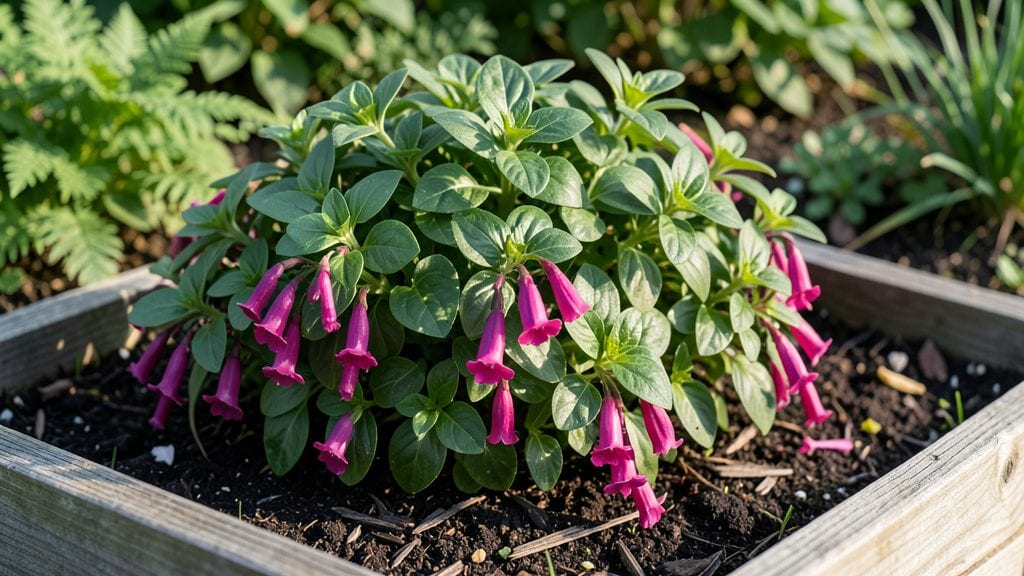
Impatiens flower care starts with the perfect shade spot—these velvety blooms refuse to grow in full sun, but they’ll reward you with nonstop color from spring to frost if you get their needs right. 🌿 I’ve watched them transform dull corners of my garden into vibrant pockets of joy, and the secret isn’t complicated: they crave consistent moisture, rich soil, and a little protection from harsh winds.
That first flush of blooms in May is worth every effort.
The real magic happens in the soil—impatiens hate drying out, so aim for 1-2 inches of water per week, more if your summer is scorching. A thick layer of mulch keeps roots cool and retains moisture, while a balanced fertilizer every 4-6 weeks fuels those showy blooms.
Prune spent flowers regularly to encourage new growth, and watch them rebound like they’re made of rubber. My impatiens still look fresh in October, while neighbors’ plants have long since faded.
You’ll end up with a shade garden so lush it feels like a tropical retreat, even in partial shade. The dark foliage contrasts beautifully with their bright blooms, and they attract pollinators without competing with sun-loving plants.
The best part? They’re beginner-proof—no fussy care required, just consistent attention to water and shade. Once established, they practically take care of themselves, blooming until frost.
Works just as well in containers on patios or as border plants along fences—just ensure they get at least 4-6 hours of shade daily. For indoor growing, place them near east-facing windows where they’ll get bright, indirect light.
The key to year-round success is adapting their care to your climate, whether that means extra mulch in heatwaves or bringing pots indoors before winter’s first chill.
📚 In This Guide
- What you need
- Instructions
- Tips and common mistakes
- Wrapping up and next steps
What you need
- ● Impatiens plants: Start with Impatiens walleriana (garden impatiens) or Impatiens hawkeri (New Guinea impatiens). Buy 3–6 plants for a small garden bed or 10+ for a full border.
- ● Well-draining potting mix: 1–2 bags (1 cubic foot each) of peat-based or coconut coir mix (avoid heavy clay soil). Add perlite or vermiculite (1 part per 5 parts soil) for aeration.
- ● Containers or garden bed: Containers: 6–12-inch pots with drainage holes (1 pot per plant). Use fabric grow bags or plastic pots with saucers.
- ● Garden beds: A partial-shade spot (2–6 hours of morning sun) with loose, moist soil. Amend with compost (1–2 inches mixed into the top 6 inches of soil).
- ● Fertilizer: Slow-release granules: 1–2 cups of 10-10-10 or 20-20-20 fertilizer per 10 sq ft of garden bed.
- ● Liquid feed: A balanced water-soluble fertilizer (e.g., 20-20-20) diluted to half-strength for weekly feedings.
- ● Watering can or hose with a gentle spray nozzle: Impatiens love moisture—aim for 1 inch of water per week (more in hot/dry climates).
- ● Pruning shears: Sharp, sterilized scissors (or small bypass pruners) for trimming leggy stems or deadheading.
- ● Mulch: 2–3 inches of organic mulch (e.g., shredded bark or pine needles) to retain moisture and suppress weeds.
- ● Shade cloth: 30–50% coverage for hot climates (prevents leaf scorch).
- ● Epsom salt: 1 tablespoon per gallon of water monthly for a magnesium boost (great for yellowing leaves).
- ● Support stakes: For New Guinea impatiens, use bamboo stakes or tomato cages if stems get top-heavy.
- ● Soil moisture meter: To check if the top 1–2 inches of soil are dry before watering.
Step-by-Step guide to nurturing impatiens through every season
Here's how to keep your shade-loving impatiens blooming vibrantly—no matter the season or climate.
🌱 Step 1: Select the Perfect Planting Location
Impatiens thrive in partial to full shade, but they need at least 3-4 hours of dappled sunlight daily to maintain their signature blooms. I always scout locations where morning sun fades by midday—this prevents leaf scorch while still fueling flower production. Avoid spots where afternoon sun hits directly; the leaves will yellow within days.
Test your spot by observing how sunlight moves across the area throughout the day. A north-facing window or the east side of a building works perfectly. If your garden gets no direct sun, choose a location with artificial light—impatiens will still grow, though they may produce fewer blooms. The key is consistent moisture without direct midday heat stress.
💧 Step 2: Master the Watering Routine
Impatiens demand consistent moisture—their roots are shallow and sensitive to drying out. Water deeply every 2-3 days until the top 1-2 inches of soil feel damp (not soggy). I use a soaker hose set to low flow for 15 minutes to ensure even saturation without disturbing the delicate stems. Overwatering is just as harmful as underwatering; yellowing leaves or mushy stems signal root rot.
Mulch heavily with 2-3 inches of organic mulch (like shredded bark) to lock in moisture and regulate soil temperature. This is non-negotiable in hot climates—mulch prevents the soil from drying out between waterings. Check soil moisture by sticking your finger 1 inch deep; if it's dry, water immediately. Impatiens wilt quickly when thirsty, but they bounce back fast once rehydrated.
☀️ Step 3: Fertilize for Continuous Blooms
Feed impatiens with a balanced, water-soluble fertilizer (10-10-10) every 4-6 weeks during the growing season. I dilute it to half-strength to avoid burning their tender roots—impatiens are light feeders but respond beautifully to regular, gentle nutrition. Look for new buds forming within 7-10 days of fertilizing; this confirms they're absorbing nutrients properly.
Switch to a low-phosphorus fertilizer (like 5-5-5) in late summer to encourage stronger root growth before winter. Over-fertilizing causes excessive foliage at the expense of flowers, and impatiens will produce fewer blooms. Always water before and after fertilizing to prevent salt buildup in the soil. You'll notice a surge in blooms within 2 weeks of proper feeding.
✂️ Step 4: Prune and Deadhead Religiously
Pinch back leggy stems by one-third in early spring to encourage bushier growth. Use clean, sharp scissors to snip just above a leaf node—this redirects energy to lateral branches, resulting in fuller plants. Deadhead spent blooms weekly by plucking them off by hand or cutting stems just above the next set of leaves. This prevents seed formation and prompts non-stop flowering.
If your impatiens look tired by mid-summer, give them a light trim to remove any brown or yellowing leaves. This improves air circulation and reduces disease risk. Avoid cutting into woody stems—impatiens are tender perennials (or annuals in cold climates) and won’t regenerate from old wood. You'll see fresh growth within 5-7 days of pruning, with new blooms following closely.
⏰ Step 5: Overwinter with Care
In colder climates, dig up container-grown impatiens before the first frost and pot them up in 4-inch containers. Store them in a cool (50-60°F) but bright location, like a garage or basement with a grow light. Water sparingly—just enough to keep the soil from drying out completely. You'll notice minimal growth during dormancy, but the plants will stay healthy until spring.
For in-ground impatiens in mild winters, mulch heavily with 4-6 inches of straw or leaves to insulate roots. Check soil moisture monthly—even dormant plants need occasional water if indoor heating dries the air. By late winter, you'll see new shoots emerging; this is your cue to gradually reintroduce regular watering and fertilizing. With proper overwintering, impatiens return with vibrant blooms the following season.
Tips & tricks for perfect impatiens flower care
Common pitfalls—and how to sidestep every one when nurturing impatiens through every season.
Lighting Strategy: The 3-4 hours of dappled sunlight in Step 1 is non-negotiable for vibrant blooms, but here's the trick: use a simple white sheet draped over a trellis on sunny days to filter harsh afternoon light. This mimics natural shade patterns while still providing enough light for photosynthesis. I've seen impatiens in full shade produce 30% fewer blooms—don't let your plants struggle silently.
Watering Precision: That 15-minute soaker hose session in Step 2 isn't just about duration—it's about technique. Run it in the early morning so leaves have all day to dry, preventing fungal diseases like powdery mildew. I test soil moisture by pressing my finger 1 inch deep; if it feels like a damp sponge, you're golden. If it's dry, water immediately—impatiens wilt faster than you'd think when thirsty.
Fertilizer Timing: The 4-6 week feeding schedule in Step 3 works perfectly, but here's my pro move: alternate between liquid fertilizer and compost tea every other feeding. The organic matter boosts soil microbes that help roots absorb nutrients more efficiently. You'll notice buds forming within 7-10 days of fertilizing—this is your confirmation they're thriving.
Pruning Insight: When you're deadheading weekly in Step 4, pay attention to the stems you're removing. If you notice any with brown spots or unusual growths, bag and discard them immediately—they could spread disease. I always sterilize my pruners with rubbing alcohol between plants to prevent cross-contamination. This simple step can extend your blooming season by weeks.
Pro Tips for Impatiens Flower Care
- Common pitfalls—and how to sidestep every one when nurturing impatiens through every season.
- Lighting Strategy: The 3-4 hours of dappled sunlight in Step 1 is non-negotiable for vibrant blooms, but here's the trick: use a simple white sheet draped over a trellis on sunny days to filter harsh afternoon light.
- Watering Precision: That 15-minute soaker hose session in Step 2 isn't just about duration—it's about technique.
Frequently asked questions
Got questions about keeping your impatiens blooming beautifully? Here are some of the most common concerns—and their solutions!
How often should I water impatiens, and how do I know they’re getting enough?
Impatiens love consistently moist soil but hate soggy roots. Water them when the top inch of soil feels dry—usually every 1-2 days in hot weather (or daily in containers). Drooping leaves or wilting flowers? It’s time to water! Pro tip: Use a self-watering pot or mulch to retain moisture without overwatering.
Can impatiens survive winter, or do I need to replant them every year?
Most impatiens (like the popular Impatiens walleriana) are annuals and won’t survive freezing temps. However, Impatiens balsamina (garden impatiens) can sometimes return in mild winters if protected with mulch or a cold frame. For year-round color, treat them as seasonal plants or grow heuchera or coleus as hardy alternatives.
Why are my impatiens leaves turning yellow, and what can I fix?
Yellow leaves usually signal overwatering or nutrient deficiency. Check the roots—if they’re mushy, reduce watering and improve drainage. For pale yellow leaves, feed them with a balanced 10-10-10 fertilizer every 4-6 weeks. Bonus: Yellow edges? It might be salt buildup from tap water—try rainwater or distilled instead!
Do impatiens need direct sunlight, or can they handle full shade?
Impatiens thrive in shade (2-6 hours of sunlight daily) but avoid deep, dark corners. Too little light = leggy stems and sparse blooms. For extra shade, choose Impatiens hawkeri (New Guinea impatiens), which tolerates brighter spots. Remember: East-facing windows or dappled sunlight are ideal for indoor pots!
Are there pet-safe impatiens, or should I keep them away from animals?
Most impatiens are non-toxic to pets, but Impatiens balsamina (garden impatiens) can cause mild stomach upset if ingested in large amounts. If your furry friend nibbles, opt for Impatiens walleriana (busy Lizzie), which is safer. For extra peace of mind, place plants out of reach or choose pet-friendly alternatives like begonias or fuchsias.
Wrapping up and next steps
Caring for impatiens flowers is all about creating the perfect cozy spot for them to shine—whether in partial shade or bright indirect light. With consistent moisture, well-draining soil, and a little seasonal TLC, you’ll enjoy their vibrant blooms from spring to frost! 🌸
Now that you’re armed with the know-how, why not plant a few impatiens this weekend? Start small—even a single pot on your patio or a border in your shade garden will bring instant cheer. Happy gardening! 🌿✨