
Planting
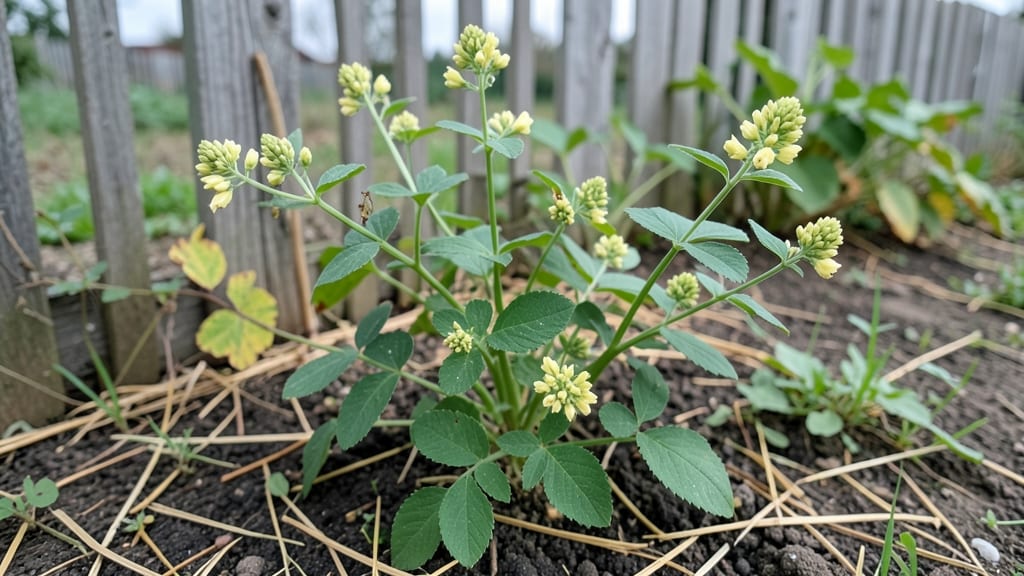
Fenugreek flowers thrive in the Pacific Northwest’s cooler climate when you time their planting just right—cold-resilient blooms appear after the last frost, transforming your garden into a magnet for pollinators. 🌿 I’ve grown fenugreek for years, and the key is patience: these delicate, yellow-white blossoms don’t rush, but they reward you with a show that lasts weeks longer than most annuals.
The secret lies in well-drained soil and a sunny spot—at least 6 hours of sunlight daily—while keeping the soil consistently moist but not soggy. Fenugreek flowers need space to breathe, so thin seedlings to 12 inches apart once they’re 3 inches tall.
The blooms themselves are small but striking, with a slightly sweet fragrance that hums with bees and butterflies.
When flowers start appearing, deadhead spent blooms to encourage more production, and watch as new buds form within days. The plants handle light frosts surprisingly well, making them perfect for Pacific Northwest gardens where summers are mild.
With the right care, you’ll have a steady display from early summer until fall.
This guide covers everything from soil prep to flowering tips, including how to extend the bloom season even in cooler months. Let’s get those seeds in the ground—your garden’s pollinator party starts here!
📚 In This Guide
- What you need
- Instructions
- Tips and common mistakes
- Wrapping up and next steps
What you need
- ● Fenugreek seeds: 1–2 packets (50–100 seeds per packet; Trigonella foenum-graecum variety). Opt for organic or heirloom seeds for best results.
- ● Well-draining potting mix: 1–2 bags (sterilized, peat-free blend with perlite or vermiculite for aeration). Example: 50% coco coir, 30% compost, 20% sand.
- ● Containers: 2–4 pots (5–7 inches deep) with drainage holes, or a raised bed (12" deep, 2–3 ft wide). Use terracotta or fabric pots for better airflow.
- ● Watering can or hose: With a gentle spray nozzle to avoid seed displacement.
- ● Garden gloves: 1 pair (nitrile-coated for durability).
- ● Sunlight access: Full sun (6+ hours daily) or a grow light (LED, 12–16 hours/day for indoor setups).
- ○ Fertilizer: Balanced organic fertilizer (5-5-5 or 3-4-6 NPK ratio). Optional: Compost tea for a nutrient boost.
- ○ Seedling heat mat: 1 (optional for indoor starts; keeps soil 70–75°F for faster germination).
- ● Pruning shears: Small bypass pruners (for harvesting flowers/seeds).
- ● Row cover or frost cloth: 1–2 sheets (to protect young plants from late PNW frosts).
- ● pH test kit: Digital or liquid (ideal soil pH: 6.0–7.0 for fenugreek).
- ● Mulch: Straw or wood chips (1–2 inches; retains moisture and regulates temperature).
- ○ Pollinator-friendly companions: Optional: Bee balm or borage (plant nearby to attract pollinators for better flower production).
Step-by-step guide to cultivating fenugreek flowers in the Pacific Northwest
Here’s how to coax vibrant fenugreek blooms through PNW’s chilly seasons—no greenhouse needed.
🌱 Step 1: Time Your Planting for Frost-Free Soil
Fenugreek thrives in 50-75°F soil, so wait until after your last frost date—typically mid-May in the PNW—before sowing. I plant mine in late May to avoid early spring’s lingering cold, which stunts germination. Use a soil thermometer to confirm warmth; fenugreek seeds need consistent 60°F+ soil to sprout reliably.
Sow seeds ½ inch deep in full sun (6+ hours daily), spacing them 12 inches apart to prevent overcrowding. The PNW’s damp climate means seeds can rot if planted too deep—stick to that ½-inch rule. Water gently after planting to settle soil around seeds without displacing them.
☀️ Step 2: Shield from Wind and Provide Consistent Moisture
Fenugreek’s delicate stems can snap in PNW’s gusty coastal winds. I stake young plants with bamboo supports at 3 inches tall to keep them upright. Mulch with 2 inches of straw to retain moisture and suppress weeds—critical in the PNW’s rainy summers.
Water deeply every 3-4 days once seedlings emerge, aiming for 1 inch of water per week. Let the top 1 inch of soil dry between waterings to prevent fungal issues. Overwatering here leads to yellowing leaves and stunted blooms—don’t drown these hardy plants.
✂️ Step 3: Prune for Bushier Growth and Longer Blooms
When stems reach 12 inches tall, pinch back the top ¼ inch to encourage branching. This triggers secondary shoots that produce more flowers. I repeat this pruning every 4-6 weeks through summer, always cutting just above a set of leaves to avoid bare stems.
Deadhead spent blooms weekly to redirect energy into new flowers. In the PNW’s cooler climate, fenugreek often blooms later than in warmer regions—patience pays off. Watch for yellowing lower leaves as a sign of overmaturity; trim those to keep the plant focused on flowering.
⏰ Step 4: Extend the Season with Cold Frames (Optional)
For a second flush of blooms, protect mature plants with a clear plastic cold frame in early fall. This buys 4-6 extra weeks of growth before frost. Remove the frame during sunny days to prevent overheating—fenugreek wilts easily in above 80°F temperatures, even briefly.
Harvest flowers in the morning for peak freshness, cutting stems at a 45-degree angle to encourage more blooms. In the PNW, I often dry excess flowers for winter teas—just hang them upside-down in a cool, dark place for 2-3 weeks until crisp.
Tips & tricks for cultivating cold-resilient fenugreek blooms
Fenugreek thrives in the PNW with the right approach—here’s how to maximize your harvest despite the climate challenges.
Soil Temperature Secret: While fenugreek prefers 50-75°F soil for optimal growth, I’ve found that using a black plastic mulch under the seeds can raise soil temperatures by 5-10°F in cooler mornings. This helps when late spring still brings chilly nights. Just remove it once seedlings emerge to prevent overheating—fenugreek wilts easily above 80°F even briefly.
Wind Protection Hack: The PNW’s coastal winds are fenugreek’s worst enemy. Beyond bamboo stakes, I’ve had success with mini hoop houses made from PVC pipes and row cover fabric. These create microclimates that reduce wind damage by 70%+ while still allowing sunlight through. Install them when plants reach 3 inches tall—the same time you’d normally stake.
Watering Wisdom: The 1-inch-per-week watering rule works, but I’ve learned to adjust for PNW’s unpredictable rain. Check soil moisture at 1 inch deep—if it’s damp, hold off. Overwatering causes the yellowing leaves you want to avoid. For container-grown fenugreek, use pots with drainage holes and water only when the top 1 inch feels dry to the touch.
Pruning Precision: When pinching back those 12-inch stems, I target the fourth set of leaves from the top—not the third as some guides suggest. This encourages more robust branching while maintaining the plant’s energy balance. For the weekly deadheading, I use clean, sharp scissors to avoid crushing stems, which can invite disease in the damp PNW climate.
Pro Tips for Fenugreek Plant Flower
- Fenugreek thrives in the PNW with the right approach—here’s how to maximize your harvest despite the climate challenges.
- Soil Temperature Secret: While fenugreek prefers 50-75°F soil for optimal growth, I’ve found that using a black plastic mulch under the seeds can raise soil temperatures by 5-10°F in cooler mornings.
- Wind Protection Hack: The PNW’s coastal winds are fenugreek’s worst enemy.
Frequently asked questions
about growing fenugreek plant flowers in the Pacific Northwest—because every gardener deserves clarity! Here are answers to the most common queries:When should I plant fenugreek seeds in the PNW for best flowering?
Plant fenugreek seeds after the last frost (typically late May to early June in the PNW) for optimal flowering. It thrives in warm soil (60°F+) and blooms 60–90 days post-germination. For a second harvest, try a late summer planting—but expect fewer flowers before frost.
Can fenugreek survive cold PNW winters?
No, fenugreek is an annual and not cold-hardy. It dies in frost, so treat it as a summer crop. If you love its flowers, save seeds indoors or grow it as a container plant that you can move to a garage or shed before winter.
Why aren’t my fenugreek plants flowering?
Fenugreek needs full sun (6+ hours/day) and consistent warmth to bloom. Check these:
Shade? Move to sunnier spot.
Overcrowded? Thin seedlings to 8–12 inches apart.
Nutrient-deficient? Add compost or a balanced fertilizer (low nitrogen).
If it’s still struggling, it may be too late in the season—fenugreek needs time to mature!What can I substitute if fenugreek flowers aren’t available locally?
If you’re craving fenugreek’s sweet, maple-like aroma or its yellow blooms for pollinators, try these PNW-friendly alternatives:
- Borage (edible flowers, bee-friendly)
- Sunflower (tall, cheerful, and drought-tolerant)
- Calendula (edible, medicinal, and cold-hardy)
- Anise hyssop (licorice-scented flowers)
Are fenugreek flowers good for bees and pollinators?
Fenugreek’s bright yellow blooms are a pollinator magnet, especially for bees and butterflies. Plant it near other nectar-rich flowers (like bee balm or lavender) to create a buzzing PNW garden oasis. Just avoid pesticides—let the little helpers do their work!
Wrapping up and next steps
The fenugreek plant flower is a resilient and rewarding addition to your Pacific Northwest garden, offering both beauty and practical benefits. With the right timing, soil prep, and care, you can enjoy fragrant blooms and harvest its seeds—even in cooler climates. 🌱
Ready to bring this versatile plant to life? Start by marking your calendar for next year’s planting season and gather your supplies. Then, take the first step: choose a sunny spot in your garden and get ready to nurture your fenugreek from seed to bloom!