
Size
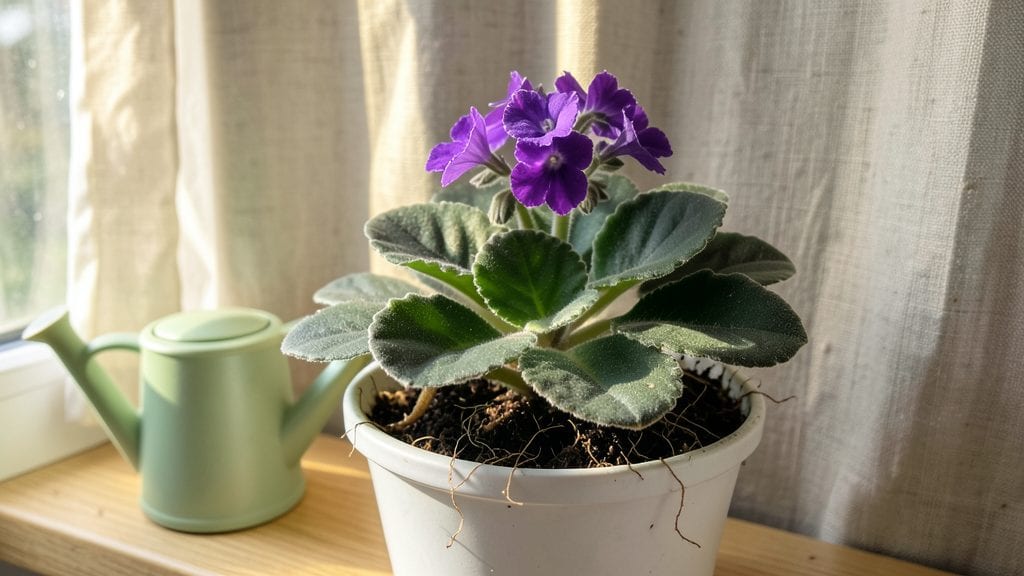
Growing flowers indoors isn't just possible—it’s shockingly simple when you pick the right varieties and light tricks. 🌸 I’ve turned my living room into a mini greenhouse with just a few adjustments, and my African violets and peace lilies bloom nonstop, even in winter.
The key? Matching plants to your light conditions and keeping maintenance minimal.
Start with foolproof flowers like African violets, peace lilies, or orchids—they thrive under indoor conditions and forgive beginner mistakes. You’ll need basic supplies: pots with drainage, lightweight potting mix, and either a sunny windowsill or a 10-12 watt LED grow bulb for artificial light.
Watering once a week (less in winter) and occasional misting keeps them happy without fuss.
By month three, you’ll have vibrant blooms year-round, with flowers lasting weeks longer than store-bought bouquets. The air stays fresher, your space feels alive, and you’ll never buy cut flowers again. Plus, these plants purify the air while they dazzle—it’s a win-win.
Works for apartments, offices, or sun-starved homes. Let’s get those blooms growing!
📚 In This Guide
- What you need
- Instructions
- Tips and common mistakes
- Wrapping up and next steps
What you need
- ● Indoor-friendly flower varieties: Choose low-light-tolerant options like African violets, peace lilies, or spider plants (3–5 plants, depending on space).
- ● Containers: Pots with drainage holes (6–8 inches in diameter, 1–2 per plant).
- ● High-quality potting mix: Lightweight, well-draining soil (1–2 bags, ~2–3 cubic feet total).
- ● Grow lights: LED or fluorescent bulbs (15W–20W, full-spectrum for best results).
- ● Watering can or spray bottle: For gentle hydration (avoid overwatering!).
- ● Fertilizer: Balanced liquid fertilizer (10-10-10 or 20-20-20, diluted as per instructions).
- ● Pruning shears: Small, sharp scissors for trimming dead blooms.
- ● Self-watering planters: For hands-off care (great for busy plant lovers!).
- ● Humidity tray: A pebble-filled tray with water to boost moisture-loving blooms.
- ● Plant food boosters: Fish emulsion or compost tea for extra nutrients.
- ● Decorative pots: Match your style with stylish cachepots (just ensure they have drainage!).
- ● Growth charts or journals: Track progress and light exposure for optimal blooms.
Step-by-Step instructions for growing flowers indoors
Here's my foolproof method for coaxing vibrant blooms inside—no fancy gear required.
🌱 Step 1: Select the Right Varieties for Indoor Growing
Not all flowers thrive indoors, so I focus on varieties bred for low light and small spaces. African violets, peace lilies, and spider plants are my go-to starters—they tolerate indoor conditions better than finicky annuals. Check the plant tag for keywords like "compact," "low-light tolerant," or "blooms indoors."
For dramatic color, try orchids or bromeliads—they need minimal care and deliver stunning foliage or blooms. Avoid heavy feeders like petunias or geraniums unless you're willing to supplement with grow lights. Here's the thing—your success hinges on matching the plant to your light conditions first.
☀️ Step 2: Position Plants According to Light Availability
Most indoor spaces have three light zones: bright (south-facing windows), medium (east/west), and low (north-facing or interior rooms). Place plants near windows but avoid direct midday sun, which burns delicate leaves. I rotate pots quarter-turn weekly so plants grow evenly toward the light source.
For low-light areas, choose shade-tolerant varieties like pothos or peace lilies. If you see leaves stretching toward the window or turning pale yellow, your plant needs more light—move it closer or add a 12-inch LED grow light for 12-14 hours daily. The goal is to mimic natural daylight without scorching foliage.
💧 Step 3: Master the Watering Balance
Overwatering kills more indoor plants than anything else. I use the finger test: stick your index finger 1 inch into the soil—if it feels dry, water; if damp, wait. Most flowers prefer slightly dry soil between waterings, especially in cooler rooms where evaporation slows.
Water deeply until it runs out the drainage hole, then empty the saucer immediately. Stagnant water in saucers breeds root rot. I've learned the hard way that terracotta pots dry out faster than plastic, so adjust your watering schedule accordingly. Watch for wilting leaves—this is your plant's SOS signal, not necessarily a need for water.
✂️ Step 4: Prune and Encourage Continuous Blooms
Deadheading spent blooms (pinching off faded flowers) redirects a plant's energy into new growth. I use clean, sharp scissors to snip just above the next set of leaves or buds. This simple habit keeps flowers coming for months instead of a single burst.
For foliage plants like snake plants or ZZ plants, trim leggy stems to encourage bushier growth. If your plant looks top-heavy, cut back the longest stems by one-third to stimulate branching. Real talk: this step makes all the difference between a one-season wonder and a year-round showstopper.
🪴 Step 5: Refresh Soil and Fertilize Seasonally
Indoor plants deplete nutrients faster than outdoor ones. Every 6 months, I repot into fresh well-draining potting mix—this prevents root-bound stress and gives plants a nutrient boost. Choose pots just 1-2 inches larger in diameter than the current one to avoid shocking roots with too much space.
Feed with a balanced liquid fertilizer (10-10-10) diluted to half-strength every 4-6 weeks during active growth. Cut back in winter when most plants rest. If you notice yellowing leaves despite regular watering, it's time to fertilize—this is a classic sign of nutrient deficiency.
Tips & tricks for perfect indoor flower growth
These simple yet game-changing strategies will help you avoid common pitfalls and coax vibrant blooms from your indoor plants.
Variety Selection Strategy: When choosing plants in Step 1, prioritize those labeled "compact" or "low-light tolerant" for your specific light conditions. For example, African violets thrive in medium light, while peace lilies handle low light beautifully. Between us, I've killed three orchids before realizing they needed a humid environment—so check the care tag carefully before committing!
Light Optimization: In Step 2, the quarter-turn rotation you do weekly is critical, but here's the thing: if your plants still look stretched, you're likely dealing with insufficient light. For north-facing windows, supplement with a 12-inch LED grow light for those exact 12-14 hours daily mentioned—position it just 6-12 inches above the plants. I've found that rotating the light source along with the plants prevents uneven growth patterns.
Watering Wisdom: The finger test in Step 3 is foolproof, but here's what nobody tells you: terracotta pots dry out faster than plastic, so adjust your schedule accordingly. For extra insurance, I use a moisture meter—it takes the guesswork out of watering. And if you notice crispy leaf edges, it's a classic sign of underwatering, while yellowing leaves usually mean overwatering.
Pruning Precision: When deadheading in Step 4, always snip just above a leaf node or bud to encourage new growth. For foliage plants, cutting back leggy stems by one-third might seem drastic, but trust me on this—it triggers bushier, more compact growth. I've seen snake plants go from sparse to lush after this simple step.
Pro Tips for Grow Flowers Indoors
- These simple yet game-changing strategies will help you avoid common pitfalls and coax vibrant blooms from your indoor plants.
- Variety Selection Strategy: When choosing plants in Step 1, prioritize those labeled "compact" or "low-light tolerant" for your specific light conditions.
- Light Optimization: In Step 2, the quarter-turn rotation you do weekly is critical, but here's the thing: if your plants still look stretched, you're likely dealing with insufficient light.
Frequently asked questions
Got questions about growing flowers indoors? You’re not alone! Here are some of the most common concerns—and straightforward answers—to help you bloom like a pro.
Which flowers are easiest to grow indoors?
Start with low-maintenance varieties like African violets, peperomias, or bromeliads. These thrive in indirect light and need minimal care. Avoid finicky flowers like orchids or roses unless you’re ready for extra attention!
How much light do indoor flowers really need?
Most indoor flowers need 6–8 hours of bright, indirect light daily. If your space lacks natural light, supplement with a grow light (LED bulbs work great!). South-facing windows are ideal, but east or west works too—just rotate plants occasionally for even growth.
What’s the best temperature for indoor flowers?
Aim for a cozy 65–75°F (18–24°C) range during the day and slightly cooler at night. Avoid drafts (like AC vents or heaters) and sudden temperature swings—these stress plants and stunt blooms. A simple thermometer helps monitor conditions!
Why are my indoor flowers wilting or dropping leaves?
Wilted leaves often signal overwatering or underwatering. Stick your finger 1 inch into the soil—if it’s dry, water; if soggy, let it dry out. Yellow leaves? Check for root rot or nutrient deficiency. Adjust care and watch for improvement!
Can I grow flowers indoors without grow lights?
Yes! Place plants near sunny windows (south- or west-facing) or use reflective surfaces (like mirrors) to bounce extra light. Just rotate plants weekly to prevent lopsided growth. For dark spaces, grow lights are a game-changer—they’re affordable and save your blooms!
Wrapping up and next steps
Growing flowers indoors isn’t just possible—it’s a rewarding way to bring nature’s beauty into your space year-round! 🌸 With the right light hacks, containers, and a little patience, you’ll enjoy vibrant blooms even without a sunroom.
Start small, experiment with easy varieties like African violets or peperomias, and soon, your home will feel like a lush greenhouse.
Ready to take the next step? Pick one plant, gather your supplies, and begin your indoor gardening journey today—your future blooms will thank you! 🌱