
Planting
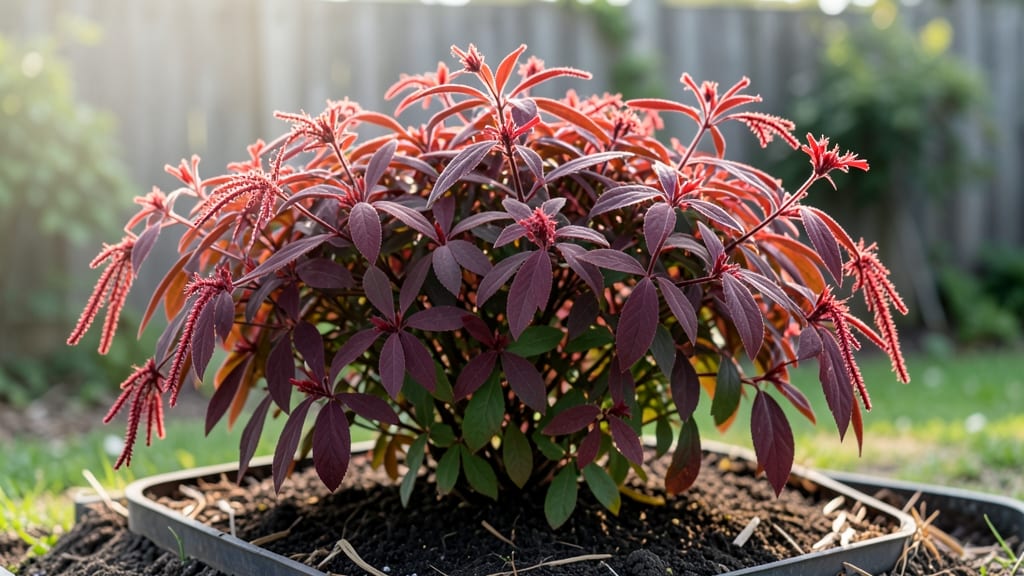
The Ever Red Fringe Flower brings bold, burgundy foliage and delicate pink blooms to Pacific Northwest gardens—even after frost. 🌿 I fell in love with this plant when it thrived in my zone 8 garden through winter's chill, its deep red leaves adding year-round drama.
Unlike many ornamental shrubs, it handles our damp, cool summers with ease, making it a standout for coastal and mountain gardens alike.
This evergreen shrub thrives in partial shade to full sun, tolerating everything from rocky slopes to container gardens. The secret? Well-draining soil with a slightly acidic pH (6.0–7.0) and consistent moisture without soggy roots.
Once established, it’s drought-tolerant—perfect for busy gardeners who want color without constant fuss. Prune lightly after flowering to shape it, and watch it reward you with spring blooms for months.
Imagine a landscape where burgundy foliage contrasts with spring’s pale blooms, or where it anchors a shade garden with its glossy leaves. This plant delivers four-season interest: vibrant foliage in winter, fragrant flowers in spring, and even occasional fall color.
It’s the kind of shrub that makes neighbors stop and ask, "What’s that?"—then keeps them coming back to admire it.
Whether you’re filling a tricky spot or adding structure to a border, the Ever Red Fringe Flower is a foolproof choice for PNW gardens. Let’s get it planted so you can enjoy its beauty year-round—no green thumb required.
📚 In This Guide
- What you need
- Instructions
- Tips and common mistakes
- Wrapping up and next steps
What you need
- ● 1-2 Loropetalum chinense 'Ever Red' plants – Choose healthy, established nursery-grown specimens (3-5 gallons in size for best cold hardiness).
- ● Well-draining acidic soil (pH 5.0–6.0) – Mix 50% native soil, 30% peat moss or coconut coir, and 20% perlite/pumice for optimal drainage.
- ● Organic mulch (3–4 inches) – Use pine bark fines or shredded cedar mulch to retain moisture and protect roots from frost.
- ● Slow-release fertilizer (10-10-10 or 12-4-8) – Apply 1–2 cups per plant in early spring and again after blooming.
- ● Garden trowel or spade – For planting and soil amendments.
- ● Pruning shears (sterilized) – To shape plants and remove dead growth.
- ● Watering can or hose with a gentle spray nozzle – Avoid overwatering; 1–1.5 gallons per week is ideal.
- ● Garden gloves – Protect your hands from thorns and soil.
- ● Frost cloth or burlap wraps – For extra protection during hard freezes (below 10°F).
- ● Epsom salt (magnesium sulfate) – 1 tbsp per gallon of water monthly for vibrant foliage.
- ● Slow-release iron supplement – Ensures those bold red leaves stay striking.
- ● Decorative rocks or gravel – Improves drainage and adds aesthetic appeal.
Step-by-Step guide to planting and caring for ever red fringe flowers
Here's how to establish these striking Pacific Northwest beauties with minimal fuss.
🌱 Step 1: Choose the Perfect Planting Location
Ever Red Fringe thrives in partial shade to full sun—at least 4-6 hours of morning sunlight is ideal, especially in hotter summer months. In the Pacific Northwest, I always plant mine where they get dappled shade in the afternoon to prevent leaf scorch. Look for spots with well-draining soil—these plants hate soggy roots.
Test your soil by digging a 6-inch hole and checking moisture after rain. If water pools or the soil feels compacted, amend with 2-3 inches of compost mixed into the top 12 inches of soil. The plants will reward you with bold red blooms all season if the location is just right.
🪴 Step 2: Prepare the Planting Hole and Set the Root Ball
Dig a hole twice as wide as the root ball but only as deep as the container it came in. Loosen the sides of the hole with a fork to help roots spread easily. Gently remove the plant from its container and tease apart any circling roots—this encourages outward growth instead of root-bound stress.
Place the plant in the hole so the top of the root ball sits level with the surrounding soil. Fill in around the roots with your amended soil, pressing lightly to remove air pockets. Water deeply right away to settle the soil and eliminate gaps. You’ll know it’s right when water drains through the hole within 10-15 minutes.
☀️ Step 3: Water and Mulch for Long-Term Health
Water thoroughly once a week during the first 4-6 weeks after planting, aiming for 1-1.5 gallons per plant. Let the top 2 inches of soil dry out between waterings—this prevents root rot while keeping the plant hydrated. In the Pacific Northwest’s cooler, wetter climate, overwatering is the biggest mistake I see beginners make.
Spread a 3-inch layer of mulch around the base, keeping it 2 inches away from the stem to prevent rot. I use shredded bark or wood chips because they break down slowly and improve soil structure over time. This mulch layer also protects roots from winter frosts—critical for these frost-resistant beauties.
✂️ Step 4: Prune and Maintain for Continuous Blooms
Deadhead spent blooms by snipping stems just above a set of leaves with clean, sharp shears. This encourages new growth and prolongs flowering—I do this every 2-3 weeks throughout the season. Avoid cutting into old wood, as Ever Red Fringe flowers on current season’s growth.
In late winter or early spring, prune back any dead or damaged stems to the base. This cleanup gives the plant energy to produce fresh, vibrant foliage. Fertilize lightly in early spring with a balanced 10-10-10 formula—just ½ teaspoon per plant—to support new growth without overfeeding.
Tips & tricks for perfect ever red fringe flower planting
Between us, these striking Pacific Northwest beauties reward patience with bold blooms—but only if you nail a few key details. Here's what nobody tells you about getting it right.
Sunlight Strategy: In Step 1, those 4-6 hours of morning sun are non-negotiable, but here's the secret: the afternoon dappled shade should be from large trees—not small shrubs. I learned this the hard way after my first plants got scorched from afternoon sun reflecting off nearby concrete. Look for areas where sunlight filters through branches rather than hits directly.
The Root Ball Technique: When you're teasing apart circling roots in Step 2, don't just pull—they'll tear. Instead, gently work your fingers between the roots and the root ball, using a butter knife if needed. The goal is to encourage outward growth, not damage the delicate root tips. This one step makes all the difference in how quickly your plant establishes itself.
Watering Wisdom: That 1-1.5 gallons per plant in Step 3 needs context: this is for the first 4-6 weeks only. After that, you can reduce to once every 10-14 days, letting the soil dry completely between waterings. The Pacific Northwest's humidity means these plants actually prefer slightly drier conditions once established—just don't let them wilt completely.
Mulch Mastery: The 3-inch mulch layer in Step 3 works wonders, but placement matters. Pile it higher—about 4 inches—around the base during winter months to provide extra frost protection. Just remember to keep it 2 inches away from the stem to prevent rot. I've seen plants survive our harsh winters thanks to this simple adjustment.
Pro Tips for Ever Red Fringe Flower Plant
- Between us, these striking Pacific Northwest beauties reward patience with bold blooms—but only if you nail a few key details.
- Sunlight Strategy: In Step 1, those 4-6 hours of morning sun are non-negotiable, but here's the secret: the afternoon dappled shade should be from large trees—not small shrubs.
- The Root Ball Technique: When you're teasing apart circling roots in Step 2, don't just pull—they'll tear.
Frequently asked questions
How cold can Ever Red Fringe Flower tolerate?
The Ever Red Fringe Flower (Loropetalum chinense 'Rubrum') is a hardy gem for the Pacific Northwest, surviving temperatures as low as -10°F (-23°C) once established. Young plants may need winter mulch (like shredded bark or straw) for extra protection, especially in exposed areas. Pro tip: Plant in sheltered spots if your winters dip below -5°F (-21°C).
When is the best time to prune Ever Red Fringe Flower?
Prune your fringe flower late winter or early spring (before new growth starts) to shape it and encourage dense blooms. Avoid heavy pruning in fall—it can stimulate tender growth that won’t survive winter. Light trimming after flowering (summer) is fine to tidy up, but keep it minimal to avoid stressing the plant. Warning: Never prune into old wood—focus on outer branches!
Why aren’t my Ever Red Fringe Flowers blooming?
Bloom issues often stem from over-fertilizing (especially with high nitrogen), which fuels foliage over flowers. Try a balanced, low-nitrogen fertilizer (10-10-10) in early spring, or switch to a bloom-specific formula. Sunlight is key—ensure it gets 6+ hours of direct light. If the plant is young (<3 years), patience! It may take time to establish.
What are good alternatives if Ever Red Fringe Flower is hard to find?
If you’re struggling to locate Loropetalum chinense 'Rubrum', try these PNW-friendly, frost-resistant shrubs with bold foliage:
- Dwarf Fothergilla ('Mount Airy') – Stunning fall color + fragrant spring blooms.
- Oakleaf Hydrangea ('Pee Wee') – Compact, with vibrant red fall leaves.
- Cotoneaster ('Fireberry') – Deep red berries + glossy foliage.
- Heather ('Winter Beauty') – Evergreen with pink winter blooms.
Are Ever Red Fringe Flowers deer-resistant?
While Loropetalum chinense is less appealing to deer than many shrubs, it’s not deer-proof. Young plants or stressed specimens may still be browsed. Double your defenses with:
- Deer repellent sprays (reapply after rain).
- Physical barriers (chicken wire around the base).
- Planting near deer-deterrent companions like Russian Sage or Lavender.
Wrapping up and next steps
The ever red fringe flower is a stunning, low-maintenance gem perfect for the Pacific Northwest’s climate—bringing vibrant color and resilience to your garden with minimal fuss. 🌸 Whether you’re drawn to its striking blooms, drought tolerance, or ability to thrive in frost, this plant is a game-changer for gardeners of all levels.
Ready to transform your outdoor space?
Your next step? Pick a sunny spot, gather your supplies, and dive in! Start with a single plant, experiment with companion flowers, or even share cuttings with fellow plant lovers. The Pacific Northwest’s gardens deserve this burst of ever-red beauty—let’s make it happen!