
Planting
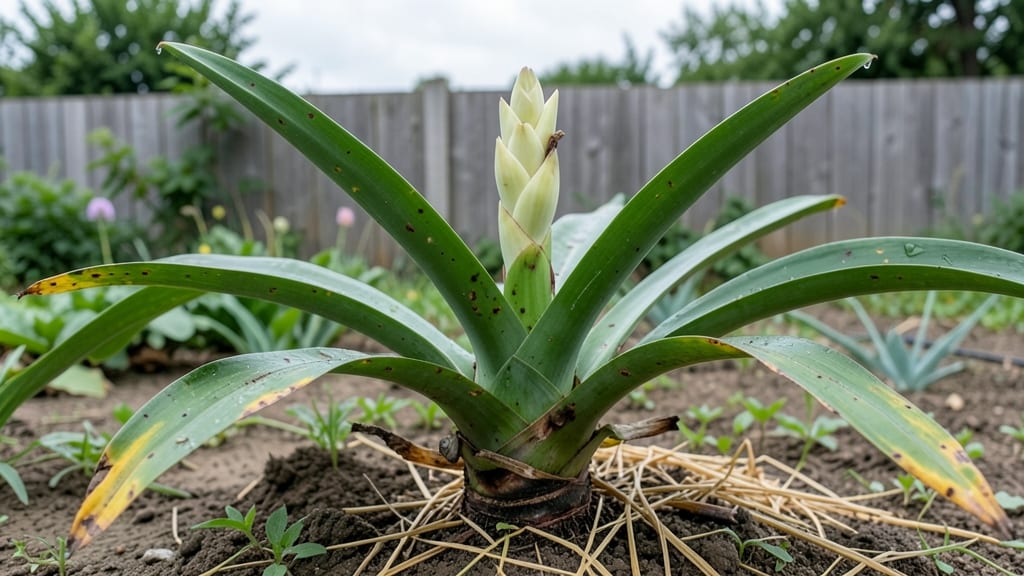
When your edible ginger plant flowers appear, you’re holding a rare culinary treasure most gardeners never discover. 🌸 These delicate, pale blooms taste like a cross between lemon and gingerroot—perfect for teas, garnishes, or even infused vinegars.
Unlike the rhizomes, which need years to mature, the flowers arrive in just 12-18 months with the right care.
The secret to coaxing those edible blooms lies in warmth, patience, and soil richness. Ginger thrives in 60-90°F soil, so wait until spring’s last frost before planting.
Amend heavy clay with compost (ginger hates soggy roots) and keep the bed partially shaded—too much sun stresses the plant and delays flowering. I’ve found that dividing mature rhizomes every 2-3 years also triggers more abundant blooms.
Once the flowers open, harvest them early in the morning for peak flavor. Use them fresh in herbal teas (just steep 2-3 blooms in hot water for 5 minutes) or sprinkle whole over spicy dishes for a bright, citrusy kick.
The rhizomes, meanwhile, will continue growing beneath the soil—ready to harvest in 9-10 months for cooking or fresh grating.
Troubleshooting is simple: yellow leaves mean too much sun or overwatering, while sparse blooms often signal poor soil drainage. Mulch with straw to retain moisture and deter pests like slugs. With these adjustments, you’ll go from curious gardener to ginger-flower connoisseur in no time.
📚 In This Guide
- What you need
- Instructions
- Tips and common mistakes
- Wrapping up and next steps
What you need
- ● Mature edible ginger plant (Zingiber zerumbet or Alpinia galanga) – Ensure it’s at least 1–2 years old for blooms (check for flower buds forming on stalks).
- ● Fresh ginger flowers – Harvest 1–2 cups of fully opened blooms (white, pink, or purple varieties work best). Pro tip: Pick in the morning for peak freshness!
- ● Water – 1–2 cups (filtered or spring water for tea).
- ● Basic kitchen knife or floral shears – For clean harvesting (sterilize with rubbing alcohol).
- ● Small bowl or colander – To rinse and drain flowers.
- ● Fine-mesh strainer or cheesecloth – For straining tea or petals.
- ○ Tea infuser or reusable tea bag – Optional but handy for loose-leaf tea blends.
- ● Small saucepan – If making hot tea (stainless steel preferred).
- ● Measuring spoons – For precise herb/flower ratios (e.g., 1 tsp dried lavender per 1 cup flowers).
- ○ Food processor or mortar & pestle – Optional: For crushing petals into garnishes or syrups.
- ● Glass jar with lid – For storing dried flowers (airtight for up to 6 months).
- ● Ginger plant knowledge: Confirm your plant isn’t treated with pesticides (organic growth only!).
- ● Allergy check: Test a small amount of tea on skin if sensitive to ginger family plants.
- ● Weather window: Harvest flowers on a dry, sunny day (avoid rain-soaked blooms).
Step-by-step guide to harvesting and using edible ginger flowers
Here's how to transform your ginger plant's delicate blooms into fragrant garnishes and teas.
🌿 Step 1: Identify and Select the Right Flowers
Ginger flowers are delicate, trumpet-shaped blooms that emerge from the plant's center in late spring or summer. Look for fully opened flowers with vibrant pink, yellow, or white petals—these are at peak flavor and aroma. Avoid buds that haven't opened yet; they won't have developed the same sweet, floral notes.
Harvest flowers in the morning after the dew has dried but before the sun becomes too intense. This timing preserves their delicate petals and maximizes their essential oils. Use clean, sharp scissors or fingers to gently twist off the flower stems—never cut through the main plant stem, as this can damage the rhizome below.
☀️ Step 2: Prepare Flowers for Culinary Use
Once harvested, gently shake off any dirt or debris from the petals. Avoid washing them unless absolutely necessary, as water can strip away some of their natural oils and delicate flavors. If you must rinse, use a fine-mesh strainer and cold water, then pat them dry immediately with a paper towel.
For tea, you'll only need 3-4 flowers per serving. For garnishes, a single bloom can elevate a dish's visual and aromatic appeal. Store unused flowers in a paper towel-lined container in the refrigerator for up to 3 days—never seal them in plastic, as moisture will cause them to wilt prematurely.
💧 Step 3: Infuse Flowers for Tea or Garnish
For tea, steep 3-4 fresh ginger flowers in 1 cup of hot (but not boiling) water for 5-7 minutes. Boiling water can make the petals bitter, so use water heated to 180-190°F—just below a rolling boil. Strain the flowers immediately and discard them, as they won't rehydrate well once dried.
For garnishes, add whole flowers to dishes just before serving. Their subtle floral notes pair beautifully with spicy foods, seafood, or even desserts like fruit salads. If you're using them in a dish that requires cooking, add them in the last 2-3 minutes of preparation to preserve their delicate texture and aroma.
⏰ Step 4: Preserve Excess Flowers for Later Use
If you've harvested more flowers than you can use immediately, dry them for future use. Lay the flowers on a paper towel-lined tray in a single layer, ensuring they don't overlap. Place the tray in a cool, dry, and well-ventilated area out of direct sunlight for 2-3 days, flipping them daily to ensure even drying.
Once completely dry, store the flowers in an airtight container away from light and moisture. Dried ginger flowers can be used sparingly in teas or as decorative elements in dried floral arrangements. They'll retain their aroma for up to 6 months, though their flavor will gradually fade over time.
Tips & tricks for perfect edible ginger flowers
Here's what nobody tells you about maximizing these delicate floral treasures from your garden.
Timing Secret: The morning harvest window is non-negotiable for peak flavor. I learned this the hard way after harvesting in late afternoon—those flowers tasted dull and lost their vibrant aroma within hours. The morning dew actually enhances their natural oils, so shake off any remaining moisture gently after harvesting. This timing preserves their delicate floral notes that make them perfect for both tea and garnishes.
Temperature Matters: When steeping for tea, that 180-190°F water temperature is crucial—it's hot enough to extract flavor but not so hot it turns the petals bitter. I use a thermometer to check my water because electric kettles often boil water too quickly. For garnishes, this same temperature principle applies when adding them to hot dishes in the last 2-3 minutes—any hotter and they'll wilt instantly.
Storage Wisdom: The 3-day refrigerator rule is strict because these petals contain high moisture content that causes rapid wilting. I've found that lining the container with two layers of paper towels (not just one) extends freshness by absorbing excess moisture. For longer storage, drying is your only option—fresh flowers simply won't last beyond 3 days without losing texture and aroma.
Make-Ahead Move: You can actually prepare your tea infusion ahead of time, but with a twist: freeze the steeped (but unstrained) tea in ice cube trays. Each cube contains one flower's worth of flavor. When you're ready to serve, simply drop a cube into hot water. This preserves the delicate floral notes perfectly for up to 2 months—something that would be impossible with fresh flowers.
Pro Tips for Edible Ginger Plant Flower
- Here's what nobody tells you about maximizing these delicate floral treasures from your garden.
- Timing Secret: The morning harvest window is non-negotiable for peak flavor.
- Temperature Matters: When steeping for tea, that 180-190°F water temperature is crucial—it's hot enough to extract flavor but not so hot it turns the petals bitter.
Frequently asked questions
Got questions about harvesting and using edible ginger plant flowers? You’re not alone! Here are some of the most common queries—and their answers—to help you get the most out of your ginger blooms.
Are ginger plant flowers really edible?
Yes! The delicate, pale yellow or white flowers of the Zingiber zerumbet (wild ginger) or Hedychium coronarium (ginger lily) are completely edible. They’re often used in teas, garnishes, and even stir-fries. Just ensure they’re pesticide-free and organically grown for safety. Always confirm the plant type—some ornamental gingers are toxic.
When is the best time to harvest ginger flowers?
Harvest ginger flowers in the morning after dew has dried but before the sun intensifies. This preserves their delicate flavor and texture. Look for fully bloomed buds that haven’t yet opened completely—they’re at their peak flavor. Avoid harvesting in humid or rainy weather to prevent mold or wilting.
How do I store ginger flowers for later use?
Store harvested ginger flowers in an airtight container in the fridge for up to 3–5 days. For longer storage, dry them in a cool, dark place (like a dehydrator or oven on low heat) for 1–2 hours. Once dried, store in a sealed jar away from light. Freezing is another option—blanch them briefly in boiling water first to preserve color and flavor.
Can I substitute ginger flowers for regular ginger in recipes?
Not exactly! While both come from the ginger family, flowers have a milder, floral, and slightly citrusy taste (think jasmine or lemongrass). Use them as a garnish, in teas, or light dishes like salads and soups. For a ginger-like kick, stick to the rhizome. Pair flowers with honey or citrus to enhance their natural sweetness.
Why are my ginger plant flowers not opening?
Several factors can prevent blooms: lack of sunlight (ginger needs 6+ hours of sun daily), overcrowded roots (divide clumps every 2–3 years), or nutrient deficiencies (add compost or a balanced fertilizer). Patience is key—some varieties take 1–2 years to flower. If your plant is healthy but still not blooming, try moving it to a sunnier spot or pruning old leaves to encourage new growth.
Pro Tip:
If you’re new to foraging, always double-check your plant’s identity with a local gardening expert or app like PictureThis. Some ginger look-alikes (like Dieffenbachia) are toxic! When in doubt, skip it.
Wrapping up and next steps
Discovering the edible ginger plant flower opens up a world of culinary and wellness possibilities—from fragrant teas to vibrant garnishes! These delicate blooms aren’t just beautiful; they’re packed with flavor and potential health benefits, like anti-inflammatory properties and a zesty kick.
Whether you’re a gardening enthusiast or a foodie looking to elevate your dishes, harvesting and using these flowers is a rewarding adventure.
Ready to bloom with creativity? Start by experimenting with small batches in your favorite recipes—maybe a ginger-infused tea or a sprig of flowers on a fresh salad. Share your discoveries with fellow plant lovers, and who knows? You might just inspire the next big trend in edible gardening! 🌸✨