
Flowers
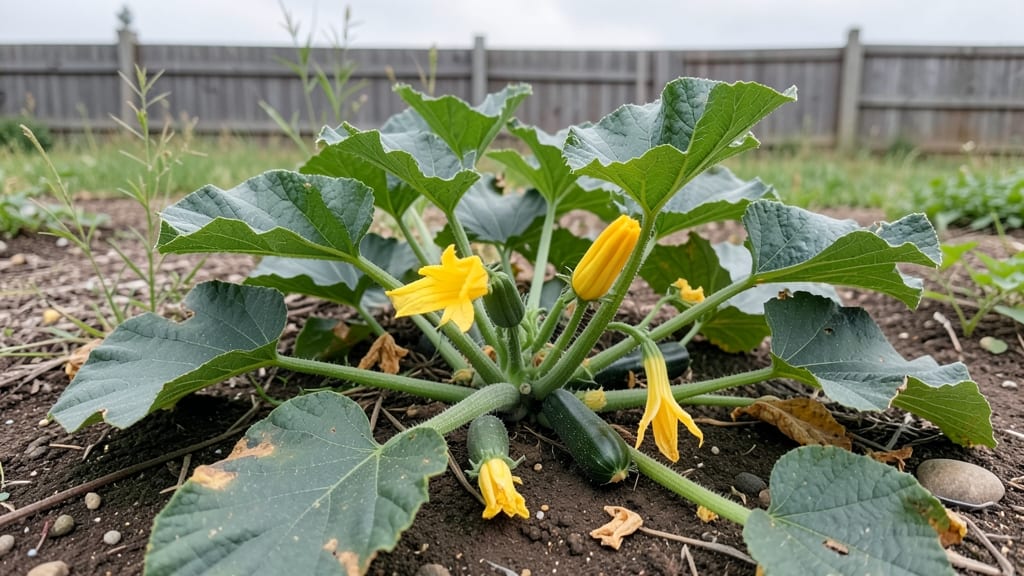
Zucchini flowers burst into season when daytime temperatures hit 70°F—that’s when my garden transforms from green leaves to a parade of delicate yellow blooms. 🌻 The first ones appear just 4-6 weeks after planting, and if you’ve ever watched a bee land on one, you know why these flowers are nature’s little masterpieces.
They don’t just look stunning; they’re edible, delicate, and packed with flavor that puts store-bought produce to shame.
Timing depends on where you live—southern gardeners see blooms as early as late April, while northern growers might wait until June. The key is planting after the last frost when soil stays warm, and choosing varieties like ‘Black Beauty’ or ‘Gold Rush’ for reliable production.
Once flowers start appearing, watch closely: the first ones often go to fruit, but the real show begins when the plant shifts into full bloom mode.
You’ll know they’re ready for pollination when the blossoms open wide in the morning, their stamens dusted with pollen and their pistils glistening.
A single plant can produce hundreds of flowers in peak season, and if you hand-pollinate a few, you’ll get squash that tastes sweeter than anything from the grocery store. The secret? Consistent watering, balanced fertilizer, and keeping pests like squash vine borers at bay.
Regional tweaks matter—cooler climates need a longer growing season, while hotter areas might see a mid-summer slowdown. But no matter where you garden, these blooms are your ticket to fresh, homegrown flavor straight from the plant. Let’s make the most of them!
📚 In This Guide
- What you need
- Instructions
- Tips and common mistakes
- Wrapping up and next steps
What you need
- ● Fresh zucchini flowers: 6–12 blooms (pick them in the morning for peak freshness!)
- ● Olive oil or butter: 2–3 tbsp (for sautéing or frying)
- ● Salt & black pepper: To taste (don’t skip the seasoning!)
- ○ Fresh herbs: 2 tbsp chopped parsley, basil, or thyme (optional but highly recommended!)
- ● Flour (for frying): ½ cup (all-purpose or gluten-free blend)
- ● Eggs (for dredging): 1–2 (beaten)
- ● Lemon juice or vinegar: 1 tbsp (to preserve color and brighten flavors)
- ● Sharp kitchen shears or scissors: For harvesting stems cleanly
- ● Mixing bowl & whisk: For beating eggs and dredging
- ● Skillet or frying pan: Medium-sized, with a lid (non-stick preferred)
- ● Tongs or slotted spoon: For flipping delicate flowers
- ● Paper towels: For draining excess oil
- ● Small plate or platter: For serving (bonus points for a pretty presentation!)
- ● Panko breadcrumbs (for extra crunch)
- ● Grated Parmesan or Pecorino cheese (for a savory twist)
- ● Balsamic glaze or honey (for drizzling post-cooking)
- ● Edible flowers (nasturtiums, violets) for garnish
- ● Zucchini blossom honey (store-bought or homemade) for dipping
Step-by-step guide to harvesting and using zucchini flowers in season
Here's how to turn those delicate blooms into culinary treasures—no fancy tools needed.
🌿 Step 1: Identify and Select the Right Flowers
Zucchini flowers appear in late spring to early summer, typically 3-4 weeks after planting. Look for male flowers—they have a small stem and no bulb at the base—since they're the ones you'll harvest first. Female flowers have a tiny zucchini forming at the base (the "bulb"), so leave those for pollination.
Pick flowers in the morning after dew has dried—this ensures they're fresh and fully hydrated. Gently twist the stem to remove the flower without damaging the plant. You'll know it's ready when the petals feel crisp and the scent is sweetly floral.
💧 Step 2: Clean and Prepare for Use
Rinse the flowers briefly under cool water to remove any dirt or pests, but avoid soaking them—they'll wilt quickly. Pat them gently dry with a paper towel or clean kitchen towel. Handle them carefully; the petals are delicate and can tear easily.
Remove any green sepals (the leafy base) and trim the stems to about ½ inch for easier handling. Store them in a paper towel-lined container in the fridge for up to 2 days—any longer and they'll lose their delicate texture.
☀️ Step 3: Cook or Use Fresh Immediately
Zucchini flowers shine in fried, stuffed, or fresh applications. For frying, dip them in batter (flour, egg, and water) and fry in 350°F oil for 1-2 minutes until golden. They should puff up slightly and crisp at the edges—this is your cue they're done.
For stuffing, fill the center with a mix of herbed cheese, breadcrumbs, or sautéed veggies, then secure with a toothpick. Bake at 375°F for 10-12 minutes until the filling is heated through. If using fresh, toss them into salads or garnish dishes—just add them last to keep them vibrant.
✂️ Step 4: Encourage More Blooms for the Season
To keep your zucchini plant producing flowers, prune any overgrown vines that shade the base. Remove yellowing leaves and wilted blooms promptly—this redirects the plant's energy to new growth. Water at the base (not overhead) to prevent fungal diseases that can stress the plant.
If you notice fewer flowers, hand-pollinate by gently transferring pollen from male to female flowers with a small brush. This works especially well on cloudy days when bees are less active. A healthy plant will reward you with weeks of blooms—just keep harvesting regularly!
Tips & tricks for perfect zucchini flower preparation
These little gems pack big flavor—here's how to keep them looking and tasting their best.
Timing Secret: Harvest zucchini flowers in the morning when they're at their crispest. The 3-4 week window after planting is prime time—after that, flowers become tougher and less flavorful. I like to pick mine right after dew dries but before the sun gets too intense, which helps maintain their delicate texture.
Handling Tip: When cleaning, avoid soaking the flowers—they wilt faster than you can say "zucchini blossom." Instead, use a paper towel to pat them dry gently, and work quickly. The ½-inch stem trim is key for handling without damaging the petals, which can tear if you're too rough. Think of them like butterfly wings—be delicate!
Cooking Precision: For frying at 350°F, those 1-2 minutes go fast! Watch closely—they're done when they puff up slightly and turn golden at the edges. Overcooking turns them rubbery, so have a timer ready. Stuffed flowers baked at 375°F for 10-12 minutes should have a filling that's heated through but still moist—check with a toothpick if you're unsure.
Storage Wisdom: The 2-day fridge life is real, but you can extend it slightly by storing them in a sealed container with a paper towel to absorb any moisture. For longer storage, try freezing them briefly (blanch for 10 seconds, then freeze), though texture will change. I've found they work best fresh—like many flowers, their flavor peaks when used immediately after picking.
Pro Tips for Zucchini Flowers In Season
- These little gems pack big flavor—here's how to keep them looking and tasting their best.
- Timing Secret: Harvest zucchini flowers in the morning when they're at their crispest.
- Handling Tip: When cleaning, avoid soaking the flowers—they wilt faster than you can say "zucchini blossom."
Frequently asked questions
When is the best time to pick zucchini flowers?
Harvest zucchini flowers in the morning after the dew has dried but before the sun gets too hot (around 8–10 AM). Pick them when fully open but before the petals start to yellow or the center turns brown. Pro tip: Use clean, sharp scissors to snip the stem—this encourages more flowers to grow!
How long do zucchini flowers stay fresh after picking?
Fresh-picked zucchini flowers last 1–2 days in the fridge, wrapped loosely in a paper towel to absorb moisture. For longer storage, blanch and freeze them (dip in boiling water for 30 seconds, then ice bath, pat dry, and freeze in a single layer). Freezing preserves their delicate texture for later cooking!
Can I substitute zucchini flowers for other edible flowers?
If zucchini flowers are unavailable, try squash blossoms (from butternut or pumpkin), nasturtiums, or violets for a similar mild, slightly sweet flavor. Just note that nasturtiums are peppery, while violets add a floral note. Always confirm edibility—some flowers (like daffodils) are toxic!
Why aren’t my zucchini plants producing flowers?
Several factors can hinder flowering: Inconsistent temperatures (zucchini thrive in warm, stable weather), underwatering or overwatering, or lack of sunlight (they need 6–8 hours daily). Boost production by fertilizing with compost or a balanced 10-10-10 fertilizer and ensuring proper spacing (3–4 feet apart).
Are zucchini flowers safe to eat raw, or should I cook them?
Both! Enjoy them raw in salads for a crisp, delicate bite (remove the stamen to avoid bitterness), or cook them in fritters, tempura, or stuffed with cheese/herbs. Raw flowers are packed with vitamin C and antioxidants, while cooking enhances their savory depth. Just avoid the center if it’s tough or bitter.
Can I regrow zucchini flowers after picking them?
Yes! Zucchini flowers are self-pollinating, so picking them won’t stop fruit production. In fact, harvesting flowers encourages more blooms and prevents overcrowding. Just leave a few flowers behind to develop into zucchinis—aim for a 1:3 ratio (1 fruit per 3 flowers) for a balanced harvest.
Wrapping up and next steps
Zucchini flowers in season are a true culinary gem—delicate, versatile, and packed with flavor that brightens any dish.
Whether you’re foraging, growing your own, or simply exploring seasonal cooking, these edible blooms are a fantastic way to elevate your meals with a touch of elegance and nutrition. Ready to dive in? Start by identifying local zucchini varieties or planting a few seeds in your garden—your taste buds (and dinner guests!) will thank you.
- 🌱 Next step: Try a simple zucchini flower fritter recipe or pair them with your favorite pasta dish!
- 💡 Pro tip: Share your harvest with friends or at a farmers' market—these blooms make a stunning (and delicious) centerpiece!