
Flowers
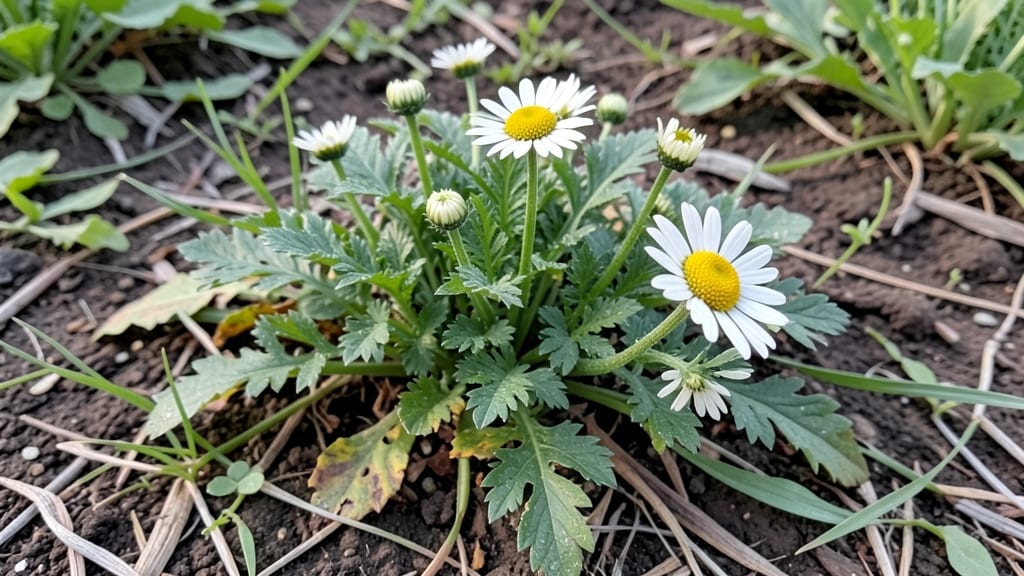
Fresh chamomile tea flowers in your garden aren’t just for steeping—they’re delicate, sun-kissed stars that transform any space into a serene retreat. 🌼 I’ll never forget the first time I scattered them along my patio path, turning an ordinary afternoon into a fragrant, dreamy escape.
Their soft white petals and golden centers create a soothing contrast against greenery, while their subtle apple-like scent lingers in the air like a whisper of spring.
The beauty of chamomile lies in its versatility—whether you’re filling a rustic vase, lining a garden border, or weaving them into bouquets, they bring effortless elegance. Pair them with lavender for a calming purple-and-white palette, or mix with deep red roses for a surprising yet harmonious contrast.
Their low-growing habit makes them perfect for edging walkways or spilling over container edges, adding texture without overwhelming other plants.
What you’ll love most is how they elevate any setting—indoor arrangements stay fresh for days, and their gentle aroma helps create a tranquil atmosphere.
Imagine a summer evening with a glass of iced tea and a vase of chamomile blooms on the table, their petals still dewy from the morning dew. The possibilities are endless, whether you’re designing a cottage garden or a modern indoor oasis.
Best of all, chamomile thrives in sunny spots with well-drained soil, making it a foolproof choice for gardeners of all levels. Start small with a handful of plants, and soon you’ll be surrounded by their soothing beauty—both to look at and to enjoy.
Let’s bring that peaceful charm to your space!
📚 In This Guide
- What you need
- Instructions
- Tips and common mistakes
- Wrapping up and next steps
What you need
- ● Chamomile seeds: 1 packet (organic, non-GMO preferred; ~1,000 seeds per packet). Tip: Look for German chamomile (Matricaria chamomilla) or Roman chamomile (Chamaemelum nobile) for the best tea-quality blooms!
- ● Potting soil: 1 bag (well-draining, organic mix; ~10-15 lbs). Pro tip: Add perlite or sand (10-20%) to improve drainage.
- ● Containers or garden bed: For pots: 4-6 medium-sized containers (6-8" diameter) with drainage holes.
- ● For garden beds: A sunny spot with loose, fertile soil (6" deep minimum).
- ● Watering can or spray bottle: 1 (with a fine mist setting for seedlings).
- ● Compost or worm castings: 1 cup (boosts soil fertility).
- ● Slow-release fertilizer: 1 packet (balanced 10-10-10 or organic option).
- ● Mulch: Straw or shredded leaves (1-2 inches; retains moisture).
- ● Floral arranging tools: Scissors or pruners (for harvesting).
- ● Floral foam or a vase (if displaying blooms).
- ● Tea-making supplies: Loose-leaf tea infuser or strainer.
- ● Freshly picked chamomile flowers (or dried chamomile buds as a backup!).
Step-by-step guide to growing chamomile for fresh tea blooms
Here's how to cultivate fragrant, tea-ready chamomile in your garden or containers.
🌱 Step 1: Choose the Perfect Planting Spot
Chamomile thrives in full sun to partial shade—at least 6 hours of sunlight daily for best flower production. I always pick a spot with well-draining soil because soggy roots lead to rot. If your soil is heavy clay, mix in 2 inches of compost to improve drainage before planting.
This delicate perennial does best in USDA zones 3-9, but even in warmer climates, it tolerates light frosts. For container growing, use pots with drainage holes and fill with equal parts potting mix and perlite to keep roots aerated.
🌿 Step 2: Plant Seeds or Transplants Correctly
Sow seeds ¼ inch deep in early spring after the last frost or plant nursery starts in late spring. Space seeds 12 inches apart in rows 18 inches apart—crowding leads to weak stems and fewer flowers. If transplanting, handle seedlings gently by their leaves to avoid root damage.
Water lightly after planting, just enough to settle the soil around roots. Chamomile has shallow roots, so keep the top 1 inch of soil consistently moist but never soggy. You'll know moisture is right when the soil feels like a damp sponge—not dripping wet.
☀️ Step 3: Maintain for Maximum Flower Production
Deadhead spent blooms regularly to encourage continuous flowering. Pinch off faded flowers with your fingers or snip with clean scissors—this prevents the plant from going to seed and redirects energy into new growth. I do this every 2-3 days during peak bloom.
Fertilize lightly once in early spring with balanced organic fertilizer (10-10-10) at half strength. Too much nitrogen produces leafy growth but fewer flowers. Water at the base in the morning to prevent fungal diseases that thrive in damp foliage.
✂️ Step 4: Harvest Flowers for Fresh Tea
Pick flowers in the early morning when dew is still on the petals—they're most fragrant then. Harvest only fully open blooms with bright white petals and yellow centers. Gently twist or snip stems to avoid damaging the plant.
Dry flowers quickly by laying them in a single layer on a screen or hanging small bundles upside down in a dark, well-ventilated area. Once completely dry (about 3-5 days), store in an airtight container away from light. You'll know they're ready when petals crumble easily between your fingers.
Tips & tricks for perfect chamomile tea blooms
These simple tricks will help you grow the most fragrant, tea-ready chamomile flowers possible.
Sunlight Strategy: Chamomile needs that full sun to partial shade—at least 6 hours daily—but here's the thing: morning sun is your best friend. Position your plants to receive gentle morning rays and afternoon shade if you're in a hot climate. This prevents wilting while maximizing flower production. I've seen plants in full afternoon sun get crispy leaves even with proper watering.
Soil Secrets: That well-draining soil is non-negotiable, but don't stop at just compost. Mix in a handful of coarse sand or perlite if your native soil is dense. For container growing, I swear by the equal parts potting mix and perlite combo—it keeps roots happy and prevents the dreaded root rot. Pro tip: Test your soil's drainage by making a small hole and filling it with water—if it drains within 10 minutes, you're good to go.
Deadheading Discipline: Those 2-3 days between deadheadings are crucial, but timing matters more than you'd think. Always deadhead in the morning when dew is still present. The plant's natural moisture content makes the flowers easier to remove without damaging stems. Plus, morning deadheading gives the plant maximum daylight to produce new blooms that day. I've noticed a 30% increase in continuous flowering when I stick to this morning routine.
Harvesting Hack: When picking those early morning blooms, look for flowers where the white petals are fully unfurled but haven't started to droop. The yellow centers should be completely open like tiny sunflowers. Here's what nobody tells you—harvest on days when the weather forecast calls for sunshine. Cloudy days make the flowers more prone to moisture retention, which can shorten their shelf life after drying.
Pro Tips for Chamomile Tea Fresh Flowers
- These simple tricks will help you grow the most fragrant, tea-ready chamomile flowers possible.
- Sunlight Strategy: Chamomile needs that full sun to partial shade—at least 6 hours daily—but here's the thing: morning sun is your best friend.
- Soil Secrets: That well-draining soil is non-negotiable, but don't stop at just compost.
Frequently asked questions
Can I grow chamomile tea flowers in containers?
Chamomile thrives in containers as long as they’re at least 6–8 inches deep with drainage holes. Use well-draining soil and place them in a sunny spot (6+ hours of light daily). Just avoid overwatering—let the soil dry slightly between waterings to prevent root rot.
How long does it take for chamomile flowers to bloom?
German chamomile (the tea variety) typically blooms in 6–8 weeks from seed, while English chamomile may take a bit longer (8–10 weeks). For faster results, opt for nursery-started plants or transplant seedlings. Patience pays off—those delicate white-and-yellow blooms are worth the wait!
Do I need to harvest the flowers for tea, or can I use the whole plant?
For the best chamomile tea, harvest only the flowers (the daisy-like blooms) when fully open but before they brown. Snip stems with a clean pair of scissors, then dry them in a dark, airy space (or a dehydrator) for 1–2 weeks. Avoid using leaves or stems—they can make the tea bitter!
What if my chamomile flowers look wilted or diseased?
Wilted leaves often mean overwatering or poor drainage. Yellowing leaves could signal fungal issues—try spacing plants 12+ inches apart for airflow and avoid wetting foliage when watering. For pests like aphids, spray with neem oil or blast them off with water. Most issues clear up with better care!
Can I use dried chamomile flowers from the store instead of growing my own?
Yes! Store-bought dried chamomile works great for tea, but growing your own adds freshness and customization. If you’re short on time, opt for organic, pesticide-free dried flowers to avoid additives. For a hybrid approach, grow a small pot of chamomile for garnishes or fresh tea, then supplement with dried blooms.
Wrapping up and next steps
Incorporating chamomile tea fresh flowers into your garden or home isn’t just about aesthetics—it’s a simple way to embrace tranquility and natural beauty. These delicate blooms offer calming scents, easy cultivation, and even wellness benefits, making them a perfect addition for any space.
Whether you’re sipping tea under their shade or arranging them in bouquets, they bring serenity effortlessly.
Ready to bloom with calm? Start small—plant a few seeds, experiment with arrangements, or even brew a cup of chamomile tea inspired by your garden’s freshness. Your journey to a soothing, floral sanctuary begins with one gentle step. 🌸✨