Flowers
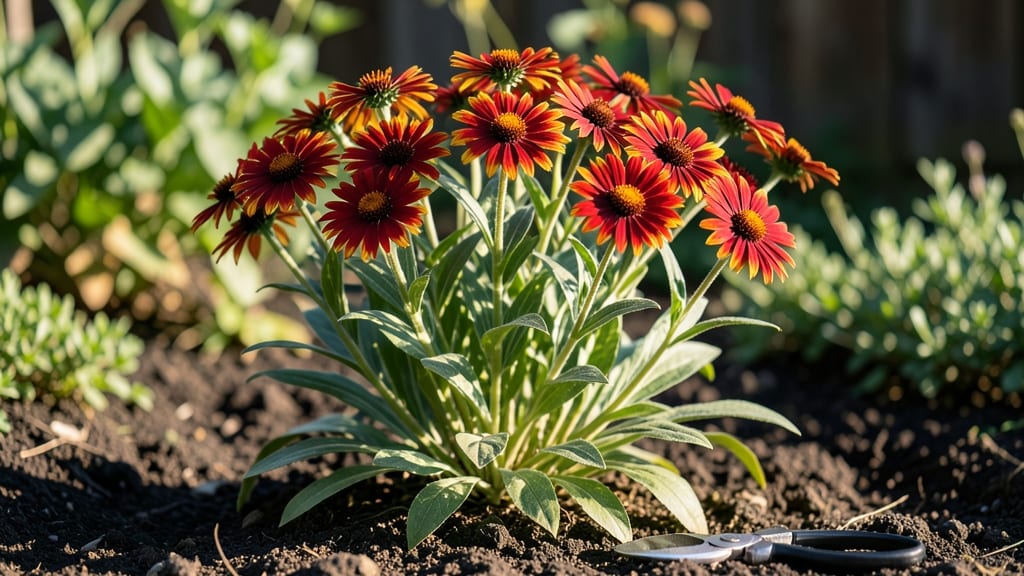
Caring for gaillardia flowers means enjoying bold red-and-yellow blooms that thrive on neglect—my first garden season with these tough beauties proved it. 🌻 They’re the perfect plant for gardeners who forget watering days or live in hot, dry climates where most flowers wilt by noon.
The secret lies in their love of sun, their hatred of soggy soil, and how they bounce back from pruning like nothing happened.
You’ll need well-draining soil, a spot where they get at least 6 hours of sun daily, and almost no fertilizer—gaillardia blooms best when slightly hungry. Water them once a week (or less in summer) and watch them reward you with nonstop color from early summer through frost.
The only real maintenance? Pinching back spent blooms to encourage bushier growth and cutting back leggy stems in early spring.
What you’ll end up with is a drought-proof display that outlasts most annuals, attracts pollinators like crazy, and comes back stronger every year. The flowers even dry well for arrangements—just snip a stem and let it cure.
No deadheading? No problem. These plants keep blooming whether you pay attention or not.
Works in borders, containers, or wildflower meadows—anywhere you want low-maintenance color that doesn’t demand perfection. Here’s how to keep them thriving without the fuss.
📚 In This Guide
- What you need
- Instructions
- Tips and common mistakes
- Wrapping up and next steps
What you need
- ● Gaillardia plants: Start with healthy nursery-grown plants (6–12" tall) or seeds. Pro tip: Choose varieties like Gaillardia pulchella (annual) or Gaillardia aristata (perennial) for best results! 🌡️
- ○ Well-draining soil: 1–2 cubic yards of sandy loam or garden soil mixed with perlite (ratio: 3 parts soil to 1 part perlite). Optional: Add compost for extra nutrients.
- ● Sunlight access: Full sun (6+ hours/day) in a sheltered spot (protect from strong winds).
- ● Watering can or hose: With a fine-mist nozzle for gentle hydration.
- ● Garden trowel or transplant spade (for planting).
- ● Pruning shears (for deadheading and shaping).
- ○ Mulch (optional): 1–2 inches of gravel or straw mulch to retain moisture and deter weeds.
- ● Balanced fertilizer (5-10-5 or 10-10-10): 1–2 tablespoons per plant, applied every 4–6 weeks during growing season.
- ● Pest control (if needed): Neem oil spray or insecticidal soap for aphids/spider mites.
Step-by-step guide to growing thriving gaillardia plants
Here's how I keep my gaillardia blooming all summer with almost no effort.
🌱 Step 1: Plant in Well-Draining Soil With Full Sun
Gaillardia thrives in full sun (6+ hours daily) and hates soggy feet. Amend your garden soil with 1-2 inches of compost before planting to improve drainage. These flowers tolerate poor soil but grow best when the soil drains quickly—think sandy loam or a mix with perlite.
Dig holes just as deep as the root ball and space plants 12-18 inches apart (closer for shorter varieties). Press the soil firmly around the roots to eliminate air pockets. Water deeply right after planting to help roots establish, but let the top inch of soil dry between waterings—this prevents rot.
☀️ Step 2: Water Deeply but Infrequently
Gaillardia's drought tolerance starts at planting. Once established, water once a week (or less in hot climates) with 1 inch of water per week. Let the soil dry completely between waterings—this encourages deep root growth and prevents floppy stems.
I water in the morning so foliage dries quickly, reducing fungal risks. You'll know you're watering right when the soil feels dry 2 inches down—stick your finger in to check. Overwatering is the fastest way to kill gaillardia, so err on the dry side.
✂️ Step 3: Deadhead and Prune for Continuous Blooms
Here's the secret to nonstop flowers: deadhead spent blooms by pinching off the faded flower head with your fingers or clean pruners. I do this every 2-3 days during peak bloom to encourage new buds. Gaillardia often self-seeds, so remove any unwanted volunteer plants to keep the garden tidy.
In late summer, cut back the entire plant by half its height to promote a fresh flush of blooms. This also prevents the plant from getting leggy. Wear gloves—gaillardia stems can be prickly, and the sap stains yellow.
🌿 Step 4: Protect from Pests and Diseases
Gaillardia rarely has serious problems, but watch for aphids on new growth. Blast them off with a strong spray of water or use insecticidal soap if they persist. Powdery mildew can appear in humid summers—improve airflow by spacing plants properly and avoid overhead watering.
I've found that mulching with 1-2 inches of straw or shredded leaves keeps soil moisture even and deters weeds. Just keep the mulch 2 inches away from stems to prevent rot. Gaillardia's tough, but a little prevention goes a long way.
Tips & tricks for perfect gaillardia care
These simple strategies will help your gaillardia thrive with almost no effort—once you know the secrets.
Soil Prep Secret: Gaillardia's roots need oxygen as much as water, so don't compact the soil when planting. After digging your holes, loosen the soil another 2-3 inches deeper than the root ball with a fork. This creates better drainage right where the roots will grow. I've seen gaillardia plants wilt dramatically when planted in dense, unamended garden soil—even with the right spacing.
Watering Wisdom: The "1 inch per week" rule works best when you measure it properly. Use a rain gauge or place a straight-sided container in your garden to collect water. Gaillardia's deep roots mean you want moisture to penetrate at least 6 inches down, not just stay at the surface. In containers, let the soil dry completely between waterings—stick your finger in 2 inches down to check.
Deadheading Timing: Those 2-3 days between deadheading sessions are crucial for continuous blooms. I set a reminder on my phone for every 2 days during peak bloom season. The key is to remove the entire faded flower head down to the base—don't leave any stems. This prevents seed formation and redirects the plant's energy to new buds. I've had gaillardia plants bloom nonstop for 4 months straight using this method.
Pruning Protection: When you cut back gaillardia by half in late summer, wear those gloves—seriously! The stems have tiny prickles that can draw blood, and the yellow sap stains clothing. I keep a pair of heavy-duty gardening gloves specifically for gaillardia pruning. Also, use clean pruners to avoid spreading any potential diseases between plants.
Pro Tips for Care For Gaillardia Flowers
- These simple strategies will help your gaillardia thrive with almost no effort—once you know the secrets.
- Soil Prep Secret: Gaillardia's roots need oxygen as much as water, so don't compact the soil when planting.
- Watering Wisdom: The "1 inch per week" rule works best when you measure it properly.
Frequently asked questions
Got questions about keeping your gaillardia blooming like a pro?
Here are answers to the most common ones—so you can enjoy those vibrant reds, oranges, and yellows with confidence!
How often should I water gaillardia flowers?
Gaillardia is drought-tolerant, so water deeply once a week (or when the top 1–2 inches of soil feel dry). Overwatering causes root rot—let the soil dry out between waterings. Mulch helps retain moisture without soggy roots!
When is the best time to plant gaillardia?
Plant gaillardia in spring or early fall for ideal results. They thrive in warm soil (after the last frost) and establish roots before summer heat. Avoid planting in mid-summer—they may struggle with transplant shock.
What pests or diseases should I watch for?
Common issues include aphids, spider mites, and powdery mildew. Spray off pests with water or use neem oil. For mildew, improve airflow and avoid overhead watering. Deadhead spent blooms to prevent fungal issues.
Can I grow gaillardia in containers?
Use a well-draining pot (at least 12 inches deep) with a mix of potting soil and sand. Place in full sun and water consistently until established. Containers dry out faster—check soil moisture daily in hot weather.
Why aren’t my gaillardia flowers opening?
Bud drop or closed blooms often mean too much shade, overwatering, or poor soil. Ensure they get 6+ hours of sun and well-draining soil. If buds form but don’t open, check for heat stress—they may need afternoon shade in extreme heat.
Wrapping up and next steps
Caring for gaillardia flowers is a breeze—these vibrant blooms thrive with just a little sunlight, well-drained soil, and occasional attention. Whether you’re a seasoned gardener or a beginner, their drought-resistant nature makes them a low-maintenance superstar in any garden.
With the right care, you’ll enjoy bursts of color from spring to fall!
Ready to level up your garden game? 🌸 Try planting a few gaillardia varieties this season and watch your outdoor space come alive with effortless beauty. Happy gardening!