
Flowers
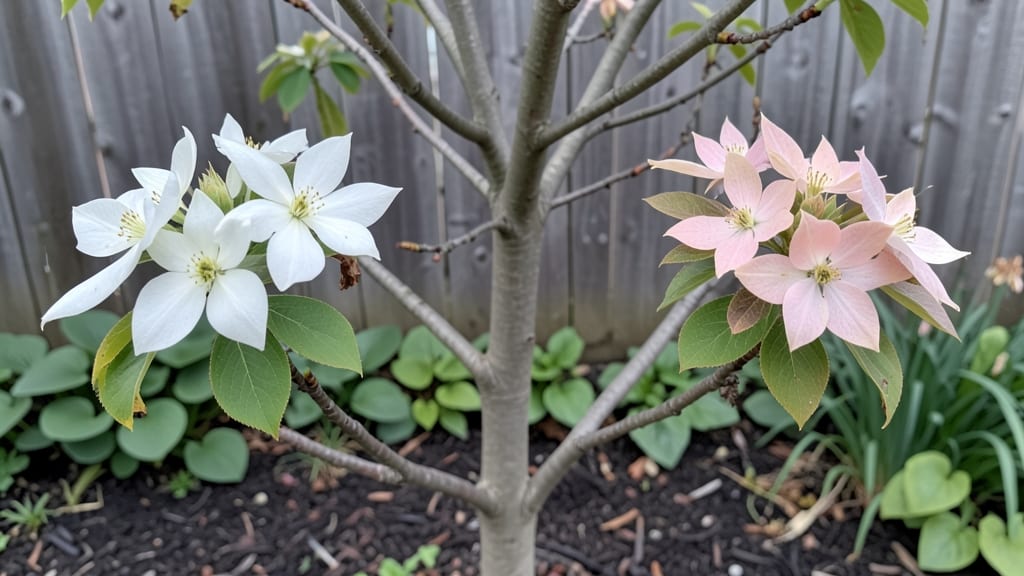
The Pacific Northwest’s dogwood flower colors—whites like fresh linen, soft pinks like blush, and deep purples that steal the show—transform my garden from dull to dazzling, their magic turning spring into a painter’s palette. ✨ I’ve watched these trees do just that, year after year. blooms arriving just as rain clouds part for sunshine—nature’s perfect timing.
The colors aren’t just pretty; they set the mood for your entire yard, whether you want a serene cottage garden or bold statement pieces.
White dogwoods like ‘White Cloud’ create a bright, airy backdrop, while ‘Cherokee Brave’ with its fiery pink-red blooms adds drama. Purple-hued varieties such as ‘Purple Cloud’ bring unexpected depth, especially when backlit by morning sun.
The real magic happens when you pair them: white dogwoods glow against dark evergreens, while pinks harmonize with lavender or coral-colored perennials. Even the foliage shifts—spring’s vibrant leaves mellow to burnished reds in fall, extending the show.
Use dogwoods as focal points near patios or entryways, where their colors frame your home’s best features. For borders, mix heights—taller varieties in back, shorter ones up front—to create layers of color.
Their seasonal changes mean your garden stays interesting from bloom to leaf-out, with bonus winter interest from their peeling bark. The possibilities are endless, and the impact? Instant curb appeal that lasts all year.
Whether you’re designing a new space or refreshing an old one, dogwoods are the versatile stars that tie everything together. Start with one or two as anchors, then build around them—your garden’s personality will shine through.
The best part? These trees do most of the work for you, blooming reliably with minimal fuss. Let’s make your outdoor space unforgettable, one color at a time.
📚 In This Guide
- What you need
- Instructions
- Tips and common mistakes
- Wrapping up and next steps
What you need
- ● Dogwood plants: Choose native varieties like Cornus nuttallii (Pacific Dogwood) or Cornus florida (Flowering Dogwood) for authentic colors. Quantity: 1–3 plants (depending on desired impact).
- ● Well-draining soil: Mix 2 parts native soil with 1 part compost for optimal growth. pH: 5.0–6.5 (slightly acidic).
- ● Mulch: 3–4 inches of organic mulch (cedar bark or wood chips) to retain moisture and suppress weeds.
- ● Watering can or hose: With a gentle spray nozzle for hydration without damaging blooms.
- ● Camera or smartphone: With a macro lens or high-resolution camera for close-up shots of petals and colors.
- ● Tripod: For steady shots in low-light conditions (early mornings or overcast days).
- ● Pruners: Sharp, bypass-type pruners for trimming spent blooms or shaping plants.
- ● Color swatch cards: For comparing dogwood hues (pink, white, or deep red) with other flowers or paint schemes.
- ● Garden stakes or labels: To mark plant varieties and track their seasonal color changes.
- ● A sunny to partially shaded location (dogwoods thrive in dappled light).
- ● Patience: Dogwoods take 3–5 years to reach full bloom potential!
- ● Local climate knowledge: Pacific Northwest dogwoods bloom in late spring to early summer (April–June).
How to enjoy the Pacific Northwest's stunning dogwood flower palette
Here's how to make the most of these seasonal blooms in your garden.
🌿 Step 1: Identify the Right Dogwood Varieties for Your Region
The Pacific Northwest's dogwoods shine with colors from white to deep pink, but not all thrive equally. Cornus florida 'Cherokee Brave' delivers bold red blooms that pop against evergreen foliage, while Cornus kousa 'Milky Way' offers pure white flowers with a delicate, almost ethereal quality. For early spring interest, plant Cornus nuttallii—its pale yellow-green bracts fade to pink as they age, creating a natural gradient.
Check your hardiness zone (PNW ranges from 5-8) before buying. Native varieties like Pacific dogwood (Cornus nuttallii) handle our wet winters best, while Asian dogwoods (Cornus kousa) prefer slightly drier conditions. I always verify with local nurseries—they know which cultivars handle our cool, damp springs without leaf spot issues.
☀️ Step 2: Plant in Late Fall or Early Spring for Best Color Impact
Timing matters more than you'd think. Plant bare-root dogwoods in late fall (October-November) so roots establish before winter rains arrive. Container-grown specimens go in early spring (March-April) when soil temperatures hit 45°F. The key is getting them settled before the spring bloom rush—plants stressed by transplant shock won't put energy into flowers.
Dig holes twice as wide as the root ball but only as deep—dogwoods hate being buried too deep. Amend the native soil with 2 inches of compost mixed into the bottom of the hole. Water deeply before planting, then backfill with the native soil (no amendments needed—dogwoods prefer lean conditions). Mulch with 3 inches of wood chips to protect roots from temperature swings.
💧 Step 3: Water Strategically to Enhance Flower Vibrancy
Dogwoods need consistent moisture during their first growing season, but overwatering causes the brown leaf edges that ruin their showy foliage. Water deeply once a week during dry spells (check by pushing a finger 2 inches into soil—if dry, water; if damp, wait). Mature trees handle our Pacific Northwest rains beautifully once established.
For maximum color impact, fertilize lightly in early spring with 5-10-5 fertilizer (follow package rates). Too much nitrogen makes leaves lush but flowers small. I skip fall fertilization—dogwoods need to rest for next year's blooms. Watch for anthracnose fungus (black spots on leaves) in wet springs—prune infected branches immediately and water at the base (not overhead) to prevent spread.
✂️ Step 4: Prune After Blooming to Maintain Shape and Health
Never prune dogwoods in late fall or winter—you'll cut off next year's flower buds. Wait until June or July, after blooms fade, to shape the tree. Remove dead, crossing, or inward-growing branches first, then thin the canopy to let light reach the center. Dogwoods naturally form a vase shape—encourage that by trimming just the tips of branches that grow too upright.
Here's the thing—dogwoods hate heavy pruning. Never remove more than 25% of the canopy at once. If you're reviving an overgrown specimen, spread pruning over 3 years. After pruning, apply a thin layer of mulch around the base (but not touching the trunk) to protect roots and retain moisture. You'll see fresh, vibrant growth within 4-6 weeks—that's your reward for patience.
🪴 Step 5: Pair With Companion Plants for Season-Long Color
Dogwoods steal the show, but the right companions extend their visual impact. Underplant with heuchera (for purple foliage contrast) or ferns (to soften the woodland feel). For spring interest, add bleeding heart (Dicentra spectabilis)—its heart-shaped blooms appear just as dogwoods fade. In fall, Japanese anemones (Anemone hupehensis) pick up where dogwoods leave off with their pink pom-pom flowers.
Stick to native PNW plants like salal or Oregon grape—they thrive in dogwoods' dappled shade and handle our acidic, well-drained soils. Avoid heavy feeders like hostas, which compete for nutrients. Step back in late summer to admire the layered effect—your dogwood's spring blooms will feel like a natural extension of the seasonal palette.
Tips & tricks for perfect dogwood flower palette magic
These little secrets will help you transform your garden into a Pacific Northwest masterpiece that rivals the most stunning dogwood displays.
Variety Selection: When choosing between 'Cherokee Brave', 'Milky Way', and Cornus nuttallii, consider your garden's light conditions. The deep red 'Cherokee Brave' thrives in partial shade where it won't scorch, while 'Milky Way's' delicate blooms appreciate morning sun and afternoon shade. For early spring color, Cornus nuttallii is unbeatable—its bracts fade beautifully, creating a natural gradient that lasts weeks.
Planting Timing: The soil temperature of 45°F in early spring is your golden window for container-grown dogwoods. I've learned this the hard way—planting too early when soil is still cold can shock roots. Use a soil thermometer if you're unsure; it's the only way to guarantee your dogwood won't struggle. For bare-root varieties, late fall planting gives roots time to establish before winter rains, which is crucial for our damp PNW climate.
Watering Wisdom: That 2-inch soil moisture check is non-negotiable. I've seen beautiful dogwoods develop brown leaf edges from overwatering—it's heartbreaking! Water deeply but infrequently, and always at the base. The key is consistent moisture without waterlogged roots. For established trees, our Pacific Northwest rains usually take care of this once they're settled in.
Pruning Precision: When you're shaping your dogwood in June or July, focus on removing only the dead, crossing, or inward-growing branches first. This creates instant air circulation that prevents fungal issues. I always step back after pruning to check the vase shape—dogwoods naturally grow this way, so we're just encouraging their best form. Remember, never remove more than 25% of the canopy at once, or you'll stress the tree.
Pro Tips for Dogwood Flower Colors
- These little secrets will help you transform your garden into a Pacific Northwest masterpiece that rivals the most stunning dogwood displays.
- Variety Selection: When choosing between 'Cherokee Brave', 'Milky Way', and Cornus nuttallii, consider your garden's light conditions.
- Planting Timing: The soil temperature of 45°F in early spring is your golden window for container-grown dogwoods.
Frequently asked questions
about dogwood flower colors in the Pacific Northwest—because every blossom has a story!What are the most common dogwood flower colors in the PNW?
The Pacific Northwest is famous for white and pink dogwood blooms, but you’ll also spot coral, deep rose, and even rare yellow varieties like Cornus florida ‘Cherokee Brave’. Native Pacific dogwoods often feature creamy-white bracts with subtle pink tinges!
When is the best time to see dogwood flowers in the PNW?
Timing depends on elevation and microclimates, but late April to early June is peak season. Lower elevations (e.g., Seattle) bloom first, while mountain regions (like Mt. Rainier) may see flowers 2–3 weeks later. Check local USDA Plant Hardiness Zones for precise predictions!
Can I change my dogwood’s flower color naturally?
No—flower color is genetically determined! However, you can enhance vibrancy by ensuring full sun (6+ hours/day), well-draining soil, and balanced 10-10-10 fertilizer in early spring. Over-fertilizing can stress plants, dulling colors. For bold displays, pair dogwoods with azaleas or rhododendrons!
Why did my dogwood’s flowers turn brown or drop early?
Brown/dropping blooms often signal stress from:
- Frost damage: Late spring frosts (below 28°F) can scorch petals.
- Overwatering: Soggy roots suffocate roots—ensure 6 inches of drainage.
- Pests/disease: Dogwood anthracnose (fungus) causes leaf spots. Prune infected branches and apply copper fungicide in fall.
Are there dogwood alternatives with similar colors?
For white blooms, try serviceberry (Amelanchier) or mock orange (Philadelphus). Pink lovers adore azaleas or spirea. Native Oregon grape (Mahonia) offers yellow-green clusters. All thrive in PNW’s mild, wet climate!
Pro tip: Plant dogwoods near water features—their reflections amplify color drama!
Wrapping up and next steps
From the delicate white blooms of Cornus nuttallii to the bold pink and red hues of Cornus florida, the Pacific Northwest’s dogwood flowers paint a breathtaking seasonal canvas.
Whether you’re admiring them in wild meadows or cultivating your own garden, these vibrant colors bring joy, symbolism, and a touch of nature’s artistry to every corner. 🌸
Ready to embrace the magic? Start by planting a dogwood sapling in your yard or planning a visit to a local arboretum to witness their splendor firsthand. Share your favorite dogwood color with us—let the seasonal palette inspire your next outdoor adventure! 🌿