
Pests
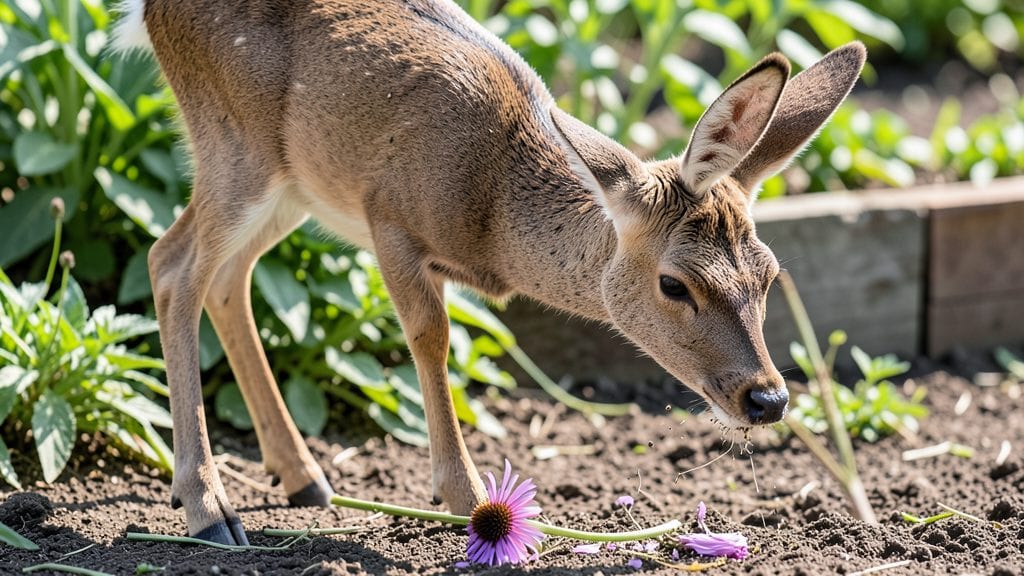
Do deer like coneflowers—or will these hardy blooms actually keep them at bay? 🌻 While they usually avoid these tough perennials, hungry deer won’t hesitate to nibble, especially in winter when food is scarce. The key lies in understanding their browsing habits and giving your plants a fighting chance.
These hardy blooms thrive on neglect, but deer see them differently when other options vanish. A hungry herd will strip stems to the ground, leaving your pollinator garden looking like a sad, skeletal reminder. The good news? Coneflowers bounce back faster than most plants when given half a chance.
With the right deterrents—like fencing, repellents, or companion planting—they’ll push through deer pressure and reward you with those iconic purple blooms. Even if deer take a few bites, the roots stay strong enough to regrow, making coneflowers one of the most resilient choices for deer-prone areas.
Here’s how to turn your garden into a deer-proof haven without sacrificing beauty. The battle isn’t lost—it’s just about strategy. Let’s get those plants protected so they can do their job: attracting pollinators while surviving the neighborhood wildlife.
📚 In This Guide
- What you need
- Instructions
- Tips and common mistakes
- Wrapping up and next steps
What you need
- ● Coneflower seeds or plants: Choose Echinacea purpurea (purple coneflower) or Echinacea pallida (pale purple coneflower). Buy 5–10 plants (or seeds for ~20–30 plants) for a visible impact.
- ● Well-draining soil: Coneflowers thrive in loamy, slightly dry soil with a pH of 6.0–7.0. Amend heavy clay with compost or sand (1–2 inches mixed into the top 6–12 inches of soil).
- ● Sunlight access: A full-sun location (6+ hours of direct sunlight daily) is critical for healthy growth and resistance to pests.
- ● Watering can or hose: A gentle spray nozzle helps avoid disturbing seedlings.
- ○ Organic mulch (optional but recommended): 2–3 inches of pine straw, wood chips, or shredded leaves to retain moisture and deter deer.
- ● Garden gloves (to protect hands from thorns on mature plants).
- ● Hand trowel or transplanting spade (for digging holes 12–18 inches apart for spacing).
- ○ Deer deterrents (optional but helpful): Deer repellent spray (e.g., Liquid Fence or Bobby’s Deer Repellent).
- ● Physical barriers: Chicken wire (buried 6 inches deep) or deer fencing (8+ feet tall) for high-risk areas.
- ● Fertilizer (light touch!): A balanced, slow-release fertilizer (10-10-10) or compost tea applied once in early spring.
- ● 🌡️ Timing matters: Plant seeds in early spring or fall (4–6 weeks before the last frost) or transplant mature plants in spring or early fall.
- ● ✨ Companion plants: Pair coneflowers with salvia, lavender, or Russian sage—deer hate these too!
- ● 🔥 Deadhead spent blooms in late summer to encourage second flushes of flowers and keep deer from nibbling dry stems.
How to use coneflowers to deter deer in your garden
Here’s how to strategically plant coneflowers for both beauty and pest protection.
🌱 Step 1: Choose the Right Coneflower Varieties
Not all coneflowers repel deer equally. **Purple coneflower (Echinacea purpurea) and white coneflower (Echinacea pallida) are the most effective, thanks to their strong scent and slightly bitter foliage. Avoid the more delicate dwarf varieties—deer may still nibble if hungry. Plant 4-6 mature plants per garden bed to create a strong deterrent barrier.
I always opt for native varieties because they’re hardier and better adapted to local wildlife. If deer are a persistent problem, mix in black-eyed Susans (Rudbeckia) or bee balm (Monarda)—both are deer-resistant and complement coneflowers beautifully. The more diversity, the stronger the deterrent effect.
☀️ Step 2: Plant in High-Traffic Deer Zones
Deer avoid areas where they feel exposed or where foliage is too tough to browse. Plant coneflowers in open, sunny spots (they need 6+ hours of direct sun daily) near pathways, patios, or along property edges. The taller stems (2-4 feet mature height) act as a visual barrier, making your garden less inviting.
Here’s the trick: cluster plants in groups of 3-5 rather than spacing them out. Deer are less likely to nibble when faced with a dense patch. If your garden has shaded areas, pair coneflowers with deer-resistant ferns or hellebores—the contrast confuses deer and reduces grazing.
💧 Step 3: Maintain Healthy, Tough Foliage
Deer are less likely to target coneflowers with thick, woody stems and leathery leaves. Water deeply (1 inch per week) during the first growing season to encourage strong root development. Once established, coneflowers are drought-tolerant, but consistent moisture in early growth makes them less appealing to deer.
Deadhead spent blooms in late summer to promote new foliage growth—fresh, vibrant leaves are less palatable than wilted ones. If you notice deer browsing other plants, sprinkle crushed red pepper flakes (a natural deer repellent) around the base of your coneflowers. The scent deters them without harming the plants.
✂️ Step 4: Combine with Physical Deterrents
Coneflowers work best as part of a multi-layered defense. After planting, install deer-resistant ground covers like creeping thyme or sedum around the base. The combination of tough foliage, strong scent, and physical barriers makes your garden far less appealing.
For extra protection, plant coneflowers near spiny plants (like barberry or holly) or strongly aromatic herbs (rosemary, lavender). Deer avoid areas where they’d risk injury or unpleasant smells. If deer still browse, surround plants with chicken wire (temporarily) until they establish sturdy growth.
🌿 Step 5: Monitor and Adjust Seasonally
Deer behavior changes with the seasons. In early spring, when food is scarce, they may still nibble young coneflower shoots. If this happens, apply a commercial deer repellent spray (like Liquid Fence) every 2-3 weeks until plants mature. By mid-summer, the foliage will be too tough for them to bother with.
In fall, deer target gardens for winter food stores. Leave seed heads on coneflowers—they provide winter interest and act as a natural deterrent. If you must clean up, do so in late winter** when deer are least active. The more your garden looks "wild" (but structured), the less appealing it becomes to them.
Tips & tricks for maximizing coneflower deer deterrence
Real talk: coneflowers aren't just pretty—they're your garden's secret weapon against deer. Here's how to make them work harder for you.
Variety Matters: Stick with Echinacea purpurea and Echinacea pallida—these are the powerhouses. I've seen deer completely ignore these varieties while munching on nearby hostas. The key is their bitter foliage and strong scent, which deer naturally avoid. For extra protection, mix in Rudbeckia or Monarda—their combined scent creates a stronger deterrent barrier.
Sunlight Strategy: Coneflowers need that 6+ hours of direct sun daily to develop their toughest foliage. Plant them in open areas where deer feel exposed—this psychological trick works wonders. I've noticed deer avoid sunny planting beds even when they're hungry. The taller stems (2-4 feet) also create a natural visual barrier that makes your garden less inviting to browsers.
Watering Wisdom: During the first growing season, give your coneflowers 1 inch of water per week to build strong roots. This makes them less appealing to deer later on. Once established, they're drought-tolerant, but that initial moisture investment pays off big time. I've seen coneflowers with weak stems get nibbled even when healthy ones nearby stayed untouched.
Seasonal Defense: In early spring when deer are desperate, apply a commercial repellent like Liquid Fence every 2-3 weeks until plants mature. By mid-summer, their foliage becomes too tough. In fall, leave those seed heads—they provide winter interest AND act as a natural deterrent. The more your garden looks "wild" (but structured), the less appealing it becomes to deer.
Pro Tips for Do Deer Like Coneflowers
- Real talk: coneflowers aren't just pretty—they're your garden's secret weapon against deer.
- Variety Matters: Stick with Echinacea purpurea and Echinacea pallida—these are the powerhouses.
- Sunlight Strategy: Coneflowers need that 6+ hours of direct sun daily to develop their toughest foliage.
Frequently asked questions
Do deer really avoid coneflowers, or will they still eat them?
While coneflowers are considered deer-resistant, they’re not 100% foolproof. Deer may nibble on them—especially in harsh winters or when other food is scarce. The key is their bitter sap, which deters most deer. Planting them in clusters with other deer-resistant perennials (like lavender or Russian sage) boosts their effectiveness.
How long does it take for coneflowers to deter deer?
Coneflowers start deterring deer as soon as they’re established (about 1–2 years after planting). Young seedlings are more vulnerable, so protect them with deer repellent sprays or temporary fencing until they’re 6+ inches tall. Once mature, their strong scent and texture make them less appealing.
What are the best coneflower varieties to keep deer away?
All Echinacea species are deer-resistant, but some varieties are tougher. Try:
- Purple Coneflower (E. purpurea) – Classic, hardy choice.
- White Swan (E. purpurea ‘White Swan’) – Pure white blooms, deer-proof.
- Green Envy (E. ‘Green Envy’) – Greenish flowers, extra bitter.
What should I do if deer are still eating my coneflowers?
Try these troubleshooting steps if deer persist:
- Apply commercial deer repellent (like Liquid Fence) to foliage.
- Install physical barriers (e.g., 8-foot tall fencing or netting).
- Plant deer-proof companions nearby (e.g., Allium, Salvia, or Foxglove).
- Use motion-activated sprinklers to scare them off.
Can I use coneflowers to protect other plants in my garden?
Coneflowers act as a natural deer deterrent when planted strategically. Use them as:
- A border plant around vulnerable perennials (e.g., hostas, peonies).
- A centerpiece in pollinator gardens to lure bees while repelling deer.
- A ground cover substitute in sunny, dry areas where deer forage.
Wrapping up and next steps
So, do deer like coneflowers? While they’re not completely deer-proof, these vibrant blooms are a smart, low-maintenance choice for gardens that attract pollinators and deter hungry critters. 🌼 Plant them in clusters, pair them with other deer-resistant plants, and enjoy a garden that thrives—without becoming a deer buffet!
Ready to transform your outdoor space? Start small: Add a few coneflowers to a sunny spot this spring and watch your garden (and pollinators!) flourish. Happy gardening! 🌱