
Flowers
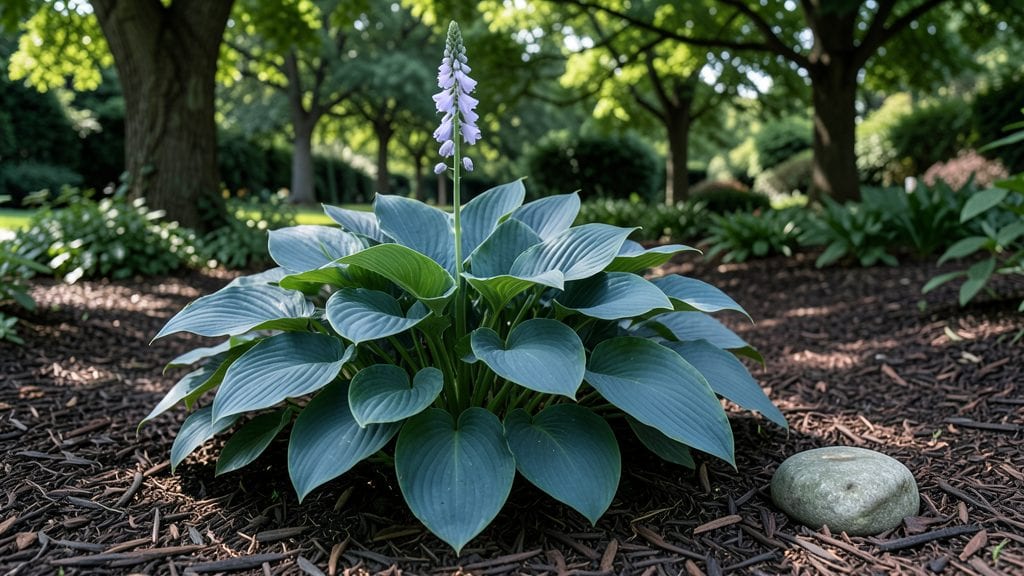
Shaded areas don’t have to mean dull gardens—some flowers thrive where others fade. 🌿 My first shady garden was a patch of sad ferns and struggling hostas until I discovered the right plants and layout tricks. The key is choosing shade-loving varieties that bloom vibrantly without direct sun.
Think impatiens for bursts of color, astilbes for feathery texture, and bleeding hearts for delicate blooms. These plants handle dappled light beautifully, while ferns and hellebores add lush greenery. The secret is layering heights and textures—tall astilbes in back, medium impatiens in the middle, and low-growing ajuga as ground cover.
You’ll end up with a garden that feels alive, not neglected—think jewel-toned blooms, velvety foliage, and a space that stays cool even on hot days. The best part? Less watering and maintenance than sun-loving gardens. Let’s bring your shady spot to life with plants that actually shine there.
Works for woodland gardens, north-facing yards, or even under trees. The same principles apply whether you have partial shade or deep shade—just adjust the plant choices. Ready to transform that forgotten corner into a thriving oasis?
📚 In This Guide
- What you need
- Instructions
- Tips and common mistakes
- Wrapping up and next steps
What you need
- ● Flowering plants for shade: 1-3 Impatiens (per 1 sq. ft. of space)
- ● 1-2 Bleeding Heart (per 1 sq. ft.)
- ● 1 Hosta (per 1 sq. ft., for foliage contrast)
- ● 1-2 Astilbe (per 1 sq. ft.)
- ● 1 Ferns (e.g., Maidenhair or Ostrich, 1-2 per sq. ft.)
- ● 1-3 Hellebores (per 1 sq. ft., for winter blooms)
- ● 1 Lungwort (per 1 sq. ft.)
- ● Soil amendments: 5-10 lbs. of peat moss or coco coir (for moisture retention)
- ● 3-5 lbs. of compost (per sq. ft. of garden bed)
- ● 1 lb. of slow-release fertilizer (10-10-10 or 5-10-5 NPK ratio)
- ● Tools: 1 garden trowel (for planting)
- ● 1 pruning shears (for trimming)
- ● 1 hand fork (for loosening soil)
- ● 1 watering can or hose with gentle spray nozzle
- ● 1 garden gloves (for protection)
- ● Mulch: 2-3 inches of shredded bark or pine needles (to retain moisture and suppress weeds)
- ● Shade cloth: Lightweight 30-50% shade cloth (if your area gets too much indirect light)
- ● Decorative stones: Flat river rocks or mulch rings (for a polished look)
- ● Slow-release plant food: Osmoote or Espoma (for extra nourishment)
- ● Self-watering planters: (for container gardening in low-light spots)
Step-by-Step guide to planting flowers in shaded gardens
Here’s how to transform dim corners into vibrant, low-maintenance floral displays.
🌱 Step 1: Test Your Shade and Choose the Right Flowers
Not all shade is equal—first, observe your spot for 2-3 hours on a sunny day. Deep shade (under trees) needs hostas, astilbes, or bleeding hearts, while partial shade (4+ hours of dappled light) thrives with impatiens, ferns, or hydrangeas. I always check the light label on seed packets or plant tags to avoid mismatches.
Dig a small hole—just twice as wide as the root ball—and loosen the soil around it. This prevents root damage when planting. If your soil feels compacted, mix in 1 inch of compost from the ingredients list to improve drainage and fertility. Flowers in shade appreciate well-draining soil, so avoid clay-heavy spots unless amended.
🪴 Step 2: Prepare Soil and Plant with Care
Work the 1 inch of compost into the top 6 inches of soil at the planting site. This boosts organic matter without overwhelming roots. For container-grown flowers, gently remove the plant from its pot and loosen tangled roots with your fingers—never pull or force them. This encourages outward growth instead of root circling.
Place the plant in the hole so the top of the root ball sits level with the surrounding soil. Press lightly around the edges to remove air pockets, then water deeply until moisture reaches 4-6 inches down. You’ll know it’s enough when water pools on the surface for a moment before draining away.
☀️ Step 3: Mulch and Water for Long-Term Success
Spread 2-3 inches of mulch (like shredded bark or pine needles) over the soil surface, keeping it 2 inches away from stems to prevent rot. Mulch locks in moisture and blocks weeds, which is especially helpful in shaded areas where grass struggles to grow. I always use organic mulch—it breaks down slowly and adds nutrients over time.
Water 2-3 times per week in the first month, aiming for 1 inch of water total. Check moisture by sticking your finger 1 inch into the soil—if it’s dry, water again. In shade, soil stays moist longer, so you’ll need less frequent watering than sun-exposed beds. Adjust based on rainfall: skip watering if you’ve had ½ inch of rain in the past 3 days.
🌿 Step 4: Feed and Prune for Continuous Blooms
Apply a balanced, slow-release fertilizer (like 10-10-10) in early spring and mid-summer to support steady growth. I scatter granules around the base and water them in—never apply directly to leaves. Over-fertilizing in shade can lead to lush foliage but fewer flowers, so follow package rates precisely.
Deadhead spent blooms weekly to encourage new flowers. For example, pinch off faded impatiens flowers with your thumb and forefinger—this redirects energy from seed production to more vibrant blooms. In late fall, cut back woody stems by ⅓ to tidy the plant and prep for next season’s growth.
Tips & tricks for perfect shade-loving flowers
Here's what nobody tells you about making your shaded garden truly thrive.
Light Testing: That 2-3 hour observation period in Step 1 is crucial—use a white piece of paper to track light patterns throughout the day. If your spot gets only fleeting sun, opt for heuchera or coral bells which handle even less light than the flowers mentioned. I've learned this the hard way after planting sun-lovers in deep shade!
Soil Prep: For compacted soil in Step 1, mix in that 1 inch of compost with a garden fork first—this aerates before planting. If you're working with heavy clay, add sand or perlite to improve drainage. The goal is to mimic the loose, well-draining conditions these shade plants naturally prefer.
Watering Wisdom: When watering to 4-6 inches down in Step 2, use a long screwdriver to check moisture—this gives you a more accurate read than just sticking your finger in. In shade, morning watering is best to prevent fungal issues from prolonged dampness. I've seen root rot develop when people water in the evening.
Mulch Matters: That 2-3 inch mulch layer in Step 3 should be refreshed annually—it breaks down over time. For extra weed suppression, try cardboard sheets under the mulch (they'll decompose over time). The key is keeping that mulch 2 inches away from stems to prevent moisture-related diseases.
Pro Tips for Flowers In Shaded Area
- Here's what nobody tells you about making your shaded garden truly thrive.
- Light Testing: That 2-3 hour observation period in Step 1 is crucial—use a white piece of paper to track light patterns throughout the day.
- Soil Prep: For compacted soil in Step 1, mix in that 1 inch of compost with a garden fork first—this aerates before planting.
Frequently asked questions
Got questions about growing flowers in shaded areas? You’re not alone!
Here are some of the most common queries—and their solutions—to help you create a lush, low-light garden with confidence.
What are the best flowers for deep shade (less than 3 hours of sunlight)?
Deep shade thrives with Hosta, Astilbe, Lungwort, and Bleeding Heart. For partial shade (3–6 hours of light), try Impatiens, Fuchsia, or Begonias. These varieties adapt well to dappled or filtered light, making them perfect for under trees or north-facing spots.
How long does it take for flowers to bloom in shaded areas?
Blooming times vary! Fast growers like Impatiens may flower in 4–6 weeks, while perennials like Astilbe or Hosta take 2–3 years to reach full bloom. Patience pays off—shade-loving plants often reward you with longer-lasting flowers than sun-hungry varieties.
Can I use regular potting soil for shaded flowers?
Not ideal! Shade-loving plants prefer well-draining, organic-rich soil with added compost. Mix in peat moss or coconut coir to retain moisture (shade areas dry slower) and avoid heavy clay. A 50/50 blend of potting soil and compost works wonders for most container or in-ground shade gardens.
Why are my shade flowers wilting or turning yellow?
Yellowing leaves often signal overwatering (shade = slower evaporation) or nutrient deficiency. Check drainage—root rot is a common issue. For yellowing edges, your plants may need more iron (use a chelated iron supplement). Brown, crispy leaves? Too little water—shade plants still need consistent moisture!
Are there any shade-tolerant annuals that rebloom all season?
Impatiens ( non-stop blooms), Begonias (double-flowered varieties), and Coleus (for foliage + occasional blooms) are top picks. For height, try Fuchsia or Caladiums. Deadhead spent blooms to encourage continuous flowering—even in low light!
| Quick Fixes for Shade Struggles |
|---|
| Leggy stems? Prune to encourage bushier growth and more blooms. |
| Slow growth? Feed with a balanced, slow-release fertilizer (10-10-10) in spring. |
| Pests (slugs/snails)? Use copper barriers or diatomaceous earth—shade creates cozy hiding spots! |
Wrapping up and next steps
Transforming a shaded area into a vibrant garden isn’t just possible—it’s rewarding! 🌿 With the right plants, care, and a little creativity, you can turn low-light spaces into lush, thriving havens.
Whether you’re a seasoned gardener or just starting out, these flowers in shaded areas will prove that beauty knows no light limits.
Ready to take the next step? Start small—pick one or two plants from our list, prep your space, and watch your garden bloom with confidence. Happy gardening! 🌸