Flowers
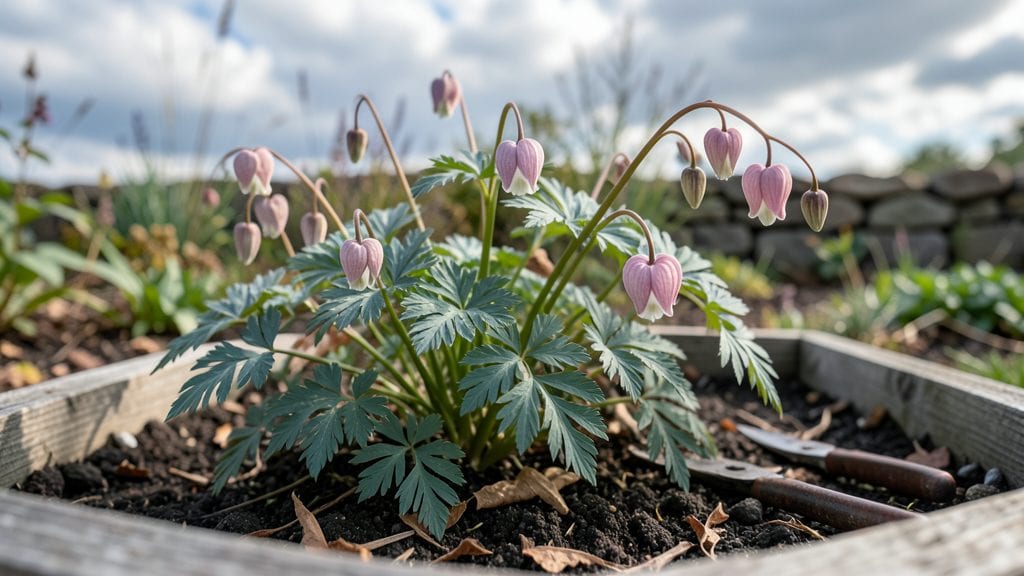
The bleeding heart flower’s dangling pink hearts have whispered romance to Pacific Northwest gardeners for over a century. 💖 Its name isn’t just poetic—it’s steeped in folklore about broken hearts and secret love, a story that makes it more than just a pretty plant.
The way it thrives in dappled shade, where most flowers fade, only adds to its mystique.
This delicate perennial isn’t just a star of cottage gardens—it’s a conversation piece. Pair it with ferns and hostas for a woodland retreat, or let it spill over stone walls for a touch of whimsy.
The key is protecting its roots from summer heat while giving it the moisture it craves, just like the misty forests of its native Asia.
What you’ll get is a garden that feels like a storybook: soft foliage framing heart-shaped blooms, blooming reliably from spring to early summer.
The scent isn’t strong, but the visual magic is undeniable—especially when planted in drifts where the flowers seem to sway like a secret shared only with the garden.
For those who love gardens with meaning, bleeding heart offers more than beauty. Plant it near a bench where you can sit and imagine the legends behind its name, or weave its lore into garden signage.
The best part? It multiplies over time, gifting you with more stories to tell each year.
📚 In This Guide
- What you need
- Instructions
- Tips and common mistakes
- Wrapping up and next steps
What you need
- ● Bleeding heart plants: 3–5 Dicentra spectabilis plants (bare-root, potted, or seeds)
- ● Choose pink or white varieties (or both!) for a dreamy contrast.
- ● Soil: 2–3 cubic yards of well-draining, rich compost (mix in leaf mold or aged manure for NW soil’s acidity).
- ○ Optional: Peat moss (1–2 bags) to improve moisture retention.
- ● Fertilizer: 10–10–10 balanced fertilizer (1–2 lbs) or orgainc options like fish emulsion.
- ● Garden trowel (for transplanting)
- ● Hand pruners (for shaping)
- ● Watering can or hose with soaker nozzle (to avoid disturbing roots)
- ○ Garden gloves (optional but recommended—those roots can be tough!)
- ● Mulch (3–4 inches of wood chips or shredded bark to retain moisture).
- ● Shady spot: Partial to full shade (3–6 hours of dappled sunlight daily).
- ● Moisture-loving soil: Bleeding hearts hate drought—keep soil consistently damp (but not soggy).
- ● Patience: Seeds take 2 years to bloom; transplants may flower the first year!
How to grow bleeding heart flowers in shady spots
This Pacific Northwest favorite thrives where others fail—here's how to coax its heart-shaped blooms.
🌱 Step 1: Pick the Perfect Planting Location
Bleeding hearts adore partial to full shade, so choose a spot that gets morning sun or dappled light—think under large trees or along north-facing walls. The Pacific Northwest's damp climate works perfectly, but avoid soggy soil. If your yard stays wet, raise beds or add compost to improve drainage.
I always test the spot by checking moisture levels in spring. Stick your finger 2 inches deep—if it feels damp but not soggy, it's ideal. Bleeding hearts hate dry roots, so mulch heavily with 3-4 inches of organic mulch (like shredded bark) to lock in moisture and keep roots cool.
🪴 Step 2: Plant at the Right Time and Depth
Spring is best for planting bleeding hearts in the Pacific Northwest, but you can also plant in early fall for a head start. Dig a hole twice as wide as the root ball but only as deep as the container's root level—planting too deep suffocates the crown. Gently loosen roots if they're circling.
Here's the thing—bleeding hearts hate disturbance. I like to plant them in clumps of 3-5 for a fuller look right away. Space them 18-24 inches apart so they have room to spread. Water deeply right after planting to settle the soil and remove the mulch layer temporarily to prevent rot.
☀️ Step 3: Water and Feed for Lush Growth
Keep soil evenly moist but never waterlogged. In the Pacific Northwest's rainy season, you might not need to water much, but during dry spells, check the top 1 inch of soil daily. If it's dry, water deeply until it drains through the bottom. Bleeding hearts wilt fast when thirsty, so don't wait until leaves droop.
Feed with a balanced, slow-release fertilizer (like 10-10-10) in early spring when new growth appears. I skip summer feeding—too much nitrogen makes leaves lush but blooms sparse. Instead, add a 2-inch layer of compost in fall to feed roots gradually.
✂️ Step 4: Prune and Divide for Long-Term Health
Deadhead spent blooms in early summer to encourage more flowers, but don't cut back foliage until late summer or early fall. Bleeding hearts go dormant after blooming, so when leaves yellow and stems flop, cut them back to 1-2 inches above ground. This prevents disease and makes next year's blooms stronger.
Every 3-4 years, divide clumps in early spring to rejuvenate plants. Dig up the entire plant, separate crowns with a clean knife, and replant the healthiest sections. This prevents overcrowding and keeps blooms abundant. Real talk: I've let mine go too long, and the center flowers out while edges fade—don't make that mistake!
⏰ Step 5: Protect from Winter and Pests
The Pacific Northwest's mild winters usually spare bleeding hearts, but a thick layer of mulch (6+ inches) insulates roots in harsh freezes. I add extra mulch in November and remove it in early spring once new growth appears. Avoid heavy mulch that smothers stems—just enough to blanket the soil.
Watch for slugs and aphids, which love tender new growth. Handpick slugs at dusk or set out beer traps (yes, it works). For aphids, spray with soapy water (1 tsp mild soap per quart of water) on a calm day. Bleeding hearts are tough but hate chemical sprays—stick to organic fixes.
Tips & tricks for perfect bleeding heart flower growth
Here's what nobody tells you about making these delicate blooms thrive in your Pacific Northwest garden.
Location Intelligence: Bleeding hearts don't just tolerate shade—they thrive in it. The key is finding that sweet spot of morning sun or filtered light. I've seen them struggle in deep shade under dense evergreens where light barely reaches. Test your spot by observing how much light it gets throughout the day. If you're unsure, try planting near a tree with dappled light patterns—it's perfect for these flowers.
Planting Precision: When you're planting those clumps of 3-5, don't just shove them in the ground. Gently spread the roots outward in the hole to encourage outward growth. I've made the mistake of planting them too deep, and the crown suffocates, leading to poor growth. Remember, the hole should only be as deep as the root ball—no deeper. Also, that deep watering after planting? It's not just about settling the soil. It's about washing away any mulch particles that might have fallen into the hole during planting.
Watering Wisdom: The Pacific Northwest's damp climate can be tricky. While you might not need to water much during rainy seasons, those dry spells can sneak up. Check that top inch of soil daily during dry periods—if it's dry, water until it drains through. Here's a pro move: water in the morning. This gives the plants time to absorb moisture before evening, reducing the risk of fungal issues. And never let them wilt—they recover poorly from drought stress.
Pruning Payoff: That late summer or early fall pruning isn't just about tidying up. It's about preparing for next year's blooms. When you cut back to 1-2 inches above ground, you're removing any potential disease hiding in last year's foliage. I've noticed that plants I prune at this time consistently produce more abundant blooms the following spring. And when you divide those clumps every 3-4 years, choose a crisp spring day. The plants are just waking up and can handle the disturbance better than in summer heat.
Pro Tips for The Story Of The Bleeding Heart Flower
- Here's what nobody tells you about making these delicate blooms thrive in your Pacific Northwest garden.
- Location Intelligence: Bleeding hearts don't just tolerate shade—they thrive in it.
- Planting Precision: When you're planting those clumps of 3-5, don't just shove them in the ground.
Frequently asked questions
Got questions about the bleeding heart flower?
Whether you're a gardening newbie or a seasoned green thumb, these answers will help you grow—and love—this Pacific Northwest favorite!
What’s the best time of year to plant bleeding heart flowers?
Plant bleeding heart flowers in early spring (March–April) or fall (September–October). This gives roots time to establish before summer heat or winter cold. Avoid planting in hot, dry months—they prefer cooler, moist conditions. For containers, you can plant anytime, but water consistently to keep soil damp.
Can bleeding heart flowers survive winter in cold climates?
Yes! These hardy plants thrive in USDA Zones 3–9, making them perfect for the Pacific Northwest. Mulch heavily around the base in late fall to protect roots. In colder zones, they may go dormant but return with vibrant blooms each spring. Just avoid disturbing them until new growth appears.
Why aren’t my bleeding heart flowers blooming?
Common culprits include too much sun (they prefer shade), poor soil drainage, or over-fertilizing. Ensure they’re in partial to full shade and well-draining soil. If blooms are sparse, try dividing mature plants every 3–4 years to rejuvenate growth. Patience is key—they often bloom best in their second or third year.
Are there alternatives to bleeding heart flowers for shady gardens?
Try Hosta (for lush foliage), Astilbe (feathery plumes), Ferns (like maidenhair or Japanese shield), or Lungwort (unique spotted leaves). For color, Hellebores (Lenten roses) bloom early and love shade too. Each brings its own charm to shadowy spots!
How do I protect bleeding heart flowers from pests?
Watch for slugs, snails, and aphids, which love tender new growth. Handpick pests early or use beer traps (bury a cup filled with beer near plants). For aphids, spray with soapy water. Keep mulch away from stems to deter slugs. Healthy plants with rich, moist soil are less vulnerable—so water consistently but avoid soggy roots!
Wrapping up and next steps
The bleeding heart flower isn’t just a stunning addition to your Pacific Northwest garden—it’s a symbol of resilience, beauty, and quiet strength. From its heartwarming folklore to its thriving love for shade, this plant reminds us that even the most delicate things can leave a lasting mark. 💜
Now that you’re inspired, why not take the next step? Whether you’re a seasoned gardener or a curious beginner, plant one today and watch as it transforms your shady corners into a lush, romantic retreat. Happy gardening!