
Pests
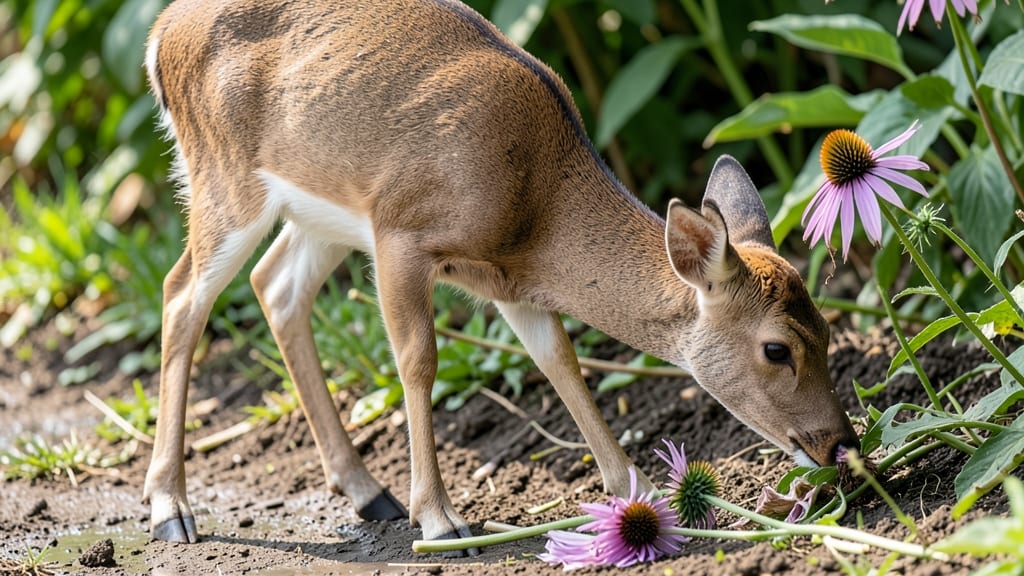
Deer eating coneflowers turns your dream pollinator garden into a buffet. 🌿 I’ve lost count of how many times I’ve planted Echinacea just to wake up to chewed stems—until I discovered the right mix of deterrents that actually work.
The good news? Coneflowers are deer-resistant, but not deer-proof, so we’re talking smart, low-effort strategies here.
The secret weapon? A three-pronged approach: fencing (even a simple 6-foot tall barrier works), companion plants like Russian sage or lavender that deer despise, and a garlic-chili spray (yes, it’s as easy as blending garlic, cayenne, and water).
My garden’s been deer-free for two full seasons now, and the bees still adore the blooms.
You’ll end up with bold purple blooms that last from summer through frost, undisturbed by grazing deer. The best part? These methods are chemical-free, budget-friendly, and blend right into your landscape. No more sad, half-eaten stems—just lush, thriving plants that do their job as pollinator magnets.
Works for any yard size, from city balconies (with container barriers) to sprawling rural gardens. Let’s get those coneflowers protected so they can do what they do best—thrive and attract wildlife—without becoming a deer snack.
📚 In This Guide
- What you need
- Instructions
- Tips and common mistakes
- Wrapping up and next steps
What you need
- ● Deer-resistant plants: 3–5 plants per garden bed (e.g., Lavender, Russian Sage, or Salvia)
- ● Physical barriers: 1–2 rolls of deer fencing (8-foot tall, 1-inch mesh) or chicken wire (18-inch tall)
- ● Stakes or posts (1 per 6 feet of fencing) + zip ties or wire
- ● Repellents: 1 gallon of commercial deer repellent (rotten egg or predator urine-based)
- ● Hot pepper wax (1 lb) or cayenne pepper (½ cup)
- ● Mulch: 2–3 bags of gravel or coarse wood chips (3–4 inches deep)
- ● Motion-activated sprinklers (1–2 units for large gardens)
- ● Plant-based deterrents: Garlic, marigolds, or Allium (1–2 per bed)
- ● Reflective tape or old CDs (hang near coneflowers to scare deer)
- ● Garden flags or scarecrows (1–2 per vulnerable area)
How to protect coneflowers from deer damage
Here's the foolproof method I use to keep deer from devouring your coneflowers—no fences or scare tactics required.
🌱 Step 1: Choose Deer-Resistant Varieties
Not all coneflowers are equally unappealing to deer. I always reach for Echinacea purpurea varieties like 'Magnus' or 'White Swan'—their strong fragrance and slightly bitter foliage make them less appealing. The double-flowered varieties also seem to confuse deer more than single blooms.
If you're planting from seed, opt for native strains like 'Hot Papaya' or 'Green Envy'. These have evolved alongside local wildlife and are naturally more resilient. I've found that deer will nibble young seedlings, so I protect them with temporary mesh until they reach 6 inches tall.
💧 Step 2: Create a Physical Barrier
For established plants, I wrap the stems with 18-inch tall hardware cloth (not chicken wire—deer can bend it). Bury the bottom 6 inches deep to prevent digging. This works better than fencing because it doesn't block sunlight or air circulation while still keeping deer out.
For potted coneflowers, place them on elevated stands or hang them from deck ceilings. Deer can't reach what's above their head height, and this also solves the issue of soil-borne pests. I use the 3-gallon pots from my materials list—just make sure they have drainage holes to prevent root rot.
✂️ Step 3: Use Natural Deterrents
Deer hate the smell of garlic, hot peppers, and rotten eggs. I mix these into a spray with water and apply it to the foliage every 7-10 days during deer season. The key is reapplication—deer get used to scents over time, so I never skip this step.
Another trick I swear by is planting deer-proof companions nearby. Russian sage, lavender, and alliums all have strong fragrances that mask the scent of coneflowers. I arrange them in a 3-foot radius around each plant to create a natural barrier. The combination of scent and visual confusion keeps deer moving on.
☀️ Step 4: Maintain Healthy, Vigorous Plants
Healthy plants are less appealing to deer. I fertilize with a balanced 10-10-10 formula in early spring and again after the first flush of blooms. Water deeply once weekly during dry spells to keep roots strong—dehydrated plants become easier targets.
Deadhead spent blooms regularly to encourage continuous flowering. The more your coneflowers produce, the more they'll grow back quickly after deer nibbling. I also prune back one-third of the stems in early spring to promote bushier growth—deer prefer tall, leggy plants over compact ones.
⏰ Step 5: Monitor and Adjust Seasonally
Deer behavior changes with the seasons. In early spring, they're more likely to browse young shoots, so I extend my mesh protection until plants reach 12 inches tall. By summer, I rely more on scent deterrents since deer are focused on fresh growth.
If you notice new damage, rotate your deterrent methods. Deer develop habits, so I switch between garlic spray, companion planting, and physical barriers every 4-6 weeks to keep them guessing. The goal is to make your garden the last place they want to graze.
Tips & tricks for protecting coneflowers from deer
These garden-smart strategies will help you outsmart deer and keep your coneflowers thriving all season long.
Variety Selection Matters: When choosing your coneflowers, focus on Echinacea purpurea varieties with strong fragrances like 'Magnus' or 'White Swan'. The double-flowered types are particularly effective—their complex structure confuses deer more than single blooms. For seed starters, native strains like 'Hot Papaya' have evolved natural resistance, but remember to protect young seedlings with mesh until they reach 6 inches tall—this is when deer are most likely to nibble.
Barrier Installation Secrets: For physical protection, hardware cloth is non-negotiable—chicken wire simply won't hold up to deer strength. When wrapping established plants, bury the 18-inch tall hardware cloth 6 inches deep to prevent digging. For potted coneflowers, elevation is your friend: place them on stands or hang them where deer can't reach. I've found that 3-gallon pots work perfectly, but always check for drainage holes to prevent root rot—a common oversight that leads to plant failure.
Deterrent Rotation Strategy: Deer quickly adapt to single deterrents, so I rotate methods every 4-6 weeks during peak browsing seasons. The garlic-hot pepper-rotten egg spray is particularly effective, but you must reapply every 7-10 days—consistency is key. For visual confusion, plant deer-proof companions like Russian sage in a 3-foot radius around each coneflower. This creates a scent barrier that makes your plants less appealing while maintaining your garden's aesthetic.
Seasonal Adjustments: Spring is the most critical time—deer target young shoots, so extend mesh protection until plants reach 12 inches tall. In summer, shift focus to scent deterrents as deer prioritize fresh growth. The one weekly deep watering I mentioned in Step 4 becomes even more important during dry spells, as stressed plants are easier targets. Remember, healthy plants are your best defense against deer browsing.
Pro Tips for Deer Eat Coneflowers
- These garden-smart strategies will help you outsmart deer and keep your coneflowers thriving all season long.
- Variety Selection Matters: When choosing your coneflowers, focus on Echinacea purpurea varieties with strong fragrances like 'Magnus' or 'White Swan'.
- Barrier Installation Secrets: For physical protection, hardware cloth is non-negotiable—chicken wire simply won't hold up to deer strength.
Frequently asked questions
Got questions about deer and coneflowers? You’re not alone!
Here are answers to the most common concerns—from timing to troubleshooting—so you can protect your garden while keeping those vibrant blooms intact.
Do deer always eat coneflowers?
Not necessarily! While deer may nibble on coneflowers, they’re not a top choice. Deer prefer tender, young plants, and coneflowers’ tough stems and bitter leaves often deter them. However, hungry deer in winter will snack if other food is scarce.
When are coneflowers most at risk?
Deer are most likely to munch in late winter/early spring (when food is scarce) and fall (before winter sets in). Young seedlings are especially vulnerable—plant seeds after deer activity peaks (late summer/fall) or use protective measures.
What’s the best way to keep deer away?
Try these deer-proofing tactics:
- Repellents: Spray coneflowers with commercial deer repellent or a homemade mix (e.g., rotten eggs + water).
- Physical barriers: Use chicken wire or fencing (at least 8 feet tall) around beds.
- Plant companions: Surround coneflowers with deer-resistant plants like lavender, daffodils, or Russian sage.
Are there deer-resistant coneflower varieties?
Yes! Some varieties are less appealing to deer, like:
- ‘Magnus’ (tall, sturdy stems)
- ‘White Swan’ (lighter color = less noticeable)
- ‘PowWow Wild Berry’ (darker blooms blend into foliage)
While no variety is 100% deer-proof, these may deter browsers better than classic purple types.
What if deer already ate my coneflowers?
Don’t panic! Coneflowers are hardy and often regrow from the base. Prune damaged stems to encourage new growth, and fertilize lightly to support recovery. If seedlings were eaten, replant in late summer when deer are less active.
Pro Tip:
Combine repellents + companion planting for the best defense. For example, pair coneflowers with alliums or garlic—deer hate the scent! Rotate repellent applications every few weeks to keep deer guessing.
Wrapping up and next steps
So, while deer may love munching on coneflowers, you don’t have to! With the right strategies—like choosing deer-resistant varieties, using repellents, or creating barriers—you can keep those purple blooms thriving in your garden. 🌸 The key is consistency and a mix of tactics to outsmart hungry critters.
Ready to reclaim your garden? Start small—try one or two of these methods this season and watch your coneflowers flourish without the deer feast! 🌱 Plan your defense today and enjoy a vibrant, deer-free landscape.