
Flowers
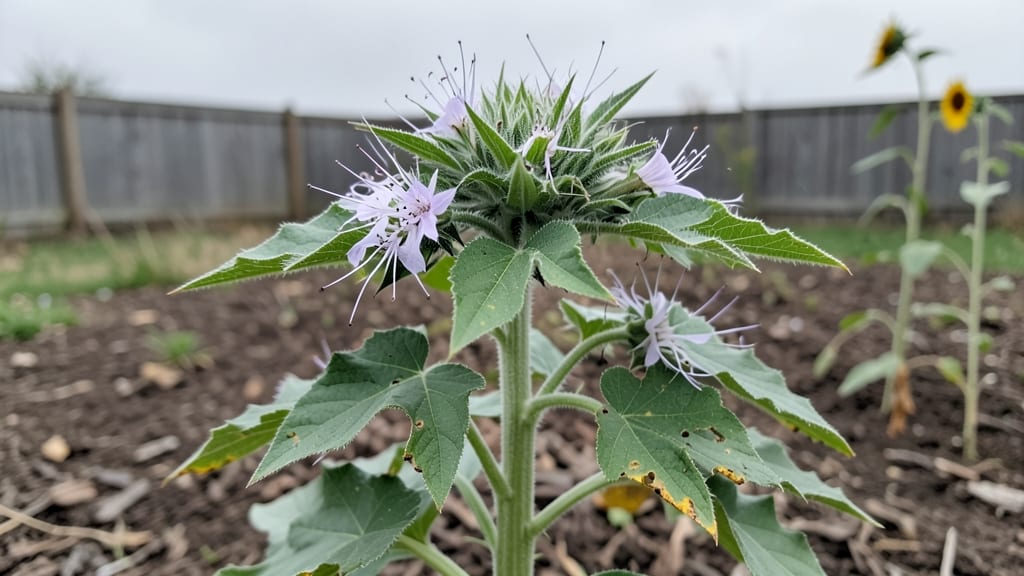
Pink spider flowers transform any garden into a whimsical purple dream—tall, airy stems topped with delicate blooms that dance in the breeze. 🌸 I planted mine last spring, and within weeks, the garden buzzed with bees and butterflies, all drawn to those unique, spider-like flowers.
These plants aren’t just pretty; they’re tough, thriving where others struggle, especially in cooler climates where heat-sensitive blooms fail.
The secret to their success? Full sun, well-draining soil, and a "plant and forget" watering routine. They tolerate drought once established, and their fast growth means you’ll see blooms in just 6-8 weeks from seed.
Even beginners can’t kill these—no fancy fertilizers or constant attention required. Just toss seeds in the ground, give them space to stretch, and watch them reward you with bold, cheerful flowers all summer long.
What you’ll love most is how they elevate any space—whether a cottage garden, wildflower meadow, or even a container on the patio. The blooms attract pollinators like crazy, and their unique shape makes them conversation starters.
Plus, they self-seed easily, so you’ll have even more next year with minimal effort. Ready to grow your own purple magic?
Fair warning: They grow 3-5 feet tall, so give them room to shine. And if you live in a hot climate, plant them in partial shade to prevent wilting. The rest? Pure, effortless beauty. Let’s get those seeds in the ground!
📚 In This Guide
- What you need
- Instructions
- Tips and common mistakes
- Wrapping up and next steps
What you need
- ● Seeds: 5–10 pink spider flower seeds (non-GMO, organic preferred)
- ● Growing medium: Well-draining potting mix (or garden soil amended with perlite/vermiculite for aeration)
- ● Seed-starting trays (biodegradable or plastic, 2–3 inches deep)
- ○ Containers (optional but helpful): Small pots (3–4 inches wide) for transplanting seedlings
- ● Larger containers (12+ inches) if growing in pots long-term
- ● Planting tools: Small hand trowel or spoon
- ● Spray bottle (for gentle watering)
- ● Outdoor prep (if direct-sowing): Garden fork or tiller (to loosen soil)
- ● Compost or balanced 10-10-10 fertilizer (1 cup per 10 sq ft)
- ○ Optional but handy: Grow lights (for indoor seedlings)
- ● Plant labels (to track varieties)
- ● Mulch (straw or shredded leaves for moisture retention)
- ● 🌤️ Sunlight: 6+ hours of full sun daily (partial shade in scorching climates)
- ● 💧 Water: Consistent moisture (but avoid soggy soil—these plants hate wet feet!)
- ● 🌡️ Climate: Thrives in USDA Zones 2–11; tolerates light frost but prefers warmth after germination.
- ● 🚫 Avoid: Crowded planting—give each seedling 12–18 inches of space to sprawl!
Step-by-step instructions for cultivating pink spider flower
Here’s how to grow these striking cool-climate beauties with minimal fuss.
🌱 Step 1: Choose the Right Location and Prepare Soil
Pink spider flower (Cleome hassleriana) thrives in full sun to partial shade, with at least 6 hours of direct sunlight daily. If your climate is hot, afternoon shade helps prevent wilting. The soil should drain well—amend heavy clay with 2-3 inches of compost to improve aeration.
I like to test soil moisture before planting: stick your finger 1 inch deep. If it feels dry, the site is ready. If it’s still damp, wait a few days. These plants hate soggy roots, so raised beds or containers with drainage holes work beautifully.
🌿 Step 2: Plant Seeds Directly After Last Frost
Sow seeds ¼ inch deep in early spring, once nighttime temperatures stay above 50°F. They germinate best in warm soil (60-70°F). Scatter seeds loosely—3-4 inches apart—since they self-thin naturally. Overcrowding leads to leggy, weak stems.
Water gently after planting to settle the soil, but don’t drown the seeds. A fine mist from a spray bottle keeps them moist without displacing them. You’ll see first true leaves in 10-14 days—that’s your cue to thin seedlings to 12 inches apart for strong blooms.
☀️ Step 3: Provide Consistent Moisture and Light
Once seedlings emerge, water deeply every 2-3 days—enough so the top 2 inches of soil feel damp. Drip irrigation or soaker hoses prevent fungal issues from overhead watering. Let the top inch dry between waterings to avoid root rot.
If your plants stretch toward the light with thin stems, they need more sun. Move them to a sunnier spot or supplement with a grow light for 4-6 hours daily. Strong stems and glossy leaves mean they’re happy—no need for extra fertilizer.
✂️ Step 4: Deadhead and Support for Longer Blooms
Pinch back the first set of flowers to encourage bushier growth. Once blooms fade, snip spent stems just above a leaf node to prompt new flowers. This keeps your plants flowering throughout the season—often until frost.
Tall varieties may need staking or a small trellis to prevent flopping. I tie stems loosely with soft twine as they grow. Avoid heavy pruning; spider flowers reward minimal intervention with bold, airy blooms that attract pollinators.
⏰ Step 5: Harvest Seeds for Next Year’s Garden
Leave a few seed pods to mature on the plant. When they turn brown and papery, twist them off and dry in a paper bag. Store in a cool, dark place for up to 2 years. These seeds germinate reliably, so you’ll have a fresh supply for future gardens.
Here’s the thing—these plants self-seed aggressively. If you love them as much as I do, you’ll find volunteers popping up everywhere next spring. Just thin them out to avoid overcrowding!
Tips & tricks for cultivating pink spider flowers
Took me a while to figure these out, so here goes—these little tricks make all the difference with your cool-climate blooms.
Sunlight Strategy: While 6 hours of sunlight is the minimum, I’ve found that positioning your plants to catch morning sun and afternoon shade in hotter climates actually extends their bloom time. If you notice leaves wilting by midday, move them to a spot with filtered light or use shade cloth. The key is keeping those leaves crisp—wilting means less energy for blooms.
Soil Prep Secret: That 2-3 inches of compost recommendation isn’t just about drainage—it’s also about creating a sponge-like texture that holds moisture without suffocating roots. I mix in a handful of perlite for extra aeration, especially in heavy clay soil. This prevents the dreaded root rot while keeping moisture where it’s needed.
Germination Timing: The 10-14 day window for first true leaves can feel like forever, but there’s a trick: place a clear plastic dome or even a plastic bag over newly planted seeds to create a mini greenhouse effect. This raises soil temperature slightly and can speed germination by 3-4 days—just remember to remove it once sprouts appear to avoid fungal issues.
Deadheading Technique: When snipping spent blooms just above a leaf node, make your cuts at a 45-degree angle. This increases surface area for new growth and prevents water from pooling on the stem. I also use clean, sharp scissors to avoid crushing stems—crushed stems can introduce pathogens that weaken your plants over time.
Pro Tips for Pink Spider Flower
- Took me a while to figure these out, so here goes—these little tricks make all the difference with your cool-climate blooms.
- Sunlight Strategy: While 6 hours of sunlight is the minimum, I’ve found that positioning your plants to catch morning sun and afternoon shade in hotter climates actually extends their bloom time.
- Soil Prep Secret: That 2-3 inches of compost recommendation isn’t just about drainage—it’s also about creating a sponge-like texture that holds moisture without suffocating roots.
Frequently asked questions
about growing pink spider flowers (like Cleome hassleriana) can help you avoid common pitfalls. Here are answers to the questions we hear most!What’s the best time to plant pink spider flowers?
Plant seeds after the last frost when soil temperatures reach at least 60°F (15°C). Direct sowing in spring works best—avoid transplanting seedlings, as they dislike root disturbance. For cooler climates, start indoors 4–6 weeks before the last frost or use a cold frame.
Do pink spider flowers need full sun?
Yes! These sun-lovers thrive in 6+ hours of direct sunlight daily. While they tolerate partial shade, blooms may be sparse or leggy. In hot climates, afternoon shade can prevent wilting, but morning sun is ideal for vibrant flowers.
How often should I water pink spider flowers?
Water deeply but infrequently—about 1 inch per week. Let soil dry between waterings to prevent root rot. Once established, they’re drought-tolerant! Mulch around the base to retain moisture and deter weeds.
Why aren’t my spider flowers blooming?
Check these common issues:
- Insufficient sunlight: Move to a sunnier spot.
- Over-fertilizing: Too much nitrogen = lush foliage, fewer blooms. Use a low-phosphorus fertilizer or none at all.
- Deadheading: Snip spent blooms to encourage new flowers.
- Cold stress: They’re tender—protect from late frosts.
Can I grow pink spider flowers in containers?
Use a 5+ gallon pot with drainage holes and well-draining soil. Place in full sun and water consistently. Dwarf varieties (like ‘Senorita Rosa’) work well for containers, reaching 3–4 feet tall.
Are pink spider flowers perennial or annual?
They’re tender annuals in most climates (USDA zones 2–11), dying back after frost. However, in mild winters (zones 9–11), they may self-seed or regrow. Save seeds from your best blooms for next year’s garden!
Wrapping up and next steps
The pink spider flower (Cleome hassleriana) is a stunning, low-maintenance addition to any garden—especially in cooler climates! With its delicate pink blooms and airy, spider-like petals, it brings effortless charm and a touch of whimsy.
Whether you’re a seasoned gardener or just starting, these vibrant flowers are a rewarding choice that thrives with minimal fuss.
Ready to grow your own? Grab your seeds, pick a sunny spot, and let nature do the rest! 🌸 Start small, experiment with companion plants, and enjoy the magic of watching your garden transform. Happy planting!