
Pruning
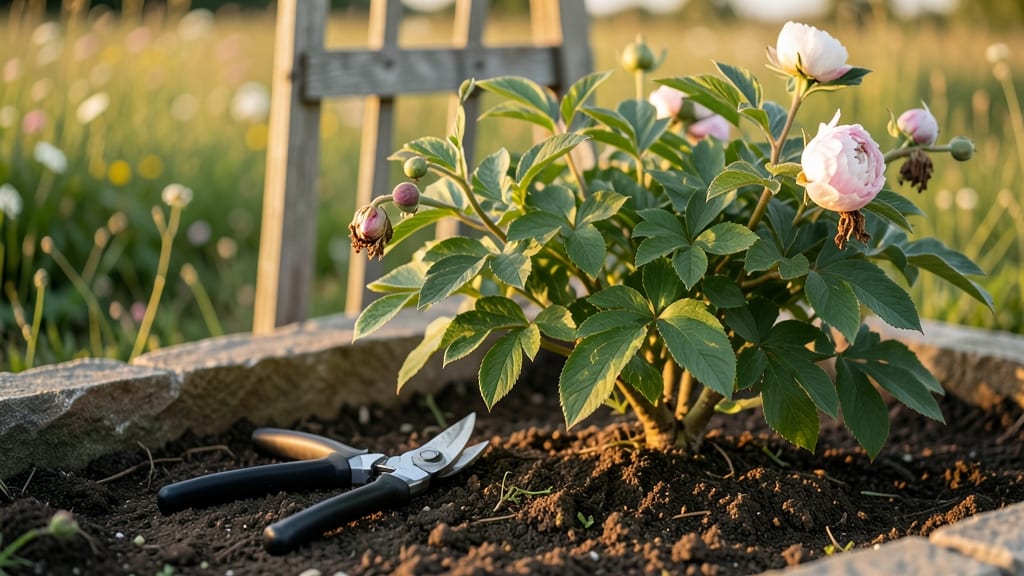
Cutting back peonies after flowering isn’t just about tidying up—it’s the secret to next year’s showstopping blooms. ✨ I’ve learned the hard way that skipping this step means fewer, smaller flowers the following season, but doing it right guarantees lush, healthy growth.
The key is timing: wait until the foliage turns yellow and crispy, then cut back with clean, sharp shears.
You’ll need only two tools: pruning shears (sterilized with rubbing alcohol) and gloves to protect your hands from those pesky thorns. The goal is to remove one-third of the foliage, cutting just above a bud or node to encourage new growth.
Over-pruning weakens the plant, so resist the urge to trim everything back—think of it as giving your peonies a haircut, not a buzz cut.
What you’ll get is a stronger plant with more energy stored in the roots for next spring’s blooms. The yellowed leaves might look unsightly, but they’re busy feeding the plant until you’re ready to cut.
By late fall, your peonies will be prepped for winter, ready to burst into color again when the weather warms.
This method works for all peony varieties, from classic herbaceous types to tree peonies. Just remember: patience is key. If you rush the process, you’ll end up with leggy stems and fewer flowers. Now grab those shears—your future blooms will thank you!
📚 In This Guide
- What you need
- Instructions
- Tips and common mistakes
- Wrapping up and next steps
What you need
- ● Pruning shears or secateurs: Sharp, clean, and disinfected (rubbing alcohol or bleach solution works). Choose bypass pruners (not anvil-type) for cleaner cuts.
- ● Gloves: Heavy-duty gardening gloves (to protect against thorns and dirt). Opt for nitrile-coated for extra grip.
- ● Disinfectant solution: 1 part bleach to 9 parts water (or a commercial pruning disinfectant) to sterilize tools between cuts.
- ○ Garden twine or labels: (Optional but helpful) To mark peonies if you’re unsure which is which post-pruning.
- ● Garden waste bag or bin: For disposing of pruned foliage (avoid composting peony leaves—they can harbor diseases).
- ● Knee pad or stool: For comfort, especially if your peony patch is sprawling.
- ● Handheld leaf blower or broom: To clear away debris post-pruning.
- ● Pruning saw: Only needed if dealing with very thick, woody stems (rare in peonies but useful for stubborn growth).
- ● Fungicide spray: (e.g., copper-based) If your peonies have a history of powdery mildew or fungal issues.
Step-by-step guide for cutting back peonies after flowering
Here’s my foolproof method to keep your peonies blooming for years—no guesswork, just clear cuts.
✂️ Step 1: Wait Until Flowers Fade Naturally
Don’t cut back too soon. Wait until the blooms turn brown and wilt completely—this ensures the plant redirects energy to next year’s buds. If you cut too early, you’ll sacrifice next season’s flowers. I always check for fully browned foliage before touching the stems.
Peonies store energy in their roots, and the dying foliage feeds this process. If you’re unsure, wait another week. The key is patience—rushing leads to weak growth. I mark my calendar 6-8 weeks after peak bloom as a reminder to act.
✂️ Step 2: Cut Stems to the Ground (But Not Below)
Use clean, sharp pruners to snip stems right at the base, where they meet the ground. Avoid leaving stubs—this prevents disease and rot. If you’re worried about missing the exact spot, cut 1-2 inches above the soil line instead.
Here’s the thing—peony stems grow from the crown, so cutting too low risks damaging the buds forming underground. I always make a clean, angled cut to avoid tearing the plant tissue. Afterward, remove all cut stems to reduce garden clutter.
🌱 Step 3: Leave Foliage Until Late Fall
Don’t remove the leaves! They photosynthesize until frost, feeding the roots for next year. Only cut back foliage when it turns completely brown and crispy, usually in late fall (around November in most climates). This timing varies—watch your plants, not the calendar.
If you live in a mild winter zone, the leaves may stay green longer. In colder areas, frost will kill them off naturally. Never cut foliage before frost—you’ll starve the roots. I always bundle the dried stems in a compost pile or trash bin once they’re fully dead.
💧 Step 4: Mulch to Protect the Crown
After cutting, apply a 2-3 inch layer of mulch (like shredded bark or straw) around the base. This insulates the crown during winter and prevents heaving from freeze-thaw cycles. Avoid piling mulch directly against the stems—keep it 1-2 inches away to prevent rot.
Mulch also suppresses weeds and retains moisture. I use the 3 gallons of mulch I set aside each fall, spreading it evenly in a donut shape around the plant. This small step makes a huge difference in winter survival and spring rebloom.
☀️ Step 5: Monitor for New Growth in Spring
In early spring, watch for new shoots emerging from the ground. This signals the plant is ready to grow again. Avoid disturbing the area—peony roots are shallow, and digging risks damage. If you see mold or slimy stems, prune those immediately to prevent spread.
Once shoots reach 3-4 inches tall, you can trim any dead or weak growth. Healthy shoots will be bright green and firm. This is also the time to fertilize lightly—peonies aren’t heavy feeders, but a balanced 10-10-10 in early spring gives them a boost.
Tips & tricks for perfect peony pruning
These simple strategies will help you avoid common mistakes and keep your peonies thriving for years to come.
Timing is Everything: The 6-8 week window after peak bloom is critical—this gives the plant time to store energy in its roots. I learned this the hard way after cutting back too soon and getting sparse blooms the next year. Mark your calendar now based on when your peonies first bloom in spring. If you're unsure, wait until the foliage turns completely brown before pruning.
The Right Tools Matter: Never use dull pruners—they tear plant tissue and invite disease. Invest in a pair of sharp, clean bypass pruners for this job. I sterilize mine with rubbing alcohol between uses to prevent any potential contamination. A clean cut right at the base (or 1-2 inches above soil) promotes faster healing and cleaner regrowth.
Don't Rush the Fall Cleanup: Those brown leaves in late fall aren't just decoration—they're still feeding your plant! Only remove them after a hard frost when they're completely crispy. In mild climates, they might stay green until winter. I bundle the dried stems in a compost pile rather than throwing them away—it's free fertilizer for next year's garden.
Mulch Like a Pro: That 2-3 inch layer of mulch isn't just decoration—it's insulation. Spread it in a donut shape around the base, keeping it 1-2 inches away from the stems to prevent rot. I use shredded bark because it breaks down slowly and improves soil structure over time. This simple step can mean the difference between winter survival and frozen roots.
Pro Tips for Cut Back Peonies After Flowering
- These simple strategies will help you avoid common mistakes and keep your peonies thriving for years to come.
- Timing is Everything: The 6-8 week window after peak bloom is critical—this gives the plant time to store energy in its roots.
- The Right Tools Matter: Never use dull pruners—they tear plant tissue and invite disease.
Frequently asked questions
Got questions about cutting back peonies after they’ve bloomed? You’re not alone—many gardeners want to do it right to keep their peonies thriving! Here are answers to the most common queries:
When is the best time to cut back peonies after flowering?
Wait until the foliage turns yellow or brown and dies back naturally—usually late summer or early fall. Cutting too early can reduce the plant’s energy storage for next year’s blooms. Avoid pruning in fall if your winters are mild, as peonies need some dormancy.
How short should I cut back peonies after flowering?
Leave about 2–3 inches of stem above the ground. This ensures the plant retains enough energy to regrow and store nutrients for spring. Avoid cutting all the way down, as this can stress the plant and reduce future blooms.
What if I missed cutting back peonies in fall? Can I prune in spring?
Yes! If you forget, prune in early spring before new growth appears. Just avoid cutting into the eyes (buds) at the base—these are critical for new shoots. A light trim to tidy up works best at this stage.
Should I remove peony leaves entirely, or leave some for winter?
Leave some foliage until late winter to protect the crown from extreme cold and pests. Once the leaves turn crispy and brown in spring, you can remove them. This helps prevent fungal diseases and keeps the plant healthy.
My peonies aren’t blooming well after cutting back. Did I do it wrong?
Peonies need time to recover—blooms may take 1–2 years to rebound after aggressive pruning. Ensure you’re cutting at the right time, leaving enough stem, and providing well-draining soil and full sun. Over-fertilizing can also reduce blooms—stick to a balanced approach!
Can I cut back peonies in containers differently than in-ground plants?
Container peonies follow the same rules, but since they have limited root space, be extra gentle. Prune only after foliage yellows, leaving 2–3 inches of stem. Repot every 3–4 years to refresh the soil and encourage stronger growth.
Wrapping up and next steps
Cutting back peonies after flowering isn’t just about tidying up—it’s the secret to vibrant blooms year after year! 🌸 By following the right steps, you’ll encourage stronger stems, healthier foliage, and even bigger flowers next season.
Whether you’re a pruning pro or a beginner, this process is simple and rewarding.
Ready to take the next step? Grab your pruners, head to your garden, and give your peonies the care they deserve. Your future blooms will thank you! 🌿