
Shrubs
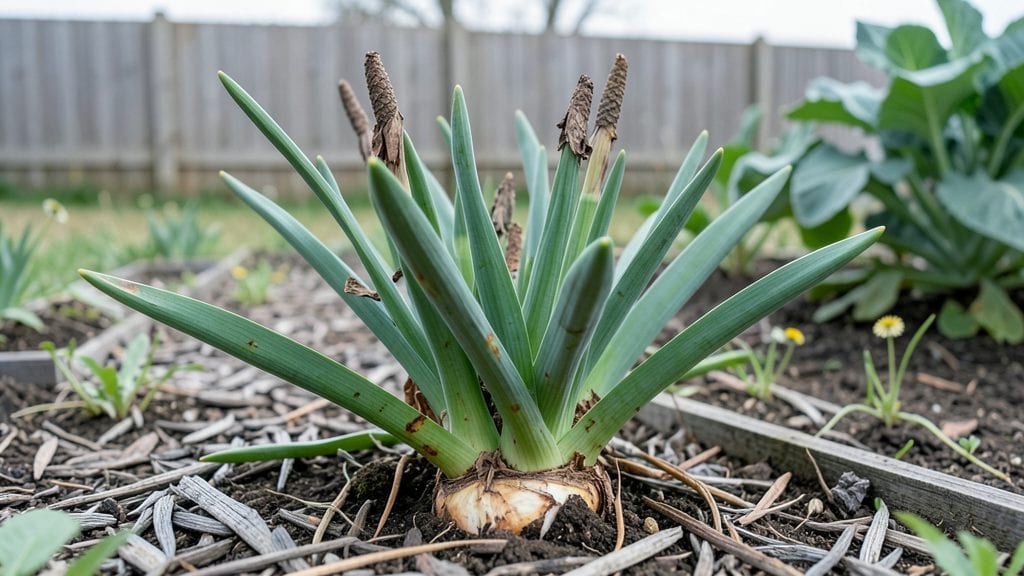
What you do with your hyacinth after flowering can make or break next year’s spectacular display. After those fragrant purple spikes fade, most gardeners make a critical mistake: assuming the bulbs are done.
The truth? They’re just resting. With the right care—deadheading, feeding, and watering adjustments—you’ll coax them back stronger than ever for a repeat performance.
Here’s the deal: once the blooms wilt, snip the stems at the base but leave the leaves alone. Those green blades are powerhouses, feeding the bulb for next season. Cutting them too soon starves your plant.
A balanced fertilizer in early summer gives them the boost they need, while tapering off water as the foliage yellows signals it’s time to rest. Most bulbs thrive when left in the ground, but colder climates benefit from lifting and storing them.
By late summer, you’ll spot fresh shoots pushing through the soil—proof your bulbs are recharging. With proper care, they’ll return with even more vibrant blooms next spring. The key is patience: what looks like dormancy is actually preparation for their grand comeback. Let’s get those bulbs ready for round two.
This method works whether you’re growing in garden beds, containers, or even under trees. The same principles apply—just adjust timing slightly for your climate. Now, let’s dive into the step-by-step process so you don’t miss a beat.
📚 In This Guide
- What you need
- Instructions
- Tips and common mistakes
- Wrapping up and next steps
What you need
- ● Garden gloves – A pair of durable, breathable gloves (e.g., nitrile-coated) to protect your hands from soil and sharp tools.
- ● Hand trowel or small spade – A sturdy, 6–8-inch trowel for digging up bulbs without damaging them.
- ● Pruning shears or sharp scissors – Clean, sterilized tools to trim faded flower stems and foliage.
- ○ Garden fork or bulb digger – Optional but helpful for loosening compacted soil around bulbs.
- ● 5-gallon bucket or mesh bag – To temporarily store bulbs while cleaning and prepping them.
- ● Hose with adjustable nozzle – For gentle rinsing of bulbs to remove old soil.
- ○ Fungicide (optional but recommended) – A mild, bulb-safe fungicide (e.g., copper-based or neem oil solution) to prevent rot.
- ● Well-draining potting mix or garden soil – A blend of 50% garden soil, 30% compost, and 20% perlite/sand for replanting.
- ● New planting location or containers – For in-ground planting: A sunny spot with 6+ hours of light and well-draining soil (amend with compost if needed).
- ● For container gardening: Pots with drainage holes and at least 12-inch depth.
- ● Bulb fertilizer – A balanced, slow-release fertilizer (e.g., 10-10-10) to boost next year’s growth.
- ● Mulch (straw or shredded leaves) – To protect bulbs in winter and retain moisture.
- ● Label markers – To track hyacinth varieties if you have multiple types.
- ● Knee pad or small stool – For comfortable digging in garden beds.
- ● Spray bottle with water – For lightly misting bulbs after replanting.
How to care for hyacinths after they bloom
Here's how to keep your hyacinths thriving year after year with minimal effort.
Let the Flowers Fade Naturally
After blooming, resist the urge to cut the flowers immediately. Allow the blooms to fade and dry out on their own. This process takes about 4-6 weeks and lets the plant redirect energy back into its bulb for next season. You'll know it's ready when the foliage starts turning yellow and the stems become brittle.
I always leave the spent flowers in place until the leaves begin to yellow naturally. This ensures the bulb stores enough nutrients for the following year. If you cut the flowers too soon, the bulb may not have enough energy to produce another strong bloom cycle.
Water the plant lightly during this time, but avoid overwatering. The soil should stay slightly moist but not soggy. You can reduce watering as the leaves start to yellow, but don't let the soil dry out completely. This gradual drying helps the bulb prepare for dormancy.
Stop Watering and Allow Foliage to Die Back
Once the foliage has completely turned yellow and died back, it's time to stop watering entirely. This usually happens 6-8 weeks after the flowers have faded. The dried leaves will eventually wither and fall away on their own. This is a natural process and a sign that the bulb is entering dormancy.
I always wait until the leaves are completely brown and crispy before I take any action. This ensures the bulb has fully absorbed all the nutrients from the foliage. If you remove the leaves too soon, the bulb may not store enough energy for the next blooming season.
During this time, avoid fertilizing the plant. The bulb doesn't need additional nutrients once the foliage has died back. Instead, focus on keeping the soil dry and allowing the bulb to rest. This period of dormancy is crucial for the health of the bulb and ensures strong blooms next season.
Dig Up, Dry, and Store Bulbs for Dormancy
After the foliage has completely died back, carefully dig up the bulbs using a garden fork or trowel. Gently lift them from the soil, making sure not to damage the bulb or its roots. Shake off any excess dirt and let the bulbs air-dry in a cool, dry place for about 1-2 weeks. This drying process helps prevent rot during storage.
I like to place the bulbs in a mesh bag or a cardboard box with good airflow. This allows them to dry thoroughly while keeping them organized. Store the bulbs in a dark, cool place with temperatures between 40-50°F. A basement or garage works well for this purpose.
Check the bulbs occasionally to ensure they're not developing mold or soft spots. If you notice any signs of rot, remove the affected bulb immediately. Properly stored bulbs can last for several years, producing beautiful blooms each spring if cared for correctly.
Replant Bulbs in Fall for Next Season
In the fall, about 6-8 weeks before your first frost, it's time to replant the bulbs. Choose a location with well-draining soil and plenty of sunlight. Dig a hole about 6-8 inches deep and place the bulb in with the pointed end facing upward. Cover the bulb with soil and water it lightly to help it settle.
I always add a layer of mulch around the base of the plant to help retain moisture and protect the bulb from temperature fluctuations. This is especially important in areas with cold winters. Planting the bulbs at the right time ensures they have enough time to establish roots before the ground freezes.
After replanting, water the bulbs lightly once a month until the ground freezes. Avoid overwatering, as this can lead to rot. With proper care, your hyacinths will bloom beautifully next spring, filling your garden with their fragrant flowers once again.
Tips & tricks for reviving hyacinths after blooming
These simple strategies will help you extend your hyacinths' life and ensure spectacular blooms next season with minimal effort.
Patience Pays Off: In Step 1, when letting blooms fade naturally, resist the temptation to cut them too soon. The 4-6 week period is crucial for nutrient absorption. I've seen bulbs fail to rebloom when cut prematurely—wait until the foliage turns yellow and stems become brittle before taking action. This gradual process lets the bulb store energy for next year's flowers.
Visual Cues for Dormancy: For Step 2, don't rely solely on the 6-8 week timeline—watch for visual signs instead. When leaves turn completely brown and crispy, that's your cue to stop watering. I test this by gently tugging on the dried leaves; if they easily separate from the bulb, it's ready for dormancy. This natural signal is more reliable than counting weeks.
Storage Secrets: When storing bulbs in Step 3, I recommend placing them in a mesh bag rather than a sealed container. The 1-2 week drying period is critical—bulbs stored too moist will develop mold. Check periodically for any soft spots, which indicate rot. A dark, cool spot between 40-50°F, like a basement, preserves them perfectly for years.
Fall Planting Timing: For Step 4, the 6-8 week window before frost is your target, but local conditions matter. In colder climates, plant earlier; in milder areas, you might extend this slightly. I always check my local frost date and adjust accordingly. The key is ensuring roots establish before winter—this makes all the difference for next spring's blooms.
Pro Tips for Hyacinth After Flowering
- These simple strategies will help you extend your hyacinths' life and ensure spectacular blooms next season with minimal effort.
- Patience Pays Off: In Step 1, when letting blooms fade naturally, resist the temptation to cut them too soon.
- Visual Cues for Dormancy: For Step 2, don't rely solely on the 6-8 week timeline—watch for visual signs instead.
Frequently asked questions
Got questions about caring for your hyacinths after they’ve bloomed? You’re not alone! Here are some of the most common concerns—and straightforward answers—to help you keep your plants thriving for next season.
What should I do with hyacinth bulbs after the flowers fade?
Once your hyacinth’s blooms wilt, don’t cut the foliage—leave it until it turns yellow and dies back naturally (about 6–8 weeks). This process lets the bulb store energy for next year’s flowers. If you’re replanting, wait until the leaves are fully brown before digging them up.
Can I replant hyacinth bulbs right after flowering?
Nope! Replanting too soon stresses the bulb. Wait until the foliage yellows and dies back completely (late summer or early fall). If you replant early, the bulb may not bloom next year—or could rot. Patience pays off for vibrant returns!
How do I know if my hyacinth bulbs are still viable for replanting?
Healthy bulbs feel firm and plump, with no soft spots or mold. If they’re shriveled, mushy, or smell bad, they’ve likely rotted and should be discarded. Store viable bulbs in a cool, dry place (like a mesh bag) until replanting season.
What if my hyacinths don’t rebloom after replanting?
Several factors could be at play: insufficient sunlight (they need 6+ hours/day), overcrowded bulbs, or poor soil drainage. Try dividing bulbs every 3–5 years, fertilizing lightly in early spring, and ensuring well-draining soil.
Are there alternatives to replanting hyacinth bulbs each year?
Yes! If you’re short on space, try growing hyacinths in containers with well-draining soil. After flowering, let them rest in a cool, dark place (like a garage) for 6–8 weeks, then move them back to sunlight. Just remember: container-grown bulbs may need more frequent dividing.
Wrapping up and next steps
Caring for your hyacinth after flowering doesn’t have to be complicated—just follow these simple steps to ensure a vibrant comeback next season! Whether you’re deadheading, fertilizing, or replanting bulbs, each action keeps your garden thriving.
With patience and attention, your hyacinths will reward you with even more stunning blooms in the future. 🌱
Ready to take the next step? Mark your calendar for late summer or early fall—when the leaves start yellowing—to dig, divide, and replant your bulbs. Your future self (and your garden!) will thank you. 💪