
Container Gardens
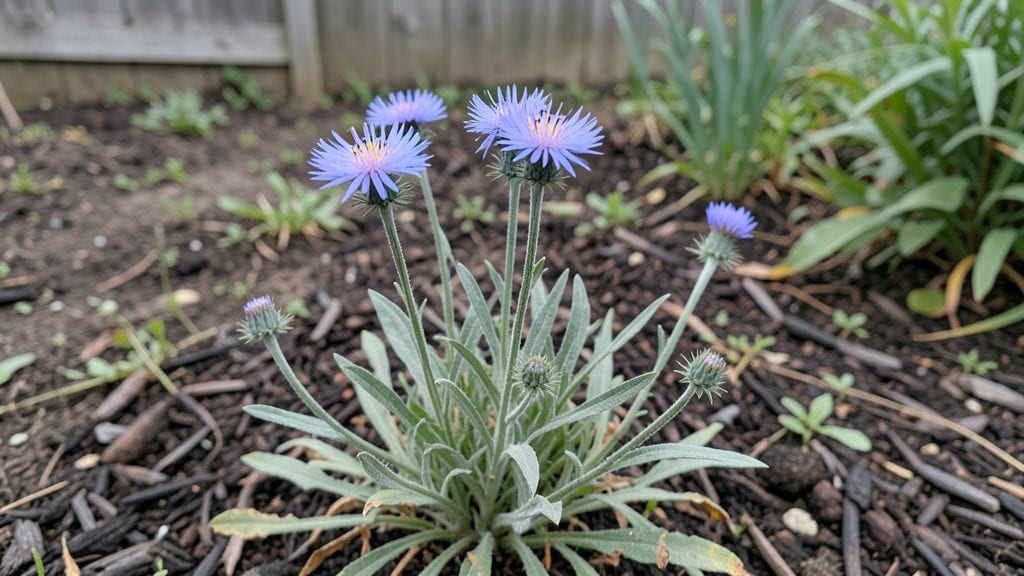
Growing cornflowers in pots unlocks those sky-blue blooms right on your patio or balcony—no yard required. 🌸 I’ve watched these cheerful flowers transform simple containers into eye-catching displays, and the secret lies in the right pot, soil, and a little sunlight magic.
Most people assume they need a big garden, but cornflowers thrive in 5-7 gallon pots with just the right drainage and a sunny spot.
The beauty of container cornflowers is how forgiving they are. You don’t need fancy soil—just a mix that drains well and stays loose. Water when the top inch feels dry, and watch as those tall stems shoot up with bold blue blooms that last all summer.
Even in small spaces, they’ll outshine anything from a store-bought bouquet.
They’re also surprisingly low-maintenance: no fussing with pests, no wilting from overwatering, and they self-seed like crazy if you let them. Pair them with lavender or marigolds for a fragrant, long-lasting display that keeps your patio looking fresh all season.
Whether you’re a balcony gardener or just love bold colors, these flowers make container gardening feel like a win. Let’s get those pots planted—your blue blooms are waiting!
📚 In This Guide
- What you need
- Instructions
- Tips and common mistakes
- Wrapping up and next steps
What you need
- ● Cornflower seeds (Centaurea cyanus): Choose a variety like 'Black Ball' or 'Blue Boy' for bold color. Quantity: 5-10 seeds per pot (or 1 packet for multiple pots).
- ● Well-draining potting mix: A high-quality, lightweight blend (e.g., 50% peat moss, 30% perlite, 20% compost). Quantity: 1-2 gallons per 10-12" pot.
- ● Containers: Pots with drainage holes, 10-12" in diameter (or larger for multiple plants). Material: Terracotta, ceramic, or fabric grow bags.
- ● Slow-release fertilizer: 5-10-5 or 10-10-10 NPK ratio. Quantity: 1 tbsp per pot.
- ● Watering can or hose with a gentle spray nozzle (for even moisture).
- ● Garden trowel or small shovel (for transplanting seedlings).
- ● Glove (to protect hands from prickly stems).
- ○ Mulch (optional): Straw or shredded bark to retain moisture (1 inch layer).
- ○ Stakes or plant supports (optional): For taller varieties (e.g., 'Black Ball').
- ○ Decorative gravel or pebbles (optional): For a polished container look.
How to grow stunning cornflowers in containers
Here's my foolproof method for coaxing those iconic blue blooms into pots—no garden bed required.
🪴 Step 1: Choose the Right Containers and Drainage
Cornflowers need room to grow, so select containers that are at least 12 inches deep and 10 inches wide for each plant. I prefer terracotta pots because they breathe and prevent root rot, but any well-draining container works. Make sure each has multiple drainage holes—cornflowers hate soggy roots.
If your pots don’t have drainage, drill ¼-inch holes in the bottom and cover them with a piece of mesh or broken pottery to keep soil in place. The key is fast-draining soil—cornflowers are drought-tolerant once established, but they won’t forgive waterlogged roots.
🌱 Step 2: Prepare Light, Well-Draining Soil Mix
Fill your containers with a 50/50 blend of premium potting mix and perlite or coarse sand. Cornflowers prefer lean soil—too much richness leads to lush foliage but fewer blooms. I like to add a handful of sand to improve drainage further, especially in clay-heavy mixes.
Moisten the mix until it’s evenly damp but not wet, then press it lightly into the pot. Leave about 1 inch of space between the soil surface and the rim for watering. This prevents spills and keeps roots from baking in direct sun.
☀️ Step 3: Plant Seeds at the Right Depth and Spacing
Cornflower seeds are tiny but hardy—sow them ¼ inch deep and 6 inches apart in the pot. For a fuller look, plant 3-4 seeds per 12-inch container, then thin to the strongest seedling once they sprout. I tap the seeds gently into place with a toothpick to avoid burying them too deep.
Place the pots in a spot with full sun (6+ hours daily)—cornflowers need bright light to produce their signature blue blooms. If you’re growing in partial shade, expect fewer flowers and leggier stems. Water gently after planting to settle the soil around the seeds.
💧 Step 4: Water and Care for Germination and Growth
Keep the soil consistently moist but never soggy during germination, which takes 7-14 days. Once seedlings emerge, let the top 1 inch of soil dry out between waterings. Overwatering at this stage is the fastest way to invite damping-off disease, which will rot stems at the base.
Fertilize lightly once seedlings have 2-3 true leaves with a balanced, water-soluble fertilizer (like 10-10-10) diluted to half strength. Cornflowers are light feeders—too much fertilizer results in weak stems and fewer blooms. I fertilize again when buds form, but that’s it.
✂️ Step 5: Deadhead and Maintain for Continuous Blooms
Here’s the secret to long-lasting blooms: deadhead spent flowers by snipping them off at the base with clean scissors. This encourages the plant to produce more buds instead of setting seed. I do this every 2-3 days during peak bloom to keep the plant tidy and flowering.
Cornflowers are drought-tolerant once established, but they’ll reward you with bold blue blooms all season if you keep them in full sun and deadhead regularly. If leaves yellow, it’s usually a sign of overwatering—let the soil dry out more between waterings.
Tips & tricks for perfect cornflower containers
Here's what I've learned after growing cornflowers in pots for years—the little details that make all the difference.
Container Material Matters: While terracotta is ideal, fiberglass or plastic containers work too—just ensure they have drainage. I've found that dark-colored pots absorb more heat, which can dry soil faster. If using plastic, place a layer of gravel at the bottom to prevent root rot from excess moisture buining up against the sides.
Soil Mix Precision: That 50/50 blend is non-negotiable for cornflowers. Too much potting mix without perlite or sand leads to compacted soil that suffocates roots. I like to sift the mix before adding it to pots to eliminate any large clumps that could create air pockets where seeds might not make contact with soil.
Germination Environment: The 7-14 day germination window can stretch if your space is too cool. Place pots in a warm spot (around 70°F) during this time—near a sunny window or under grow lights. A clear plastic bag loosely draped over the pot creates a mini greenhouse effect that speeds up germination without overheating the soil.
Deadheading Discipline: Those 2-3 days between deadheadings are crucial for continuous blooms. I set a reminder on my phone for peak bloom season to avoid skipping this step. Use clean scissors to snip stems at the base rather than pulling—this prevents damaging the plant and encourages new buds to form from lower nodes.
Pro Tips for Cornflowers In Pots
- Here's what I've learned after growing cornflowers in pots for years—the little details that make all the difference.
- Container Material Matters: While terracotta is ideal, fiberglass or plastic containers work too—just ensure they have drainage.
- Soil Mix Precision: That 50/50 blend is non-negotiable for cornflowers.
Frequently asked questions
Got questions about growing cornflowers in pots? You’re not alone! Here are answers to the most common queries—from planting tips to troubleshooting—to help your container garden shine with those stunning blue blooms.
Can cornflowers grow well in small pots?
Yes! Cornflowers thrive in containers as long as the pot has drainage holes and is at least 6–8 inches deep. They’re lightweight and don’t need deep roots, making them perfect for small pots, window boxes, or even hanging baskets. Just ensure they get full sun (6+ hours/day) and well-draining soil.
When is the best time to plant cornflowers in pots?
For spring blooms, sow seeds indoors 6–8 weeks before your last frost or directly outdoors after frost danger passes (early spring). For fall color, plant seeds in late summer (8–10 weeks before first frost). Cornflowers are annuals, so they’ll self-seed if left to go dormant.
What if my cornflower pots look leggy or sparse?
Leggy or sparse growth usually means too little light or overcrowding. Move pots to a sunnier spot (cornflowers need full sun!) and thin seedlings to 12–18 inches apart. If soil is soggy, improve drainage by adding perlite or sand. Deadheading spent blooms also encourages bushier growth!
Are there alternatives to traditional cornflowers for pots?
Try these blue-hued container-friendly flowers:
- Bachelor’s Buttons (Centaurea cyanus) – Classic cornflower lookalike, drought-tolerant.
- Lavender (Lavandula) – Fragrant, low-maintenance, and loves pots.
- Salvia (Salvia nemorosa) – Tall spikes of blue-purple blooms, great for vertical pots.
- Agastache (Hyssop) – Drought-resistant with vibrant blue flowers.
Why aren’t my cornflower seeds germinating?
Cornflower seeds need light to germinate—don’t bury them! Sprinkle them on top of soil (lightly press in) and keep the soil moist but not soggy. Ideal temps are 60–70°F. If seeds won’t sprout after 2–3 weeks, try stratifying them (chill in the fridge for 1–2 weeks) or test freshness—old seeds may need replacing.
Wrapping up and next steps
Cornflowers in pots are a stunning, low-maintenance way to bring bold blue beauty to your balcony, patio, or windowsill! 🌸 With the right soil, sunlight, and occasional care, these cheerful blooms will reward you with vibrant color all season long.
Whether you’re a gardening newbie or a seasoned pro, their resilience makes them the perfect addition to any container garden.
Ready to level up your space? Grab a pot, pick your favorite variety, and get planting—your garden (and your neighbors!) will thank you. Next up: Share your cornflower creations on social media with #CornflowersInPots for a chance to inspire others!