
Flowers
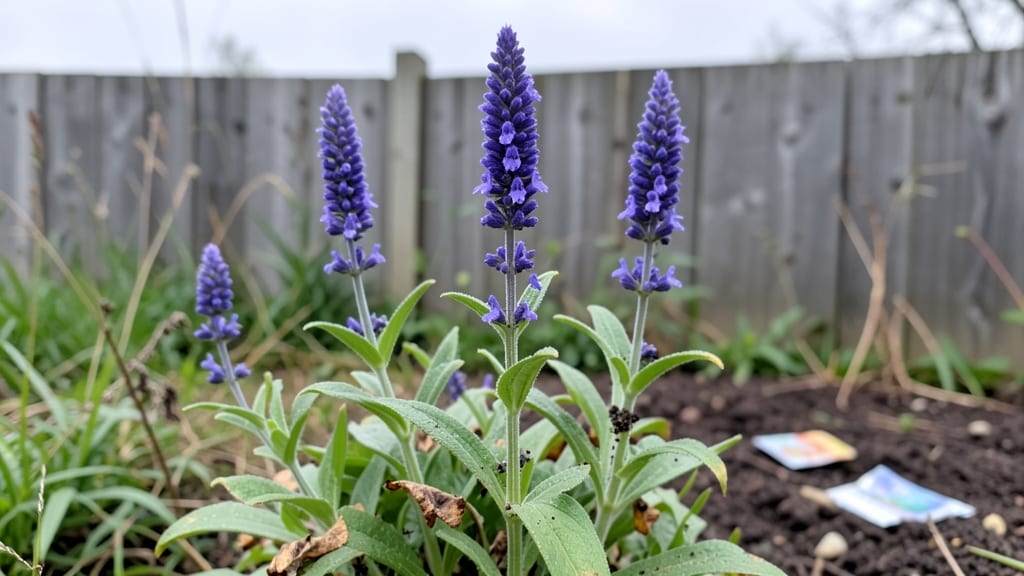
Those striking blue blooms you’ve spotted might just grow from a packet of veronica flower seeds—here’s how to coax them into summer’s showstopper.
They’re hiding in tiny packets of veronica flower seeds—waiting for you to unlock their potential. 🌱 I’ve grown veronica from seed for years, and the secret isn’t complicated: patience, the right timing, and a little extra care during those first few weeks. The payoff?
Clusters of vibrant blue, purple, or white flowers that hum with pollinators all season long.
Starting veronica from seed takes just 3 supplies: a seed-starting tray, high-quality seed mix, and a sunny windowsill or grow light. The real trick is timing—sow indoors 8-10 weeks before your last frost, or directly in the garden after soil warms to 50°F.
Seeds germinate best in consistent moisture and indirect light, so keep them cozy under plastic wrap until sprouts appear (usually 10-14 days).
Once seedlings have 2-3 true leaves, they’re ready for their first transplant into larger pots. Harden them off for a week before moving outdoors, and space them 12-18 inches apart in well-draining soil.
Veronica thrives in full sun to partial shade and handles drought better than many flowers, making it a low-maintenance star for borders, containers, or wildflower meadows.
Here’s the best part: veronica self-seeds easily, so you’ll get free blooms for years to come. Just snip spent flowers to encourage bushier growth, and watch your garden fill with butterfly magnets that keep coming back stronger every season. Ready to grow your own?
📚 In This Guide
- What you need
- Instructions
- Tips and common mistakes
- Wrapping up and next steps
What you need
- ● Veronica flower seeds (choose from varieties like Veronica spicata or Veronica incana—start with 1–2 packets for a small garden or 5+ packets for larger beds).
- ● Seed-starting soil mix (sterilized, well-draining blend; 1–2 gallons per tray or pot). Pro tip: Mix in perlite or vermiculite (10–20%) for aeration!
- ● Containers: Seed trays with cells (for indoor starting, 50+ cells if sowing densely).
- ● OR biodegradable pots (2–3 inch diameter, 10–20 units).
- ● OR outdoor seedbed (if direct-sowing; 12–18 inches wide, 6–12 inches deep).
- ● Grow lights or sunny windowsill (for indoor starts; 12–16 hours/day of light).
- ● Misting bottle or spray nozzle (to keep soil moist without oversaturating).
- ● Plant labels & markers (to track varieties and planting dates!).
- ● Heating mat (for faster germination; 70–75°F range).
- ● Fertilizer: Balanced liquid fertilizer (5-10-5 or 10-10-10, diluted to ½ strength).
- ● OR slow-release granules (1 tbsp per gallon of soil).
- ● Insect netting (to protect seedlings from pests like aphids or cabbage moths).
- ● Garden twine & stakes (for taller varieties like Veronica spicata, which can reach 18–24 inches).
- ● Compost or aged manure (to enrich soil before transplanting).
- ● Climate: Veronica seeds thrive in USDA Zones 3–9. Start indoors 8–10 weeks before your last frost date.
- ● Sunlight: Full sun to partial shade (6+ hours of sunlight daily for best blooms).
- ● Soil pH: 6.0–7.5 (slightly acidic to neutral). Test your soil or amend with lime (to raise pH) or sulfur (to lower pH).
- ● Water access: Consistent moisture (but avoid waterlogged soil—veronica hates soggy roots!).
Step-by-Step guide to growing Veronica flower seeds indoors
Here's how to coax vibrant blue blooms from delicate Veronica seeds—no green thumb required.
🌱 Step 1: Prepare Your Seed-Starting Mix and Containers
Fill small seed trays or individual pots with a light, sterile seed-starting mix. Veronica seeds need airy soil to prevent damping-off, so avoid garden soil—it's too dense. I like to mix the seed-starting mix with a handful of perlite to improve drainage and prevent waterlogging.
Moisten the mix until it's damp like a wrung-out sponge, not soggy. Press it down gently to remove air pockets but don't compact it—Veronica seedlings need loose soil to push through easily. A shallow tray with drainage holes works best, as Veronica roots are delicate and hate sitting in water.
💧 Step 2: Sow Seeds at the Right Depth and Temperature
Scatter seeds thinly across the soil surface—Veronica seeds are tiny, so I use a toothpick to space them about ¼ inch apart. Don't cover them with soil; instead, press them lightly into the surface. Veronica seeds need light to germinate, so covering them would delay sprouting.
Place the tray in a warm spot, ideally between 65-75°F. A seedling heat mat speeds up germination, but even a sunny windowsill works. Keep the soil consistently moist by misting lightly daily—never let it dry out, but avoid soaking it. You'll see tiny sprouts in 10-14 days if conditions are right.
☀️ Step 3: Provide Gentle Light and Prevent Leggy Growth
Once seedlings emerge, move them to bright, indirect light immediately. Veronica seedlings stretch toward light quickly, so I use a grow light positioned 4-6 inches above the plants for 12-14 hours daily. If using natural light, a south-facing window works, but watch for leggy growth—thin, pale stems mean the light is too weak.
Rotate the tray daily so seedlings grow straight, not leaning. When they develop 2-3 true leaves (the second set after the initial seed leaves), thin them to 3 inches apart to reduce competition. This ensures stronger plants with more blooms later.
🪴 Step 4: Harden Off and Transplant for Outdoor Success
Two weeks before your last frost date, start hardening off seedlings by placing them outside in a sheltered spot for 1-2 hours the first day. Gradually increase time over 7-10 days, ending with a full day outdoors. Veronica thrives in full sun to partial shade, so choose a spot with morning sun and afternoon shade if summers are hot.
Transplant seedlings into the garden when soil is 60°F or warmer and nighttime temperatures stay above 50°F. Space them 12-18 inches apart in well-draining soil. Water deeply at the base to encourage root growth, and mulch with 1-2 inches of organic mulch to retain moisture and suppress weeds.
Tips & tricks for perfect Veronica flower seedlings
Common pitfalls—and how to sidestep every one—when growing these delicate blue bloomers from seed.
Soil Preparation Secret: In Step 1, don't skip the perlite—it's not optional! Mixing 1 part perlite to 4 parts seed-starting mix creates the perfect airy texture Veronica roots crave. I've tried without it, and seedlings always struggle to push through denser soil. The goal is a mix that crumbles easily between your fingers, like a sponge that's been lightly squeezed. This prevents damping-off, a fungal disease that turns tiny sprouts to mush overnight.
Lighting Technique: For Step 3, when using natural light, position your seedlings within 6 inches of the glass—closer than you might think. I learned this the hard way after watching seedlings stretch toward a window from across the room. The key is indirect light, so angle the tray slightly away from direct sun to prevent scorching. If you notice stems elongating (a sign of legginess), immediately increase light exposure by moving closer to the window or turning on your grow light for 14 hours daily.
Germination Timing: That 10-14 day window for sprouts in Step 2 assumes consistent warmth. If your kitchen hovers around 65°F, you'll likely see sprouts on day 12. But if it's cooler (below 60°F), germination can stretch to 3 weeks. The trick is patience—don't disturb the soil while waiting. I cover my trays with clear plastic wrap (with tiny holes poked in it) to create a mini greenhouse effect, which can shave off 2-3 days from germination time.
Transplanting Strategy: When hardening off in Step 4, start with 1 hour on day one—not the full 1-2 hours range. This gradual approach prevents shock. Veronica seedlings are particularly sensitive to temperature swings. I've found that moving them to a sheltered porch or under a tree provides ideal protection from wind while still letting them acclimate to outdoor conditions. The goal is to have them ready for transplant when soil reaches 60°F—any cooler, and their delicate roots won't establish properly.
Pro Tips for Veronica Flower Seeds
- Common pitfalls—and how to sidestep every one—when growing these delicate blue bloomers from seed.
- Soil Preparation Secret: In Step 1, don't skip the perlite—it's not optional!
- Lighting Technique: For Step 3, when using natural light, position your seedlings within 6 inches of the glass—closer than you might think.
Frequently asked questions
Got questions about growing veronica flower seeds? You’re not alone! Here are answers to the most common queries to help you cultivate those stunning blue blooms with confidence.
How long does it take for veronica flower seeds to germinate?
Most Veronica seeds sprout within 14–21 days when kept in warm (65–75°F), moist soil. For faster results, pre-soak seeds for 24 hours or use a seedling heat mat. Patience is key—some varieties may take up to 30 days, especially in cooler conditions.
When is the best time to plant veronica flower seeds indoors vs. outdoors?
Start seeds indoors 8–10 weeks before your last frost date (typically February–March in most climates) for early blooms. Transplant seedlings outdoors after the soil warms (when night temps stay above 50°F). For direct sowing, wait until spring or early fall—veronica hates frost!
Why aren’t my veronica seeds sprouting? Troubleshooting tips
Check these common issues:
- Too cold/damp: Seeds need warmth (use a heat mat) and consistent moisture (not soggy).
- Old seeds: Veronica seeds lose viability after 1–2 years. Test freshness by soaking in water—sinkers are viable.
- Light issues: Seeds need light to germinate. Place trays near a sunny window or under grow lights.
Can I grow veronica flowers from store-bought plants instead of seeds?
Many gardeners buy young veronica plants (like Veronica spicata) from nurseries for instant color. Look for healthy stems and buds. Just plant in well-draining soil, water lightly, and enjoy blooms in 6–8 weeks. Pro tip: Deadhead spent flowers to encourage more blooms!
Are veronica flowers annual or perennial?
It depends! Hardy perennials (like Veronica officinalis) return yearly in zones 4–9, while annual varieties (e.g., Veronica incana) complete their lifecycle in one season. Check your seed packet—perennials may need winter mulch to survive frost.
Wrapping up and next steps
Growing veronica flower seeds is a rewarding journey that brings vibrant blue blooms to your garden with minimal effort! Whether you’re a beginner or a seasoned gardener, these hardy plants thrive in diverse conditions—just remember to keep them well-drained, watered, and in partial shade.
The key takeaway? Patience and a little care turn tiny seeds into a stunning floral display.
Now that you’re armed with tips and answers, why not take the next step? Grab those veronica flower seeds, find a sunny spot, and let nature work its magic! 🌱✨ Happy gardening—your future blooms are waiting!