
Blooming
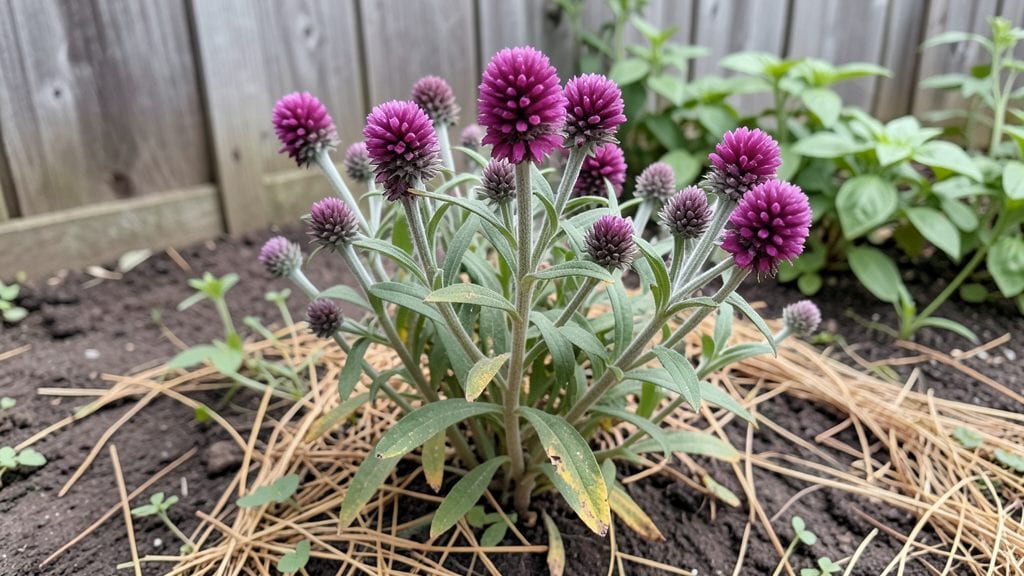
The flower season for gomphrena arrives with summer’s heat—those bold purple pom-poms refuse to wilt under the sun. 🌿 I’ve grown them in Zones 8-11, and they reward patience with nonstop color from July through frost, outlasting many annuals.
The secret? Planting them after your last frost when soil warms to 65°F—they hate cold feet.
These heat-loving flowers thrive in full sun (6+ hours daily) and well-draining soil, making them perfect for containers or dry garden spots. Unlike finicky blooms, gomphrena handles neglect—water only when soil is bone-dry, and they’ll keep flowering.
My purple ‘Fireworks’ series even attracts butterflies while repelling pests naturally.
By midsummer, you’ll have clusters of papery blooms that last weeks after cutting. Deadhead spent flowers to encourage more buds, and watch them rebloom until fall. The best part? They self-seed for next year’s garden—just let a few stalks stand tall.
For cooler zones (5-7), start seeds indoors 6-8 weeks before last frost or wait until May for direct sowing. Gomphrena’s drought tolerance makes it a foolproof choice for hot, sunny spots where other plants struggle. Ready to add some long-lasting color to your summer garden?
📚 In This Guide
- What you need
- Instructions
- Tips and common mistakes
- Wrapping up and next steps
What you need
- ● Gomphrena seeds: Choose heirloom or hybrid varieties (e.g., 'Fireworks,' 'Globemaster,' or 'Prosperity'). Start with 50–100 seeds for a small garden or 200+ seeds for a full-season display.
- ● Well-draining potting mix: 1–2 bags (5–10 gallons) of a lightweight, sandy loam blend (avoid heavy clay). Mix in perlite or vermiculite (1 part per 4 parts soil) for aeration.
- ● Containers or garden space: Containers: 5–7-inch pots (1 per plant) or hanging baskets (12+ inches wide) with drainage holes.
- ● Garden beds: Full sun (6+ hours/day) and 6–12 inches of spacing between plants.
- ● Slow-release fertilizer: 1–2 tbsp (5–10g) of balanced 10-10-10 or 5-10-5 granules per plant at planting time.
- ● Hand trowel or transplanting tool (for seedling transfer).
- ● Spray bottle (for gentle watering during germination).
- ● Pruning shears (to deadhead spent blooms and encourage regrowth).
- ● Mulch (straw or shredded bark) (to retain moisture and suppress weeds).
- ○ Epsom salt (optional): 1 tsp per gallon of water (monthly for extra magnesium if leaves yellow).
- ○ Decorative stakes or trellis (optional): For taller varieties like 'Chocolate Soldier' to add height to arrangements.
How to extend gomphrena's vibrant summer bloom season
Here's how to coax these heat-loving beauties into lasting displays.
☀️ Step 1: Select the Right Varieties for Your Climate
Gomphrena thrives in USDA Zones 7-11, but even cooler climates can enjoy it as an annual. Choose compact varieties like 'Fireworks' for borders or 'Globo' for mass plantings—both produce those signature bold purple pom-pom blooms that last all summer. I always opt for disease-resistant strains since gomphrena's thick stems naturally deter pests, but resistant varieties handle humidity better.
Check your last frost date and start seeds 6-8 weeks before for transplants. If you're in Zone 7 or cooler, treat gomphrena as an annual—it self-seeds readily, so you'll likely get volunteers next year. For Zones 8-11, it may overwinter with protection, but I've found it's better to replant fresh each spring for peak color.
🌱 Step 2: Plant in Full Sun with Well-Draining Soil
Gomphrena demands 6-8 hours of direct sun daily—any less and you'll get sparse, leggy stems. Amend your soil with 2-3 inches of compost before planting to improve drainage, since gomphrena hates soggy roots. The ideal planting spot has loamy, slightly sandy soil that warms quickly in spring.
Space plants 12-18 inches apart for compact varieties or 24 inches apart for taller types like 'Chocolate Soldier'. I plant mine in raised beds to prevent waterlogging, especially in heavy clay soils. The key is dry, hot conditions—this is why it thrives in summer heat while many flowers wilt.
💧 Step 3: Water Deeply but Infrequently
Once established, gomphrena is drought-tolerant, but young plants need consistent moisture for the first 2-3 weeks. Water deeply at the base (about 1 inch per week) rather than frequent shallow waterings. Wet foliage encourages fungal issues, so always water early in the day to allow leaves to dry.
Here's the trick: Let the top inch of soil dry out between waterings. You'll know it's time when the soil feels dry to touch 1 inch down. Overwatering causes the stems to weaken, leading to flopping—something I've seen too often in humid summers. Mulch with 1-2 inches of straw to retain moisture and suppress weeds.
✂️ Step 4: Deadhead and Prune for Continuous Blooms
To keep gomphrena flowering until first frost, deadhead spent blooms weekly. Simply pinch off the faded pom-poms at the base with your fingers—no need for shears. This encourages the plant to produce new buds instead of setting seed.
For bushier growth, trim back leggy stems by one-third in mid-summer. I always do this after a heavy rain when the plants are turgid. Avoid cutting into woody stems, as gomphrena doesn't regenerate well from old growth. The result? A fuller plant with nonstop blooms from June through September.
🌿 Step 5: Protect from Late-Season Challenges
As temperatures drop below 50°F, gomphrena's growth slows. To extend the season, cover plants with frost cloth on cool nights (below 45°F). I've kept mine blooming until October in Zone 7 with this simple protection. Harvest seeds from dried blooms in fall—save them for next year's garden.
If you're in a hot climate, gomphrena may bolt in late summer. To prevent this, provide afternoon shade during peak heat waves. The plant will rebound once temperatures cool slightly. With these adjustments, you'll enjoy those bold purple blooms long after other summer flowers have faded.
Tips & tricks for perfect gomphrena blooms
Took me years to master these heat-loving beauties—here's what nobody tells you about keeping gomphrena flowering all summer.
Variety Matters: The 6-8 weeks before your last frost date is critical for seed starting. I've found that 'Fireworks' varieties produce more vibrant blooms when started indoors under grow lights rather than direct sunlight—this gives them a head start before transplanting. For cooler climates, don't be tempted to rush planting; gomphrena needs warm soil to thrive, so wait until nighttime temperatures consistently stay above 55°F.
Sunlight Strategy: Gomphrena's love for full sun (6-8 hours daily) is non-negotiable, but here's the trick: if you're in a high-humidity zone, provide afternoon shade during peak heat (above 90°F) to prevent bolting. I use shade cloth on my trellis garden during July-August—this simple adjustment keeps my plants flowering until first frost instead of bolting prematurely.
Watering Wisdom: The "let the top inch dry" rule is golden, but timing matters more than you think. I water my gomphrena between 6-8 AM when temperatures are cooler, which prevents fungal issues that plague afternoon watering. For container plants, I've found they need watering every 3-4 days in summer heat, while in-ground plants go 5-7 days between waterings once established.
Pruning Precision: That one-third trim in mid-summer might seem drastic, but timing is everything. I always do this after a heavy rain when stems are naturally turgid—this minimizes stress on the plant. For bushier growth, focus your pruning on the leggiest stems rather than randomly trimming. The key is to cut just above a leaf node where new growth can emerge.
Pro Tips for Gomphrena Flower Season
- Took me years to master these heat-loving beauties—here's what nobody tells you about keeping gomphrena flowering all summer.
- Variety Matters: The 6-8 weeks before your last frost date is critical for seed starting.
- Sunlight Strategy: Gomphrena's love for full sun (6-8 hours daily) is non-negotiable, but here's the trick: if you're in a high-humidity zone, provide afternoon shade during peak heat (above 90°F) to prevent bolting.
Frequently asked questions
When is the best gomphrena flower season?
The prime gomphrena flower season is late spring through early fall (May–October in most U.S. zones). In warmer climates (zones 9–11), they bloom year-round! Plant seeds after the last frost for vibrant, heat-loving blooms that last until frost.
Can gomphrena grow in pots or containers?
Gomphrena thrives in containers 6+ inches deep with drainage holes. Use well-draining potting mix and place pots in full sun. Just ensure pots get watered regularly—container-grown gomphrena dries out faster than in-ground plants.
How often should I water gomphrena?
Water gomphrena once a week (or when soil feels dry 1–2 inches deep). Overwatering causes root rot, but these drought-tolerant blooms prefer underwatering to soggy soil. Mulch around plants to retain moisture and reduce evaporation.
What if my gomphrena flowers aren’t opening?
Lack of blooms often means too much shade or over-fertilizing. Ensure plants get 6+ hours of direct sun daily and use a low-phosphorus fertilizer (like 5-10-5) to encourage flowers over foliage. Deadhead spent blooms to prompt new growth!
Are there gomphrena varieties besides purple?
Yes! While purple is classic, gomphrena comes in pink, red, white, and even green varieties. Try ‘Fireworks’ (mixed colors) or ‘Pink Flamingo’ for a pop of contrast. Check seed packets for color options—some blends include two-tone blooms!
Wrapping up and next steps
The gomphrena flower season is your chance to embrace vibrant, heat-loving blooms that bring effortless charm to gardens and containers. These bold purple beauties thrive in summer’s warmth, offering low-maintenance color that’s perfect for sunny spaces.
Whether you’re a seasoned gardener or a beginner, gomphrena’s resilience and striking hues make it a must-have for summer flair!
Ready to dive in? Start planning your gomphrena display today—pick your favorite varieties, prep your soil, and let these cheerful blooms steal the show! 🌸✨