
Flowers
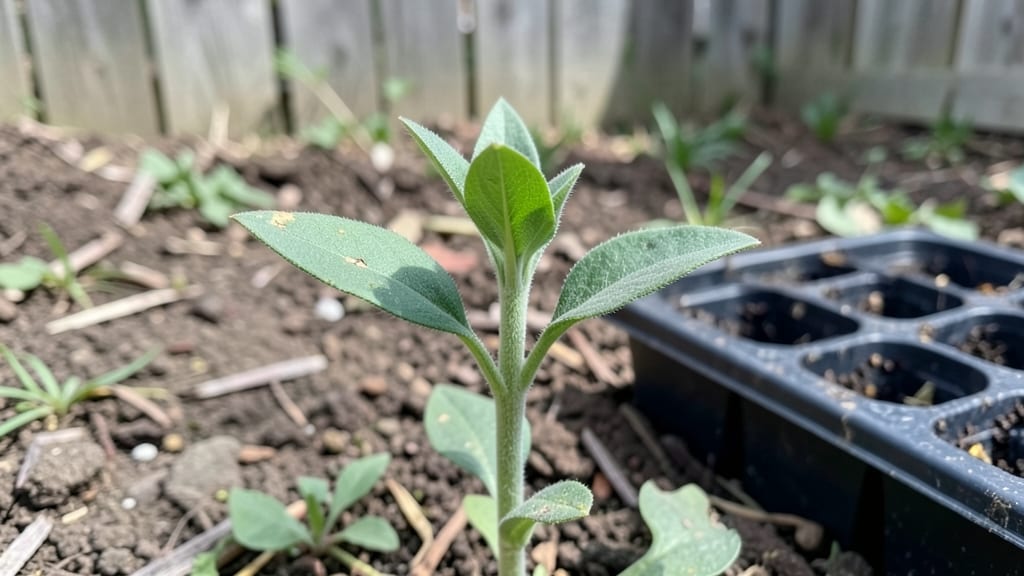
Finding cheap flower seeds that still deliver jaw-dropping blooms is easier than you think—my first year, I spent $15 on seeds and ended up with a border that made neighbors ask for cuttings.
The trick isn’t sacrificing quality; it’s knowing where to look and which varieties pack the biggest punch for your dollar.
Start with seed swaps, local farm markets, or online bulk deals—places like Baker Creek Heirloom Seeds often have sales that cut costs by half. Heirloom varieties like marigolds, zinnias, and sunflowers cost pennies per seed but thrive like $5 hybrids.
Even my black thumb can’t kill these, and they bloom nonstop from early summer until frost.
You’ll end up with vibrant borders that look like they cost a fortune, but the real magic is in the savings. A packet of 100 sunflower seeds might cost $2, but it grows into a 6-foot-tall pollinator magnet that feeds your family for months.
The best part? These flowers self-seed, so next year’s garden grows itself.
Whether you’re working with a shoestring budget or just want to try before you buy, these seeds prove you don’t need to spend big to get beautiful. Let’s get those petals growing without breaking the bank—here’s how to make every penny count.
📚 In This Guide
- What you need
- Instructions
- Tips and common mistakes
- Wrapping up and next steps
What you need
- ● Cheap flower seeds: Choose budget-friendly varieties like marigolds, sunflowers, zinnias, or cosmos (start with 1-2 seed packets to test the waters!).
- ● Seed-starting containers: Small pots (4–6 inches deep, 2–4 per seed type)
- ● OR biodegradable seed pods (eco-friendly and cost-effective!)
- ● OR repurposed containers (yogurt cups, egg cartons, or old trays).
- ● Potting mix: A lightweight, well-draining blend (look for seed-starting mix or add perlite/vermiculite to regular soil).
- ● Watering can or spray bottle: Gentle watering prevents seed displacement.
- ● Grow lights or sunny windowsill: 6–8 hours of light daily (a 10–20W LED grow bulb works for indoor setups).
- ○ Plastic wrap or humidity dome: Keeps seeds moist while germinating (optional but helpful for humidity-loving seeds).
- ○ Fertilizer (optional but recommended): Diluted fish emulsion or seaweed extract (1 tbsp per gallon of water)
- ● OR a balanced 10-10-10 fertilizer (use sparingly—half-strength!).
- ● Heat mat: Speeds up germination for slow starters (like petunias or snapdragons).
- ● Plant labels: DIY with popsicle sticks or buy seedling tags ($2–$5 for a pack).
- ● Compost or worm castings: Boosts soil nutrients for healthier blooms.
- ● Tweezers: For delicate seeds (like orchids or calendulas).
- ● Outdoor space: Garden beds, containers, or even a balcony (ensure it gets 6+ hours of sunlight).
How to grow stunning flowers from affordable seeds
Turn pennies into petals with these simple, money-smart growing strategies.
Pick the Right Seeds for Your Budget and Climate
Start with annual flowers—they bloom fast and reseed easily, saving you money year after year. Look for flat-packed seeds (like cosmos, zinnias, or marigolds) that cost under $2 per packet and yield dozens of plants. These thrive in most climates and self-sow, meaning you’ll get free flowers next season.
Check the USDA hardiness zone on the packet and match it to your area. Cold-hardy biennials like snapdragons or foxgloves (zones 3-9) are another smart choice—they’ll return for two years. Avoid tropical varieties unless you live in a frost-free zone, or they’ll flop.
Prep Your Planting Site for Maximum Impact
Clear weeds and loosen the top 6 inches of soil with a garden fork or tiller. Flowers need well-draining soil, so mix in 2-3 inches of compost (or the 3 gallons of compost you’ve got on hand) to boost nutrients without breaking the bank. This step pays off big—healthy soil means bigger blooms and fewer pests.
If your soil is heavy clay, add sand or perlite to improve drainage. You’ll know it’s ready when a handful of soil crumbles easily in your hand. Avoid fresh manure—it can burn delicate seedlings. Instead, use aged compost or worm castings for gentle, steady feeding.
Sow Seeds at the Perfect Time and Depth
Read the packet for last frost date in your zone, then wait 2-4 weeks before planting outdoors. For example, if your last frost is April 15, sow cosmos seeds directly in the garden by May 1. These seeds germinate best in warm soil (60-70°F), so don’t rush—cool soil slows them down.
Scatter seeds ¼ inch deep (or half their diameter) in rows 12-18 inches apart, depending on the variety. Lightly cover with soil and mist the area until damp. Avoid compacting the soil—just pat it gently. You’ll see tiny green sprouts in 7-14 days if conditions are right. If not, check for moisture and warmth—seeds need both to wake up.
Water and Maintain for Nonstop Blooms
Keep soil consistently moist but not soggy for the first 2 weeks after germination. Water early in the morning so foliage dries quickly, reducing fungal diseases. Once established, most annuals tolerate drought-like conditions—just 1 inch of water per week keeps them happy.
Deadhead spent blooms (snip off faded flowers with clean scissors) to encourage more flowers and prolong the season. This simple trick works for zinnias, marigolds, and cosmos. Fertilize lightly with a balanced 10-10-10 formula every 4-6 weeks if blooms slow down. Too much fertilizer makes plants leafy but flower-sparse.
Save Seeds for Next Year’s Free Flowers
Let 5-10 of the healthiest plants go to seed at the end of the season. Once seed pods dry and turn brown, snip them off and store in a paper envelope in a cool, dry place. Label each packet with the variety and year—next season, you’ll have free seeds ready to plant.
This is where the real savings happen. A single packet of cosmos or sunflower seeds can yield hundreds of seeds, turning a $2 investment into a lifetime supply. Share extras with neighbors—you’ll make friends and spread beauty without spending a dime.
Tips & tricks for growing budget-friendly flowers
Here’s what I learned after growing flowers from seeds on a tight budget for years—these tricks will help you get the most bang for your buck without breaking the bank.
Seed Selection Savings: Focus on self-seeding annuals like cosmos or marigolds—they’ll return year after year without replanting. I’ve seen a single $2 packet of cosmos seeds produce enough blooms to share with 10 neighbors over three seasons. Skip the fancy heirloom varieties unless you’re willing to pay premium prices; stick to reliable workhorses that deliver consistent results.
Soil Prep Hack: Don’t overcomplicate soil prep—your existing garden soil is likely good enough if you add just 2-3 inches of compost. I’ve grown thriving zinnias in plain backyard dirt with nothing more than a handful of compost mixed in. The key is loosening the top 6 inches thoroughly so roots can establish easily. A simple garden fork does the job without needing expensive tools.
Timing is Everything: Wait for warm soil (aim for 60-70°F) before planting—cool soil delays germination and can lead to mold. I test soil temperature by sticking my finger in; if it feels warm to me, seeds will be happy. Planting too early is the #1 reason seeds fail, especially with delicate annuals. The 2-4 week window after last frost gives seeds the best chance to thrive.
Watering Wisdom: The first 2 weeks are critical—keep soil consistently moist but never soggy. I set a timer to water early in the morning, which prevents fungal diseases that thrive in damp evening air. After that, most annuals handle 1 inch of water per week just fine. Overwatering is just as harmful as underwatering when it comes to young seedlings.
Pro Tips for Cheap Flower Seeds
- Here’s what I learned after growing flowers from seeds on a tight budget for years—these tricks will help you get the most bang for your buck without breaking the bank.
- Seed Selection Savings: Focus on self-seeding annuals like cosmos or marigolds—they’ll return year after year without replanting.
- Soil Prep Hack: Don’t overcomplicate soil prep—your existing garden soil is likely good enough if you add just 2-3 inches of compost.
Frequently asked questions
Where can I find the cheapest flower seeds?
Look for deals at local garden centers, hardware stores (like Home Depot or Lowe’s), or online retailers like Etsy, Amazon, or Burpee. Check clearance sections, end-of-season sales, or bulk seed packs for the best prices. Pro tip: Facebook Marketplace or gardening forums often have free seed swaps!
When is the best time to plant cheap flower seeds?
Timing depends on your climate and seed type. Cool-season flowers (like pansies or snapdragons) thrive in early spring or fall, while warm-season blooms (like marigolds or zinnias) need soil temps above 60°F. Always check the seed packet for specifics—most include a days-to-germination guide to help you plan!
Are cheap flower seeds less reliable than expensive ones?
Not necessarily! Many budget seeds from reputable brands (like Baker Creek or Park Seed) have high germination rates. Avoid ultra-cheap, no-name seeds—stick to trusted sellers with good reviews. Test a few seeds in a small pot first to gauge viability before planting your whole garden!
What if my cheap seeds don’t germinate?
Don’t panic! Low germination could mean old seeds, improper moisture, or incorrect soil temps. Try these fixes:
- Soak seeds in warm water for 24 hours before planting.
- Use a seedling heat mat (or a sunny windowsill) to boost warmth.
- Check moisture—soil should stay damp (not soggy) until sprouts appear.
- Consider scarifying (lightly nicking) hard-coated seeds with sandpaper.
Can I save seeds from cheap store-bought flowers?
Yes! Many annuals (like cosmos, sunflowers, or zinnias) produce viable seeds. Let flowers dry on the plant, then harvest the seed heads. Store them in a cool, dry place (like a paper envelope) for up to 2 years. Warning: Avoid hybrid flowers (marked “F1”)—their seeds won’t grow true to the parent plant.
Wrapping up and next steps
Growing stunning flowers on a budget is easier than you think! With cheap flower seeds, you can transform any space into a vibrant oasis without breaking the bank. Whether you're a seasoned gardener or just starting out, these affordable blooms prove that beauty doesn’t have to cost a fortune.
Ready to dive in? Start by picking your favorite seeds from our list, grab your gardening tools, and let your green thumb shine. Plant today, and enjoy the rewards of your hard work tomorrow! 🌸✨